When the snow glitters on the peaks of the French Alps and the scent of melted cheese drifts from the town centre, you know you’re in Chamonix – the mountain resort that turns every dinner into a celebration of raclette. The ritual is simple: a hot stone or a grill, a half wheel of raclette cheese, potatoes, pickles, bread, and a generous spread of local charcuterie. Yet, beneath that simplicity lies a deep culinary history that ties the valley to the Savoie region, Swiss traditions, and the whole Alpine food culture. In the next few minutes we’ll wander from the buttery cheese pits of Frometon to the bustling tables of the best raclette spots, tasting wines, discovering side dishes, and learning which charcuterie plates truly belong on a mountain table.
Table of Contents
The Alpine cheese tradition: from wheels to melted bliss
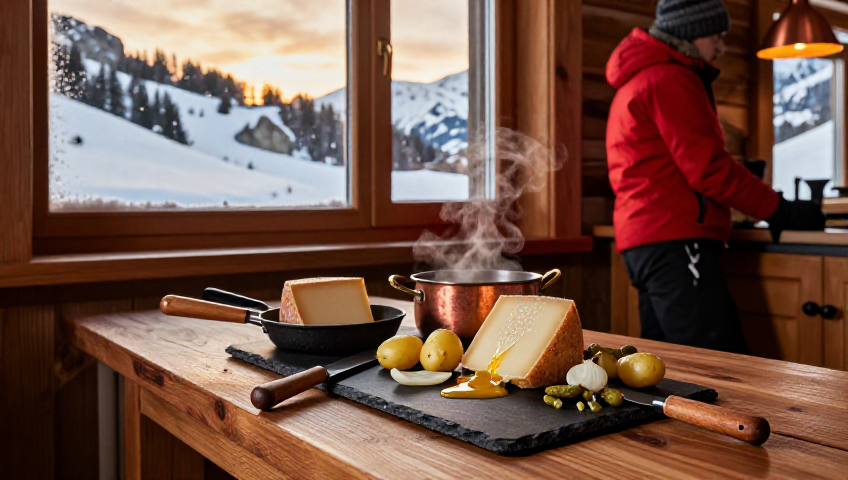
The story of raclette begins in the high pastures of Savoie, where shepherds would melt a slice of cheese wheel over a fire and scrape the golden layer onto bread. Today, that ancient practice lives on in Chamonix’s alpine restaurants. Most places serve a half wheel of raclette cheese, heating it just enough so the surface turns beautifully melted while the interior stays firm. The ritual of cheese scraping—using a small spatula to pull the hot layer onto potatoes—adds a theatrical touch that diners love.
Modern establishments often pair the classic cheese with local produce like fresh potatoes, butter‑soft carrots, and a crunchy bread basket. The combination of hot dairy and cold pickles creates a satisfying contrast that is both savoury and slightly tangy. Many chefs now experiment with flavored raclette—adding herbs, smoked paprika, or even a dash of truffle oil—to keep the experience fresh while honoring the traditional roots.
Charcuterie classics served with raclette in Chamonix
Raw or cooked ham
In a typical raclette spread, you’ll find both raw ham (thinly sliced, cured and ready to melt slightly on the warm plate) and cooked ham that offers a sweeter, milder flavor. The raw version adds a firmer bite, while the cooked ham blends seamlessly with the melted cheese, creating a harmonious mouthfeel.
Grisons beef and pork delicacies
Thin slices of Grisons beef, a dry‑cured specialty from the Swiss canton of Graubünden, bring a hint of sweetness and a tender texture. Complementing the beef, you’ll often see crispy bacon or thin pork ribbons—ingredients that become slightly crunchy when placed near the hot stone.
Perfect wine pairings – from Savoie to Valais
Choosing the right wine can elevate the entire raclette experience. Alpine vineyards produce a range of white wine that balances the dish’s richness without overwhelming it.
Roussette de Savoie
This aromatic white, with notes of white peach and a hint of minerality, pairs beautifully with the buttery melt of raclette cheese. Its light body keeps the palate fresh for each bite.
Apremont
With a bright acidity and subtle floral aroma, Apremont acts as a perfect contrast to the salty charcuterie. It’s especially lovely when served chilled on a winter evening.
Les Abymes and Chasselas du Valais
For those who crave something a little more unique, the crisp and slightly nutty Les Abymes from the Savoie region, or the floral Chasselas du Valais from neighboring Switzerland, are excellent choices. Both wines highlight the alpine terroir while keeping the flavors lively.
Beyond raclette – Savoyard dishes that complement the meal
If you have room after a hearty raclette, the surrounding menus offer a suite of other regional dishes that showcase the valley’s culinary diversity.
- Crozets: tiny buckwheat pasta from the Savoie region, often tossed with butter, cheese, and herbs.
- Farcement: a traditional Savoyard family recipe made from layers of potatoes, cream, and cheese baked to golden perfection.
- Tartiflette: potatoes, reblochon cheese, onions, and lardons – a comforting dish that rivals raclette in popularity.
- Fondue: the iconic cheese fondue with a blend of local Alpine cheeses, served with bread cubes for dipping.
- Rösti: a Swiss‑style grated potato cake, crispy on the outside and soft within, often topped with melted cheese.
- Pierrade and braserade: table‑grilled meat and seafood, allowing diners to cook their own protein alongside the cheese.
- Galette des Rois: a fragrant almond cake traditionally enjoyed after the festive season, rounding off a ski‑holiday feast.
All these dishes share a common thread: the use of local cheese, fresh mountain produce, and a focus on hearty, warming flavors that suit the cold Alpine environment.
Best spots for raclette in Chamonix – a restaurant guide
| Restaurant | Highlight | Wine selection |
|---|---|---|
| Le Bistrot des Alpes | Traditional half‑wheel service with wood‑fire heating | Roussette de Savoie, Apremont |
| Frometon | Hidden cellar, “cheese heaven” ambience | Les Abymes, Chasselas du Valais |
| La Calèche | Panoramic view of Mont Blanc, seasoned staff | Dry white wine, light wine options |
| Au Mont Blanc | Family‑run, offers both raclette and tartiflette | Valais selection, fruit wine |
| Le Refuge | Cozy chalet style, extensive charcuterie board | Apremont, Roussette de Savoie |
Each venue brings its own twist—some emphasize cheese fest atmospheres, others lean into a refined wine selection. No matter where you sit, the combination of alpine cheese, regional wine, and breathtaking mountain panoramas guarantees an unforgettable meal.
Recommendations for an authentic Alpine dining experience
To truly savour raclette Chamonix, follow these simple tips:
- Arrive early during peak ski‑holiday periods; the best tables fill up fast.
- Ask the maître d’hôtel for the day’s regional cheese selection; a fresh wheel makes a world of difference.
- Pair the cheese with a dry white wine from the Savoie region—don’t shy away from trying a fruit‑infused option for a playful contrast.
- Don’t forget the pickles and boiled potatoes; they are essential for balancing the richness.
- Finish with a light dessert—perhaps a scoop of gelato or a slice of galette des rois—to cleanse the palate before the next round.
Frequent Asked Questions
What is the difference between a raclette wheel and a half wheel?
A full raclette cheese wheel weighs around 3–5 kg and is traditionally cut into large slices, while a half wheel is pre‑cut, usually weighing 1.5–2 kg, and is designed for quicker melting at the table. Many restaurants prefer the half wheel for its convenience and consistent melt.
Can I enjoy raclette without meat?
Absolutely. Vegetarian options often replace the charcuterie with grilled vegetables such as mushrooms, zucchini, or bell peppers. Some places also serve smoked tofu or halloumi for a protein boost while keeping the Alpine vibe.
Is raclette suitable for a family with children?
Yes. The dish is very kid‑friendly: the melted cheese is smooth and mild, and you can customize each plate with simple sides like boiled potatoes, bread, and a small selection of milder ham or chicken strips. Many Alpine restaurants provide a “kids’ raclette” menu with reduced portions.
How long does a typical raclette dinner last?
Because the experience is communal and interactive, a raclette dinner usually lasts between 1.5 to 2 hours. Guests take turns scraping cheese and sharing stories, so the pace is relaxed and unhurried.
Are there any gluten‑free alternatives?
Yes. While the traditional accompaniment includes crusty bread, many venues now offer gluten‑free baguettes or serve the cheese over a bed of boiled potatoes and rice (riz) to accommodate dietary restrictions.
Savoring the Alpine spirit: why raclette Chamonix remains unforgettable
From the first sizzle of cheese on a hot stone to the final sip of a crisp white wine, the raclette Chamonix experience is a celebration of Alpine hospitality, local terroir, and timeless tradition. Whether you sit in a bustling chalet or a hidden cellar like Frometon, each bite tells a story of mountain pastures, artisanal cheesemakers, and generations of food lovers who have turned cheese melting into an art form.
So next time the snow‑capped peaks call you back, remember that the true heart of Chamonix beats not only on the slopes but also on the table, where a half wheel of cheese, a slice of ham, and a glass of Apremont await to welcome you home.