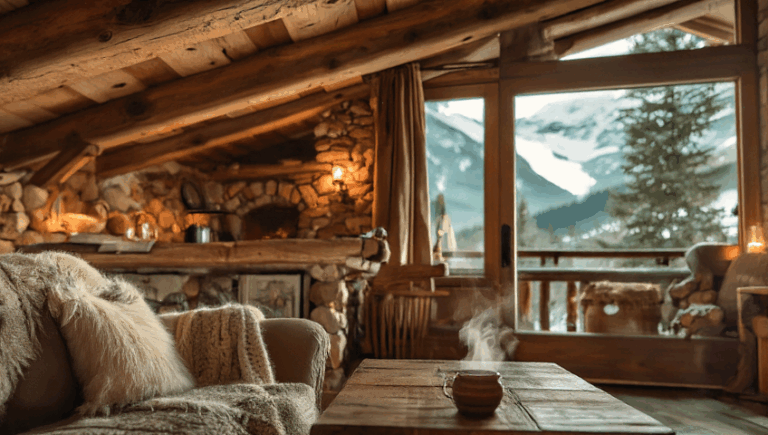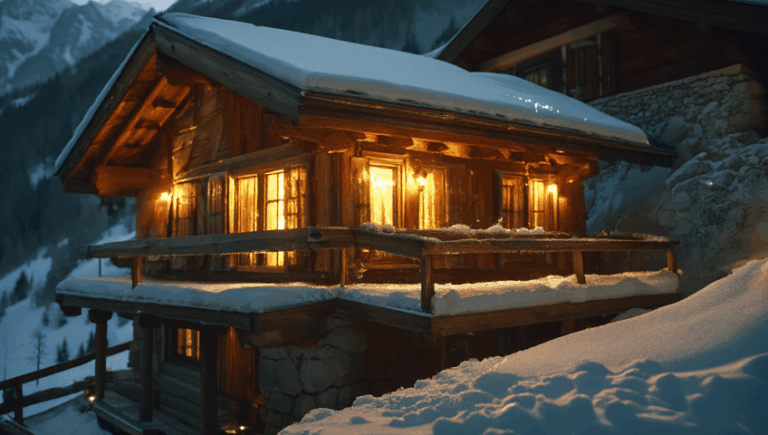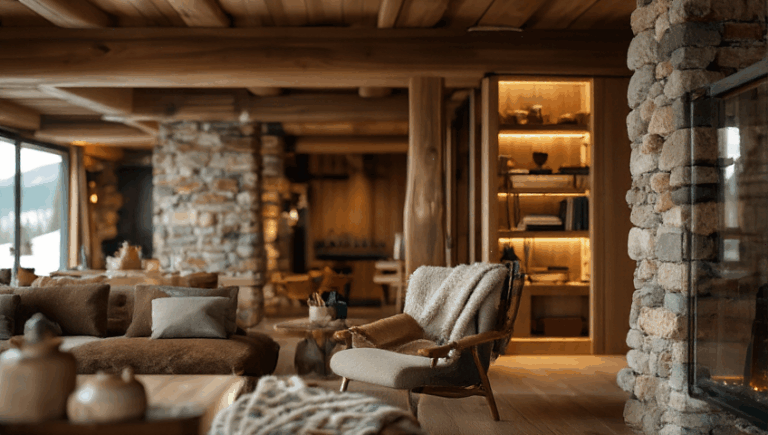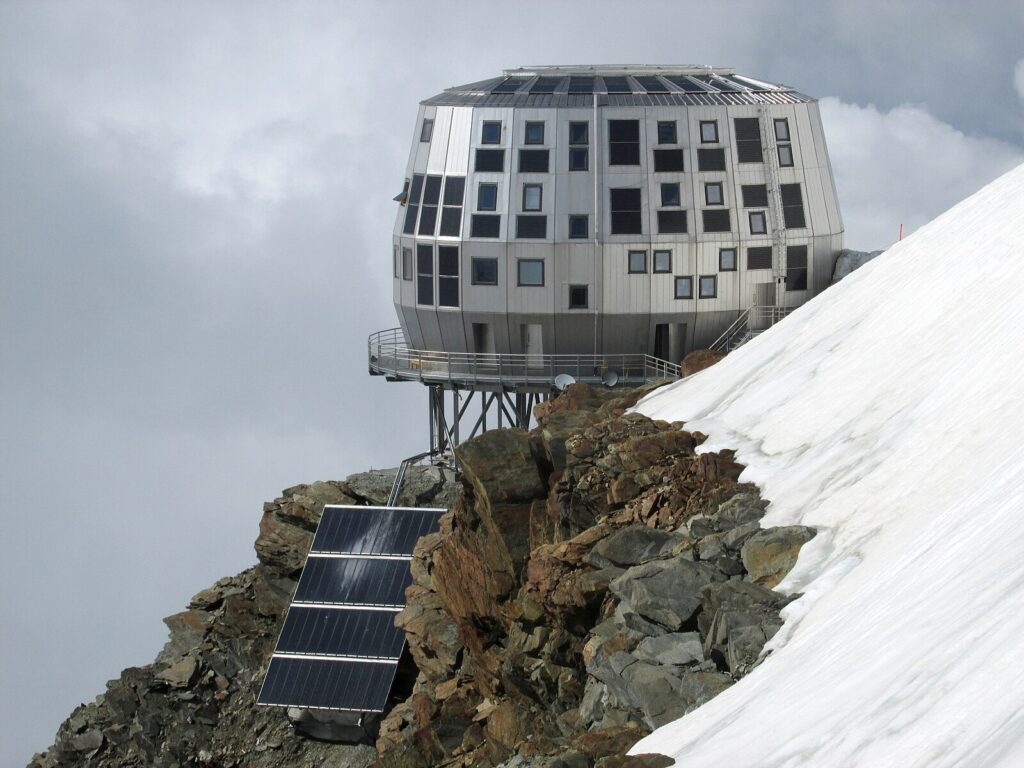
Nestled in the heart of the Mont Blanc massif, the Refuge hut Chamonix offers a unique blend of rustic charm and high‑altitude comfort that draws climbers, hikers and families alike. Whether you’re planning a summer trek across the glacier‑covered valleys or a winter bivouac under a sky of glittering stars, this alpine outpost stands as a gateway to some of the most breathtaking scenery the Alps can provide.
From the moment you set foot on the well‑marked trail, the scent of pine and the distant rumble of the Aiguille du Midi’s cable car signal that you are entering a world where nature’s grandeur meets human ingenuity. The refuge is strategically located at an altitude that grants a panoramic view of Mont Blanc, the Vallee de Chamonix, and the shimmering Mer de Glace, making every pause feel like a personal postcard.
Table of Contents
What are the best mountain refuges in Chamonix?
If you’re hunting for the best places to rest your head after a day of ascent, the Chamonix valley boasts a handful of standout mountain refuges. Below is a quick snapshot of the top three, each offering a distinct flavor of alpine hospitality.
| Refuge | Altitude (meters) | Signature Feature |
|---|---|---|
| Refuge du Goûter | 3,815 | Close proximity to the summit of Mont Blanc |
| Refuge de la Charpoua | 2,500 | Stunning view of the glacier and easy access from the Flégère cable car |
| Refuge des Grands Mulets | 2,658 | Historic stone building with a traditional Alpine restaurant |
All three are accessible by well‑maintained trails and serve as excellent bases for climbing, hiking or simply soaking in the Alpine atmosphere. The choice often boils down to your itinerary, the season, and whether you prefer a restaurant‑style meal or a more self‑catered accommodation experience.
How to book a stay at a refuge?
Booking a stay at any of these refuges can feel like navigating a maze, especially during peak summer months. Here’s a step‑by‑step guide that I usually follow:
- Check the official website of the refuge or the local office in Chamonix for real‑time availability.
- Use the online reservation platform (most are integrated with autourdumontblanc.com) and create an account.
- Enter your desired dates, the number of beds, and any specific needs (e.g., vegetarian meals, extra sleeping bag space).
- Confirm the booking by paying the required deposit; many sites accept credit cards or PayPal.
- Print the confirmation and bring it with you; staff often ask to see it upon arrival.
Pro tip: if you’re planning a spontaneous trek, the office in Chamonix town can sometimes secure a last‑minute reservation for you, especially during the shoulder season.
What is the altitude of Charpoua refuge?
The Charpoua refuge rests at an altitude of 2,500 meters above sea level, placing it comfortably within the sub‑alpine zone. From this height, the air feels crisp, the view stretches over the Aiguille du Midi range, and the surrounding glacier surfaces glitter in the sun.
“Reaching Charpoua felt like stepping onto the edge of the world – the silence was astonishing, broken only by the distant crack of ice.” – Alpine guide, 2025
What are the opening months for refuges?
Most Chamonix refuges operate during the warmer season, typically from late June to early September. However, a few, like the Refuge du Goûter, stay open through the early autumn months (October) for seasoned climbers attempting a late summit.
During the off‑season, many refuges convert into mountaineering base camps for ski tours or ice climbing, offering limited services and requiring advance reservation.
What facilities are available at mountain huts?
While each hut varies, most share a core set of facilities designed for comfort in remote conditions:
- Communal dining area with a wood‑fired stove.
- Shared dormitory‑style rooms (often board in a dorm style) with bunk beds and lockers.
- Basic restaurant service offering hot meals, soups and local cheese fondue.
- Sanitary block with hot water showers (available during peak months).
- Wi‑Fi hotspot in the main hall – useful for checking weather forecasts.
Some larger refuges also provide a small shop with water, energy bars, and emergency gear. If you need a sleeping bag rental, ask the guardian at the reception; they often have a limited stock for emergencies.
How to access the Refuge du Goûter?
Getting to the iconic Refuge du Goûter is an adventure in itself. Here’s the most common route, often referred to as the “classic” ascent:
- Take the cable car from Chamonix to the Plan de l’Aiguille (1,800 m).
- Follow the marked trail to the Mont Blanc “Grand Couloir”, a notorious rockfall zone – wear a helmet.
- Continue along the “Goûter Route” for roughly 2 km, crossing the “Bionnassay Glacier” (use crampons if still icy).
- The final 200 m is a steep scree slope leading directly to the hut at 3,815 m.
Access is considered challenging; it’s recommended for hikers with prior high‑altitude experience. The weather conditions can shift quickly, so always check the forecast at the Chamonix office before setting out.
What views can you see from the refuges?
Standing on the terraces of any Chamonix refuge, you’re treated to a tableau that reads like a living postcard:
- The glittering Mont Blanc peak dominating the horizon.
- The icy arms of the Mer de Glace winding through the valley.
- Nearby aiguille silhouettes – Aiguille du Midi, Aiguille Verte, and the daring aiguille du goût – all painted in shades of blue and white.
- During sunrise, the sun kisses the glacier tops, casting a golden halo that photographers chase all year.
These breathtaking views aren’t just for the eyes; they inspire a deep sense of nature immersion that stays with you long after you descend.
Additional tips for a flawless alpine experience
Beyond the basics, here are a few nuggets I’ve gathered over countless trips:
- Pack a lightweight rain jacket – Alpine weather can transition from sunny to stormy in minutes.
- Carry a sleeping bag rated for at least -5 °C; even summer nights can be chilly at 2,500 m.
- Bring a reusable water bottle and a small water‑purification tablet; the mountain streams are pristine but can harbor microbes.
- Respect the environment – pack out all waste, stay on marked paths, and follow the “leave no trace” ethos.
Lastly, a word on the mountaineering community: the staff at each refuge are seasoned climbers themselves. Don’t hesitate to ask them for advice on routes, equipment, or local lore – they often have the best “insider” tips.
You may also wonder
Can I bring my dog to a Chamonix refuge?
Most Alpine refuges have a strict no‑pet policy to preserve the delicate ecosystem and keep the sleeping areas comfortable for all guests. However, some larger huts in the valley allow service animals with prior notification.
What is the safest time of day to start a hike to a refuge?
Early morning—between 7 am and 9 am—is generally safest. Trails are less crowded, temperatures are cooler, and you have ample daylight to adjust to any unexpected weather changes.
Are there any wheelchair‑accessible refuges in the area?
Accessibility is limited due to the terrain, but the Refuge de la Charpoua offers a relatively gentle approach from the Flégère cable car station, making it one of the more manageable options for visitors with reduced mobility.
Do refuges provide laundry facilities?
Only a handful of larger huts have communal washing stations, and they operate on a donation basis. For most, it’s advisable to pack enough clothing for the entire stay.
How do I stay connected to the internet at high altitude?
Most refuges in Chamonix provide a basic Wi‑Fi hotspot in the main lounge. Signal strength can vary, but you’ll usually manage to send a quick email or check the forecast.
What should I do in case of altitude sickness?
If symptoms appear—headache, nausea, dizziness—descend to a lower altitude immediately and hydrate. Many refuges keep a small stock of medication and have a medical kit on hand.
Is it possible to combine a ski tour with a stay at a refuge?
Absolutely. During winter, refuges like Refuge du Goûter open for ski touring groups, offering meals and a warm hearth after a day on the slopes.
Can I volunteer at a refuge to reduce my stay cost?
Yes, many huts run volunteer programs where you exchange a few hours of work (kitchen help, cleaning) for a discounted overnight stay. Contact the refuge directly to arrange.
What is the best way to transport luggage to a high‑altitude hut?
Several local companies offer porter services, especially for the heavier gear needed for expeditions.
Planning your alpine escape in Chamonix
In summary, the Refuge hut Chamonix and its neighboring shelters form an ideal network for anyone eager to explore the Alps’s most iconic peaks. From checking the opening months and making a secure reservation, to understanding the altitude challenges and enjoying the breathtaking views that stretch across the valley, every step is part of a larger adventure.
Remember, the magic of Chamonix lies not just in the summit but in the journey—the crisp mountain air, the camaraderie at the dining table, and the quiet moments watching the sun rise over Mont Blanc. So pack your boots, sharpen your curiosity, and let the refuge be your base camp for unforgettable Alpine memories.