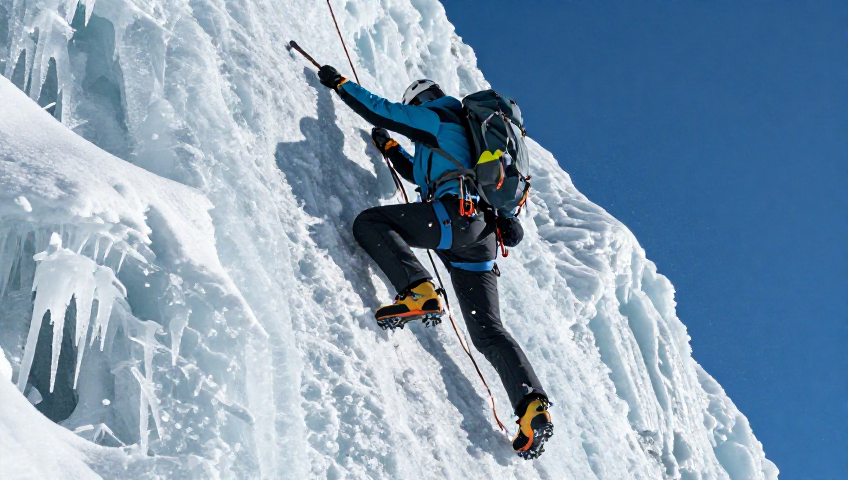
When the Alps freeze into a glittering labyrinth of vertical water, Chamonix transforms into a magnet for climbers hungry for frozen thrills. Ice climbing in Chamonix offers a unique mix of majestic mountain scenery, challenging ice falls and a heritage of mountaineering that dates back to the golden age of alpinism. Whether you are planning a short day outing or a multi‑day alpine expedition, the valley’s routes, weather patterns and local expertise make every ascent a story worth telling.
From the legendary Mont Blanc sidewalls to hidden couloirs near the Argentière valley, you’ll find terrain that varies from easy, accessible walls for beginners to vertical pitches that demand expert technical skill. In the next sections we’ll explore the best ice climbing routes, the gear you must pack, how to book a guided course, and everything you need to know about the climbing conditions that make Chamonix a premier destination.
Table of Contents
Which ice climbing routes should you put on your map?
Chamonix’s icy playground stretches across several mount ranges, each offering a distinct flavor of frozen climbing. Below are the most celebrated ice climbing routes that suit every level.
- Ice climbing routes on the Glacier du Géant – classic, long, multi‑pitch lines with a steady gradient.
- Climbing routes at La Flégère – short but steep, perfect for a quick day session.
- Best ice climbing spots in the Argentiere valley – mixed terrain that blends rock and ice.
- Routes for all levels in the Aiguille du Midi couloir – from an easy easy beginner line to a hard, technical face.
- Ice falls suited to everyone near the Grand Montets – gentle inclines and breathtaking views.
For those looking for a mixed mountain experience, the couloir du Trient offers a seamless blend of rock, snow and hard ice – a true “ice‑and‑mixed” adventure.
| Route | Grade (French) | Typical Length |
|---|---|---|
| Glacier du Géant – North Face | 5c | 4‑5 pitches (≈ 300 m) |
| La Flégère – Ice Wall | 4b | 2 pitches (≈ 120 m) |
| Aiguille du Midi – Direct Ice | 5b+ | 3 pitches (≈ 200 m) |
How challenging is the difficulty level of ice climbing here?
Understanding the difficulty level helps you pick a route that matches your physical and technical abilities. In Chamonix, routes are graded using the French alpine scale, which reflects both the steepness of the ice and the required mountaineering techniques. Below is a quick guide:
- Technical level 1‑2: Easy, low‑angle ice, ideal for beginners and introductory courses.
- Technical level 3‑4: Moderate slopes, suitable for climbers with basic skill and comfortable with a rope and ice axe.
- Technical level 5‑6: Steep, vertical ice demanding mastery of lead climbing and precise placement of screws.
The route requires a good sense of balance, proper use of crampons and ice tools, and the ability to read a frozen waterfall quickly. Most guides advise at least two days of prior training if you aim for the upper grades.
Booking ice climbing courses: what you need to know
Chamonix boasts a vibrant community of certified mountain guides and schools ready to tailor a guided winter adventure for any skillset. Here’s how to secure your spot:
- Visit the official Chamonix tourism portal and filter for ice climbing courses.
- Choose between a 3‑day ice climbing course (ideal for beginners) or a 5‑day alpine climbing trip (for intermediate to advanced climbers).
- Check the booking calendar for the season you plan to travel – December to February offers the most reliable ice.
- Confirm your price, which usually includes gear, guide fees, and accommodation in a mountain hut.
Most providers require a deposit and have a cancellation policy linked to weather forecasts. If you’re traveling solo, consider a private group to get a more focused learning experience.
Essential equipment for ice climbing in Chamonix
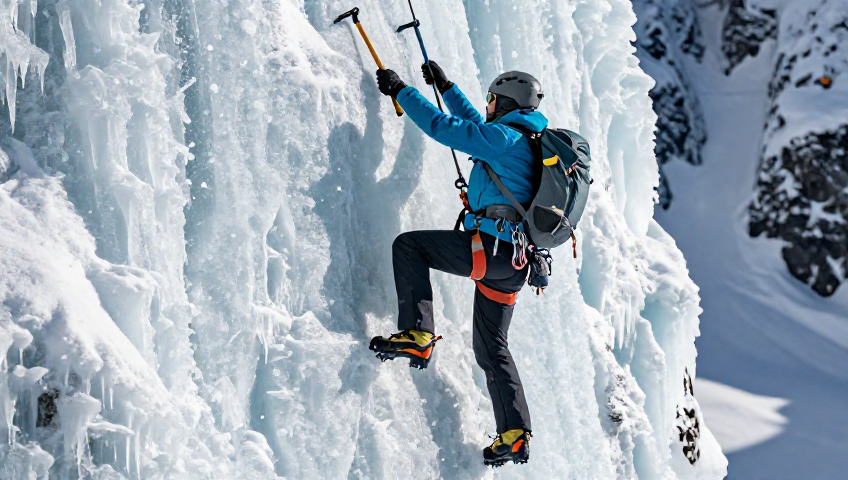
Choosing the right gear is crucial for safety and performance. Below is a checklist of the tools for climbing you’ll need:
- Ice axes – twin‑axe setup for technical climbs, single‑axe for easier lines.
- Crampons – 12‑point “technical” models that lock securely onto vertical ice.
- Rope – dynamic 10‑12 mm rope, at least 60 m for multi‑pitch routes.
- Screws – a set of 8‑10 ice screws, ranging from 90 mm to 150 mm.
- Helmet, harness, and insulated gloves – essential for cold weather protection.
Many local guides offer rental packages that include ice axes, crampons and boots, which can be a cost‑effective option for first‑timers.
What are the typical climbing conditions in Chamonix?
Chamonix’s climbing conditions are heavily influenced by its altitude and proximity to the Mont Blanc massif. The best time to hit the ice is from early December through late February, when temperatures consistently stay below -5 °C and the icefall formation is at its peak.
Here are the key factors to monitor:
| Condition | Typical Range | Impact on Climbing |
|---|---|---|
| Temperature | -3 °C to -12 °C | Harder ice, better screw placement. |
| Wind | 10‑30 km/h | Can increase chill factor; beware of wind‑swept ridges. |
| Snowfall | Light to moderate | Fresh snow can cover holds; may require additional gear. |
Always check the local Météo‑France forecast before heading out, and stay in touch with your guide about sudden changes or avalanche risk.
Beginner options: is ice climbing accessible to everyone?
Absolutely. Chamonix has a solid infrastructure for beginner ice climbing, with accessible routes that require minimal technical skill. The most popular introductory line is the easy ice wall at La Flégère, where the gradient stays under 45°. Guided beginner courses typically include:
- Fundamentals of crampon technique.
- Basic ice axe handling and placement.
- Safety briefing on cold weather and frostbite prevention.
- Short multi‑pitch practice on a safe, low‑angle wall.
Most participants find that a single day of instruction is enough to feel confident on easy terrain, and many continue to progress to more challenging lines with additional training.
What experience level is required for the more demanding climbs?
For the iconic Steep routes on the Mont Blanc face, you’ll need solid climbing experience and a good physical level. The typical profile includes:
- At least 30 hours of previous ice climbing experience.
- Comfortable with lead climbing on rock and mixed terrain.
- Ability to spend a full day in sub‑zero temperatures while maintaining focus.
- Knowledge of mountaineering techniques such as self‑rescue and crevasse navigation.
If you’re in doubt, many local guides offer an evaluation session to assess your technical skill and suggest the most appropriate grade for your first summit attempt.
You may also wonder
Can I combine ice climbing with ski touring in the same trip?
Yes, many adventurers pair a week of ski touring with a couple of days of ice climbing. The region’s high alpine valleys provide perfect terrain for both activities, and local guides can arrange a mixed itinerary that maximizes daylight and snow conditions.
What is the best way to stay safe during an unexpected weather change?
Safety hinges on preparation. Always carry a thermal blanket, extra layers, and a reliable communication device. If the forecast predicts a sudden drop in temperature or a storm, most guides will recommend retreating to a nearby hut or valley shelter.
Are there special permits required for climbing the glacier routes?
No specific permits are needed for ice climbing, but you must respect the local mountain environment regulations. Some high‑traffic routes have a limited number of climbers per day to protect the ice and surrounding flora.
How do I choose the right size of ice axe for mixed routes?
For mixed terrain, a mid‑weight 60‑70 cm axe offers a balance between swing power and maneuverability. If you primarily climb vertical ice, a slightly longer, heavier axe (70‑80 cm) provides better penetration.
Is it possible to rent all necessary equipment in Chamonix?
Absolutely. Most outfitters in the town centre and at the cable car stations provide comprehensive rental packages, including crampons, ice axes, boots, and safety helmets. Prices are competitive, and many shops offer discounts for multi‑day rentals.
What are the typical costs for a guided ice climbing day?
Guided day trips cost between €200 and €350 per person, depending on the route’s difficulty, the size of the group, and whether equipment rental is included. Multi‑day packages often bring the daily rate down and include meals and accommodation.
Do I need a special insurance for ice climbing?
Yes, a dedicated mountaineering or adventure sports insurance is recommended. It should cover rescue operations, equipment loss, and medical evacuation, especially if you plan to climb remote or high‑altitude icefalls.
How does altitude affect performance on ice climbs?
Higher altitude reduces oxygen availability, which can lead to quicker fatigue. Acclimatization—spending a night at 2,000 m or higher—helps mitigate these effects. Hydration and a balanced diet are also crucial.
Are there any post‑climb recovery tips you recommend?
Warm, dry clothing, a high‑protein meal, and gentle stretching help muscles recover after a hard day on the ice. Many climbers also find a short sauna session in Chamonix’s wellness centers beneficial for circulation.
Why Chamonix remains the ultimate ice climbing playground
From its world‑class ice climbing routes to the seamless blend of culture, cuisine and alpine heritage, Chamonix offers something for every climbing enthusiast. Whether you are a beginner stepping onto your first frozen wall or an expert seeking a new vertical challenge, the valley’s diverse terrain, reliable climbing conditions and professional guides ensure a memorable adventure.
Plan ahead, respect the mountain’s power, and let the stunning scenery of the Mont Blanc range inspire your next ascent. The ice is waiting—grab your axe, clip in your crampons, and discover why Chamonix continues to define the gold standard of alpine ice climbing.