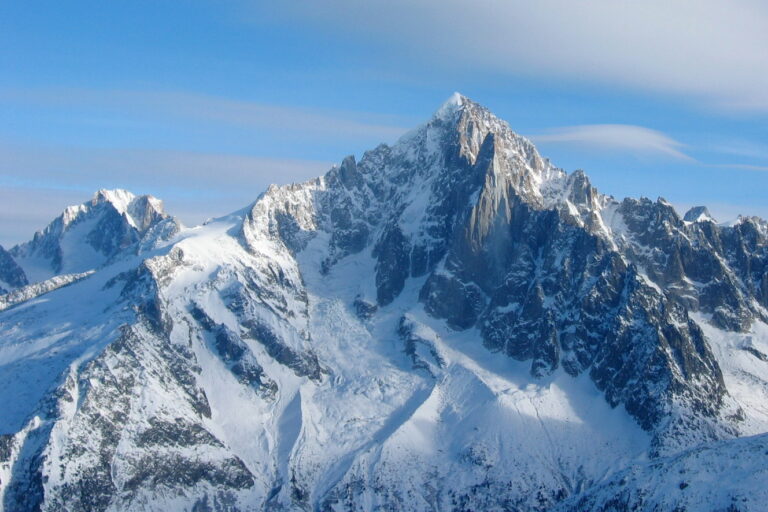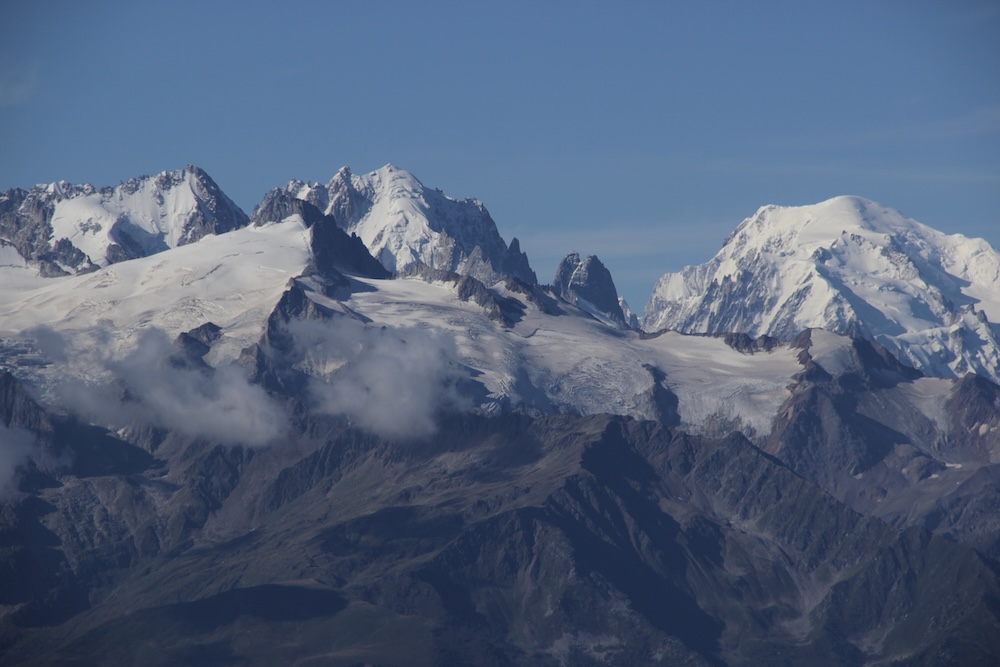
Rising 3,770 metres above the valley of Chamonix, the Aiguille du Chardonnet commands attention with its sharp profile, a north face that gleams with ice, and ridges that have tested generations of mountaineers. Part of the Mont Blanc massif, the peak sits on the border between France and Switzerland, overlooking the glacier of Tour and the col du Chardonnet. The mountain’s summit is reached via a variety of climbing routes – from the classic north‑spurred normal route to the demanding Forbes Arête and the icy Eperon Migot. Whether you prefer mixed climbing on the west ridge, an ice pitch on the north face, or a snow‑slope approach, the Aiguille du Chardonnet offers a full‑mountain experience with Alpine huts like the Albert Premier Hut, the Trient Hut and the Saleina Hut forming a handy network. A reliable mountain guide, the right technical gear and sharp attention to weather conditions (or Meteo) are essential, but the reward – a breathtaking view from a true alpine classic – is priceless.
From the first ascent in 1866 to the modern era of high‑tech technical level gear, this mountain has seen pioneers carve new lines, confront fierce winds, and celebrate triumphant summits. The peak’s ridge systems – the west ridge, the east ridge, the north buttress and even a rarely‑used south west face – provide a menu of challenges for those with sufficient physical fitness and a taste for adventure. Below we break down everything a climber, a photographer, or simply a curious traveler needs to know about the Aiguille du Chardonnet.
Table of Contents
Overview of the Aiguille du Chardonnet
The Aiguille du Chardonnet, often simply called “the Chardonnet”, is a 3,770 m summit that crowns the eastern side of the Mont Blanc massif. Its north‑facing wall rises over 500 m of sheer ice and rock, making it a magnet for mountaineering purists who love the exposure of a classic alpine climb. The peak is part of a dramatic ridge line that includes the Aiguille du Midi, the Dômes du Miage and the Aiguille Verte, offering spectacular panoramas of surrounding peaks and glaciers.
Geologically, the mountain consists of granite and gneiss, providing solid holds on the ridges and a reliable platform for mixed climbing. The glacier that hugs its lower slopes – the Tour glacier – is a heavily crevassed field, demanding careful navigation even before the technical sections begin. The standard approach starts from the Albert Premier Hut (2,702 m) or the Trient Hut (2,642 m), both reachable via the famous cable car from Chamonix up to Plan Praz and then a steep hike through alpine meadows.
Key statistics
- Elevation: 3,770 m (12,373 ft)
- Prominence: 282 m
- First ascent: 31 July 1866 (G. M. D. B. Barclay, J. B. S. B. Fox)
- Typical climbing season: July – September (summer), December – April (winter ascent)
- Difficulty range: AD to D (French grading)
Climbing history and notable ascents
The mountain’s first recorded ascent was a triumph of Victorian ambition. In the summer of 1866, a party led by the English alpinist G. M. Barclay reached the summit via what is now called the normal route. Their achievement sparked a wave of interest that saw the north face tackled for the first time in 1908, a bold move that introduced the world to the ice‑laden north spur.
One of the most storied routes – the Forbes Arête – was pioneered in 1970 by American climber John Forbes. This line follows a delicate ridge that slices between the north and east faces, demanding precise footwork and a firm grip on the technical gear. Decades later, in 2002, an Italian team opened the Eperon Migot, a mixed climb that combines ice pitches with steep rock sections, now considered a benchmark for mixed climbing in the Alps.
Winter ascents, once a rarity, have become more frequent. In 2023, a French duo completed a bold traverse from the west ridge to the east ridge, climbing in sub‑zero temperatures with a perfect Meteo window. Their success demonstrated how advances in technical gear—lightweight crampons, insulated jackets, and GPS‑enabled altimeters—are reshaping the possibilities on this historic peak.
Legendary climbers linked to the Chardonnet
- John Forbes – pioneer of the eponymous arête
- Gaston Rébuffat – emphasized the elegance of the north face in his writings
- Marie Troillet – first woman to complete the winter traverse of the ridge system
Getting there and Alpine huts
Reaching the base of the Aiguille du Chardonnet is a pleasurable part of the adventure. From the heart of Chamonix, take the gondola up to Plan Praz. From there, a well‑marked trail leads past the Albert Premier Hut, a cosy refuge perched on a rocky outcrop. The hut offers dormitory‑style sleeping, a communal kitchen, and stunning views over the glacier of Tour. Reservations are advisable during July and August, when guide fees peak.
If you prefer a more secluded stop, the Trient Hut lies just beyond the col, accessed by a narrow passage that skirts the edge of the Saleina glacier. The hut is smaller, with only eight bunks, but its proximity to the north ridge makes it a strategic base for early morning routes. Both huts provide essential services – hot meals (in the Albert Premier), and a reliable water supply (melting snow).
Hut comparison
| Hut | Altitude | Bunks | Access |
|---|---|---|---|
| Albert Premier Hut | 2,702 m | 24 | Gondola + hike (2 h) |
| Trient Hut | 2,642 m | 8 | Hike from col (1.5 h) |
| Saleina Hut | 2,691 m | 16 | Cross‑border approach (Switzerland) |
Main climbing routes and technical details
The Chardonnet offers a menu of routes that cater to various skill levels. The normal route – also known as the north spur – is the most frequented line. It begins at the Albert Premier Hut, follows a snow‑covered slope to the col du Chardonnet, and then ascends a gentle snow and rock ridge to the summit. This route is graded AD (assez difficile) and typically requires an ice axe, crampons and a rope for glacier travel.
For those seeking a more demanding experience, the west ridge (W‑ridge) presents a steep, exposed climb with sections of mixed terrain. The route follows a narrow arête, demanding precise foot placement and a solid belay system. It is rated D (difficile) and often includes a short ice pitch near the top.
The east ridge (E‑ridge) mirrors its counterpart but incorporates a longer slab of rock that requires careful route‑finding. The north face – a true alpine classic – is a serious undertaking, featuring a sustained snow slope and a series of ice steps that can become treacherous under poor weather conditions. Climbing the north face often demands a team of at least two experienced climbers, a full set of technical gear, and a thorough knowledge of avalanche risk.
Route summary table
| Route | Grade | Length | Key Features |
|---|---|---|---|
| Normal route (north spur) | AD | 1 km | Snow ridge, col du Chardonnet |
| West ridge (W‑ridge) | D | 1.2 km | Exposed arête, ice pitch |
| East ridge (E‑ridge) | D+ | 1.3 km | Rock slab, mixed climbing |
| Forbes Arête | D+ | 1.5 km | Technical ridge, delicate exposure |
| North face | ED | 1.6 km | Steep ice, avalanche risk |
Weather and mountain conditions
Climbers often underestimate the rapidity with which alpine weather can shift on the Mont Blanc massif. The Chardonnet’s altitude means that even in summer, sudden storms can bring high winds, heavy snowfall, and sub-zero temperatures. A clear morning can give way to a whiteout by noon, turning a relatively easy climb into a hazardous ordeal.
Typical weather conditions during the main climbing season (July‑September) feature daytime highs of 10–15 °C at the base, dropping to -5 °C near the summit. Evening temperatures can fall below -10 °C, especially on the north face. In winter, expect -15 °C to -20 °C with frequent wind chill, making a winter ascent a serious undertaking that requires insulated boots and a stove.
Snow safety is paramount. The tour glacier below the routes is known for hidden crevasses; roping up and using a probe is mandatory. Avalanches are rare on the steep rocky sections but can occur on the lower snow slopes after fresh snowfall. When planning a climb, consider both the current mountain conditions and the long‑range forecast.
When to climb – seasonal advice and timing
The optimal window for most parties is late July through early September. By this time, the snow has consolidated, the glacial crevasses are more stable, and the sunshine on the ridges is generous. Early July can still see lingering winter snow on the highest parts, requiring additional gear such as an ice axe for a short ice pitch.
For those seeking a quieter experience, the shoulder months of June and October offer fewer crowds but more variable weather. In June, the north face retains significant ice, turning the route into a mixed climb; in October, the days are short and the risk of early snowfall increases.
Winter ascents (December‑April) are a niche pursuit, attracting seasoned alpinists who relish the challenge of a frozen north face and the magical blue ice that forms on the summit ridge. During this period, the guide fees rise and the huts may be closed, meaning climbers must be self‑sufficient, carrying bivouac gear and a stove for melt‑water.
Frequent Asked Questions
What is the most recommended route for a first ascent of the Aiguille du Chardonnet?
The normal route via the north spur is the standard choice for first‑time summiters. It is graded AD, offers a clear line from the Albert Premier Hut, and requires only basic glacier travel skills and standard alpine equipment.
Do I need a certified mountain guide to climb the Chardonnet?
A guide is not legally required, but many parties hire one for safety, especially on the north face or in winter. A qualified mountain guide can help with route‑finding, crevasse rescue, and local knowledge of weather conditions. Guide fees typically range from €150‑€250 per day.
How difficult is the Forbes Arête compared to the west ridge?
Both routes are graded D+, but the Forbes Arête is more technical, demanding precise footwork on a narrow ridge and a higher exposure to wind. The west ridge is slightly longer and includes a short ice pitch, which can be more demanding for climbers with limited ice‑climbing experience.
Are the Alpine huts open year‑round?
The Albert Premier Hut is open from mid‑June to early October. The Trient Hut follows a similar schedule, while the Saleina Hut in Switzerland has a slightly later opening in July. In winter, all huts close, and climbers must bivouac.
What equipment is essential for climbing the north face?
For the north face, you’ll need a full set of technical gear: double‑rope system, 12‑point harness, crampons, ice axe, helmet, a sturdy belay device, and a first‑aid kit. Insulated clothing, a bivouac sack, and a reliable GPS unit are also recommended due to the potential for sudden weather changes.
Can I combine a ski tour with a climb of the Aiguille du Chardonnet?
Yes, many ski‑tourers ascend the glacier to the col and then transition to a mixed climb on the summit ridge. This “ski‑climb” combo requires proficiency in both ski touring and alpine climbing, as well as appropriate ski bindings that can accommodate crampon use.
Why the Aiguille du Chardonnet remains a magnet for alpinists
Beyond its striking silhouette, the Aiguille du Chardonnet offers a perfect blend of history, technical challenge, and natural beauty. Its routes accommodate a spectrum of climbers – from those on their first summit attempt to seasoned veterans seeking a bold mixed line. The surrounding Alpine huts provide comfort after a long day on the rock, while the ever‑changing mountain conditions ensure that no two ascents are ever the same.
In the end, the mountain’s allure lies in its ability to test your physical fitness, sharpen your decision‑making, and reward you with a summit view that stretches across the entire Mont Blanc massif, the Swiss Alps, and the distant peaks of Italy. Whether you plan a summer climb, a winter ascent, or simply a photo‑stop from the hut, the Aiguille du Chardonnet is a destination that keeps calling you back.