Snow‑kissed peaks, crystal‑clear streams and a vast sheet of ice that has carved its own story for centuries – that is what greets you at the Glacier de Trient. Nestled on the edge of the Mont Blanc Massif, this icy expanse sits in the Trient valley, a quiet side‑branch of the larger Alpine region that most tourists overlook. From the moment the first light glints off the frozen surface, you feel the pull of adventure, the whisper of history, and an uneasy reminder of the climate challenges that loom over every high‑altitude glacier today.
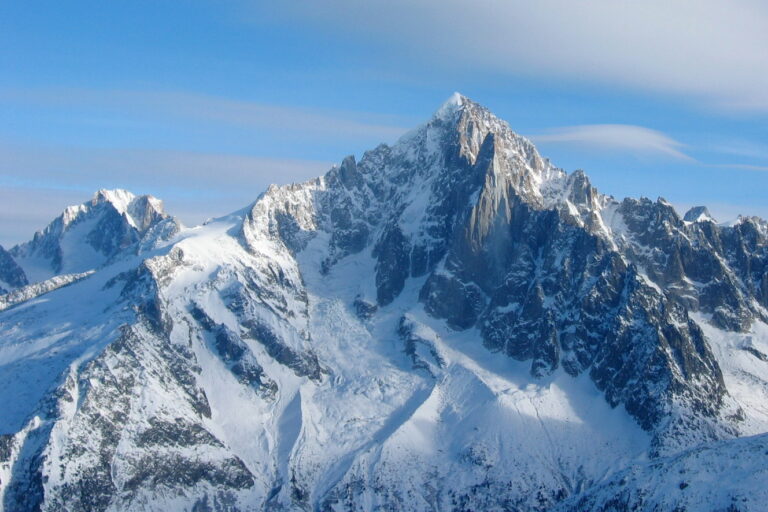
What makes this glacier truly unique is its position on the Plateau du Trient, a high‑altitude meadow that bridges Swiss valleys and French slopes. Below, the Trient river rushes through Vèsevey village, while above, the Aiguille du Tour and the golden spires of the Aiguilles Dorées watch over hikers making their way to the famous Trient hut. Whether you are a seasoned alpinist, a photographer chasing the perfect sunrise, or simply a curious traveler, the Glacier de Trient offers a blend of raw nature, scientific intrigue, and cultural heritage that is hard to match.
Table of Contents
Discovering the Trient Glacier and Its Alpine Setting
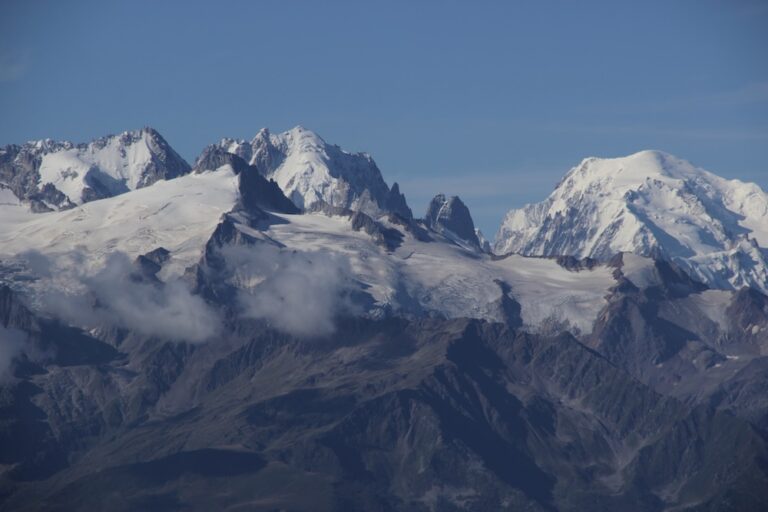
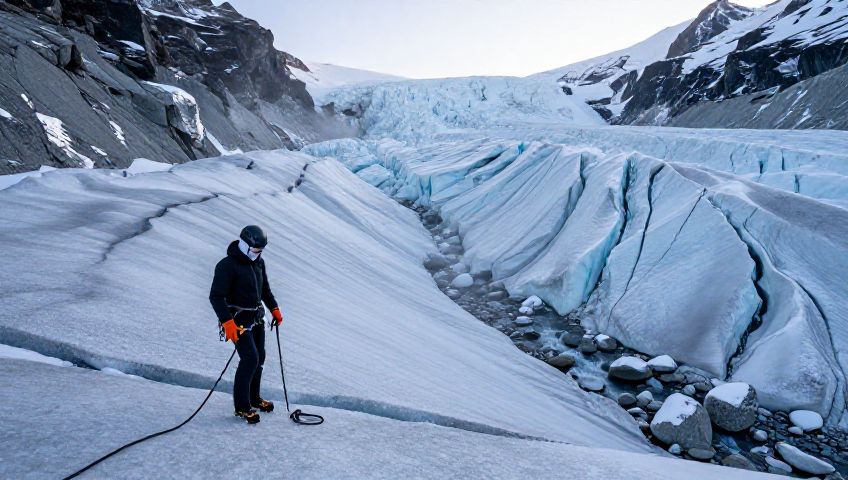
The Trient Glacier stretches over an area of roughly 1.8 square kilometres, perched at an altitude ranging from 2,600 m to 3,300 m. Its icy fingers carve deep into the Trient plateau, forming spectacular crevasses and seracs that change shape with each season. The glacier is fed by snowfalls from the surrounding ridges of the Mont Blanc Massif, especially the towering peaks of Pointe d’Orny and the nearby Aiguilles Dorées.
Geologically, the glacier is a textbook example of a valley glacier that has retreated dramatically over the last century. Measurements taken in 2025 show a loss of approximately 12 % of its surface area compared with data from the 1970s – a clear sign of the glacial retreat that accompanies rising temperatures linked to climate change. Scientists from the University of Bern regularly monitor the ice thickness, providing valuable data that feeds into broader studies of Alpine ice dynamics.
While the glacier may appear isolated, it is intimately tied to the surrounding fauna and flora. Alpine marmots, chamois, and a variety of hardy grasses thrive on the marginal zones of the Trient plateau, creating a vibrant ecosystem that thrives despite the harsh conditions.
“Standing on the edge of the ice, you feel both the permanence of the mountains and the fragility of the glacier. It’s a humbling reminder that our footprints matter.” – Local mountain guide, 2025
Access and Location: How to Reach the Trient Plateau
Getting to the glacier is part of the adventure. The most popular gateway is the Swiss town of Martigny, from where you can catch a regional train to the small settlement of Vèsevey. From there, a well‑marked trail leads you toward the col des Ecandies, a mountain pass that offers panoramic views of the surrounding peaks.
For those preferring a longer trek, the classic route starts in the French village of Le Tour. Crossing the border into Switzerland, you ascend through the Trient valley and arrive at the Trient hut, perched at 2,560 m. The hut provides basic accommodation and is an essential stop for anyone tackling the glacier’s higher reaches.
| Starting Point | Transport | Estimated Time to Trient Hut |
|---|---|---|
| Martigny (Switzerland) | Train + Bus | 3 h 15 min |
| Le Tour (France) | Car + Footpath | 4 h 30 min |
The journey itself is a showcase of alpine scenery: you’ll cross alpine meadows, glide past glistening streams fed by the Trient river, and climb to the Trient plateau where the glacier dominates the horizon. Remember to check the weather forecast – conditions can shift rapidly at altitude.
Exploring the Ice: Trails, Mountain Huts, and Scenic Highlights
Once you stand on the Trient plateau, a network of trails invites you to explore. The most frequented path is the “Glacier Loop,” a 7 km circuit that circles the ice, offering viewpoints of the Aiguille du Tour, the jagged faces of the Mont Blanc Massif, and occasional glimpses of the elusive Alpine ibex.
- Trient hut – The main base for hikers, open from June to September.
- Mountain hut “Les Aiguilles” – A smaller refuge near the col des Ecandies, ideal for a night under the stars.
- Summit of Pointe d’Orny – A challenging side trek rewarding climbers with a 360° view of the glacier and surrounding peaks.
The terrain varies from gentle alpine grasslands to steep, icy scree slopes. For seasoned alpinists, a short detour to the north face of the Aiguille du Tour provides a technical climb that requires crampons and an ice axe. Beginners can stick to the well‑marked trail, where the mountain hut staff regularly updates safety information and offers simple gelato on warm afternoons.
Photographers will love the “Golden Hour” moment when the sun kisses the crevasses, rendering the ice in shades of amber and rose. The reflection of the Aiguilles Dorées on the meltwater pools creates a striking composition that is a favorite on social media.
Science and Change: Glacial Retreat, Climate Impact, and the Mont Blanc Massif
Beyond its scenic allure, the Glacier du Trient serves as a living laboratory for climate scientists. Recent studies highlight a correlation between the accelerated glacial retreat and the rising average summer temperatures across the Mont Blanc Massif. Researchers have installed automated weather stations on the Trient plateau to record temperature, precipitation, and wind patterns in real time.
These data points feed into larger models that predict water availability for downstream communities in Valais and the neighboring Rhône basin. The meltwater from the glacier currently supplies a significant portion of the summer flow of the Trient river, which in turn supports agriculture in the Vèsevey village and hydroelectric facilities downstream.
While the trends are concerning, there is a silver lining. Local authorities in Valais have launched a “Glacier Preservation Initiative” that includes educational programs for schools, visitor awareness campaigns, and investments in renewable energy to offset the carbon footprint of tourism.
Heritage and Conservation in the Valais Region
The Trient area is steeped in cultural heritage that intertwines with its natural environment. Ancient shepherd routes still criss‑cross the Trient plateau, and stone cairns mark historic passes used by traders traveling between Switzerland and France. The nearby village of Vèsevey preserves traditional Alpine architecture, with wooden chalets and a centuries‑old church that hints at the area’s long‑standing relationship with the mountains.
Conservation efforts focus on maintaining the delicate balance between tourism and ecosystem health. The “Alpine Region Stewardship Program” collaborates with local guides, the Trient hut staff, and environmental NGOs to monitor visitor impact, enforce stay‑on‑trail policies, and protect the fragile flora that blooms in early summer.
- Seasonal restrictions on camping above 2,500 m
- Guided tours that include briefings on glacier dynamics
- Volunteer clean‑up days organized by the Vèsevey community
These measures not only safeguard the glacier’s future but also enrich the visitor experience, allowing travelers to feel part of a living tradition rather than mere observers.
Practical Tips for Visitors
Before you set out, keep these points in mind:
- Altitude preparation: Spend a night at a lower elevation to acclimatise, especially if you plan to summit Pointe d’Orny.
- Equipment: Even on summer routes, pack a light waterproof jacket, sturdy hiking boots, and a pair of crampons if you intend to walk on icy sections.
- Safety: Check the latest glacier condition reports at the Trient hut; crevasse hazards can appear after fresh snowfall.
- Weather: Mountain weather is fickle – a clear morning can turn into a thunderstorm by afternoon.
- Respect the environment: Carry out all litter, stay on marked paths, and avoid disturbing wildlife.
The best visiting window runs from late June to early September when the snow melt reveals the full extent of the ice while the weather remains relatively stable. Early morning departures give you the chance to beat the crowds and capture the pristine glow of the glacier before the midday sun intensifies.
Frequent Asked Questions
What is the difficulty level of the main trail to the Glacier de Trient?
The standard “Glacier Loop” is rated moderate (PD). It involves steady ascents and some rocky sections, but no technical climbing. Good fitness and proper footwear are sufficient for most hikers.
Can I ski on the Glacier de Trient during the summer?
Summer skiing is limited to a small area near the Trient hut where the ice remains firm. A permit is required, and only experienced ski mountaineers with appropriate equipment should attempt it.
How does the glacier contribute to local water resources?
During melt season, the glacier feeds the Trient river, which supplies irrigation water for farms in Valais and sustains hydroelectric turbines downstream. The meltwater also recharges alpine aquifers that provide drinking water for nearby villages.
Is the Trient hut open year‑round?
The Trient hut operates seasonally, typically from mid‑June to early October. Off‑season, the structure remains closed but can be used as an emergency shelter with prior permission from the local mountain rescue service.
What wildlife might I encounter on the plateau?
Alpine marmots, chamois, and occasional ibex roam the meadow zones. Birdwatchers can spot golden eagles and alpine choughs soaring above the glacier.
How is climate change affecting the Glacier de Trient?
Long‑term monitoring shows a steady retreat of the glacier’s terminus, averaging 0.7 m per year over the past decade. Warmer summer temperatures accelerate surface melt, reducing the glacier’s volume and altering downstream water flow patterns.
Are there guided tours available?
Yes, the local guide association in Valais offers daily guided hikes that include educational talks on glaciology, the history of the Trient valley, and safety briefings.
Beyond the Ice: What Awaits After Your Glacier de Trient Adventure
Having witnessed the silent grandeur of the Glacier du Trient, many visitors feel a lingering connection to the Alpine world. The journey doesn’t have to end at the edge of the ice – wander down to Vèsevey village for a taste of Swiss cheese fondue, ride the historic narrow‑gauge train through the Rhône valley, or plan a future trip to the neighboring Aiguilles Dorées for a more challenging ascent.
The glacier stands as both a reminder of nature’s power and a call to protect these fragile landscapes. By choosing sustainable travel practices, supporting local conservation initiatives, and sharing the story of the Trient glacier with others, you become part of a broader effort to keep this icy wonder alive for generations to come.