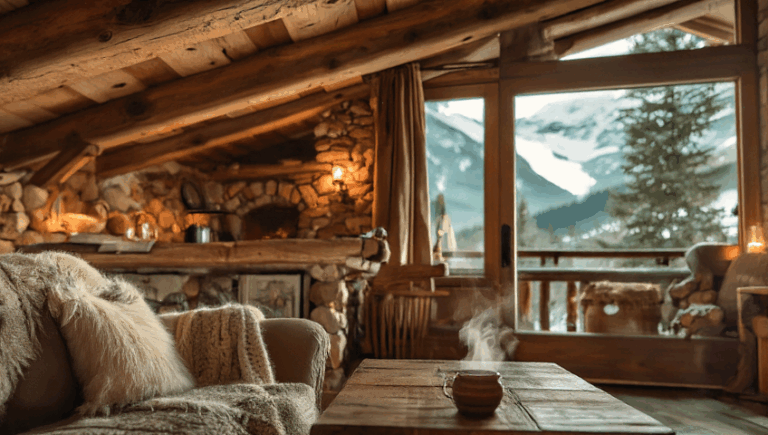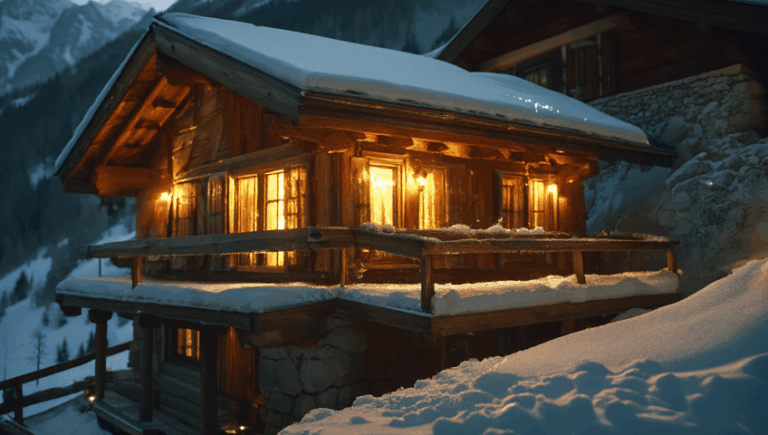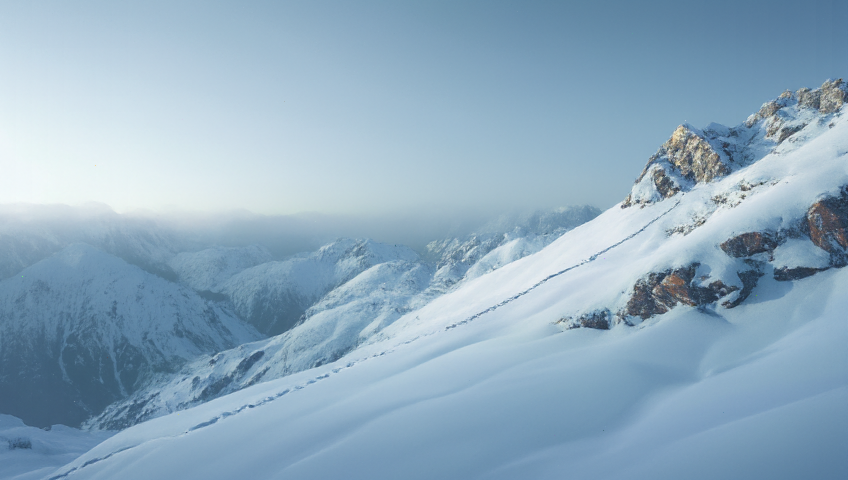
Perched at 2 771 m on the edge of the glacier‑kissed valley, the refuge d’Argentière is more than a simple mountain shelter – it is a living postcard of the massif du Mont‑Blanc. From its weather‑worn stone walls you can watch the Aiguille d’Argentière dominate the skyline while the aiguille verte glimmers in the early light. Whether you are a seasoned alpinist chasing the tour noir or a casual hiker looking for a memorable balade, the hut offers a blend of rugged authenticity and modest comfort that keeps travellers coming back year after year.
When the first snow of hiver settles on the faces nord and the glacier shimmers under a pale sun, the refuge transforms into a base camp for ski alpinism enthusiasts. In contrast, the warm afternoons of été invite families to relax on the sunny terrace, sip a glass of génépi and soak in breathtaking panoramas of the Mont Dolent and les droites. This guide walks you through everything you need to know – from access routes and reservation details to the best ski tours that skirt the grands montets and beyond.
Table of Contents
Discovering refuge d’Argentière and its Alpine Setting
The refuge d’Argentière was erected in 1933 by the Club alpin français to serve climbers tackling the surrounding peaks. Its location on the western flank of the glacier d’Argentière gives it a strategic position for both ascent and descent routes. Today, the hut remains a key stop on the classic haute route that links the French and Swiss sides of the massif du Mont-Blanc.
A short traversée from the hut leads to the iconic plan joran, a rocky plateau offering a spectacular view of the tour noir and the col du chardonnet. The area is a favourite for photographers; the photos taken at sunrise are often featured in the news sections of local alpinism magazines.
“When I first set foot in the refuge, the silence of the high mountain hit me like a wave. It reminded me why I chose alpinism over any city job.”
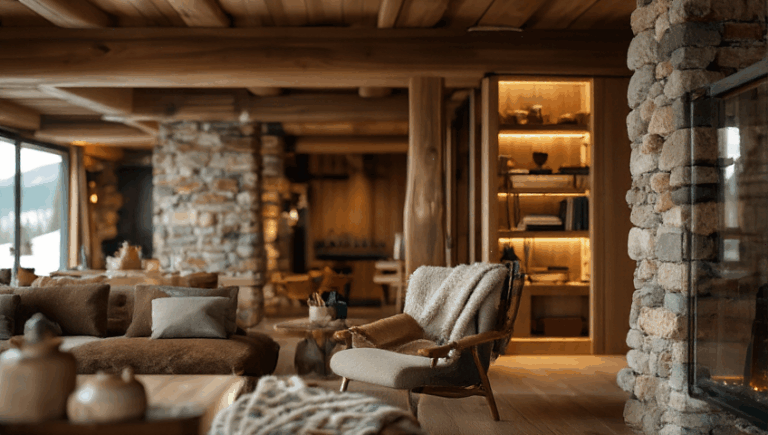
Beyond its historic charm, the refuge offers practical facilities: a shared dortoir with 34 couchages, a modest restaurant that serves classic cuisine savoyarde, and a small buvette where you can warm up with hot chocolate. The evenings are often filled with a low hum of conversation and the occasional rhyme from a travelling bard, adding a cultural layer to the otherwise stark alpine ambience.
Getting there: access, cable cars and the haute route
Reaching the refuge d’Argentière begins in the lively town of Chamonix. From the centre, hop on the cable car to Les Grands Montets – a ride that lasts about 15 minutes and offers a fantastic aerial view of the terrain glaciaire. In winter the lifts run until 4 pm, and a real‑time snow report is displayed on the base station screens.
After alighting at the Montets station, follow the well‑marked trail that leads past the telephérique service building and up the gentle slope known locally as “La Verte”. The path winds past a small café (the caf), where you can grab a quick bite before the final ascent. The total hike from the station to the hut is roughly 2.5 km with an elevation gain of 650 m.
- From Chamonix: take the cable car to Les Grands Montets.
- Walk past “La Verte” and the caf of the refuge.
- Continue 1 km along the ridge to the refuge d’Argentière.
For those preferring a more adventurous start, the classic haute route from the Lognan valley climbs the col du tour noir before descending to the hut via a steep glacier traverse. This route is typically attempted during the long saison of late spring, when the snow is still firm but the weather is milder.
Seasonal highlights: winter (hiver) vs summer (été) at the refuge
During hiver, the refuge becomes a hub for ski alpinism and ski de randonnée. The most coveted ski tours start from the hut and head towards the les droites and les courtes ridges of the aiguille verte. These descents are graded between 2 and 3, suitable for competent skiers who have experience with the glacier terrain.
Morning briefings are held in the dining hall, where the guide outlines the current weather forecast, avalanche risk, and the latest snow report. For those seeking a less demanding day, a gentle slalom around the grands montets offers spectacular views of the Mont Dolent and the surrounding peaks.
When été rolls in, the hut’s schedule shifts to accommodate hikers and climbers tackling the aiguille d’Argentière via the classic “Normal Route”. The ascent typically involves a short ascension of the lower glacier followed by a rock scramble along the faces nord. Those preferring a relaxed day can enjoy a stroll to the nearby le jardin, a small alpine meadow where wildflowers bloom and the distant minaret of the mountain stands like a sentinel.
Both seasons share a common thread: the hospitality of the staff. The owner, a retired mountain guide, often greets guests with a warm smile and a story about the hut’s early days, while the phone line stays open 24 hours for emergency calls.
Practical information: reservations, couchages and services
The refuge d’Argentière operates on a mixed gardiennage schedule. From mid‑June to early September the hut is ouvert and fully staffed, offering meals, hot drinks and a nightly tableau of the day’s weather. Outside these months, the refuge is available hors gardiennage; visitors must bring their own food and sleeping gear, and the number of places is limited to 30.
| Season | Bed Type | Number of couchages | Price (EUR) |
|---|---|---|---|
| Winter (Dec–Mar) | Mixed dormitory | 34 | 30 per night |
| Summer (Jun–Sep) | Mixed dormitory + private rooms | 38 | 25 per night |
| Off‑season (Oct–Nov, Apr–May) | Self‑catering | 30 | 15 per night (no gardiennage) |
Reservations can be made via the email [email protected], by calling the phone +33 4 50 53 12 34, or directly through the on‑site office when you arrive in Chamonix. The staff recommend booking at least two weeks in advance during the peak saison of July and August.
All guests are allocated a lit in the dormitory; additional lits are available on a first‑come, first‑served basis. For families, the refuge provides a small pension area with extra blankets and a child‑friendly menu.
The amenities include free wifi, a reliable mobile signal, and heated showers. A modest parking area is available near the cable‑car base station, and a small ski rack (part of the services) lets you store equipment safely.
What to bring
Even though the hut offers basic comforts, a well‑packed backpack makes the stay enjoyable. Here’s a quick checklist:
- Warm sleeping bag (rated for –10 °C).
- Sturdy hiking boots with crampon compatibility.
- Personal medication and a basic first‑aid kit.
- Reusable water bottle (water is available from the melted glacier).
- Headlamp with extra batteries.
Mountaineering opportunities: ski alpinism and classic ascents
The refuge d’Argentière serves as the launchpad for a variety of alpinism adventures. The most renowned is the ski alpinism circuit that circles the aiguille verte, dips into the glacier basin, and returns via the les courtes ridge. This circuit typically involves a 2‑hour ascension, a 3‑hour descent, and is best attempted when the weather forecast predicts clear skies and low wind.
For rock climbers, the “cabane trient” route on the north face of the aiguille d’Argentière offers a challenging mix of escalade and mixed climbing. The approach passes the window Saleina, a narrow notch that frames a spectacular view of the surrounding peaks.
Another classic is the col du tour noir traverse, a demanding high‑altitude crossing that links the refuge with the col du chardonnet. The route demands solid glacier travel skills, as you will navigate crevassed sections of the glacier d’Argentière. The final descente into the valley is often guided by the experienced guide stationed at the hut.
When the snow is abundant, the “tour noir” ski descent becomes a magnet for off‑piste enthusiasts from both Chamonix and Zermatt. The run is classed as moderate (grade 2) but requires awareness of avalanche conditions. The local club alpin français provides daily briefings and can arrange equipment rentals.
Regardless of the chosen route, the hut’s knowledgeable staff are always ready to advise on the best maps, suggest safe timings, and point out recent changes in the terrain after the spring melt.
Local flavours: cuisine savoyarde, buvette and community life
After a long day on the rocks or the snow, the communal dining area of the refuge d’Argentière comes alive with the aromas of melted cheese, fresh potatoes, and locally sourced charcuterie. The chef, a former ski instructor, prepares traditional dishes such as fondue savoyarde, raclette, and a hearty tartiflette, all paired with a glass of white wine from the nearby Savoie vineyards.
For a lighter bite, the buvette offers hot chocolate, herbal tea infused with génépi, and the ever‑popular “mountain pancake” topped with locally harvested berries. The evenings often feature a small tableau where guests share stories of their climbs, and the occasional acoustic session by a traveling musician.
The refuge’s restaurant also caters to dietary preferences; vegan and gluten‑free options are available upon request. All meals are served family‑style, encouraging interaction among travellers from different corners of the world – from Lognan trekkers to seasoned alpinists from Zermatt.
Frequent Asked Questions
What is the altitude of the refuge d’Argentière?
The refuge sits at 2 771 m above sea level, offering panoramic views of the surrounding peaks, including the aiguille d’Argentière and the mont blanc massif.
How many couchages are available during the summer season?
In the summer, the hut provides 38 couchages across the dormitory and a few private rooms. Reservations are advised due to high demand.
Can I stay at the refuge without a guardian on duty?
Yes, the refuge operates hors gardiennage during the off‑season (October‑November and April‑May). In this mode, you must bring your own food and a sleeping bag, and you will have access to the limited number of places available.
What is the best time for ski alpinism from the refuge?
The optimal period is from late December to early March, when the glacier conditions are stable and the snow report indicates good coverage on the grands montets and surrounding ridges.
How can I contact the refuge for a reservation?
You can email [email protected], call the phone number +33 4 50 53 12 34, or use the on‑site office in Chamonix during opening hours.
Is there Wi‑Fi and mobile signal at the refuge?
The hut offers free wifi in the communal area and a reliable mobile signal for most major carriers, making it easy to stay connected even at high altitude.
What services are provided for hikers and climbers?
The refuge supplies heated showers, a small parking area near the cable‑car base, a guide service for route planning, and a stocked buvette with hot drinks and snacks.
Why refuge d’Argentière remains a must‑visit
From the practical to the poetic, the refuge d’Argentière stands out for its unrivalled location, its rich history, and its welcoming atmosphere. Whether you are drawn by the challenge of the tour noir descent, the serenity of a sunset over the glacier, or simply the chance to savour a steaming bowl of raclette at 2 800 m, the hut delivers an experience that lingers long after you descend the mountain.
So, pack your boots, check the weather forecast and the latest snow report, and consider a stay at this iconic refuge. The mountains are calling, and the door of the refuge d’Argentière is always ouvert for those ready to answer.