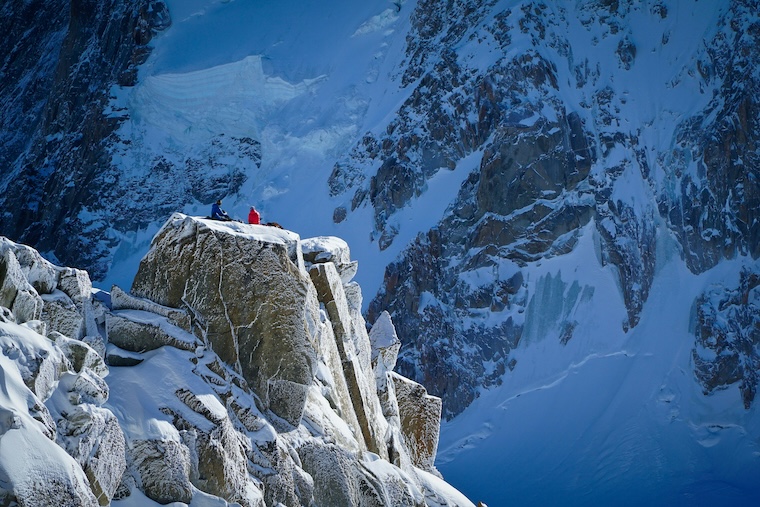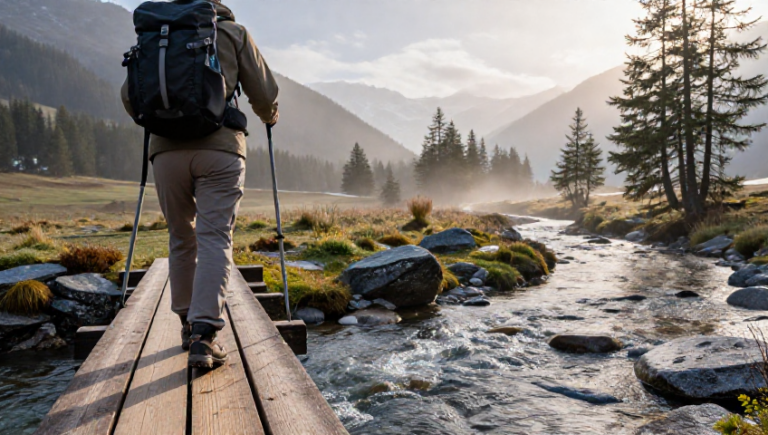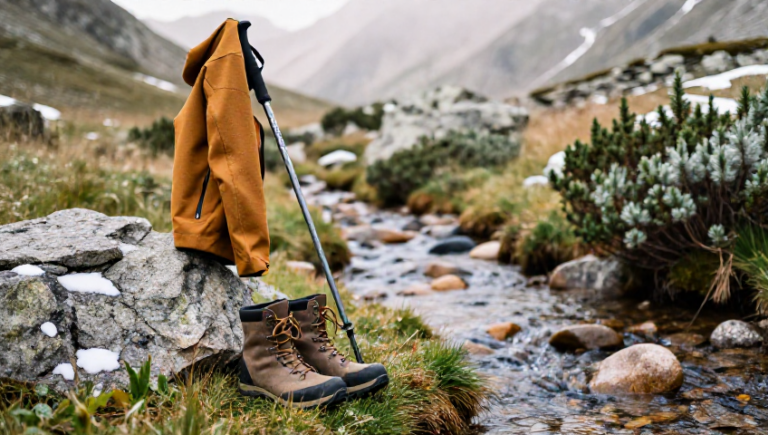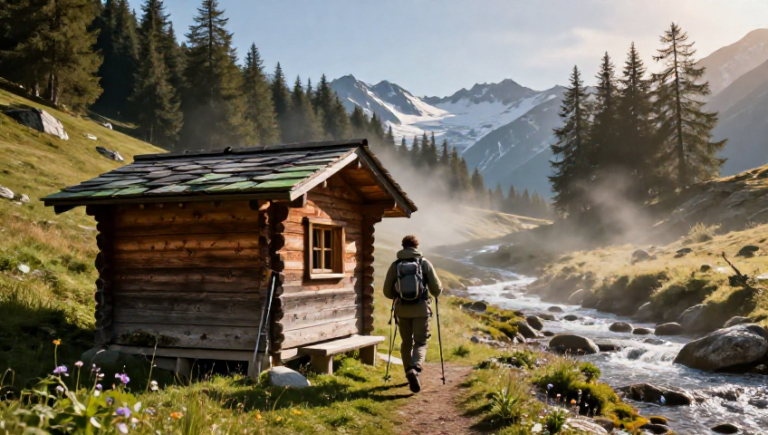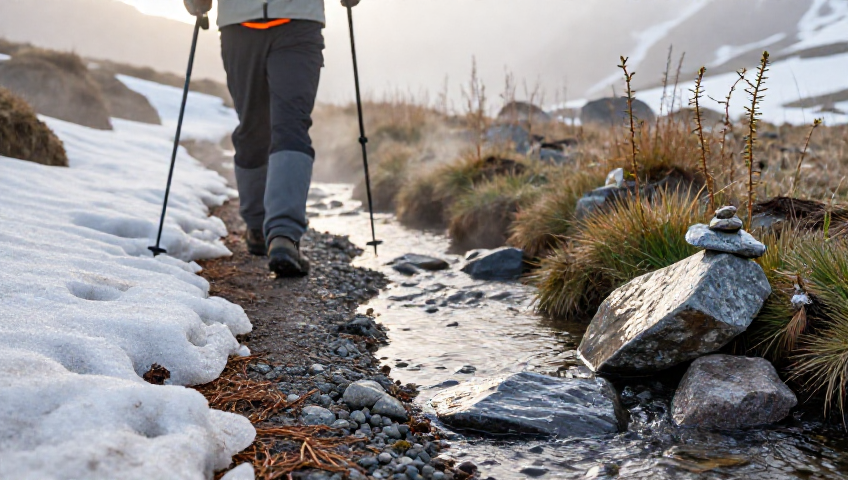
May in the French Alps feels like a quiet promise – the snowfields are still whispering, yet the valleys are already flirting with the first summer breezes. When you ask yourself chamonix may weather, you’re really wondering whether the days will be crisp enough for a mountain trek and warm enough for a riverside café. In practice the month straddles two worlds: lingering high‑altitude chill, occasional fresh powder, and sun‑kissed meadows that blossom below 2,000 m. The result is a palette of conditions that can shift from a gentle drizzle at sunrise to bright, dry sunshine by noon, especially on the south‑facing slopes.
For travellers who love a bit of unpredictability, May offers the best of both: the chance to ski on the Mont Blanc Glacier early in the month, then swap boots for hiking shoes as the snowline recedes. It’s the perfect time to test out a lightweight jacket, sample local cheese fondue beside a bubbling stream, and still feel the mountain’s breath on your face. Below you’ll find everything you need to plan a fluid, enjoyable stay – from temperature charts to packing hacks, from trail safety tips to the hidden festivals that pepper the valley.
Table of Contents
Typical Temperature Ranges in May
The first thing most visitors check is the thermometer. In Chamonix, May temperatures are notoriously variable, but they follow a fairly predictable pattern. At valley level (around 1,000 m), daytime highs usually sit between 12 °C and 18 °C, while nights can dip to 5 °C or lower. As you climb, the air thins and drops about 6 °C per 1,000 m, so on the Aiguille du Midi you’ll still be wearing a light down jacket even at noon.
Here’s a quick snapshot:
- Altitude 0‑500 m: 13‑19 °C day / 6‑9 °C night
- Altitude 500‑1,000 m: 12‑18 °C day / 5‑8 °C night
- Altitude 1,000‑2,000 m: 9‑15 °C day / 2‑5 °C night
- Above 2,000 m: 5‑10 °C day / –2‑2 °C night
What does this mean for your wardrobe? Layering becomes your best ally. A base‑layer of merino wool, an insulating fleece, and a waterproof shell will keep you comfortable whether you’re on a sunny ridge or caught in an unexpected May shower.
Day vs. Night: Managing the Temperature Swing
Even though daylight hours stretch to nearly 15 hours by late May, temperatures still cool quickly after the sun goes down. A practical tip we learned on a recent trek: carry a compact down vest in your daypack. It adds barely any weight, but when the temperature slips below 8 °C it feels like a hug. Likewise, a reusable hand‑warmer can be a lifesaver while waiting for the cable car at high altitude.
Sunshine, Rainfall and Snow: What to Expect
May in Chamonix enjoys a decent amount of sunshine – on average 6‑7 hours per day – yet it’s also the month when the Alpine weather system can be a bit mischievous. Rainfall totals around 55 mm, often arriving as brief, intense showers that clear up just as fast as they appear. Snow isn’t unheard of either; the glacier and the higher passes can retain fresh powder well into the third week.
| Metric | Average | Typical Range |
|---|---|---|
| Sunshine hours (per day) | 6.5 | 5‑8 |
| Precipitation (mm) | 55 | 30‑80 |
| Snowfall (cm) | 5 | 0‑12 |
Because the weather can swing, we recommend checking the local forecast each morning. The meteotest app (available for iOS and Android) provides hyper‑local, hour‑by‑hour updates for the Chamonix valley, and it’s free.
Micro‑climates on the Valley Floor
The valley floor often experiences a warmer micro‑climate thanks to the sunny exposure of the River Arve. By contrast, the northern slopes of the Aiguilles Rouges can stay misty and cooler. If you’re planning a photography session, aim for the gold‑hour on the south‑facing terraces – the light is magical and the temperature is usually at its most pleasant.
Best Outdoor Activities Under May Skies
May is a transitional playground for outdoor lovers. Here’s how you can make the most of each activity while staying attuned to the weather.
- Hiking: Trails like the Grand Balcon Nord burst into wildflower colour by mid‑May. Expect moderate climbs, occasional stream crossings, and in the early weeks, lingering snow patches at higher elevations.
- Mountain Biking: The valley’s bike park reopens in late May, offering flowy descents once the snow has melted from the lower slopes. Bring a full‑suspension bike if you plan to tackle the rugged forest tracks.
- Early‑Season Skiing: The Glacier du Tacul and the Aiguille du Midi are still skiable, especially on the first Saturday of the month. Pack a pair of short‑ski boots – they’re lighter and easier to transition to hiking later in the day.
- Paragliding: Clear afternoons provide steady thermals, perfect for both beginners and seasoned pilots. Local schools like Parapente Chamonix offer tandem flights that last around 20 minutes.
- Alpine Climbing: For the bold, the Bossons Glacier offers ice climbing routes that are still viable in early May. However, conditions can change quickly, so a certified guide is advisable.
One anecdote: a fellow traveller I met on the Tour du Mont Blanc told me he started the first day with a ski tour, then by sunset he was sipping a local honey‑wine at a mountain hut. That fluid shift between snow and summit is precisely what makes May in Chamonix so memorable.
Timing Your Adventures
Morning is usually the driest period, making it ideal for high‑altitude activities that require clear visibility. Afternoon showers are common, so schedule indoor or low‑risk pursuits (like exploring the town centre) after 14:00.
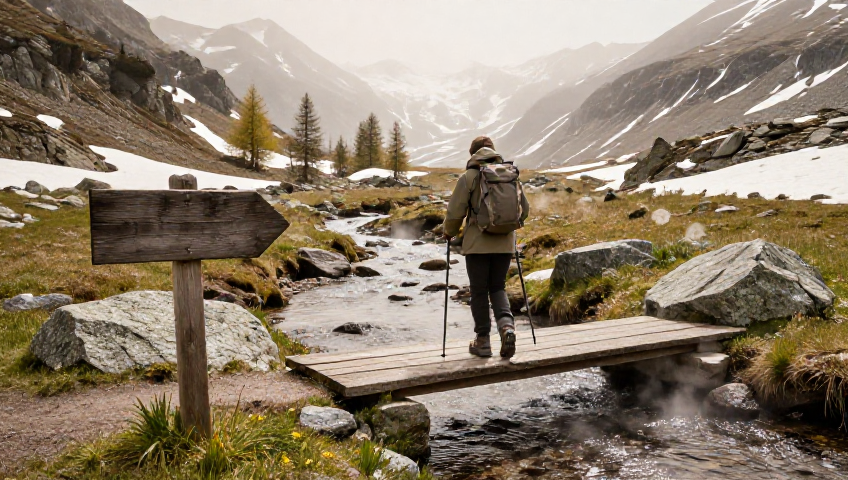
Packing Essentials for Chamonix in May
Getting the right gear can mean the difference between an unforgettable experience and a chilly disappointment. Below is a checklist that balances warmth, waterproofing, and lightweight travel.
- Waterproof shell jacket (Breathable Gore‑Tex or equivalent)
- Insulating fleece or down vest (Packable, 600‑800 fill)
- Merino wool base layers (Top and bottom)
- Convertible trekking pants (Zip‑off legs for variable temps)
- Sturdy hiking boots with good ankle support and crampon compatibility
- Gloves – lightweight waterproof for day use, insulated mittens for higher elevations
- Sun protection – UV‑blocking sunglasses, hat, and SPF 30+ sunscreen
- Reusable water bottle with insulation (Stay warm in cooler mornings)
- Compact first‑aid kit (including blister plasters)
- Camera or smartphone with extra battery (Cold drains power fast)
- Optional: Light snow‑shoes or microspikes for early‑month glacier access
Don’t forget a small daypack (15‑20 L) that can hold a rain jacket, snack, and a map. If you’re planning to take the cable car up to the Aiguille du Midi, a compact rain cover for your backpack is a lifesaver.
Local Events and Cultural Highlights in Early Summer
May isn’t just about nature’s show; the valley’s cultural calendar starts humming as soon as the snow retreats. Here are a few events that can enrich your stay.
- Fête de la Montagne (first weekend of May) – A celebration of Alpine heritage with traditional music, cheese‑making demonstrations, and a torch‑lit hike that ends at the town square.
- Chamonix Marathon – Mountain Edition (mid‑May) – Runners tackle a 42 km route that runs from the valley floor to the glacier’s edge. Even if you’re not participating, the atmosphere is electric.
- Artisan Market (every Saturday) – Local craftsmen showcase wooden sculptures, wool blankets, and hand‑crafted jewellery. Perfect for picking up a souvenir.
- Evening Jazz Sessions at the Le Bistrot – Warm evenings often feature live jazz, creating a cozy backdrop for a glass of vin chaud.
One of my favourite moments was watching a local shepherd demonstrate “transhumance” – the seasonal movement of livestock – during the Fête de la Montagne. The sight of yaks and mountain goats descending the alpine pastures under a bright May sky is both nostalgic and awe‑inspiring.
How to Navigate the Valley’s Trails Safely
Safety is a thread that runs through every May adventure. The mix of residual snow, melting streams, and sudden thunderstorms demands a proactive approach.
Key safety tips:
- Carry a lightweight map and a charged GPS device; cell coverage can be patchy above 1,800 m.
- Check the avalanche bulletin each morning, even if you plan to stay below the snowline – lower‑elevation slides can still propagate.
- Stay hydrated; the dry Alpine air can cause dehydration faster than you expect.
- When crossing streams, use a trekking pole for stability and wear quick‑dry socks.
- Never hike alone after dark. If you must stay out late, use a headlamp with a red filter to preserve night vision.
A quick anecdote: during a recent hike on the Col des Montets, a sudden thunderstorm forced my party to seek shelter under a rocky outcrop. The rain was heavy, but the wind was calm – a classic May pattern that reminded us why a waterproof jacket is non‑negotiable.
Frequent Asked Questions
What is the average daily temperature in Chamonix during May?
At the town centre (around 1,050 m), daytime highs usually range from 12 °C to 18 °C, while night‑time lows hover between 5 °C and 8 °C. Higher elevations can be considerably colder, often staying below 10 °C even at noon.
Is it still possible to ski in May?
Yes, especially on the Mont Blanc Glacier and the Aiguille du Midi. Early May still holds enough high‑altitude snow for ski touring, though conditions can be icy. It’s advisable to bring a pair of short‑ski boots for easier transition to hiking later.
Do I need a special permit for hiking the high mountain paths?
Most marked trails in the valley are free to access. However, some high‑altitude routes that cross the glacier require a certified guide, particularly if you plan to cross crevassed areas. Check with the local tourist office for up‑to‑date regulations.
What clothing layers work best for the variable May weather?
We recommend a three‑layer system: a moisture‑wicking base (merino wool), an insulating mid‑layer (fleece or down), and a waterproof breathable outer shell. Add a lightweight down vest for evenings and a pair of insulated gloves for higher elevations.
Are there any festivals or events worth timing my visit for?
The Fête de la Montagne (first weekend) and the Chamonix Marathon – Mountain Edition (mid‑May) are two highlights. Both showcase local culture, cuisine, and the active spirit of the community.
What is the typical amount of sunshine I can expect?
May enjoys about 6‑7 hours of sunshine per day on average. The sun tends to rise early, offering a bright start, but brief afternoon showers are common, so be ready for rapid changes.
Embracing the Alpine Spring: Final Thoughts
May in Chamonix is a blend of lingering winter whispers and the first confident breaths of summer. By understanding the chamonix may weather patterns – the temperature swings, the sunshine bursts, the occasional snow – you can tailor your itinerary to the very rhythm of the mountains. Pack smart, stay flexible, and let the valley’s festivals and natural spectacles guide you. Whether you’re carving fresh powder on a glacier or strolling through a blossom‑lined street café, the season rewards curiosity and preparation.
So, when you step onto the Mont Blanc trail this May, remember that every cloud, every gust of wind, is part of the story you’ll carry home. And who knows? The next time you hear “May weather” you might picture not just a forecast, but the vivid tapestry of experiences that only Chamonix can offer.