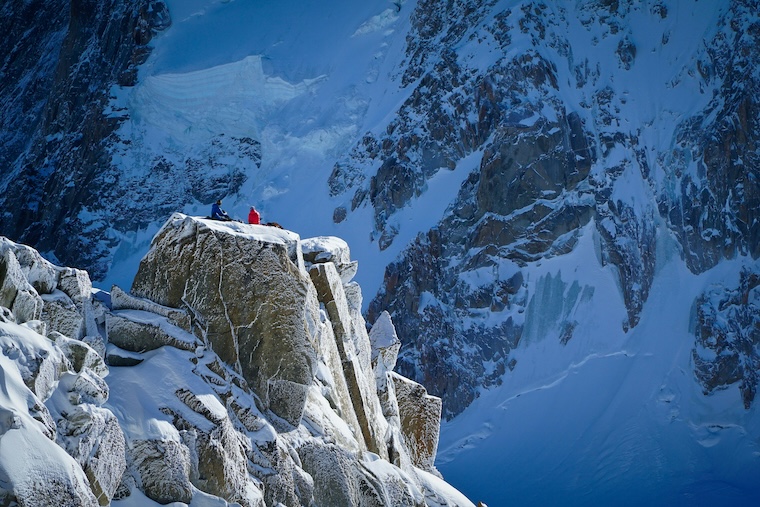
When February rolls in, the Mont Blanc massif dons its white blanket and the valley of Chamonix turns into a high‑altitude playground. The air is sharp, the sun glints off freshly fallen powder, and the ski lifts hum with eager crowds. In this sweet spot between deep winter and the first hints of spring, chamonix february weather offers a blend of reliable snowfall, brisk daytime highs and chilling night lows that make outdoor pursuits both thrilling and demanding. Whether you’re a seasoned freerider, a family looking for gentle sledding, or just a curious traveller hoping to snap that iconic Alpine sunrise, understanding the climate nuances can turn a good trip into a great one.
In the pages that follow I’ll unpack the numbers behind the snow, share practical packing tips, and highlight the cultural pulse that beats through the valley in mid‑winter. Expect a mix of hard data, personal anecdotes from my own February visit, and a handful of alerts that can save you from a frosty surprise. Let’s dive straight into the heart of the mountain, where the weather writes the itinerary.
Table of Contents
The climate profile: numbers behind the snow
Chamonix sits at roughly 1,000 m in the town centre, but the ski domain stretches up to 3,800 m on the Aiguille du Midi. This altitude range creates a vertical climate gradient that is crucial for snow reliability. In February the valley averages 30 mm of precipitation, almost all of it as snow, while the high‑altitude bowls receive up to 50 mm.
Average temperatures and daylight hours
Daytime highs hover around –2 °C (28 °F) in the town and climb to +3 °C (37 °F) on the glacier. Nights plunge to –10 °C (14 °F) at lower levels, reaching –15 °C (5 °F) above 2,500 m. The sun shines for about 9 hours a day, giving a respectable daylight window for back‑country adventures.
Snowfall patterns and wind
The prevailing westerly winds funnel cold air up the valley, often intensifying snow crystals into light, dry powder by early afternoon. However, occasional “whiteouts” can develop when the wind exceeds 30 km/h, especially on exposed ridges. A quick look at the snowfall chart from the local weather office shows a spike around the 14th of February, a period many guides label the “prime powder window”.
“February is the month where the snowpack is deep enough for off‑piste, yet the avalanche risk remains manageable if you respect the daily bulletin.”
How February weather shapes outdoor activities
The cold‑crisp conditions turn Chamonix into a multi‑sport hub. Below I outline the most popular pursuits and how the typical February climate influences them.
Skiing and snowboarding
Because the snow is still fresh and the temperatures are stable, ski conditions are often described as “classic Alpine”. The lower slopes (Les Houches, Brévent) enjoy a sunny “ski‑in‑ski‑out” experience, while the higher zones (Grand Morzine, Balme) offer long, uninterrupted runs on powder. The key tip? Aim for early morning lifts to catch the firm, glistening crust before the sun softens it around 11 am.
Winter hiking and ice climbing
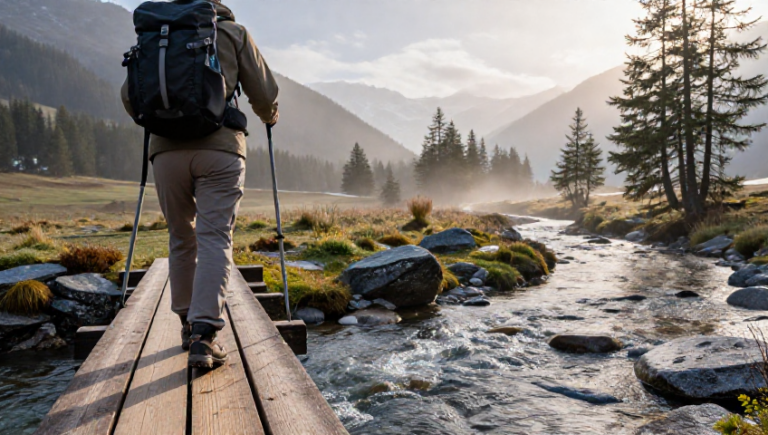
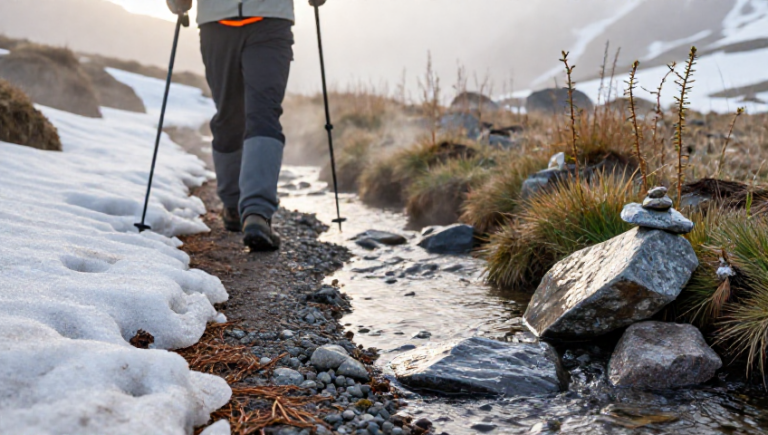
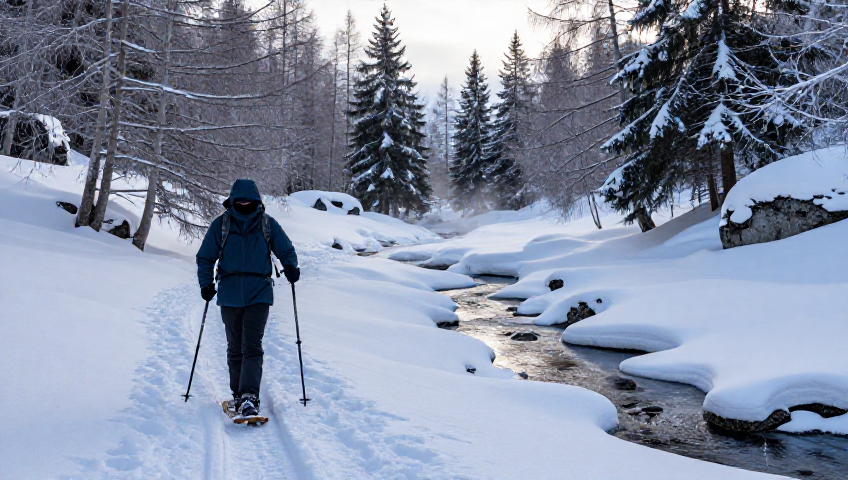
For those who prefer boots to boards, the February canyons and frozen waterfalls are spectacular. Trails like the Grand Balcon Nord stay clear of deep snow due to the steepness, but the temperature swing (day/night) creates a firm surface perfect for crampon‑free trekking. Ice climbers flock to the frozen cascade at the Aiguille du Midi during the first week of February, when the water flow is consistent and the walls are at a safe –8 °C.
- Recommended equipment: insulated jacket, wind‑proof shell, thermal base layers.
- Safety note: always check the avalanche forecast before venturing off‑piste.
Packing smart: gear recommendations for February
Winter gear can feel like a heavyweight investment, but the right pieces keep you comfortable and safe without breaking the bank. Here’s my go‑to checklist, honed over three February trips.
- Thermal base layers – merino wool tops and leggings; they regulate temperature and wick moisture.
- Mid‑layer fleece or down jacket – a 5‑inch synthetic puffer works well for windy afternoons.
- Waterproof, breathable outer shell – Gore‑Tex or equivalent to fend off snow spray from the lifts.
- Gloves with removable liners – essential for switching from skiing to a warm café break.
- Balaclava and neck gaiter – protect face from biting wind while still allowing breathability.
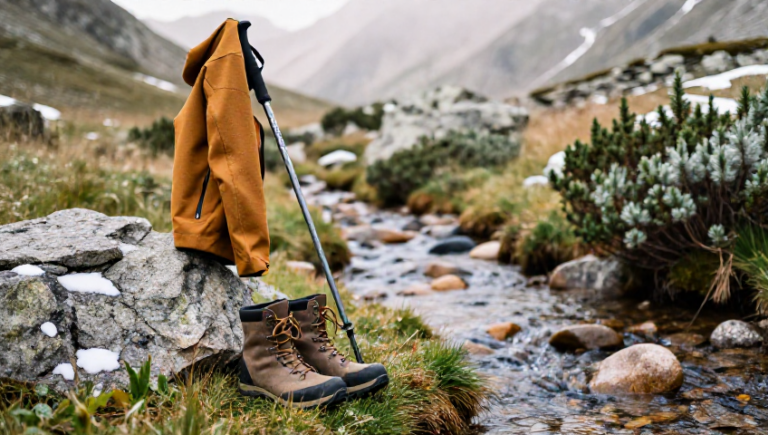
- Sturdy, insulated boots with a rubber sole – necessary for both ski boot wear and mountaineering boots.
- Sunglasses or goggles with low‑light lenses – February sun can be deceptively bright on snow.
Pro tip: pack a compact hand warmers pack; they’re a lifesaver on long days on the glacier when the wind picks up.
Travel logistics: getting around when the weather is fierce
The valley’s transport network is robust, yet winter storms can cause delays. Below is a quick reference table that shows the typical reliability of each option during February.
| Transport mode | Typical delay (minutes) | Best for |
|---|---|---|
| Local bus (C40) | 5‑10 | Town centre to ski lifts |
| Train Mont-Blanc Express | 10‑20 | Connections to Saint‑Gervais and Saint‑Claude |
| Taxi / rideshare | 15‑30 (weather‑dependent) | Late‑night returns or luggage‑heavy trips |
In my own experience, the early‑morning bus runs were often on time, but a sudden blizzard on the 22nd forced the train to pause at Saint‑Gervais for an hour. A good rule of thumb: always have a backup plan and keep a charged phone for real‑time updates.
Local experiences: festivals and events in mid‑winter
February isn’t just about the outdoors; the valley’s cultural calendar adds a warm splash of community spirit. The Chamonix International Snow Festival runs from the 10th to the 18th, featuring night‑time torchlight descents, lava‑lamp ski races, and a pop‑up market selling local cheese and mulled wine.
Another highlight is the “Winter Marathon” on the 25th, a 42 km trail race that starts in the town, climbs to the Aiguille du Midi, and finishes back at the base. Even if you’re not competing, the atmosphere is electrifying, with spectators bundled up in colourful scarves cheering from the sidelines.
- Tip: Grab a ticket for the evening “Après‑Ski Concert” on the 14th – local folk bands perform inside the historic Alpine Club.
- Note: Some events may be postponed if a sudden snowstorm hits, so keep an eye on the official Chamonix Vibes calendar.
Frequent Asked Questions
What temperature should I expect on the ski slopes?
On the slopes above 2,500 m the daytime temperature typically ranges from –2 °C to +2 °C. At lower altitudes, especially around the town, you’ll see temperatures around –5 °C in the morning and possibly dipping to –12 °C after dark.
Is February a good month for beginners?
Yes. The snow is usually soft enough for easy learning, and the lift queues are shorter than peak holiday weeks. Many ski schools run special “first‑run” packages that include a warm beverage and a guided walk on the beginner area.
How reliable is public transport during a snowstorm?
Public transport in Chamonix is generally reliable, but heavy snowfall can cause minor delays (5‑20 minutes). Trains may be held at Saint‑Gervais for safety checks, while buses usually keep to their schedule thanks to snow‑cleared roads.
Do I need a special insurance for February activities?
While routine ski lift tickets are covered by standard travel insurance, off‑piste skiing, ice climbing, and high‑altitude hiking often require additional avalanche or adventure sports coverage. Always read the policy fine print.
When is the best time of day for photography?
The golden hour between 8 am and 10 am provides soft illumination on the peaks, while late afternoon (around 4 pm) yields dramatic shadows. February’s crisp air often makes distant vistas unusually clear, perfect for landscape shots.
Embrace the frost: your February Chamonix adventure awaits
From the crunch of fresh powder under your boots to the cozy glow of a mountain chalet after a long day, chamonix february weather delivers a uniquely balanced winter experience. By respecting the climate’s rhythm—early lifts, layered clothing, and staying informed about avalanche risk—you’ll unlock the valley’s full potential.
So pack that insulated jacket, check the forecast, and let the Alpine air fill your lungs. Whether you’re carving tracks down the Brévent or sipping a hot chocolate while watching the sunrise over Mont Blanc, February in Chamonix promises memories that sparkle as brightly as the snow itself.