When the calendar flips to the first month of the year, the majestic peaks surrounding Chamonix pull on a blanket of fresh white, and the chamonix january weather becomes the main character of any winter itinerary. From the brisk, crystal‑clear mornings that make breath visible to the soft, powder‑laden evenings perfect for a fireside glass of vin chaud, January offers a kaleidoscope of conditions that can turn a simple ski sortie into an unforgettable Alpine story. Whether you’re a seasoned snow‑seeker, a photographer chasing the perfect sunrise over Mont Blanc, or a family looking for a cozy mountain escape, understanding the nuances of this month’s climate is the first step toward making the most of the season.
In the valley, the weather can swing from fierce gusts that shape the snowpack to gentle, sun‑kissed afternoons that coax the glaciers into a slow, shimmering melt. The balance of cold and light, snow and sunshine, shapes not only the slopes but also the rhythm of cafés, lift operations, and even the mood of the locals. Below we unpack the data, the daily realities, and the little stories that bring the numbers to life, giving you a practical yet vivid guide to navigating Chamonix in the heart of winter.
Table of Contents
Understanding the Climate: Temperature and Snowfall
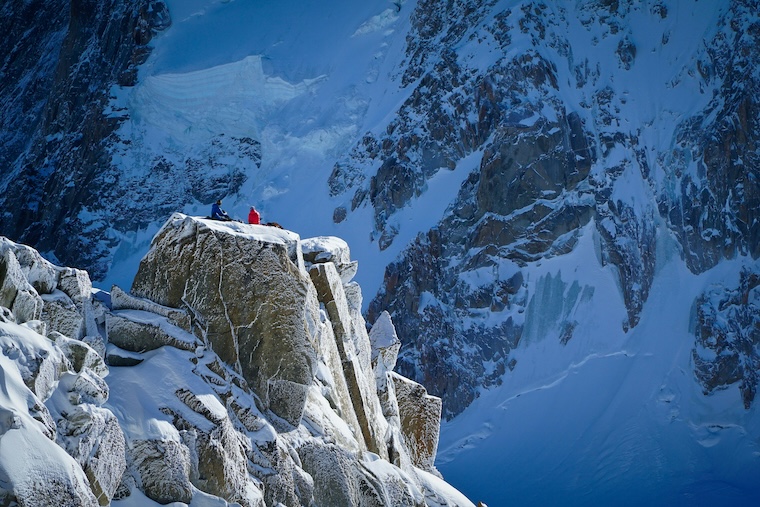
January sits squarely in the coldest part of the year for Chamonix, but the valley’s micro‑climates mean you’ll encounter a range of temperatures depending on altitude and exposure. At the town centre, daytime highs hover around -2°C to 3°C (28°F to 37°F), while night‑time lows often dip below -6°C (21°F). Higher up on the slopes, especially around the Aiguille du Midi, temperatures can plunge to -15°C or lower, turning the air into a frosty lace that clings to every surface.
Snowfall is the lifeblood of the season. Historically, January brings an average of 40‑50 cm (16‑20 inches) of new snow across the valley, with the higher altitude zones receiving even more. The snowpack is usually a dry, powdery type, ideal for off‑piste adventures but also demanding a keen eye for avalanche risk. The consistency of the snow often shifts after a sunny spell, creating a crust that can be a surprise for the unwary.
Average temperatures in January
| Altitude | Daytime Avg (°C) | Nighttime Avg (°C) |
|---|---|---|
| Town centre (1,040 m) | 1 °C | -5 °C |
| Mid‑mountain (1,500 m) | -2 °C | -9 °C |
| High altitude (2,000 m+) | -6 °C | -13 °C |
The table illustrates the quick drop in temperature as you ascend – a reminder that layering is non‑negotiable. A light base, an insulating mid‑layer, and a waterproof outer shell will keep you comfortable whether you’re sipping coffee in the town square or tackling the Vallée Blanche.
Snow depth and precipitation patterns
- Early January: Fresh powder from mid‑month storms, often 15‑20 cm in a single day.
- Mid‑month: Stabilisation of the snowpack; crust formation after sunny periods.
- Late January: Increased risk of wind‑packed snow on exposed ridges, making safety briefings essential.
Local guides often note that the most reliable snow for ski touring arrives during the first two weeks, when the Atlantic jet stream feeds moisture into the Alps. By the end of the month, the sun’s higher angle can melt the surface crust, creating a slushy base that can be tricky for beginners.
Daylight Hours and What They Mean for Your Day
One of the most striking aspects of a Chamonix winter is the dance between long, blue‑grey mornings and the sudden, golden twilight that arrives before 5 p.m. In January, the valley enjoys roughly 8‑9 hours of daylight, with sunrise around 08:20 and sunset near 16:45. This limited window forces a certain efficiency on outdoor plans but also means that any activity is bathed in soft, low‑angle light – a photographer’s dream.
Because the sun stays low on the horizon, shadows stretch long across the pistes, accentuating the contours of the terrain. Skiers and snowboarders often find that early morning runs feel more “alive” as the fresh snow reflects the first light, while late afternoon sessions are perfect for spotting icy patches that turn under the waning sun.
Sunrise and sunset times
| Date | Sunrise | Sunset |
|---|---|---|
| 1 January | 08:21 | 16:45 |
| 15 January | 08:19 | 16:48 |
| 31 January | 08:16 | 16:52 |
The shift is subtle but enough that many chalet owners adjust heating schedules to match the daylight, and lift operators often extend operations by a half‑hour in the evening during clear days to capture that magical “blue hour”.
Best Outdoor Activities in Chamonix During January
January’s weather isn’t just about staying warm; it’s a playground for a host of Alpine pursuits. The snow depth, combined with reliable lift service, makes the valley a magnet for both classic and off‑the‑beaten‑track adventures.
- Skiing & Snowboarding: From the well‑groomed runs of Les Grands Montets to the high‑altitude freedom of the Vallée Blanche, every skill level finds a home.
- Ice Climbing: The frozen waterfalls of the Mer de Glace provide challenging routes for seasoned climbers.
- Snowshoeing: Quiet trails around the Aiguilles Rouges offer panoramic views without the crowds.
- Paragliding: Clear skies and spectacular thermal currents make for unforgettable tandem flights.
- Winter Hiking: Marked paths are safe and offer breathtaking vistas of Mont Blanc dusted in snow.
One anecdote that surfaces often among locals is the story of a small group of friends who, after a sudden snowstorm on 12 January, decided to attempt a night ski on the nearby glacier. Equipped with headlamps and a portable heater, they descended under a canopy of stars, later describing the experience as “pure Alpine magic, the silence broken only by the soft swish of their skis”.
Practical Tips for Staying Warm and Safe
Winter in Chamonix can be exhilarating, but the cold is relentless. Proper preparation is the difference between a day on the slopes and an unexpected night in a mountain hut.
- Layer wisely: Use a moisture‑wicking base, a fleece or down mid‑layer, and a wind‑proof outer shell.
- Hydrate: The dry air can dehydrate you faster than a summer hike; carry a insulated bottle.
- Protect extremities: Insulated gloves, a balaclava, and heated socks can stave off frostbite.
- Check avalanche forecasts: The Bulletin d’Avalanche is published daily; always carry a beacon, probe, and shovel if venturing off‑piste.
- Know the lift schedules: Some lifts close early due to wind; plan return trips accordingly.
It’s also worth noting that many restaurants and cafés in Chamonix offer “cold‑room” seating – areas where the indoor temperature is deliberately kept cooler to preserve the winter ambiance. A quick tip: order a hot chocolate and sit near the fire for a quick warm‑up between runs.
Where to Stay: Accommodations Tailored for Winter
From luxury chalets with private hot tubs to budget hostels that bake fresh croissants each morning, Chamonix’s hospitality sector adapts to the needs of winter travellers. Booking a place with direct access to the slopes (ski‑in/ski‑out) can shave precious minutes off your day, especially when daylight wanes early.
| Type | Typical Price (per night) | Key Features |
|---|---|---|
| Luxury chalet | €350‑€600 | Private sauna, heated floors, ski storage |
| Mid‑range hotel | €120‑€200 | Breakfast buffet, shuttle to lifts |
| Apartment rental | €80‑€150 | Kitchenette, central location |
| Hostel/Youth hotel | €40‑€70 | Shared kitchen, social lounge |
For families, many apartments offer child‑proofed rooms and easy access to the cable car that whisks you up to the ski schools. Solo travellers often gravitate toward hostels, where communal dining encourages sharing stories about the day’s best runs.
Frequent Asked Questions
What temperature should I expect on the ski lifts?
Lift cabins are heated, but the temperature usually stays around 5‑10°C. Dress in layers you can easily remove once you step onto the slopes.
Is it safe to ski off‑piste in January?
Off‑piste can be spectacular, but January’s snow can be unstable after recent storms. Always check the daily avalanche bulletin, travel with a partner, and carry proper safety equipment.
Do I need a special ski pass for January?
The standard season pass covers all lifts. However, some resorts offer a “Winter Night Pass” for extended evening hours, useful if you want to ski under the lights.
Are there any indoor activities for a rainy day?
Yes – the Mer de Glace ice cave, the Alpine Museum, and several indoor climbing walls provide excellent alternatives when the weather turns wet.
Can I rent equipment locally, or should I bring my own?
Most rental shops are fully stocked for January, offering everything from classic skis to the latest wide‑profile snowboards. Booking online ahead of time often secures a discount.
Wrapping Up Your January Alpine Adventure
When the month draws to a close, the memory of crisp mornings, powdery tracks, and the occasional burst of sunshine will linger long after you’ve left the valley. The chamonix january weather delivers a blend of challenge and charm that can turn even a short stay into a story worth retelling – whether you’re recounting a perfect line down the Aiguille du Midi or the simple pleasure of watching the first snowflake drift onto the town’s historic church square.
Armed with the climate data, activity ideas, and practical tips provided here, you’re ready to tailor your itinerary to the rhythm of the mountains. So pack your layers, charge your camera, and step out into the January light – the Alps are waiting, and they have a winter tale to share with anyone willing to listen.