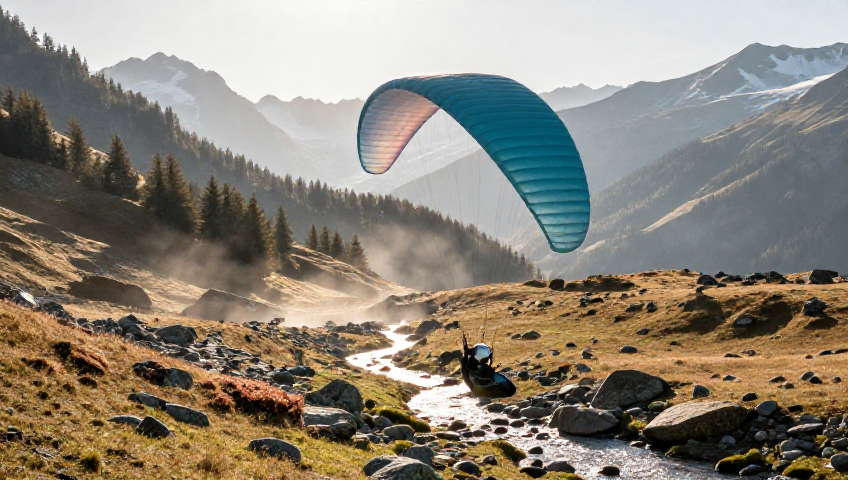
Riding the thermals above the Chamonix valley is a feeling that sticks with you long after the ground rushes back beneath your feet. The combination of crisp alpine air, the towering silhouette of Mont Blanc, and a network of perfectly‑placed take‑off areas makes paragliding in Chamonix a magnet for adventure seekers worldwide. Whether you’re a first‑timer looking for a safe tandem flight, a seasoned pilot eager to chase solo routes, or a speed‑rider craving the rush of a downhill glide, the region offers everything a wing‑lover could wish for – all wrapped in the charm of a historic mountain town.
Table of Contents
Why Chamonix is a Paragliding Paradise
Chamonix sits at the foot of Mont Blanc, the highest peak in Western Europe, which creates a natural amphitheatre of launch points. The valley’s orientation channels the Levant wind, delivering consistent lift from early spring to late autumn. This reliable airflow is why the paragliding community ranks Chamonix alongside the world’s elite sites.
Geography and Mont Blanc backdrop
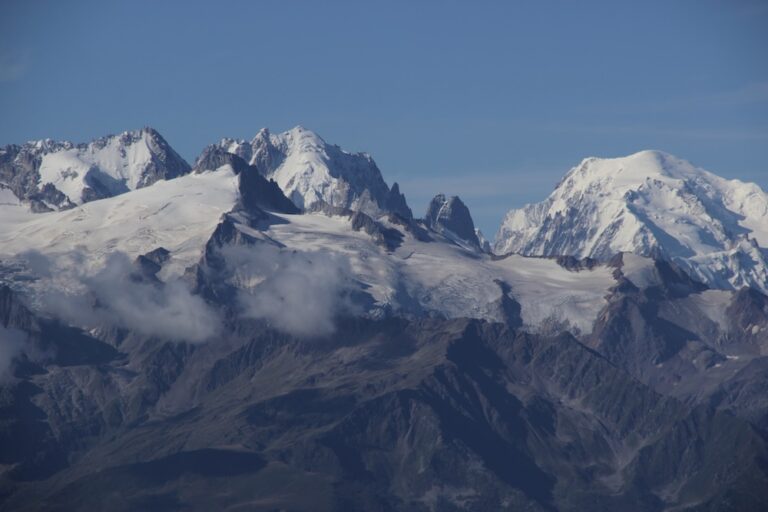
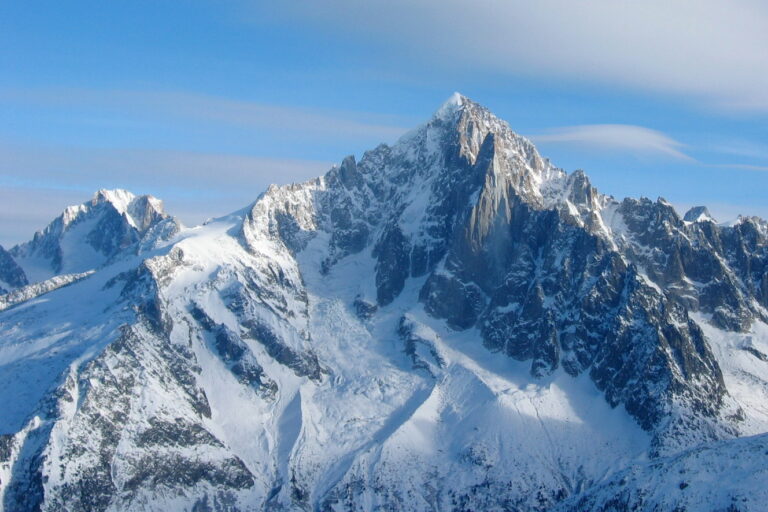
The sheer walls of Mont Blanc not only provide visual drama but also influence the mountain wave systems that pilots love. From the high plateau of Planpraz (2,000 m) to the dramatic cliffs of Aiguille du Midi, each launch point frames the summit in a different light, turning every flight into a moving postcard.
Weather and wind patterns
Local meteorologists publish a detailed cable car schedule that doubles as a wind‑forecast tool. On clear days, the valley experiences a gentle southerly breeze that lifts the wing within seconds of take‑off. In contrast, the early mornings can bring stronger thermals – perfect for those who crave a little extra altitude gain before gliding eastward.
Getting Started: Schools, Instructors and Safety
Whether you opt for a tandem session or enrol in a full‑time program, the region boasts a variety of certified paragliding schools that operate seven days a week. These schools employ experienced paragliding instructors who are members of the national paragliding federation and know the nuances of the local terrain.
Choosing a paragliding school
- Look for schools with a proven safety record and clear insurance policies.
- Prefer instructors who hold a paragliding guide certification.
- Check whether the school offers both tandem and solo pathways.
What a certified instructor brings
A qualified paragliding instructor does more than just strap you into the harness. They read the wind, pick the optimal launch ramp, and ensure your equipment meets the French air‑sport regulations. Their guidance is especially valuable for solo pilots who need to master the art of wing control before venturing alone.
“My first tandem flight with a local instructor felt like being handed the keys to a silent bird. The view of Mont Blanc was priceless, and the safety briefing was thorough yet friendly.” – A first‑time flyer, June 2025
Tandem Paragliding Experiences
For those who want to feel the buzz without the certification hassle, tandem paragliding is the perfect gateway. The average tandem flight lasts 20‑30 minutes, giving you ample time to savour the panorama while the pilot handles navigation.
What to expect in a tandem flight
After a quick gear check, you’ll be harnessed next to a licensed pilot. The take‑off is usually from one of the main take‑off areas such as Planpraz or Brévent. Once airborne, the pilot keeps the wing stable while you enjoy the silent glide over the valley, passing beneath clouds that cling to the peaks of Mont Blanc.
Best launch sites for tandem
- Planpraz – Accessible via the Aiguille du Midi cable car, offering a spacious runway at 2,000 m.
- Le Brévent – Famous for its panoramic outlook and gentle wind corridor.
- Col de Balme – Near the Swiss border, a superb spot for cross‑valley flights.
Solo Adventures and Speed Riding
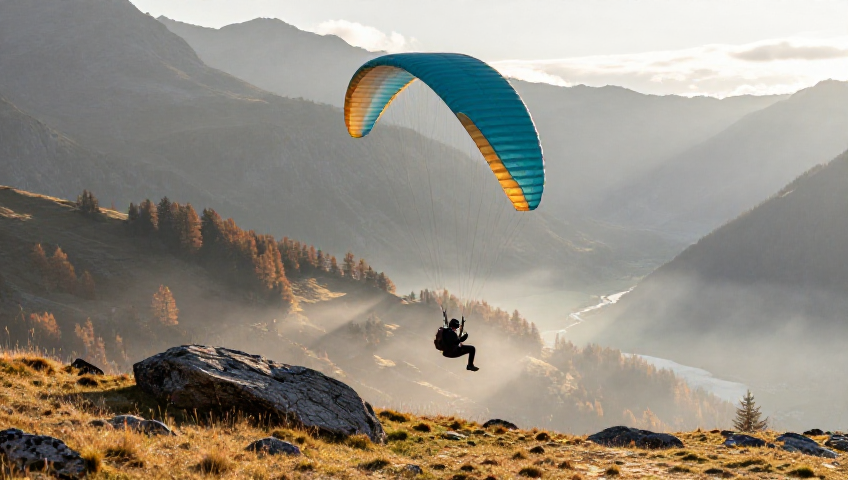
Once you’ve earned your wings, the freedom of solo paragliding opens a new chapter. Solo pilots can explore remote valleys, extend flight times, and even combine flight with speed riding – a hybrid sport that merges a lightweight board with a paraglider.
From beginner to solo pilot
The typical progression involves 10‑15 tandem sessions, a ground‑school certification, followed by solo practice flights under the supervision of a certified instructor. By the end of the season, many pilots are comfortable launching from high‑altitude sites and navigating back to the valley without assistance.
Introducing speed riding in the Alps
Speed riding, also called “ski‑gliding”, uses a tiny parachute attached to a board. The rider accelerates down a steep slope, then lifts off briefly before landing again. Chamonix’s steep faces and reliable thermals make it a hotspot for this adrenaline‑filled activity. Several local operators now bundle speed riding sessions with their tandem paragliding packages.
Practicalities: Equipment, Take‑off and Landing Areas
Choosing the right gear is essential for safety and performance. Most schools provide high‑quality equipment, but it’s good to know what to expect.
Essential gear and standards
- Paragliding equipment – A certified canopy, harness, reserve parachute, and helmet.
- Altitude‑adjustable goggles for varied weather.
- Wind‑proof jackets and layered clothing to adapt to rapid temperature shifts.
Key take‑off points and landing zones
Chamonix offers a network of well‑marked take‑off areas and safe landing areas. Pilots typically launch from Planpraz, Brévent, or the Aiguille du Midi plateau, while landing zones include the valleys of Les Houches, the valley floor near the town centre, and designated alpine pasture fields. Local guides maintain clear signage to avoid confusion.
| Location | Altitude (m) | Typical Wind Direction |
|---|---|---|
| Planpraz | 2000 | South‑West |
| Le Brévent | 2250 | North‑East |
| Col de Balme | 2400 | Variable |
Planning Your Flight: Prices, Booking and FAQs
Knowing the cost structure helps you budget your adventure. Prices vary by season, flight type, and whether you rent equipment.
Typical rates for 2025/2026
| Service | 2025 Price (EUR) | 2026 Estimate (EUR) |
|---|---|---|
| Tandem flight (30 min) | 180 | 190 |
| Solo introductory course (2 days) | 650 | 680 |
| Speed riding session | 210 | 220 |
| Full equipment rental (per day) | 45 | 48 |
All bookings include a comprehensive safety briefing, insurance coverage, and a post‑flight debrief. Most providers offer free cancellation up to 24 hours before the scheduled cable car schedule departure, giving you flexibility in case of weather changes.
How to book and cancellation policies
Online reservation systems are synced with the local gondola timetable, ensuring you can plan your launch time precisely. When you book, you’ll receive a confirmation email with a QR code that serves as your flight pass. If you need to cancel, a simple click in the confirmation portal will release your slot back to the waiting list – often without a penalty.
Frequent Asked Questions
Is paragliding in Chamonix worth it?
Absolutely. The combination of stunning mountain scenery, reliable lift, and a supportive paragliding school network makes the experience both exhilarating and safe. First‑time flyers often describe the feel of floating over Mont Blanc as “nothing short of magical”.
Where is the best place to paraglide in Chamonix?
Top launch sites include Planpraz, Le Brévent, and Col de Balme. Each offers a different perspective: Planpraz provides wide-open spaces, Brévent offers a close‑up view of the Aiguille du Midi, and Col de Balme grants a cross‑border glide towards Switzerland.
Can you do tandem paragliding with a single‑person harness?
Yes. Tandem rigs are specially designed to accommodate two occupants while maintaining optimal wing performance. The pilot’s harness is positioned at the front, with the passenger strapped securely behind, ensuring balanced weight distribution.
What equipment is mandatory for solo paragliding?
A certified canopy, a harness with a built‑in reserve parachute, a helmet, and appropriate clothing for alpine conditions are compulsory. Most pilots also carry a GPS tracker and a radio for communication with ground crews.
How do I know if I’m ready for solo flights?
After completing at least 10‑15 tandem hops and a basic ground school, a qualified paragliding instructor will assess your readiness. Factors include your comfort with take‑off procedures, ability to read thermals, and confidence in emergency protocols.
Is speed riding safe for beginners?
Speed riding is generally recommended for pilots who have logged at least 30 hours of solo flight time. The sport demands quick reflexes and a solid understanding of wind dynamics. Many schools now offer introductory sessions that pair a speed board with a tandem pilot to ease the learning curve.
Take Off Into Unforgettable Memories
From your first awe‑inspiring tandem paragliding ride to mastering solo routes that skim the ridgelines of Mont Blanc, Chamonix provides a playground for every level of enthusiasm. The region’s expertly maintained take‑off areas, seasoned paragliding instructors, and robust safety culture ensure that every flight is as secure as it is spectacular. So, check the cable car schedule, book your slot, and prepare to feel the wind lift you above one of the world’s most iconic alpine valleys. The sky is waiting – let Chamonix be the canvas for your next great adventure.