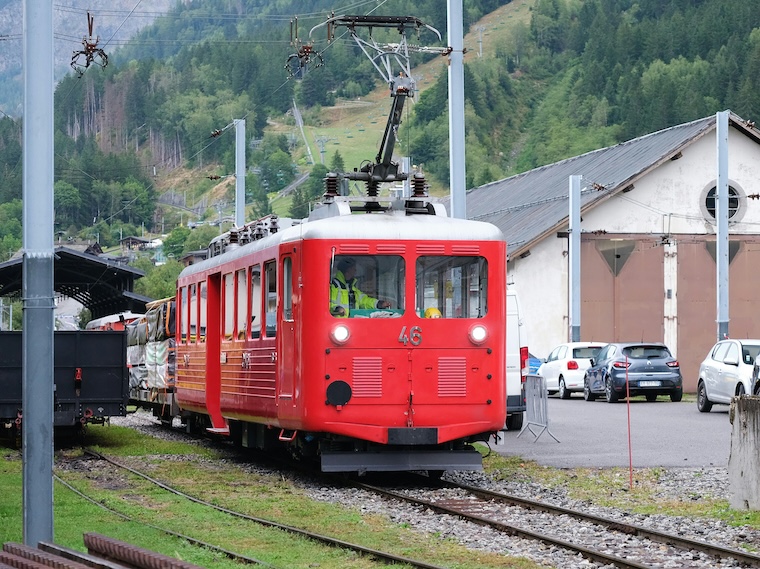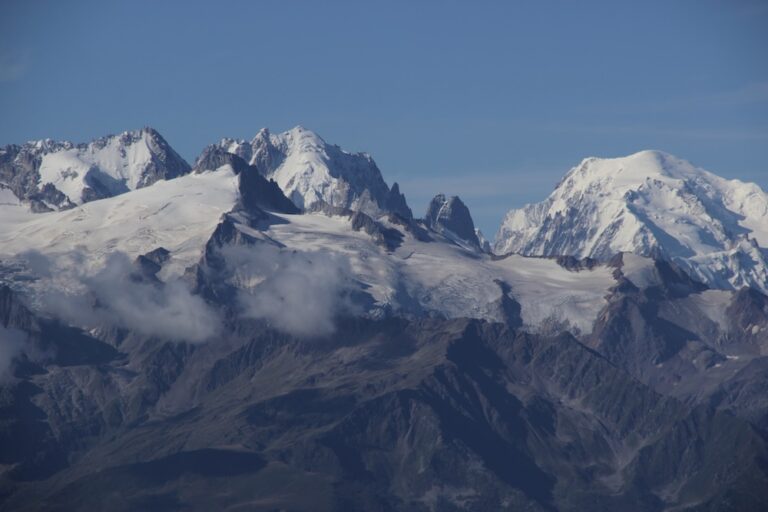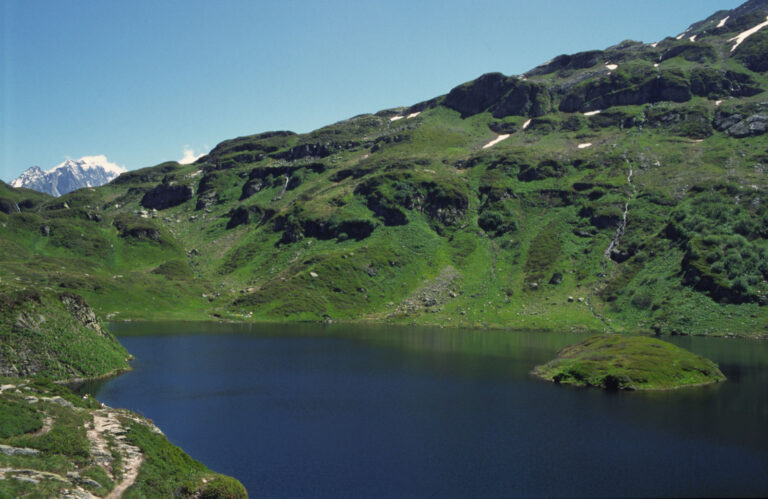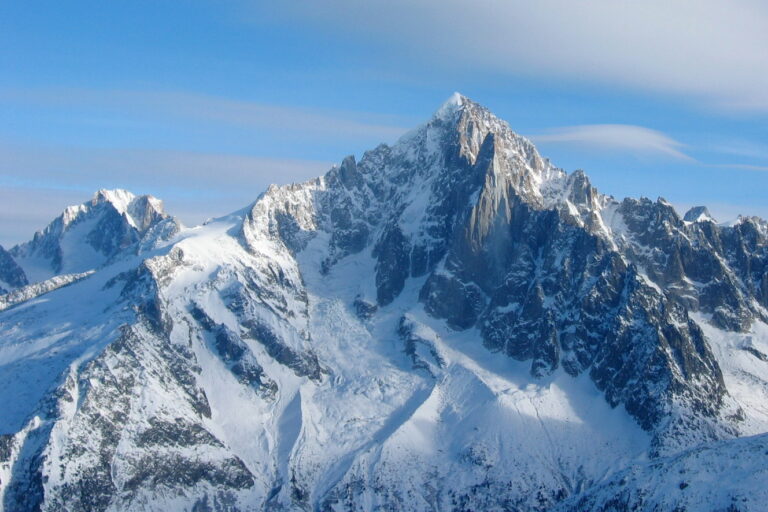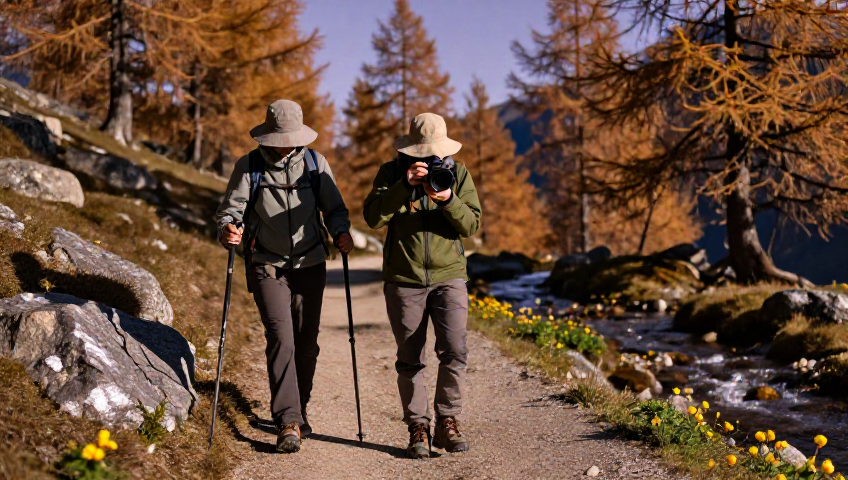
Nestled in the quiet hameau of Tréléchamps, just a stone’s throw from the bustling heart of Chamonix, lies a gateway to some of the most iconic randonnée experiences in the Alps. From the gentle slope of a lac‑side trail to the stark grandeur of the glacier that crowns Mont Blanc, the area offers a kaleidoscope of terrain that satisfies both the casual walker and the seasoned alpinist. A short ascent brings you to a historic col where the wind whistles through ancient stone walls, while a network of well‑maintained paths leads to cozy refuge huts where a steaming bowl of soup awaits tired legs. Whether you’re chasing the perfect sunrise for your photo walk or plotting the next stage of the legendary tour du mont blanc, Tréléchamps feels like a secret base camp, perfectly positioned in the vallée of endless possibilities.
What makes this spot truly special is its blend of accessibility and adventure. The village sits under the shadow of the mighty Mont Blanc, yet its pathways are peppered with gentle trail routes that wind past alpine meadows, shimmering lakes and craggy outcrops ideal for escalade. In the summer months, photo walk enthusiasts chase the shifting light over the iconic peaks; in winter, the same trails become fragrant with fresh powder, beckoning skiers and alpinisme lovers alike. All of this, wrapped in the authentic mountain hospitality that defines the region, makes Tréléchamps not just a point on a map, but a living, breathing experience waiting to be discovered.
Table of Contents
Top hiking routes from Tréléchamps
From the village you can launch into a series of routes that suit every level of fitness and ambition. Below is a quick overview of the most popular pathways, each offering a different slice of the vallée’s charm.
- Le Sentier du Lac Blanc – A moderate randonnée (3‑4 hours) that climbs to the stunning Lac Blanc, where the water mirrors the surrounding peaks.
- Col des Posettes Loop – A gentle trail perfect for families, winding past alpine flora and offering panoramic views of the glacier below.
- Refuge du Tour – A classic trail that takes hikers to a historic mountain hut, ideal for a night‑under‑stars before tackling higher ground.
Each route is well signposted, but it never hurts to carry a paper map or a reliable GPS. Weather in the Alps can shift in the blink of an eye, so packing a waterproof jacket and a lightweight snack is always wise. For those craving a bit more challenge, the ascent to the col of Aiguillette des Posettes from Tréléchamps adds a rewarding steep climb and a spectacular lookout over the Mont Blanc massif.
What to expect on the Lac Blanc hike
The Lac Blanc trail begins at the parking area near the village and follows a steady ascent through pine forests. About an hour in, you’ll reach a series of small alpine lakes that provide perfect spots for a quick break and a splash of photos. The final push is a set of switchbacks that reveal the lake’s crystal surface, perfectly reflecting the surrounding glacier and the iconic silhouette of Mont Blanc. In summer, wildflowers dot the alpine meadows; in early autumn, the golden hues create a painterly backdrop for any photo walk enthusiast.
Refuge recommendations
Two refuges deserve special mention:
| Refuge | Altitude | Facilities |
|---|---|---|
| Refuge du Tour | 2,300 m | Bed spaces, hot meals, communal lounge |
| Auberge de la Boërne | 1,750 m | Rustic rooms, local cuisine, bivouac area |
Both are reachable via marked paths and provide a warm hearth after a day of escalade or a long randonnée. Booking ahead in the high season is strongly recommended.
Photo walks that capture the valley’s soul
If you’re armed with a camera—or just a smartphone—Tréléchamps offers a series of dedicated photo walk routes that showcase the stark contrast between rock, ice and lush valleys. The best times to shoot are early dawn, when the light is soft and the mist still clings to the foothills, and late afternoon, when the sun paints the peaks in gold.
One of the most celebrated paths is the Tréléchamps Photo Walk, a curated loop that takes you from the village square, past the old stone chapel, up to the ridge overlooking the lac and down to a hidden waterfall. Along the way, you’ll encounter grazing chamois, reflective pools and the occasional Edelweiss blossom—perfect subjects for macro shots.
- Tip: Use a circular polarizer to enhance the blue of the sky and bring out texture in the rocks.
- Tip: A lightweight tripod can make a world of difference for sunrise panoramas.
The Servoz Photo Walk
Just a 15‑minute drive from Tréléchamps, the Servoz trail offers sweeping vistas of the valley with fewer crowds. The route passes the iconic col de Servoz, providing a dramatic foreground for your images. Many photographers recommend a short detour to the nearby Giétroz meadows for a splash of alpine wildflowers.
Connecting to the Tour du Mont Blanc from Tréléchamps
The famous tour du mont blanc (TMB) circles the massive Mont Blanc massif through three countries. While many hikers start in Les Houches or Courmayeur, Tréléchamps offers a quieter, less‑trodden entry point that still grants access to the full circuit.
From the village, you can join the circular trek of the Mont Blanc Massif through 3 Countries at the col de la Seigne. The first day is a gentle descent into the Swiss valley of Val Ferret, where you’ll spend the night in a modest chalet. The second day brings you to the iconic Refuge de la Flégère, offering panoramic views that are worth the climb.
- Day 1: Tréléchamps → Col de la Seigne → Val Ferret (approx. 12 km, moderate)
- Day 2: Val Ferret → Refuges of Flégère and Gouter (high altitude, strenuous)
- Day 3: Return via the Italian side, passing Courmayeur and descending back to Tréléchamps
While the TMB is demanding, the sections accessible from Tréléchamps are well‑maintained and equipped with signage in French, Italian and German, reflecting the multinational nature of the trek.
Essential gear for the TMB
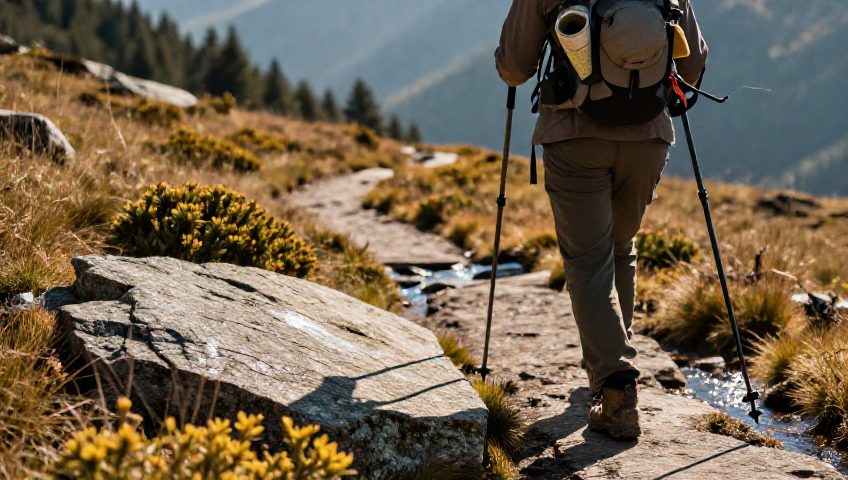
Even if you plan only a short segment, a high‑quality pair of trekking poles, layered clothing, and a compact first‑aid kit are non‑negotiable. For sections that involve glacier crossing, a crampon and ice axe (or a guided group) become essential.
Local refuges and mountain huts for a safe stay
After a day of randonnée or escalade, the comfort of a mountain refuge can be a lifesaver. Below are the top three options that balance accessibility, amenities and authentic alpine ambience.
- Auberge la Boërne – Situated at 1,750 m, this rustic inn offers hearty Savoyard dishes and a communal fireplace. Perfect for families and solo travelers alike.
- Refuge du Tour – A classic stone building perched at 2,300 m, with dormitory‑style sleeping arrangements, hot showers, and a small library of mountaineering guides.
- Gîte Argentière – A modern chalet near the village of Argentière, providing private rooms, Wi‑Fi, and a shuttle service to the nearest col.
All three accept reservations online, but the peak summer season (July‑August) fills quickly, so plan ahead. If you prefer a more spontaneous experience, bivouacking is permitted in designated zones near the refuges—just be sure to follow Leave No Trace principles.
How to book a night at a refuge
Booking is straightforward: most refuges have a simple web form or an email address for inquiries. Include your intended dates, group size, and any dietary restrictions. For the most popular spots—especially during the TMB window—reserve at least three weeks in advance.
Practical tips for alpinism, trail and glacier navigation
Even seasoned hikers can be caught off‑guard by the Alpine environment. Here are some practical tips that blend common sense with a dash of local wisdom.
- Check the forecast every morning; mountain weather can shift from clear skies to heavy snow in minutes.
- Carry a reliable map and a compass; while smartphones are handy, they don’t replace traditional navigation tools.
- Acclimatise gradually—spend a night at 1,800 m before attempting any summit above 2,500 m.
- Wear layered clothing: a moisture‑wicking base, an insulating mid‑layer, and a waterproof shell.
- Stay hydrated; the altitude increases dehydration risk, even on short trail sections.
Glacier safety basics
When your route crosses a glacier, always travel roped together and use crampons. Look out for crevasse zones marked by ladders or ropes. If you’re unsure, hire a certified local guide who knows the safest passages.
Alpinism etiquette
Respect the mountain environment: pack out everything you bring, stick to established paths, and keep noise to a minimum. The high alpine terrain is a shared heritage; responsible tourism ensures future generations can also enjoy its majesty.
Frequent Asked Questions
What does “Chamonix” actually mean?
The earliest record from 1091 describes Chamonix as “campus munitum,” a Latin phrase meaning “enclosed field” or “fortified camp.” Over centuries the term evolved, but the notion of a protected mountain settlement remains embedded in its name.
Which French town lies at the foot of Mont Blanc?
Chamonix‑Mont‑Blanc, perched at about 1 035 m altitude, sits directly on the valley floor beneath Europe’s highest peak. It serves as the traditional launchpad for both recreational hikers and serious alpinists.
Is Chamonix considered a city?
As of 1 January 2024, INSEE classifies Chamonix‑Mont‑Blanc as a “small city” within its new seven‑level density grid. It is the central hub of an urban unit that includes two communes, with Chamonix at its core.
What is the nearest town to Mont Blanc?
The closest settlement to the summit is the historic ski resort of Chamonix‑Mont‑Blanc. Its mountain‑front location makes it the preferred base for climbers tackling the iconic north‑face routes.
Can I start the Tour du Mont Blanc from Tréléchamps?
Yes. Tréléchamps offers a quieter entry point onto the classic circuit. From here you can connect to the col de la Seigne and join the multi‑day trek that winds through France, Italy and Switzerland.
Why Tréléchamps Should Top Your Chamonix Itinerary
Tréléchamps embodies the perfect blend of untouched natural beauty and practical access to the region’s most celebrated outdoor experiences. Whether you’re chasing the perfect sunrise over a lac, sharpening your alpinisme skills on a glacier, or simply enjoying a relaxed photo walk through a traditional hameau, the village offers a springboard for adventure. Its proximity to world‑renowned routes, welcoming refuges, and the cultural richness of the Chamonix valley makes it an indispensable stop for anyone looking to explore the heart of the Alps.
So pack your boots, charge your camera, and let Tréléchamps be the start of a story you’ll tell for years to come. The mountains are calling—will you answer?