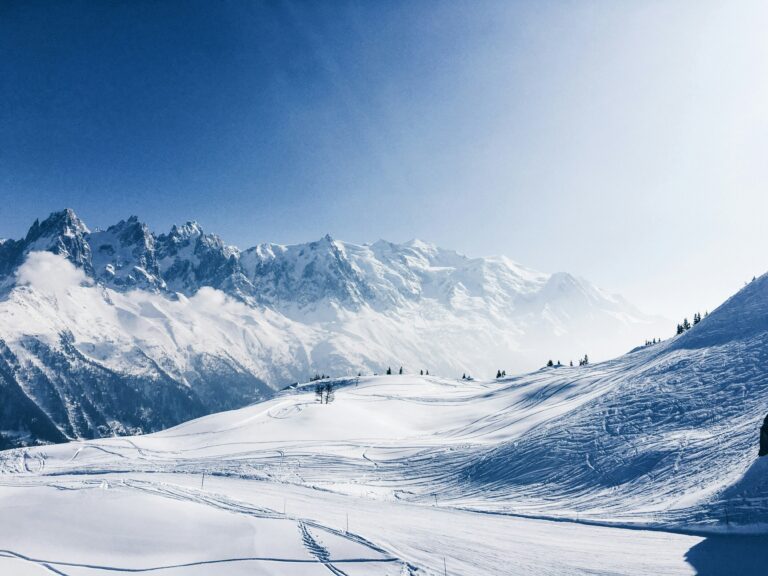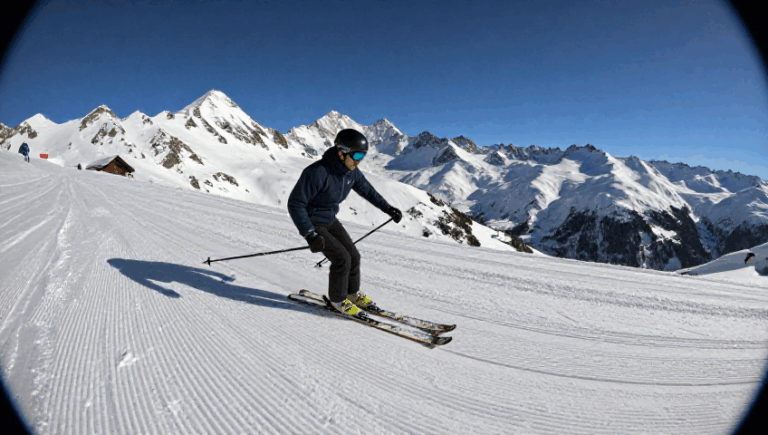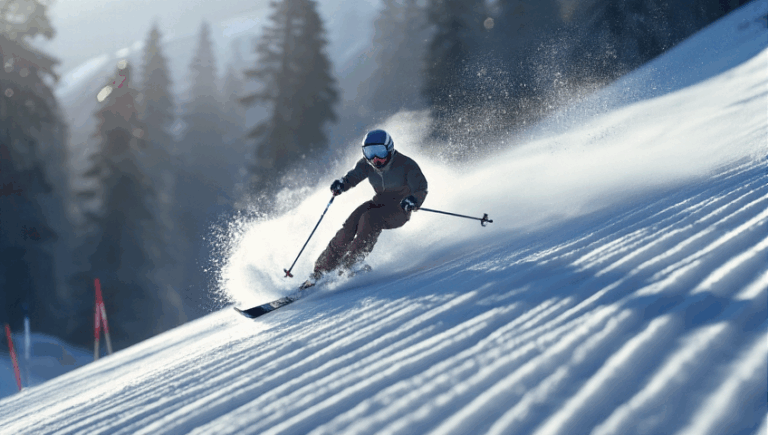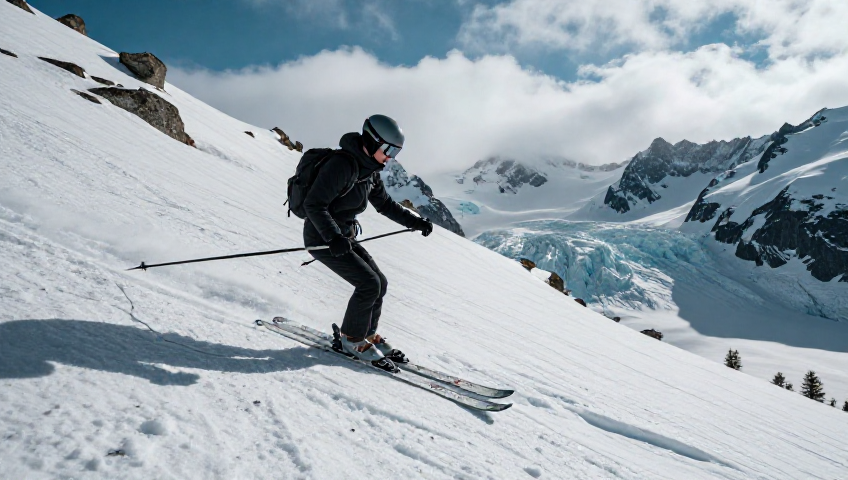
When the winter sun catches the icy folds of the Vallée Blanche, the whole of the Mont Blanc massif seems to hold its breath. From the moment the cable car whisks you up to the Aiguille du Midi at 3,842 m, the world transforms into a white‑washed playground for seasoned snowboarders and daring skiers. The air is thin, the horizon endless, and the glacier beneath your boots tells a story of centuries of snowpack and crevasse danger. This is not a piste – it is a backcountry skiing odyssey that demands respect, preparation, and a touch of wanderlust.
Below, I unpack everything you need to know before you strap on your boots: the routes, the gear, the guide services, the environmental impact, and the real‑world costs. Whether you are plotting a private booking with a mountain guide or gathering a group for a shared adventure, the details here will help you decide if the Vallée Blanche belongs in your winter bucket‑list.
Table of Contents
Overview of the Vallée Blanche descent
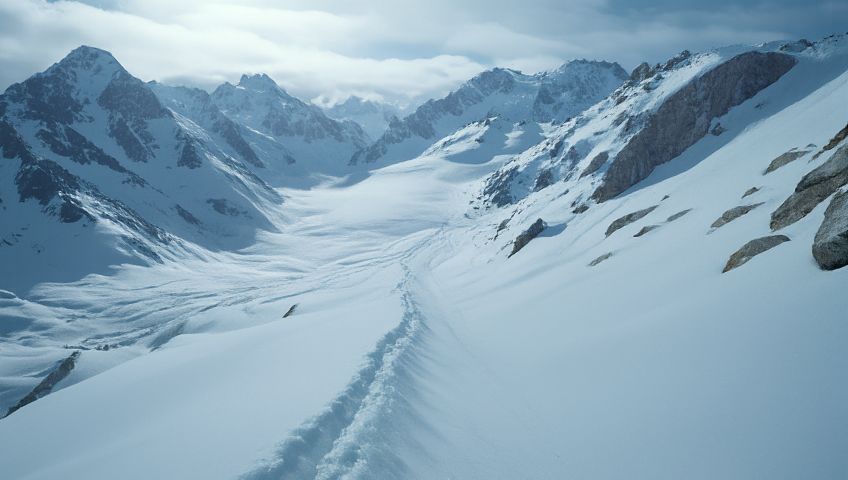
The Vallée Blanche stretches for roughly 20 km, dropping an astonishing vertical of 2,700 m from the summit of the Aiguille du Midi down to the village of Chamonix. The route winds through the glacier fields of the Mont Blanc massif, gliding past the iconic Mer de Glace, the refuge du Requin and the dramatic ice‑capped ridges that form the backbone of the high‑altitude landscape.
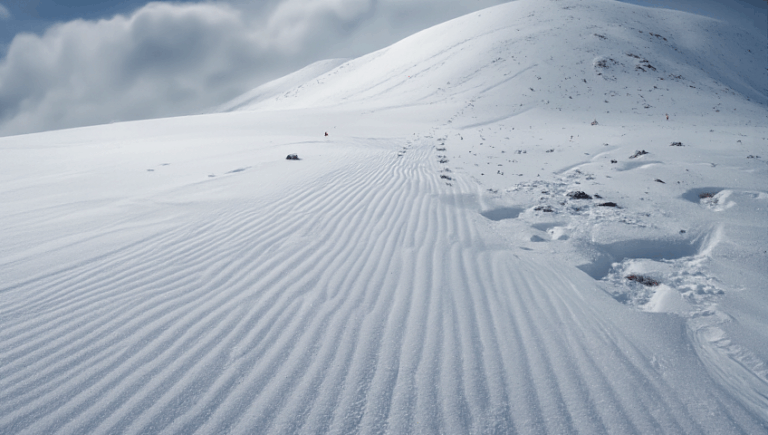
Unlike a conventional ski run, this descent is classified as an off‑piste experience. The snow conditions can shift dramatically within minutes – fresh powder, wind‑packed crust, or hard ice depending on temperature, wind direction and the time of season. In 2025, the average snowpack depth at the start of the season sits around 2.5 m, but a late‑season melt can expose hidden crevasses, raising the crevasse danger factor.
Because the route is unmarked, a competent mountain guide is strongly recommended. Not only does a guide read the terrain, they also monitor the constantly evolving avalanche risk and can perform a crevasse rescue if needed. The guide services offered in Chamonix are world‑renowned, with teams that speak English, French and German, and who are certified by the French Mountain Guides Federation.
The Aiguille du Midi – gateway to the glacier
The adventure begins at the Aiguille du Midi cable car station, the highest mountain railway in Europe. The cable car climbs 2,800 m in just 20 minutes, whisking you past the famous Telepherique du Plan and the sculpture‑like Grand Envers du Plan visible from the valley floor. Once at the summit, you stand at the edge of a gigantic glacier that stretches toward the famous Voie Normale route.
From the top platform you can admire the sunrise over Mont Blanc, the highest peak in Western Europe, and feel the tremor of the wind as it sweeps over the high mountain ridges. Many first‑time visitors stay at the on‑site restaurant for a hot drink before suiting up – the perfect moment to check the snow conditions and verify the weather forecast.
Preparing for the off‑piste adventure
The Vallée Blanche is a high‑altitude test of endurance, technique and equipment. Below is a checklist that covers everything from the essential ski kit to the less‑obvious items that can make the difference between a flawless day and a scramble back to the base.
Equipment list and safety gear
- Ski kit or snowboard – wide enough for powder but agile for tight turns.
- Avalanche transceiver, shovel and probe – mandatory for any backcountry descent.
- Ice axe and crampons – for crossing the glacier crevasse fields safely.
- Rope harness and a short rope – useful for crevasse rescue or self‑arrest.
- Technical backpack with a hydration system.
- First aid kit containing bandages, blister plasters and emergency medication.
- Head torch with extra batteries – daylight fades quickly at altitude.
- Energy bars, electrolyte tablets and a small stove for a quick melt‑down lunch.
- Extra clothing layer, insulated gloves and a balaclava for wind chill.
- Strong, waterproof ski boots with good ankle support.
All gear should be checked for function the night before. A short ridge walk around the Toule glacier is an excellent way to test your boots and bindings on uneven terrain.
Booking and guide services
While it is technically possible to descend the Vallée Blanche without a guide, the mountain safety regulations in Chamonix strongly encourage the use of certified experts. Booking a guide can be done through the official Chamonix tourism office or directly with local guiding companies. Prices per person for the 2025/2026 winter season are as follows:
| Season | Group (4‑6) | Private (1‑4) |
|---|---|---|
| Low season | 160 € / person | 495 € / guide |
| High season | 180 € / person | 550 € / guide |
| Off‑piste test + Vallée Blanche | 255 € / person | — |
Group bookings often include a brief safety lecture, a ridge walk to the departure point, and a shared ski kit. Private bookings give you full flexibility on timing, pace and can include a photo‑service or a high‑altitude lunch on the glacier.
The classic routes and their character
Although the whole valley is a playground, most parties follow one of several established ski routes. Each line offers a distinct mix of vertical drop, technical difficulty and scenery.
Voie Normale – the classic ski route
The Voie Normale is the most popular descent, favoured for its relatively straightforward navigation and spectacular views of the Mer de Glace. The route starts from the Aiguille du Midi plateau, descends the Grand Envers du Plan, then opens into a wide glacier corridor before reaching the lower valley. The vertical drop on this line is about 2,600 m and it typically takes 4‑5 hours for an average party.
Intermediate skiers can usually manage the Voie Normale under good snow conditions with a competent guide. The main hazard remains hidden crevasses, especially after a warm spell.
Grand Envers du Plan & Petit Envers du Plan
For those craving a steeper challenge, the Grand Envers du Plan and its sibling the Petit Envers du Plan provide more exposed terrain and sharper inclines. These lines cut through steeper sections of the glacier, offering a thrilling vertical drop of up to 2,700 m. Snowpack stability can be variable, so early‑morning starts are advised.
Both routes converge near the Gros Rognon rock formation, where a short scramble leads to a spectacular viewpoint over the Mont Blanc dome. The technical demand makes them a favourite for advanced snowboarders and expert skiers.
Risks, safety and mountain rescue
Even the most experienced alpinist acknowledges that the Vallée Blanche is a high‑risk environment. Understanding the hazards and how to mitigate them is crucial for any party.
Avalanche and crevasse danger
The glacier surface can hide deep fissures that open without warning. A recent study by the French Alpine Club (2024) showed a 12 % increase in crevasse incidents after warm periods. To reduce risk:
- Always travel with a working avalanche transceiver.
- Probe any suspicious snow mound before stepping.
- Stay on the marked route unless a guide directs a deviation.
- Carry a short rope and know basic self‑rescue techniques.
In case of an avalanche, the mountain rescue teams in Chamonix can be alerted within minutes via the emergency radio on the mountain guide’s equipment.
Environmental impact and carbon footprint
High‑altitude tourism inevitably leaves an environmental impact. The daily ascent of the cable car to the Aiguille du Midi burns roughly 20 kg of CO₂ per passenger. A group of six therefore adds about 120 kg of emissions to the valley each day.
Guides now offer an optional carbon‑offset program where the price per person includes a contribution to local tree‑planting projects in the Alps. Calculating your personal carbon footprint is simple: multiply the number of lifts taken (usually two – up and down) by the per‑person emission factor, then add the fuel consumption of any snowmobiles used for rescue simulations.
Frequent Asked Questions
How difficult is the Vallée Blanche?
The difficulty varies with weather and personal skill. In good snow conditions and clear visibility, intermediate skiers and advanced snowboarders can enjoy the descent under the supervision of a qualified guide. Poor visibility or unstable snow makes the route dangerous, so it is advisable to assess conditions on the morning of the descent.
How long does it take to do Vallée Blanche?
The full descent covers about 20 km. Fast, experienced parties can complete it in 1‑2 hours, but most groups prefer a relaxed pace, taking 4‑5 hours to appreciate the scenery, stop for a snack, and navigate safely through potential hazard zones.
How much does it cost to ski the Vallée Blanche?
Rates for the winter 2025‑2026 season are as follows:
- Low season group (4‑6 people): 160 € per person
- High season group (4‑6 people): 180 € per person
- Off‑piste test + Vallée Blanche: 255 € per person
- Private guide (1‑4 people): 495‑550 € per guide
What is the Vallée Blanche?
The Vallée Blanche is a world‑renowned off‑piste ski route in Chamonix, stretching roughly 20 km with a vertical drop of 2,700 m. It traverses high‑altitude glaciers, offers unparalleled views of Mont Blanc, and delivers a true wilderness experience that is both exhilarating and humbling.
Do I need a mountain guide to ski the Vallée Blanche?
While it is technically possible to ski the route without a guide, local regulations and the inherent hazards (avalanches, crevasses, sudden weather changes) make a certified mountain guide highly recommended. Guides provide safety assessments, route finding, and instant rescue capabilities if something goes wrong.
Can I snowboard in the Vallée Blanche?
Absolutely. The wide, powder‑filled glacier corridors are ideal for snowboarders seeking long, flowing turns. Many guided tours specifically cater to snowboard enthusiasts, offering alternate lines that avoid the steeper crevasse‑filled sections.
Is the Vallée Blanche suitable for kids?
Only children with advanced skiing abilities, accustomed to high‑altitude terrain, should attempt the descent, and always under the direct supervision of a certified guide. Most guiding companies set the minimum age at 12 years and require proof of competence.
What is the environmental impact of a Vallée Blanche tour?
Beyond the carbon emitted by the cable car, the impact includes trail erosion and waste left on the glacier. Operators now follow a strict “Leave No Trace” policy, and many participants join a carbon‑offset scheme to mitigate their footprint.
Why the Vallée Blanche remains a bucket‑list experience
To sum up, the Vallée Blanche offers a rare blend of high‑altitude adventure, breathtaking scenery, and a deep sense of accomplishment. The route’s vertical drop, pristine glacier surfaces and proximity to the iconic Mont Blanc make it a magnet for skiers, snowboarders and alpinists worldwide. Proper preparation – from a thorough equipment checklist to a reliable guide booking – ensures that the experience is not only thrilling but also safe and respectful of the fragile alpine environment.
So, whether you’re plotting a group excursion, a private guided tour, or simply dreaming of the day you’ll glide down the Voie Normale, the Vallée Blanche beckons. The mountains are waiting, the snow is calling, and the next chapter of your winter story could begin on the summit of the Aiguille du Midi.