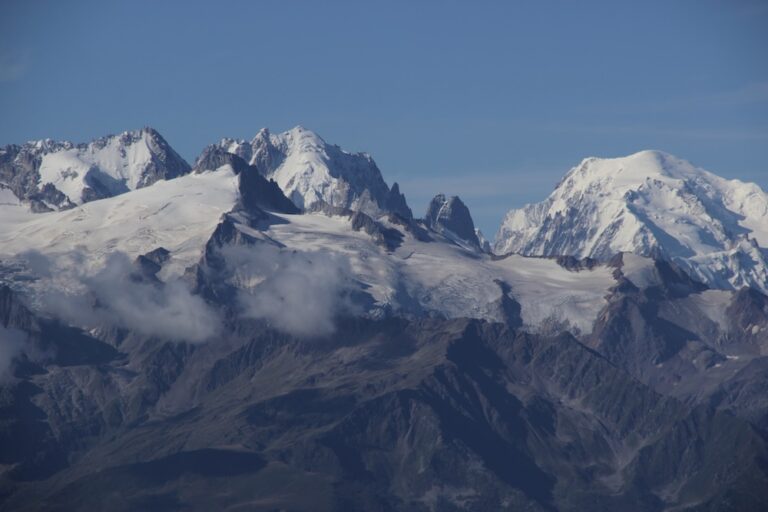
When you step off the cog‑wheel railway at Montenvers, the Mer de Glace unfurls beneath a sky that seems to belong to another world. This massive river of ice, perched high above the Valley of Chamonix, has fed the imaginations of mountaineers, artists, and scientists for more than a century. Its frozen surface, fed by tributaries such as the Glacier de Leschaux, the Glacier du Tacul and the Glacier du Géant, stretches over 7 km, carving out a dramatic landscape that frames the Mont Blanc massif and the iconic peaks of the Alps. Yet beyond its sheer beauty, the glacier tells a sobering story of rapid change, as rising temperatures thin its ice and accelerate its retreat. Whether you arrive by the historic Montenvers Train, a modern cable car, or on foot via summer walking trails, the experience is an unforgettable blend of natural wonder, cultural heritage, and contemporary science.
In the following guide we will walk you through the most compelling attractions surrounding the Mer de Glace, delve into the geological and climatic forces shaping it, and provide practical tips to make the most of your visit. Along the way, you’ll meet the mountain museums, the crystal‑laden Ice Grotto, and the dedicated researchers who monitor ice thickness, surface velocity, and permafrost melt. By the end, you’ll understand why this glacier is not just a tourist magnet but also a living laboratory for glaciology and an emblem of the urgent dialogue on climate change.
Table of Contents
The Montenvers Train – Journey to the Mer de Glace
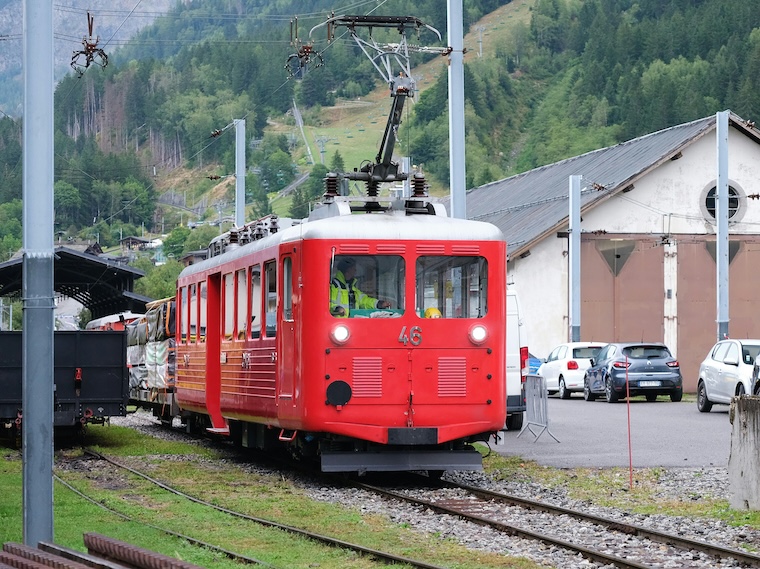
The Montenvers Railway is a marvel of late‑19th‑century engineering, a cog‑wheel marvel that climbs from Chamonix (1 035 m) to the Montenvers station at 1 913 m in roughly 20 minutes. The train’s iron wheels clatter up the steep gradient, offering passengers a panoramic view of the Mont Blanc summit, the Aiguille du Midi, and the Aiguille du Blanc. Inside the carriage, the atmosphere is a mix of nostalgic wooden paneling and modern comfort, a reminder that the line has been transporting visitors for over 120 years.
- Ticket price (2025): €22 adults, €12 children (6‑15 y), free under 6.
- Frequency: Every 30 minutes in summer, hourly in winter.
- Duration: 20 minutes each way; the round‑trip plus time at the glacier usually totals 2‑3 hours.
Because the train runs on a cog system, it is unaffected by snow or ice, guaranteeing year‑round access. The Montenvers station serves as a gateway to multiple visitor attractions, including the historic Grand Hotel du Montenvers and the famous Ice Cave.
Planned reopening of the Ice Cave
Following extensive safety renovations, the Ice Grotto is slated to reopen in mid‑June 2025. Engineers installed an elevated walkway and reinforced the façade with a thin layer of artificial ice to protect delicate formations from the growing heat of summer. Visitors will once again be able to step into a world of crystal stalactites, where the blue light reflects off walls that change hue with every footfall.
Glacial Wonders: Ice Cave, Glaciorium and Visitor Attractions
The Ice Cave (or Ice Grotto) is a sculpted chamber excavated directly into the glacier each year. Its interior is a kaleidoscope of blue and turquoise tones, formed by the compression of old snow into dense ice. The attraction is more than a photo‑op; it illustrates the fascinating process of glacial flow and ice formation.
Adjacent to the cave lies the Glaciorium, a modern museum dedicated to the science of ice. Exhibits feature interactive displays on glaciology, climate monitoring equipment, and a crystal gallery showcasing mineral specimens collected from the surrounding peaks. Kids can try their hand at a digital 3D reconstruction of the glacier using tablets that overlay historical photographs from the late 1800s with current aerial photogrammetry.
- Key exhibits: time‑lapse project of ice loss, digital models of the Little Ice Age extent, and live feeds of ice velocity sensors.
- Educational programs: weekly workshops led by researchers from the local research station on glacier dynamics.
For a taste of culinary heritage, the restaurants Le Panoramique and the historic Grand Hotel du Montenvers serve regional dishes such as tartiflette and raclette, all while offering sweeping views of the Glacier du Tacul tributary and the distant Mont Blanc summit.
Visitor attractions at a glance
| Attraction | Opening period (2025) | Highlights |
|---|---|---|
| Ice Cave | June – September | Blue‑hued ice formations, guided tours |
| Glaciorium | April – October | Interactive glaciology displays, 3D reconstructions |
| Le Panoramique | Year‑round | Alpine cuisine with glacier views |
Geology and Climate Change: The Story of the Glacier
Geologically, the Mer de Glace is a classic example of a valley glacier formed during the Holocene and shaped by successive Neoglacial advances. Its bulk is composed of compacted snow layers that have survived seasonal melt for decades, metamorphosing into dense ice over time. The glacier’s source region sits within the Mont Blanc massif, where the interplay of altitude, precipitation, and temperature creates ideal conditions for ice accumulation.
Scientific monitoring conducted by the French Geological Survey (BRGM) records an ice thickness loss of approximately 170 m at the Montenvers terminus since 1990. The surface velocity has also slowed, indicating reduced mass balance. These trends are tied directly to the regional temperature rise of about +2.5 °C since the mid‑19th century, a consequence of global climate change. The glacier has receded nearly 2.5 km in length, an alarming illustration of the glacial retreat affecting the entire Alps range.
Because the glacier rests on a bed of permafrost, the melt of underlying ice leads to increased rockfall frequency. In 2024, a notable rockfall near the Mouth of Mer de Glace prompted temporary closure of the lower walking path, underscoring the fragile balance between geology and climate.
Scientific research and tradition
Researchers from the University of Grenoble and local observatories have installed a network of GPS stations that track ice velocity and deformation in real time. These data feed into broader climate models that assess the impact of glacier melt on downstream water resources. The glacier also serves as a training ground for mountain guides, who learn to read crevasse patterns and assess safety in a rapidly changing environment.
Cultural Footprints and Historical Perspectives
The Mer de Glace has inspired countless artworks, from 19th‑century paintings to early motion pictures. The pioneering balloon flight of Eduard Spelterini in 1904 captured the glacier from an aerial viewpoint, cementing its status as a symbol of Alpine majesty. Later, the British photographer Kieran Baxter documented the glacier’s retreat through a series of time‑lapse images, providing a visual record that has been displayed in the Glaciorium.
Literary references abound: Mary Shelley’s “Frankenstein” mentions the glacier as a desolate, yet awe‑inspiring, backdrop. The glacier has also appeared in French poetry, where the term “Mer de Glace” evokes a metaphorical sea of cold that reflects the inner turmoil of the poet.
- Historical photographs from the Swiss Archives show the glacier at its maximum extent during the Little Ice Age.
- Early 20th‑century postcards depicted tourists climbing onto a wooden platform at the Ice Cave, a stark contrast to today’s safety‑first approach.
Practical Information for Visiting
Getting to the glacier is straightforward. From Chamonix, you can either board the Montenvers Train, take the cable car to the Aiguille du Midi and descend via the pedestrian path, or embark on a 5‑hour summer walking trail that starts at the valley floor and loops past the Glacier du Géant tributary.
The best time to visit depends on what you value most. Summer (June‑September) offers clear skies, warm weather for hiking, and the fully opened Ice Cave. Winter (December‑March) provides a snowy backdrop, though many facilities close and the train operates on a reduced schedule.
- Opening dates 2025: Train runs daily May – October; limited service December – April.
- Visitor numbers: Approximately 600 000 annually, with a peak in July.
- Accessibility: The Montenvers station is wheelchair‑accessible, and the Ice Cave offers guided tours for people with reduced mobility.
When planning your trip, remember to bring layered clothing, waterproof boots, and sunscreen – the high altitude amplifies UV exposure. A good tip is to start early to avoid the midday crowds at the Le Panoramique restaurant, where you can enjoy a leisurely lunch with a view of the Glacier de Talèfre.
Frequent Asked Questions
How long is the train to Mer de Glace?
From Chamonix, at an altitude of 1 035 m, our charming cog‑wheel train will take you safely to the Montenvers station, at 1 913 m. After an unforgettable 20‑minute journey, you’ll marvel at the famous Mer de Glace, a true testament to the climate changes of our time.
Can you walk to Mer de Glace from Chamonix?
This beautiful walk takes you up to the glacier and the Montenvers station. For those that prefer downhill walks you can take the train up and trek back down, or you can do a complete loop lasting approximately five hours.
What happened to the Mer de Glace glacier?
Its very rapid decline shows an alarming trend in the effects of rising temperatures in the Alps (+2.5 °C) and worldwide (+1.5 °C) since 1850. Since the end of the 19th century, the glacier has lost almost 2.5 km in length and is thinning at an accelerating rate. At Montenvers, it has lost 170 m in thickness since 1990.
What are some interesting facts about the Mer de Glace?
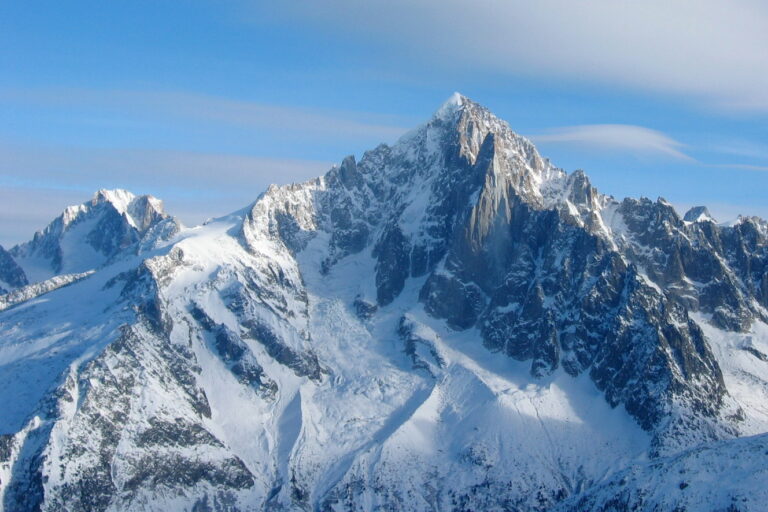
The Mer de Glace is the largest glacier in France: 7 km long, 40 km² in area, 200 m thick, altitude 1 913 m. Soak up the high‑mountain atmosphere of the place, contemplating the Drus (3 754 m), and the Grandes Jorasses (4 208 m), mythical summits that have seen countless mountaineers etch their names in alpine history.
Is the Ice Cave open year‑round?
No. The Ice Cave traditionally opens in early June and closes in late September, when temperatures rise and the interior begins to melt. In winter the cave is inaccessible for safety reasons, although the Glaciorium remains open for exhibitions.
Looking Ahead: Preserving the Mer de Glace Legacy
The story of the Mer de Glace is still being written. While the glacier continues to shrink, the combined efforts of scientists, local authorities, and tourists can help mitigate the impact. Ongoing environmental monitoring tracks ice loss, permafrost melt, and rockfall risk, feeding data into international climate models. Meanwhile, educational initiatives at the Glaciorium inspire a new generation of guardians for the Alps.
Visiting the glacier today offers a rare glimpse into a living laboratory where history, geology, and climate intersect. By treading the same paths that once inspired artists and adventurers, you become part of a dialogue that stretches from the Little Ice Age to the present day. And perhaps, after you’ve stood on the ancient ice and breathed the crisp mountain air, you’ll carry home a renewed commitment to protecting the fragile beauty of the Alps for those who will follow.