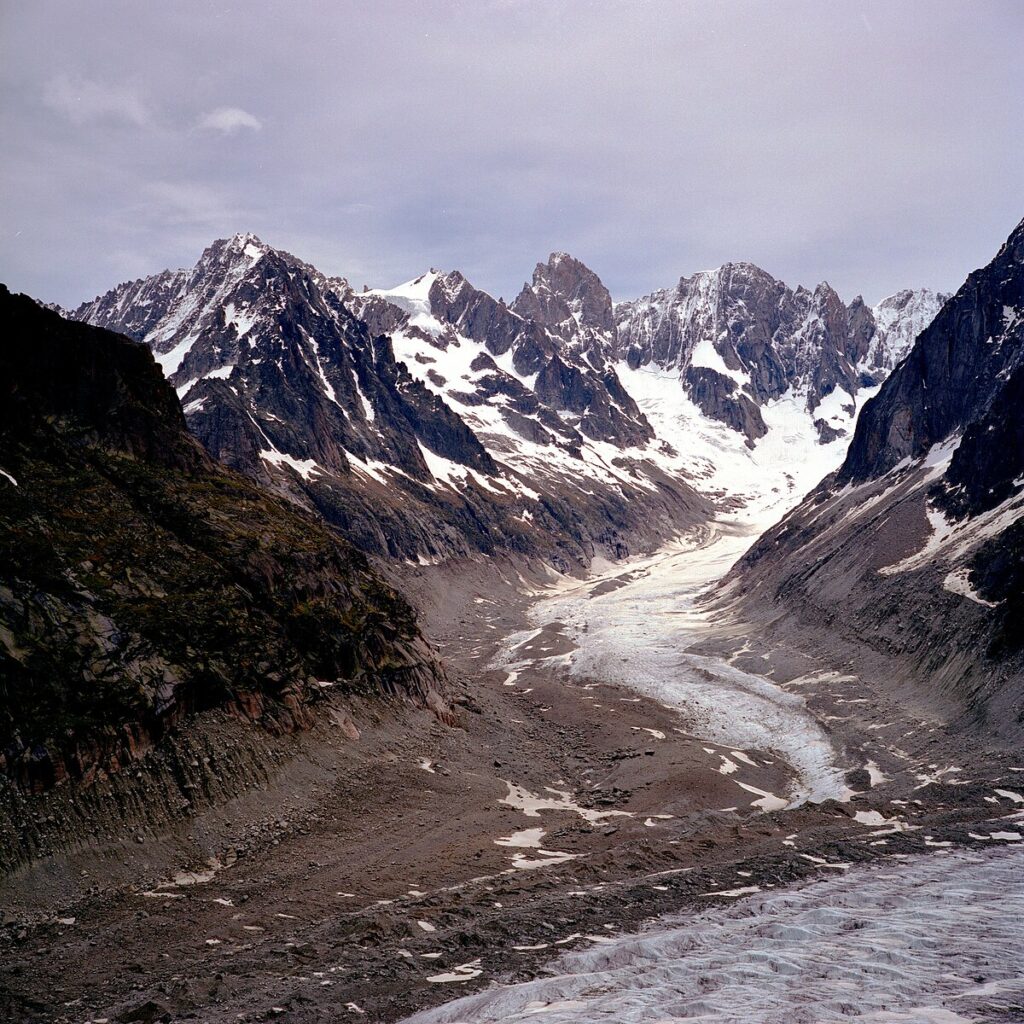
Nestled on the north‑west flank of the Mont Blanc massif, the Glacier de Leschaux is a ribbon of ice that often slips under the radar of the usual ski‑tour crowds. Yet for anyone who loves glacier walking, ice‑capped peaks and the crisp silence of high Alpine terrain, it offers a mix of raw wilderness and easy access that makes it a must‑see. From the historic cog railway at Montenvers to the winding trails of Val Ferret, the area is a playground for hikers, climbers and families alike, and the little‑known glacier rewards every step with breathtaking panoramas of the Mont Blanc and the Mer de Glace below.
In the following guide we’ll look at how to reach the glacier, the best routes, the refuge that lies at its foot, what the weather usually does in summer, and a handful of practical tips that will help you plan a safe and unforgettable day. Whether you are an experienced alpinist plotting a new line on the Grandes Jorasses or a casual visitor from Les Houches wanting a taste of high mountain life, this article gives you a clear picture of what to expect.
Table of Contents
Overview
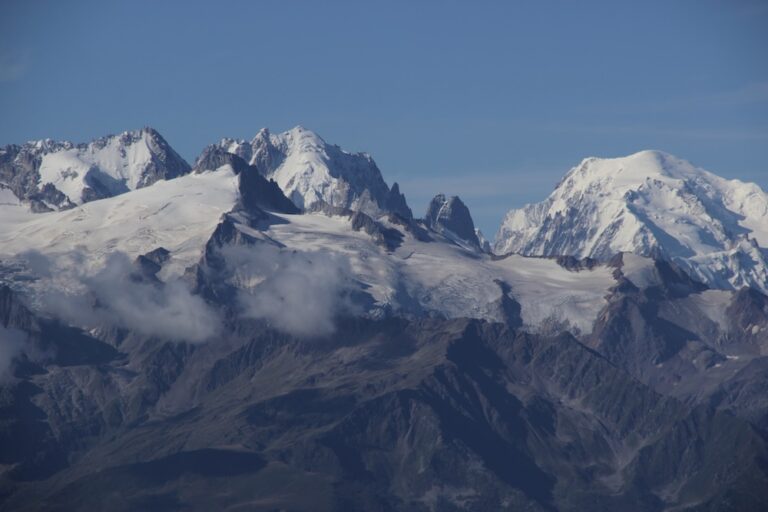
The Glacier de Leschaux stretches roughly 2 km from the col between the Aiguille de Leschaux and the Dent du Géant down to the valley near the Montenvers station. Its surface is a patchwork of blue‑white snowfields, ice‑covered crevasses and occasional moraine ridges that have been shaped over centuries by the relentless push of the Mont Blanc glacier system. While the glacier is not as massive as the nearby Glacier du Géant or Glacier du Tour, it offers a relatively gentle gradient that makes it a popular choice for guided walks and family outings.
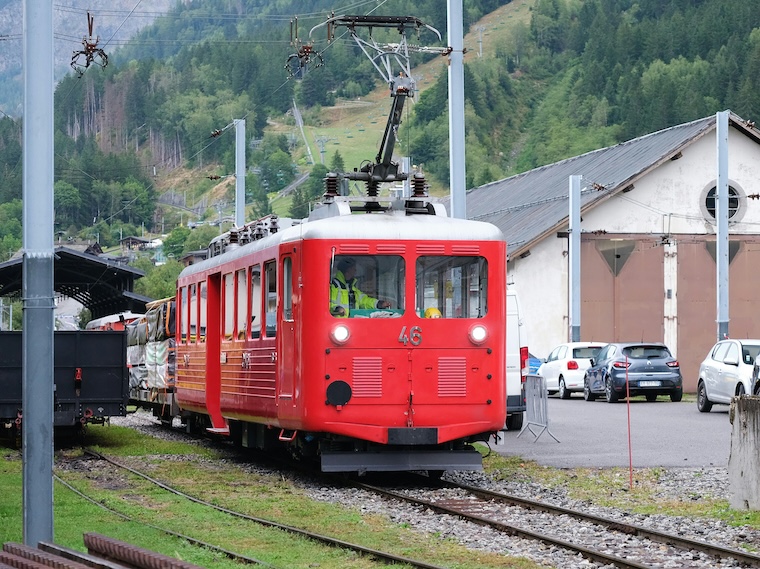
One of the most striking aspects of the area is the contrast between the icy terrain and the surrounding Alpine flora. In early summer, pockets of wildflower meadows peek through melt‑water streams, while in autumn the whole valley glows with a golden hue that reflects off the ice. The setting also provides a unique viewpoint on the famous cog railway that climbs to Montenvers, a line that has been hauling tourists to the foot of the Mer de Glace since 1908.
Getting there
Reaching the glacier is easier than many think. The most popular starting point is the Montenvers‑Mer de Glace train, a historic cog railway that departs from the Chamonix‑Mont‑Blanc station and drops passengers at an altitude of 1 913 m. From the Montenvers station, a short, well‑marked path leads to the glacier’s edge. For those preferring to drive, the road to the train du Montenvers is open year‑round and provides parking at the base of the mountain.
If you are already in the valley, you can also take the Mont Blanc tram to Les Houches and then hike up the Brévent ridge, passing the Balme and Vormaine huts before arriving at the glacier. This longer approach adds about 500 m of elevation gain but rewards you with spectacular views of the Mont Blanc Museum and the Alpine Museum from a distance.
Routes to Glacier de Leschaux
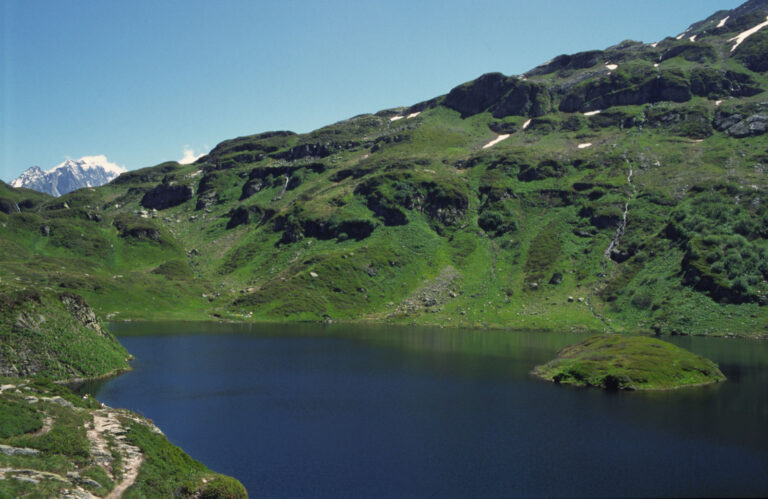
The most common route is the “Montenvers‑Leschaux” trail, which is listed on AllTrails.com as a moderate hike of 5 km round‑trip with an elevation gain of roughly 450 m. The path starts at the Montenvers station, follows a gravel track alongside the Lac Vert, and then climbs a series of switchbacks that lead directly onto the glacier’s surface. Along the way you’ll pass the Refuge de Leschaux, an Alpine shelter that offers a simple meal service and a chance to rest before the final push.
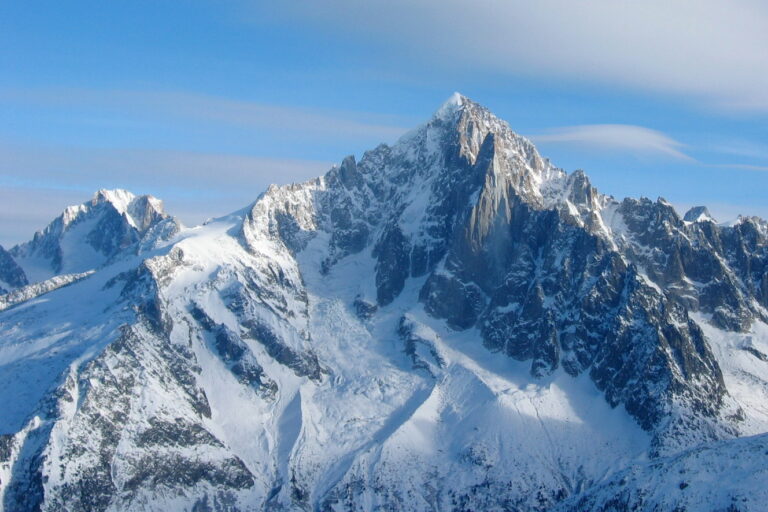
For the more adventurous, the “Aiguille de Leschaux ridge” route tackles the north‑west ridge of the Aiguille itself. This is a classic alpine climb graded AD (assez difficile) that requires crampons, an ice axe and a good sense of route‑finding. The climb typically starts from the Refuge du Couvercle and involves crossing a narrow ice slope riddled with small crevasses. Although this line is demanding, the summit offers a 360° view that includes the Glacier d’Argentière, the Glacier des Bossons and the towering faces of the Grandes Jorasses.
Below is a quick comparison of the two main approaches:
| Route | Length (km) | Difficulty | Typical time |
|---|---|---|---|
| Montenvers‑Leschaux trail | 5 | Easy‑moderate | 3–4 hours |
| Aiguille de Leschaux ridge | 7 | AD (rock‑ice) | 6–8 hours |
Refuge de Leschaux and nearby shelters
The Refuge de Leschaux sits at 2 057 m, perched on a rocky outcrop that looks out over the glacier. Built in the traditional Alpine style, the refuge has a capacity of 30 places, with dormitory‑style sleeping arrangements. The dining room serves a simple menu of hot soups, cheese fondue and, on request, a child‑friendly plate for those under 8. Breakfast is served at 8 am and includes fresh mountain bread, butter and tea.
If you need an alternative, the Refuge du Couvercle is a short 15‑minute walk higher up the ridge. It is smaller, with just 12 berths, but provides a quiet “winter shelter” atmosphere that many climbers prefer before a night on the glacier. For a more alpine experience, the Bivacco di Freboudze sits on the eastern flank of the Aiguille de Leschaux and is a stone‑built bivouac without a roof – perfect for an emergency “overnight” if you mis‑judge the conditions.
Mountain conditions and safety
Glacier conditions can change dramatically within a few hours, especially after a sudden rise in temperature. The local snow report is posted daily at the Montenvers station and on the Chamonix tourist office website. In summer the surface can be slushy, while in early autumn it hardens into a solid ice sheet peppered with deep crevasses.
General safety rules apply:
- Always check the weather forecast – the meteо service for the Valley of Chamonix provides hourly updates.
- Carry a basic rescue kit: crampons, ice axe, rope and a small first‑aid box.
- Never cross a glaciated area alone – the presence of a guide or a companion can make a life‑saving difference.
- Pay attention to the posted warning signs near the refuge; they indicate recent avalanches or unstable ice.
In case of an emergency, the civil protection centre in Chamonix can be reached at 112. The rescue team also operates a dedicated hotline for mountain incidents: 04 50 18 15 15.
Practical information: tickets, opening hours, reservations
Access to the Montenvers railway is the most common way to start the hike. Ticket prices (2025) are as follows:
| Category | Price (CHF) |
|---|---|
| Adult | 25 |
| Child under 8 | 12 |
| Family pass (2 adults + 2 children) | 70 |
The train du Montenvers runs from 8 am to 5 pm, with a half‑hourly departure in summer. The Refuge de Leschaux opens for dinner at 6 pm and closes its kitchen at 9 pm. Reservations are strongly recommended during July and August; you can book online via the official Chamonix‑Mont‑Blanc website or call the refuge directly at +33 4 50 68 72 19.
Books, maps and useful resources
For anyone serious about exploring the glacier, a good guidebook is essential. The latest edition of the “Alpine Hiking Atlas” (ISBN 978‑2‑7165‑5410‑2) includes a detailed 1:25 000 IGN maps of the entire Mont Blanc region, plus contour lines that help you gauge the slope of the ice fields. Kompass also publishes a pocket guide specifically covering the “Glacier de Leschaux” sector, with routes graded from F (facile) to ED (extrêmement difficile).
If you prefer a digital solution, the AllTrails app offers downloadable GPX tracks for both the easy trail and the technical ridge. The app integrates real‑time weather layers and a community‑generated “snow report” that can be useful on the day of your hike.
“The view from the top of the Glacier de Leschaux is like nowhere else – you can see the whole Mont Blanc chain, the Mer de Glace and even the distant Aosta Valley on a clear day.” – a seasoned guide from the Alpine Museum.
Frequent Asked Questions
Is the Glacier de Leschaux suitable for families?
Yes, the lower part of the glacier accessed from the Montenvers station is a gentle ice field that can be explored with children over the age of 8. The path is well marked, and the Refuge de Leschaux offers a children’s menu and a safe play area. Always keep an eye on weather changes and avoid crossing crevasses without a guide.
What equipment do I need for a summer walk on the glacier?
In summer you will need sturdy hiking boots, waterproof trousers, a warm fleece, a hat and gloves. Crampons are optional on the main trail but highly recommended if you plan to venture onto the steeper ice slopes near the Aiguille de Leschaux. An ice axe is advisable for extra security on icy patches.
When is the best time of year to hike the Glacier de Leschaux?
The period from late June to early September offers the most stable conditions. Early July can still have fresh snow, while late August brings clearer skies and less foot traffic. Autumn can be beautiful but the glacier surface hardens, making it more technical.
Are there any permits required for climbing the Aiguille de Leschaux ridge?
No special permit is needed for the ridge itself, but if you intend to camp above 2 500 m you must register with the local mountain authority. The bivouac at Bivacco di Freboudze is free to use, though you should leave it clean and respect the “Leave No Trace” principles.
How can I get the latest snow report for the glacier?
The daily snow report is posted on the Chamonix‑Mont‑Blanc tourism office website and displayed at the Montenvers station. For real‑time updates you can also check the “Snow Forecast” tab within the AllTrails app, which pulls data from local weather stations.
Why Glacier de Leschaux should be on your next itinerary
The glacier offers a rare blend of accessibility, stunning scenery and authentic Alpine adventure. Whether you’re an avid mountaineer planning a technical ascent, a casual hiker looking for a day‑trip, or a family eager to experience the magic of high‑altitude ice, the Glacier de Leschaux provides a safe, well‑served environment backed by excellent infrastructure – from the historic cog railway to the welcoming refuge at its foot. Add to that the proximity of iconic sites such as the Mer de Glace, the Mont Blanc Museum and the spectacular Grandes Jorasses, and you have a compelling reason to lace up your boots and head north‑west of Chamonix this summer.
So next time you scan the map of the Valley of Chamonix, remember that the hidden ice river of Leschaux is waiting – a place where the silence of the glacier meets the buzz of the Alpine town, offering you a slice of pure, untamed beauty. Pack your gear, check the forecast, and let the mountain reveal its secrets.