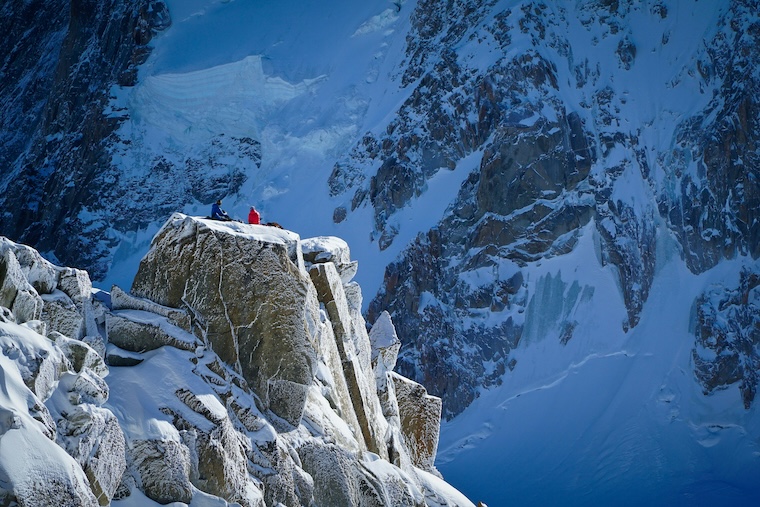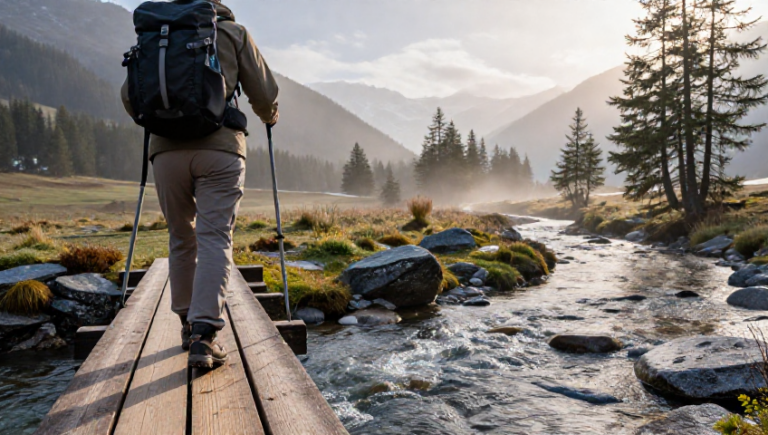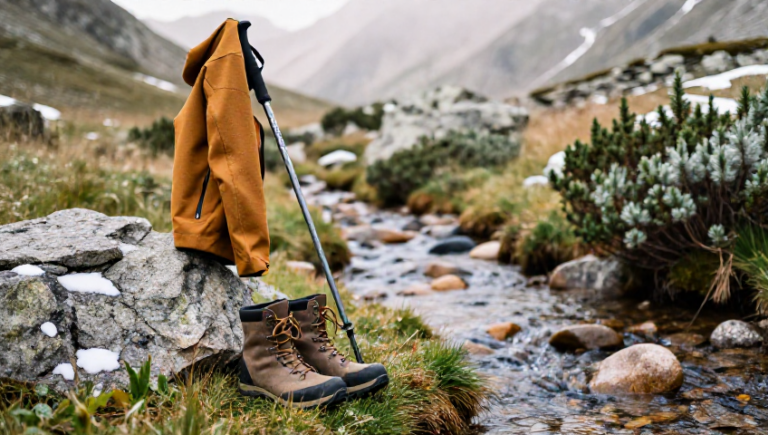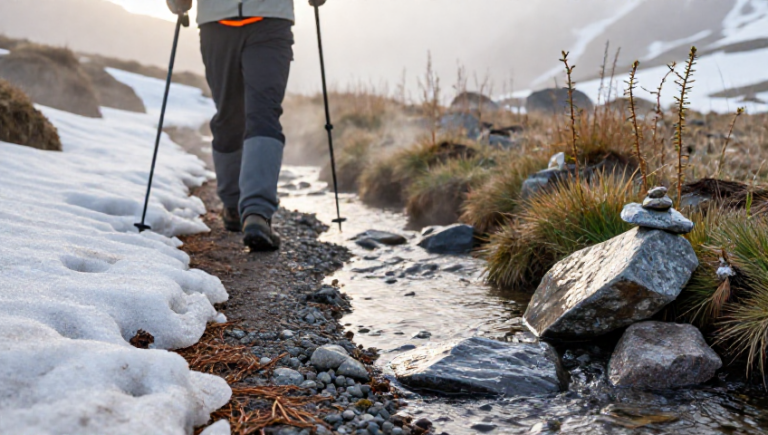
When you picture a summer mountain escape, the image of bright blue skies over snow‑capped peaks often comes first. Yet chamonix weather summer can be surprisingly varied—from warm, sun‑baked valleys to sudden alpine showers that turn a trail into a slick adventure. Let’s dive into the data, the daylight, and the details that let you plan a trip that feels just right.
From the bustling streets of Chamonix‑Mont‑Blanc to the serene high‑altitude meadows, every minute of daylight offers a new chance to explore. Below, we break down the numbers, the nuances, and the must‑do experiences that make a summer stay unforgettable.
Table of Contents
What does the climate look like in Chamonix during the summer?
Overall, the weather averages in chamonix paint a picture of mild days and cool evenings. Temperature usually reaches the low 20s °C (around 70 °F) in July, while August nudges the highs a few degrees warmer. Expect rainy days to pepper the calendar—about 8 – 10 per month—but they’re often brief, leaving plenty of dry windows for hiking. The mountain air stays fresh, with humidity hovering around 60 % on average.
“Even on the hottest July day, a gentle breeze off the glacier keeps the valley comfortable.”
- Average high in June: 18 °C (64 °F)
- Average high in July: 22 °C (72 °F)
- Average high in August: 23 °C (73 °F)
- Typical nightly low: 7 °C‑10 °C (45‑50 °F)
What are the average temperatures in July?
July is the warmest month in the valley, but “warm” is relative when you’re at 1,000 m above sea level. The average temperature hovers around 21 °C (70 °F) during the day, with peaks that can climb to 26 °C (79 °F) on unusually sunny afternoons. Nights drop back to a crisp 8 °C (46 °F), so a light jacket is still advisable.
Even at the base, the temperature gradient changes quickly as you ascend. For every 300 m you climb, you’ll lose roughly 2 °C, meaning a summit hike can feel decidedly cooler.
| Location | Daytime Avg (°C) | Nighttime Avg (°C) |
|---|---|---|
| Chamonix Valley (1 050 m) | 21 | 8 |
| Aiguille du Midi (3 842 m) | 4 | -2 |
| Grand Montets (2 500 m) | 12 | 2 |
How many hours of sunshine does Chamonix enjoy?
Sunlight is the real star of the Alpine summer. The region records hours of sunshine ranging from 6 – 8 per day in June to a bright 9 – 10 in July and August. That means the sunshine per day often exceeds 250 hours each month, giving you more daylight than most European capitals.
Because the sun stays high in the sky, you’ll experience extended “golden hours” just after midday, perfect for photography along the tour du mont blanc routes.
What can travelers expect for Chamonix weather in August?
August keeps the heat rolling but introduces a slight increase in rain frequency. While temperatures remain pleasant—average highs around 23 °C (73 °F)—the occasional thunderstorm can roll in after a hot afternoon. Weather forecasts frequently note a “chance of showers” on 12 – 14 days throughout the month.
For those planning high‑altitude climbs, the cooler nights (down to 6 °C/43 °F) are a welcome relief. However, be prepared for swift changes: a clear morning can turn into a misty afternoon, especially around the glacier basins.
Which month offers the best time to visit Chamonix?
Determining the best time to visit depends on personal preference. If you love mild month conditions with the longest daylight, late July strikes the perfect balance. Early June offers lower crowds and greener valleys, while mid‑August brings warmest water in the mer de glace lakes, ideal for swimmers.
All three months share a common benefit: the chamonix in the summer vibe—outdoor cafés, vibrant festivals, and open cable cars—makes for an unforgettable stay.
How often does it rain in Chamonix?
Rainfall is a subtle but regular companion. On average, rainy days occur about 9 – 11 per month during the summer. Precipitation amounts range from 50 mm in June to 70 mm in August. Most rain falls as brief, intense showers that quickly clear, leaving behind a refreshed scent of pine.
Because the valley sits at around 1 050 m, the air can become humid—especially after thunderstorms—so it’s wise to carry a waterproof jacket even on sunny mornings.
What outdoor activities can you enjoy in Chamonix during summer?
Summer turns Chamonix into an outdoor playground. Here are the top experiences, each suited to different fitness levels and interests:
- Trail running along the Vallée de Chamonix – routes range from gentle valley loops to technical high‑altitude tracks.
- Guided mountain climbing on classic faces such as the Aiguille du Midi or the Grandes Jorasses (for seasoned alpinists).
- Hiking the tour du mont blanc – a multi‑day trek that showcases the stunning French Alps scenery.
- Paragliding from the top of Le Brévent – enjoy a bird’s‑eye view of the Mont Blanc massif.
- Mountain biking on the extensive network of down‑hill trails near Grand Montets.
- Relaxing by the glacier-fed lakes, where sunshine per day makes the water perfect for a dip.
All activities benefit from the reliable hours of sunshine, but always check the Météo‑France forecast before heading out, as conditions can shift quickly at altitude.
You may also wonder
Is Chamonix safe for families in the summer?
Yes. The valley offers a range of family‑friendly hikes, gentle cable‑car rides, and educational nature walks. The weather tends to be mild, and most higher‑altitude trails have clear signage. However, parents should keep an eye on sudden weather changes and ensure kids stay hydrated during the warmest parts of the day.
Can I still ski in the summer?
While conventional downhill skiing is closed, the Bossons Glacier maintains a small ski area for adventurous souls. The snow is usually limited to a few weeks in June, and the experience is more about the novelty than alpine performance.
Do I need a special permit for high‑altitude climbing?
For most marked routes, a standard mountain pass suffices. However, climbs that cross glacier zones or approach the Mont Blanc summit often require a special permit and a qualified guide. Always verify the latest regulations before planning a summit attempt.
What are the typical wind conditions in summer?
Wind speed averages 10 – 15 km/h in the valley, but can gust up to 40 km/h on exposed ridges. The wind speed is usually strongest in the afternoon, especially around the Le Brévent and Aiguille du Midi areas. Bring a wind‑proof layer if you plan high‑altitude activities.
How does climate change affect summer weather here?
Long‑term data show a gradual rise in average summer temperatures of about 0.3 °C per decade, along with a slight increase in the frequency of intense thunderstorm events. While the overall pattern remains pleasant, visitors should be aware that snow‑line retreat may alter certain high‑altitude routes.
What is the typical daylight length in July?
Daylight lasts around 15 hours, with sunrise near 5:30 am and sunset around 9:30 pm. This long “day lasts on average” window is perfect for packing multiple activities into a single day.
Are there any local festivals worth timing my trip for?
Yes. The “Fête de la Montagne” in early July celebrates alpine culture with music, traditional food, and guided walks. August hosts the “Festival du Film Alpin” for cinema lovers, and both events benefit from the reliable summer weather.
Is public transport reliable during the high tourist season?
Chamonix’s bus network runs frequently, and the cable car system operates from early morning until late evening in summer. Expect higher demand during peak holiday weeks, but overall the system remains punctual.
What are the accommodation options for different budgets?
From luxury hotels overlooking the Mont Blanc massif to budget hostels in the town centre, Chamonix offers accommodations for every traveler. Booking early—especially for July—ensures better rates and a wider choice of rooms with a view.
Planning your Alpine adventure: final thoughts
In a nutshell, chamonix weather summer delivers a unique blend of sun‑kissed valleys, crisp mountain breezes, and occasional showers that keep the scenery lush. The data shows that July and August provide the most sunshine per day, while June offers greener landscapes and slightly fewer crowds.
Whether you’re chasing the trail running high, snapping photos of the glacier at golden hour, or simply sipping a coffee on a sunny terrace, the season invites you to embrace the outdoors with confidence. Keep an eye on the weather forecasts, pack layers for both warm and cool moments, and let the Alpine charm guide you.
So, when you decide the perfect moment to set foot in Chamonix, remember that the mountains are always ready—just as long as you respect the ever‑changing weather and the rhythm of the day.