When you picture the French Alps in summer, a canvas of bright blue skies, blooming alpine meadows and crisp mountain air usually comes to mind. Chamonix July weather packs all of that into a single, unforgettable month, and the valley’s micro‑climate adds a few surprises of its own. From gentle morning mist over the Mont Blanc massif to sudden afternoon showers that leave the trails sparkling, July offers a lively mix of sunshine and occasional rain, perfect for everything from high‑altitude hiking to relaxed après‑ski cafés on the terrasses.
What makes July especially appealing is the balance between warm daytime temperatures and cool evenings, a rhythm that lets you explore the Aiguille du Midi cable car, tackle the classic Grand Balcon Nord, or simply wander through the bustling town centre without breaking a sweat. In the sections that follow you’ll find practical data, activity suggestions, packing advice and local secrets that turn a good trip into a great one.
Table of Contents
Typical July Temperatures and Daylight in Chamonix
July is the sunniest month in the valley, averaging more than eight hours of direct light per day. Daytime highs in the town of Chamonix usually hover between 20 °C and 24 °C (68 °F‑75 °F), while the higher lifts and mountain refuges can feel a few degrees cooler, often staying around 15 °C. Nighttime temperatures drop to a comfortable 8 °C‑12 °C (46 °F‑54 °F), so a light jacket remains essential after the sun goes down.
Because the town sits at roughly 1,000 m (3,300 ft) and the surrounding peaks soar above 3,800 m (12,500 ft), you’ll notice a rapid change as you ascend. The UV index can be high even when the temperature feels mild, making sunscreen a non‑negotiable part of your kit.
| Location | Average Day Temp | Average Night Temp |
|---|---|---|
| Chamonix town | 22 °C (72 °F) | 10 °C (50 °F) |
| Le Brévent (2,525 m) | 16 °C (61 °F) | 6 °C (43 °F) |
| Aiguille du Midi (3,842 m) | 12 °C (54 °F) | 2 °C (36 °F) |
These figures are averages; you’ll still encounter days that feel hotter, especially during heatwaves that sweep the Rhône valley, and cooler spells when Atlantic fronts roll in. The key is to dress in layers – a breathable base, an insulating mid‑layer and a waterproof outer shell that can be zipped up or down as conditions shift.
Rainfall, Snow Melt and Weather Patterns
July brings about 50‑60 mm of precipitation, typically spread over 7‑9 days of the month. Showers often arrive as brief, convective bursts in the afternoon, leaving the mountains fresh and the air crisp. They can be intense enough to spray the higher trails, so waterproof gaiters and a sturdy rain jacket are wise companions.
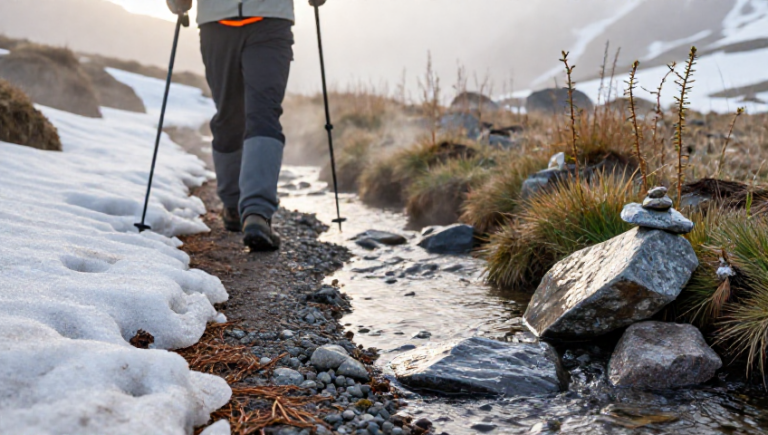
One of the most interesting aspects of chamonix july weather is the rapid snow melt that feeds the local streams. The meltwater creates vibrant waterfalls, such as the Cascade du Giétro, and enhances the flow of the Arve River, perfect for those who enjoy kayaking or simply watching the power of the Alps from a café terrace.
Micro‑climate Zones
- Valley floor: Warmer, wind‑protected, ideal for cycling on the Route des Grandes Alpes.
- Mid‑altitude slopes: More variable; expect sudden temperature drops and occasional hail.
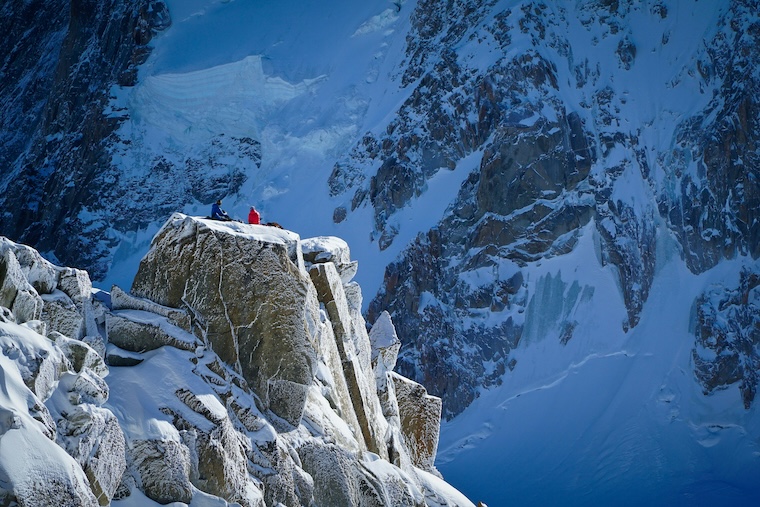
- High peaks: Thin air, strong sunshine, but also quick weather flips – a clear morning can become a foggy afternoon.
How to Stay Safe
Because weather can change in a matter of minutes, always check the meteoblue forecast before heading up a glacier. Carry a small emergency bivouac sack, a whistle, and enough high‑energy snacks if you plan to stray beyond the marked paths.
What Activities Thrive in July’s Climate
July is the sweet spot for a wide range of Alpine pursuits. The combination of reliable sunshine, moderate temperatures and long days creates an inviting playground for both adrenaline seekers and casual explorers.
High‑Altitude Hiking & Alpine Trails
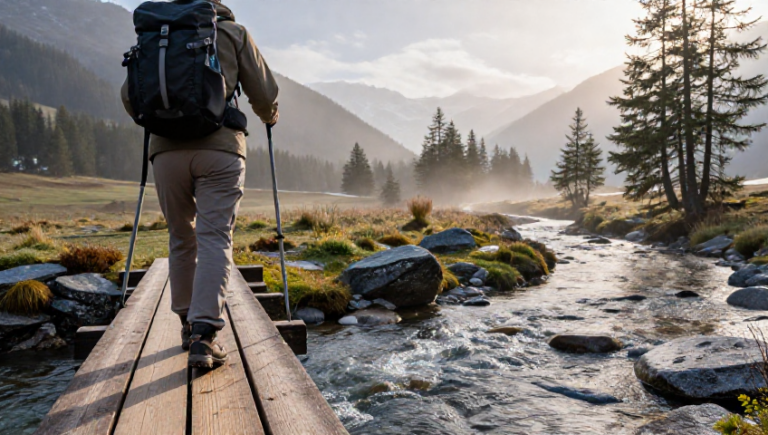
Routes like the Grand Balcon Nord or the Tour du Mont Blanc partial sections are at their best. With snow mostly gone from the classic passes, hikers can enjoy panoramic views of the Mont Blanc massif without the icy hindrances of early summer.
Mountain Biking & Gravel Riding
The Vallée de Chamonix hosts a network of single‑track trails that come alive in July. Popular descents such as the Le Tour loop near Les Houches provide a mix of technical sections and smooth flow, while the hamlet of Servoz offers quieter, forest‑lined routes for those preferring a relaxed ride.
Gondola‑Based Adventures
Take the Aiguille du Midi cable car up to the “Step into the Void” glass skywalk and experience the sensation of floating above the clouds. The early summer thaw usually leaves the surrounding glacial plateaux accessible for guided ice‑walks that don’t require crampons.
Summer Festivals & Local Culture
The town’s calendar buzzes with events: the Fête de la Musique on June 21 extends into July, and the Chamonix Summer Film Festival showcases Alpine documentaries in open‑air venues. Sampling local specialties, such as cheese fondue or a hearty bowl of tartiflette, after a day on the trails adds a delicious cultural layer to your adventure.

Packing Smart: Gear for the Summer Alpine
Getting your luggage right can make the difference between a comfortable stay and a constant battle with the elements. Below is a quick checklist that reflects the typical chamonix july weather profile.
- Breathable base layers (merino wool works wonders).
- Lightweight fleece or softshell for cooler mornings.
- Waterproof, wind‑resistant jacket with pit zips.
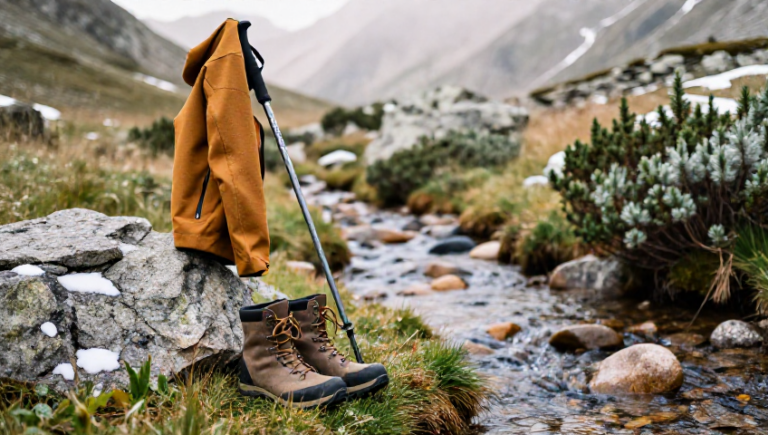
- Sturdy hiking boots with good ankle support – waterproof, but not too heavy.
- Gaiters for occasional mountain streams or muddy sections.
- Sun protection: SPF 50+ sunscreen, UV‑blocking sunglasses, and a wide‑brim hat.
- Hydration system (at least 2 L capacity) and electrolyte tablets.
- Compact daypack (20‑30 L) with rain cover.
- Optional: lightweight crampons or micro‑spikes for early‑season glacier crossing.
Don’t forget a reusable water bottle – the town’s fountains are refillable, and staying hydrated helps combat the higher altitude’s impact on the body.
Local Tips and Hidden Gems for a July Visit
While the main attractions draw crowds, a few off‑the‑beaten‑path spots let you enjoy the valley’s serenity.
Morning Alpine Breakfast at Le Flégère
Take the early cable car to Le Flégère and grab a croissant at the tiny mountain café. The view over the Mer de Glace is still mist‑shrouded, and the place is quiet before the day‑trippers arrive.
Sunset at Lac des Gaillands
Just a short bus ride from the centre, this alpine lake reflects the surrounding peaks in dazzling colours at dusk. Pack a small picnic and a waterproof blanket – the area has no formal facilities, so leave no trace.
Exploring the Alpine Botanical Garden
Located near the town’s entrance, the garden showcases rare flora that thrive at 1,600 m altitude. July is the peak blooming period; you’ll see edelweiss, alpine rose, and a surprising variety of wild herbs used in local cuisine.
Frequent Asked Questions
What temperature should I expect on the Aiguille du Midi in July?
The summit sits at 3,842 m, where average daytime highs are around 12 °C (54 °F) and nighttime can dip close to 2 °C (36 °F). Even though it feels cooler, the sun’s intensity is high, so wear layered clothing and bring sunscreen.
Is it safe to hike the Mer de Glace glacier in July?
Guided tours are offered throughout July, and most are safe for hikers with basic experience. However, because crevasses can appear quickly, always go with a certified guide and wear a helmet.
Can I ski in Chamonix in July?
Traditional downhill skiing is not possible, but the high‑altitude glacier at the Planpraz area sometimes offers limited summer skiing sessions. Check the local ski school schedule for exact dates.
Do I need a reservation for the Aiguille du Midi cable car?
Reservations are recommended during peak days, especially on weekends. You can book online a few weeks in advance; walk‑ins are still accepted but may involve a short wait.
What are the best days for spotting wildflowers?
Mid‑July, around the 15th‑20th, offers the most vibrant display of alpine flora, particularly in the valleys surrounding Les Houches and the high meadow at La Flégère. Early mornings provide the best lighting for photography.
Planning Your July Escape to Chamonix
To sum up, July in the French Alps gifts travelers a blend of mild warmth, abundant sunshine, and occasional refreshing showers – a recipe that keeps both outdoor enthusiasts and casual tourists satisfied. Monitor the daily forecast, pack versatile layers, and carve out time for both iconic sights (like the Aiguille du Midi) and quieter gems (such as Lac des Gaillands). With a little preparation, your July adventure can turn the valley’s natural beauty into lasting memories.
Whether you’re chasing the thrill of a high‑altitude bike descent or simply sipping a café au lait on a sunny terrace, the summer season in Chamonix welcomes you with open arms and crisp mountain air. So, pack that rain jacket, lace up your boots, and let the Alpine summer work its magic.