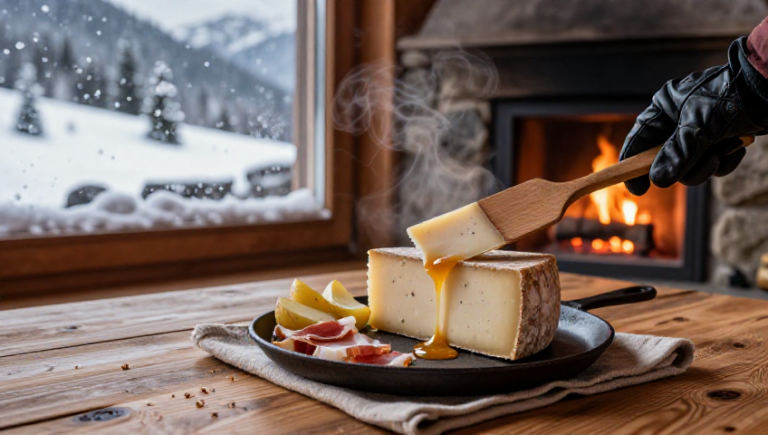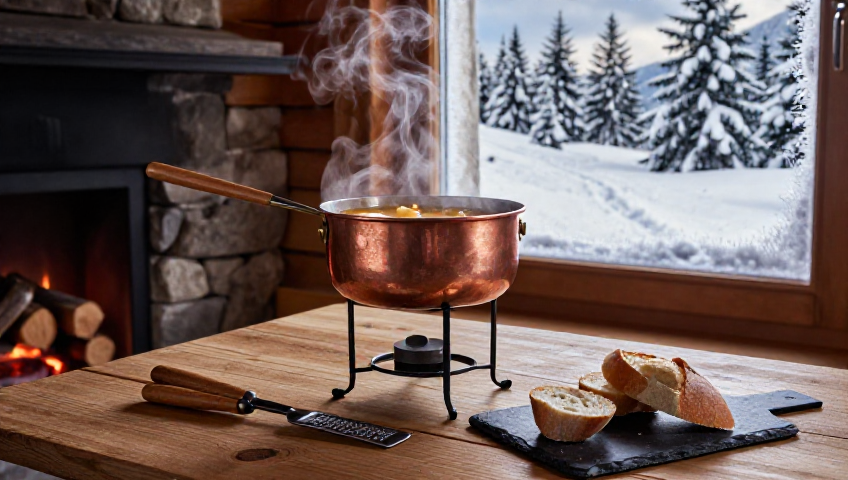
When the day’s ski runs wind down and the sun sets behind Mont Blanc, the emptying lifts of Chamonix give way to the warm glow of hearths and the clink of wine glasses. It is in this twilight hour that a cheese fondue transforms a simple dinner into a ritual of shared laughter, steam‑laden pots, and the unmistakable aroma of melted Beaufort and Gruyère. Whether you are a first‑timer on a ski holiday or a seasoned alpine foodie hunting the most authentic savoyard fondue, this guide shows you where to eat, how to cook, and what to expect from a true fondue night in the Valley of Chamonix.
From bustling restaurant terraces with mountain views to cozy back‑alley chalets where you can stir the pot yourself, we cover every angle: the best spots (including Le Monchu, La Calèche and Le Boccalatte), the classic cheese blend, essential accompaniments like white wine and a splash of kirsch, opening hours, price ranges and a handful of DIY fondue night ideas. Ready to dip your bread into liquid gold? Let’s dive in.
Table of Contents
Where to Find the Best Fondue in Chamonix
Chamonix’s culinary scene is a patchwork of high‑altitude bistros, historic chalets and modern eateries, each putting its own spin on the timeless cheese pot. Below are the venues that consistently earn top marks from locals and travellers alike.
Le Monchu – Rustic Charm with a Modern Twist
Located at 1 Rue du Lyret, Le Monchu blends veteran Alpine décor with a lively terrace that overlooks the town centre. Reviewers rave about its generous cheese selection (Beaufort, Comté and Emmental) and the friendly staff who happily demonstrate the correct way to swirl the fork. Prices hover around €30‑€35 per person for a full fondue set with bread, potatoes and cured meats – a fair deal for a restaurant that also serves a hearty raclette and a well‑curated list of white wine from the Savoie region.
La Calèche – Tradition Served on Cow‑Bell Shelves
At 18 Rue du Dr Paccard, La Calèche lives up to its name with walls adorned with vintage skis, cowbells and alpine photographs. The fondue here leans on a blend of Gruyère and Beaufort, enriched with a hint of kirsch for depth. The ambience is quintessentially Savoyard; you’ll hear the crackle of the communal fire and feel the chill of the mountain breeze through opened windows. Expect a price of roughly €28 per person, inclusive of a small side of pickles and a glass of local white wine.
Le Boccalatte – A Hidden Gem Near the Aiguille du Midi
Just a short walk from the Hotel l’Aiguille du Midi, Le Boccalatte offers an intimate dining room where the pot of cheese is the star. The menu highlights a “Savoyard complete” fondue, combining Beaufort, Comté and Emmental with a dash of garlic for aromatic punch. The restaurant’s moderate price point (€25‑€30) makes it an attractive stop after a day on the slopes, especially when paired with a crisp white wine and a side of fresh baguette.
La Crèmerie du Glacier – Alpine Lunch Away from the Crowds
Perched near the Grand Montets ski area, La Crèmerie du Glacier (766 Chem. de la Glacière) is a favourite among back‑country skiers. The fondue here is famed for its buttery texture, achieved by slow melting Gruyère with a splash of kirsch and a pinch of garlic. The setting—rustic wooden tables with panoramic mountain views—makes the €27 per person charge feel like a small indulgence.
Restaurant Le Fer à Cheval – Modern Chalet with Terrace
Located on Place du Poilu, Restaurant Le Fer à Cheval blends modern design with a classic Alpine menu. Their “fondue complete” includes a trio of cheeses (Beaufort, Comté, Emmental) and a side of charcuterie, served with a glass of alpine white wine. The price is around €32 per person, but the extra comfort of a heated terrace and mountain backdrop justifies the spend.
What Makes a Classic Chamonix Fondue?
Beyond the venue, the heart of any fondue lies in its ingredients. While each restaurant adds a personal flair, the core components are remarkably consistent across the valley.
- Cheese blend: A mix of Beaufort (for nuttiness), Comté (for depth), Gruyère (for smooth melt), and occasionally Emmental (for gentle sweetness). The typical ratio is 2 parts Beaufort to 1 part each of the others.
- White wine: A dry Alpine wine (often a Roussette or Chignin-Bergeron) adds acidity that balances the richness of the cheese.
- Garlic: One clove, halved and rubbed inside the pot, imparts a subtle aromatic note.
- Kirsch: A splash (about 2 cl) brightens the mixture and adds a whisper of fruit.
- Seasoning: Freshly ground black pepper and a pinch of nutmeg, plus a few drops of lemon juice for extra tang.
Served with boiled baby potatoes, cornichons, pickled onions, and fresh crusty baguette, the fondue becomes a communal experience. Many establishments also offer a side of chilled white wine to sip between bites, enhancing the cheese’s creaminess.
DIY Fondue Night – Bring the Alpine Magic Home
When a fondue night at a restaurant isn’t possible, recreating the magic in your chalet or apartment is surprisingly easy. Below is a step‑by‑step guide for a DIY fondue night that would make even the chefs at Le Monchu nod in approval.
- Gather the cheese: Buy 250 g each of Beaufort, Comté, Gruyère and Emmental. Grate or cut into small cubes for even melting.
- Prep the broth: In a traditional ceramic pot, rub the interior with a halved garlic clove, then pour 300 ml of dry white wine and a splash of water.
- Heat gently: Place the pot over a low flame or a portable fondue burner. Stir the cheese in a figure‑eight motion until smooth.
- Season: Add 1 tsp of lemon juice, a pinch of pepper, and 2 cl of kirsch. Taste and adjust.
- Serve: Arrange bite‑size bread cubes, boiled potatoes, cured ham and cornichons on a platter. Dip, swirl, and enjoy.
For a solo adventure, try a “fondue for one” using a 200 ml mini pot, a single slice of baguette, and a personal glass of Alpine white wine. It’s a perfectly cozy way to end a long day on the slopes.
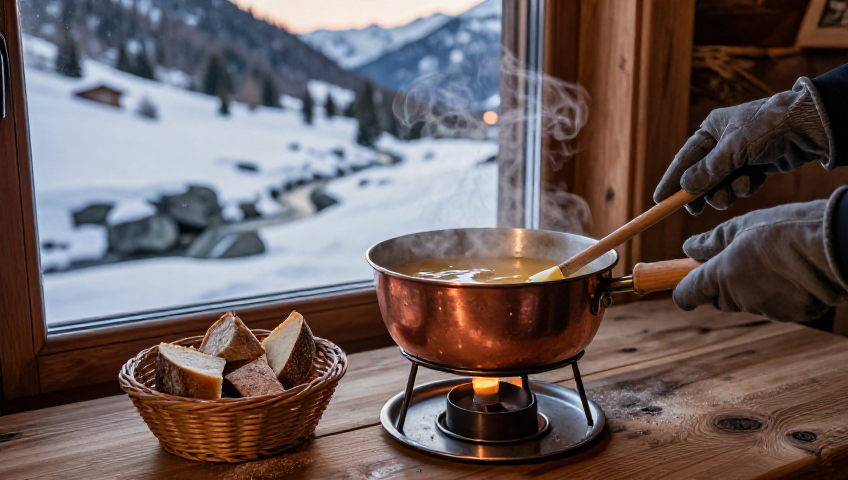
Top Tips for an Unforgettable Fondue Night
Even the finest cheese can fall flat without the right technique. Here are our top tips for fondue night, distilled from local chefs and seasoned diners.
- Keep the heat low: High heat scares the cheese into separating, creating oil‑y pockets.
- Stir constantly: A slow, circular motion prevents the cheese from sticking and ensures an even melt.
- Use the right glassware: A slender white wine glass keeps the wine cooler longer, preserving its acidity.
- Don’t overload the pot: Fill the pot only two‑thirds full; the cheese expands as it melts.
- Finish with a splash of kirsch: This brightens the flavour and adds a fragrant finish.
And remember, the best fondue night isn’t just about the food—it’s about conversation, laughter, and the crackle of the fire echoing off the surrounding peaks.
Practical Details: Opening Times, Prices and How to Book
Knowing when the fondue hot‑spot opens can save you a night of disappointment. Below is a quick reference table for the featured restaurants.
| Restaurant | Opening Hours (Winter) | Average Fondue Price (per person) |
|---|---|---|
| Le Monchu | Mon‑Sat 12:00‑22:00; Sun 12:00‑20:00 | €30‑€35 |
| La Calèche | Mon‑Sun 12:30‑22:30 | €28‑€32 |
| Le Boccalatte | Tue‑Sun 12:00‑22:00 | €25‑€30 |
| La Crèmerie du Glacier | Mon‑Fri 11:30‑22:00; Sat‑Sun 09:00‑22:00 | €27 |
| Restaurant Le Fer à Cheval | Mon‑Sat 12:00‑23:00; Sun 12:00‑20:00 | €32 |
Reservations are highly recommended, especially on weekends and during peak ski periods. Most venues accept online booking through their websites or via a quick phone call. For spontaneous trips, Le Monchu and La Calèche often keep a few tables on a first‑come‑first‑served basis.
Frequently Asked Questions
Can I find a gluten‑free fondue in Chamonix?
Yes. Many restaurants, including Le Monchu and La Calèche, offer gluten‑free bread alternatives or serve the cheese pot with boiled potatoes and gluten‑free crackers upon request.
Is it common to add a splash of brandy instead of kirsch?
While kirsch is the traditional Alpine spirit, some chefs substitute local brandy or even fruit liqueur for a milder flavour. The key is to keep the addition around 2 cl to avoid overpowering the cheese.
Do I need to bring my own wine?
No, the majority of fondue‑specialist restaurants provide a curated list of Alpine white wine that pairs perfectly with the cheese blend. However, a few upscale venues might allow you to bring a bottle of your favourite wine for a small corkage fee.
What is the difference between a Swiss fondue and a French fondue?
A Swiss fondue typically uses a higher proportion of Gruyère and Emmental, often with a clear, buttery texture. A French fondue (especially in Chamonix) leans on Beaufort and Comté, adding a nuanced fruity note from the alpine wine and kirsch. Both are delicious; the choice comes down to personal taste.
Are there any fondue‑friendly ski lifts?
While no lift is dedicated to cheese, the Aiguille du Midi cable car area hosts several restaurants (e.g., Le Boccalatte) where you can enjoy fondue with panoramic views of Mont Blanc after a lift ride.
Alpine Cheese Bliss Awaits
From the fragrant aroma of melted Beaufort to the comforting clink of glasses filled with crisp white wine, a fondue night in Chamonix is more than a meal—it’s a celebration of mountain culture, shared moments, and the timeless pleasure of dipping bread into liquid gold. Whether you choose the bustling tables of Le Monchu, the intimate hearth of La Calèche or decide to whip up your own pot in a chalet, the valley’s unbeatable combination of fresh air, spectacular mountain views and hearty cheese will leave you yearning for one more bite. So pull on your boots, warm up that pot, and let the flavors of the Alps melt your heart.