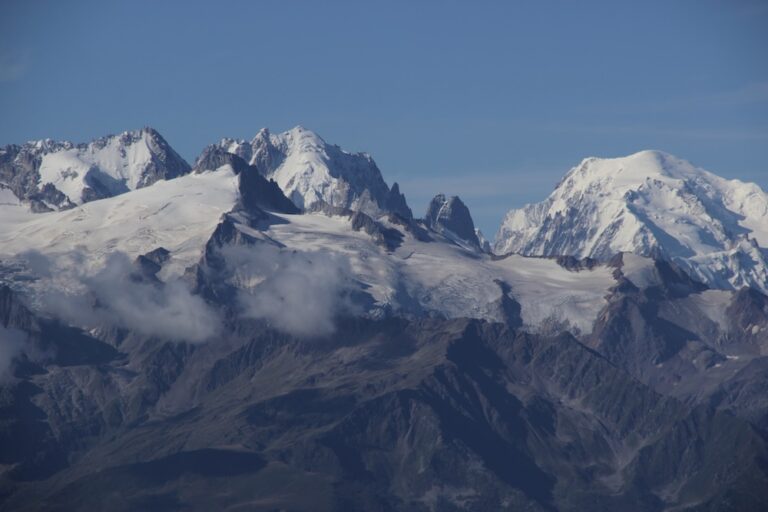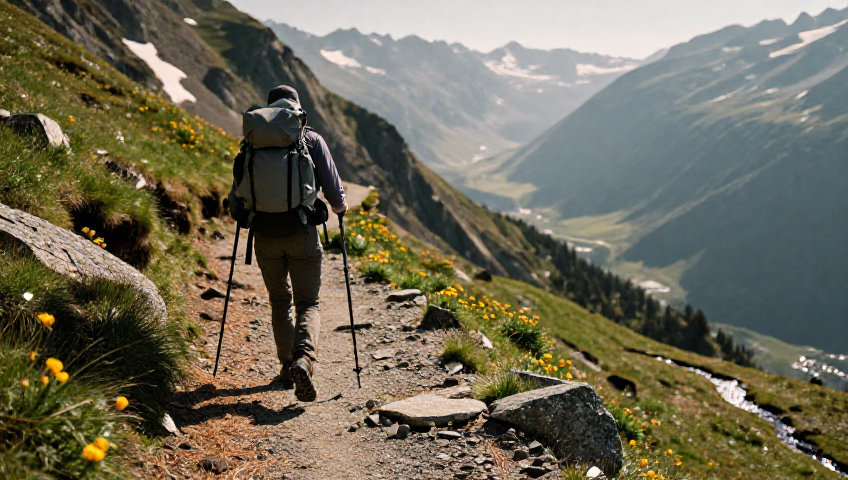
Imagine waking up to the crisp scent of pine, the silhouette of Mont‑Blanc looms on the horizon, and a trail that winds through three countries in a single step. The Tour du Mont-Blanc Hike delivers that cinematic moment to anyone willing to lace up their boots and follow the ridge. From the bustling chalets of Chamonix to the tranquil valleys of Courmayeur, the trek stitches together culture, geology and pure mountain drama. Whether you’re a seasoned thru‑hiker or a first‑time long‑distance walker, the route offers a balance of challenge and reward that keeps you moving, dreaming and snapping photos at every turn.
What makes the TMB stand out isn’t just its 170 km length; it’s the way the trail adapts to every style of travel. You can trek it in a compact 7‑day sprint, linger for a leisurely 11‑day immersion, or even join a guided package that handles logistics while you focus on the view. Below we break down the essential decisions, practical tips and hidden gems that will turn your planning from daunting to downright exciting.
Table of Contents
Understanding the Trail: Map and Basics
The first step is getting a clear picture of the geography. The classic loop starts in Les Houches, arcs north‑west through the French Alps, dips into Italy’s Aosta Valley, climbs back into Switzerland’s Valais, and returns to France. A reliable Tour du Mont Blanc hike map shows three main passes – the Col de Balme, the Col de Sallanche and the Grand Canyon of the Swiss Valais – each with its own character.
Key map features to note:
- Altitude profiles for each segment (most days involve 800‑1,200 m elevation gain).
- Refuge locations marked with a small “R”.
- Points of interest – glacial lakes, historic chapels, and the iconic Mer de Glace.
Because the trail hugs the watershed divide, weather can shift dramatically within a single day. I always carry a pocket‑sized forecast card; it saves you from being caught unprepared when a sudden Alpine thunderstorm rolls in from the north.
Choosing Your Style: Self‑Guided vs Package Tours
There’s a philosophical side to this decision. A self‑guided trek is a dialogue with the mountain – you set the pace, decide when to linger at a viewpoint, and have full control over accommodations. In contrast, a Tour du Mont Blanc hike package removes logistical friction: transport to the start point, pre‑booked refuges, and often a local guide who knows the quirks of each mountain pass.
Pros of a self‑guided approach:
- Maximum flexibility – you can add a day in Courmayeur for a culinary detour.
- Cost‑effectiveness if you’re comfortable with bookings.
- Sense of accomplishment from solving trail challenges yourself.
Pros of a package tour:
- All bookings handled, reducing the risk of a full refuge.
- Local insights – guides can point out hidden waterfalls that aren’t on maps.
- Safety net for emergencies, especially for solo hikers.
My own experience was a hybrid: I booked refuges in advance for the busiest sections (Les Contamines, Rifugio Bonatti) but kept the rest open, allowing me to stay a night longer at the iconic Lac Blanc when the sunrise was spectacular.
Planning the Itinerary: 7‑Day, 9‑Day, or Classic 11‑Day Options
The classic TMB is often done in 11 days, but time constraints have birthed shorter variants. Below is a quick snapshot of three popular itineraries.
| Duration | Typical Daily Distance | Key Highlights |
|---|---|---|
| 7 days | 25‑35 km | Leisurely stay at Courmayeur, early start to Grand Col |
| 9 days | 22‑30 km | Extra night at Lac des Arolles, extended Alpine meadow walks |
| 11 days | 18‑25 km | Full immersion – all major passes, extra night at Trient |
Sample 7‑Day Schedule (Self‑Guided)
- Day 1 – Les Houches to Les Contamines (15 km) – gentle ascent, first night in a family‑run refuge.
- Day 2 – Les Contamines to Courmayeur (30 km) – cross the Col de Balme, enjoy Italian espresso.
- Day 3 – Courmayeur to La Fouly (28 km) – spectacular glacier views; optional detour to Mont Jura.
- Day 4 – La Fouly to Champex (22 km) – valley walk, lakeside camping possible.
- Day 5 – Champex to Trient (20 km) – ascend the Col de Pied balé, night in a Swiss chalet.
- Day 6 – Trient to Chamonix (24 km) – final descent, celebrate at the Aiguille du Midi cable car.
- Day 7 – Rest day in Chamonix – recover, explore the town, plan your next adventure.
For those with more time, the 9‑day and 11‑day versions add extra night stops in iconic refuges such as Refuge d’Argentière and Rifugio Elisabetta, giving you a chance to soak in the alpine ambience without a rushed pace.
Where to Rest: Refuges, Cabins, and Alpine Hospitality
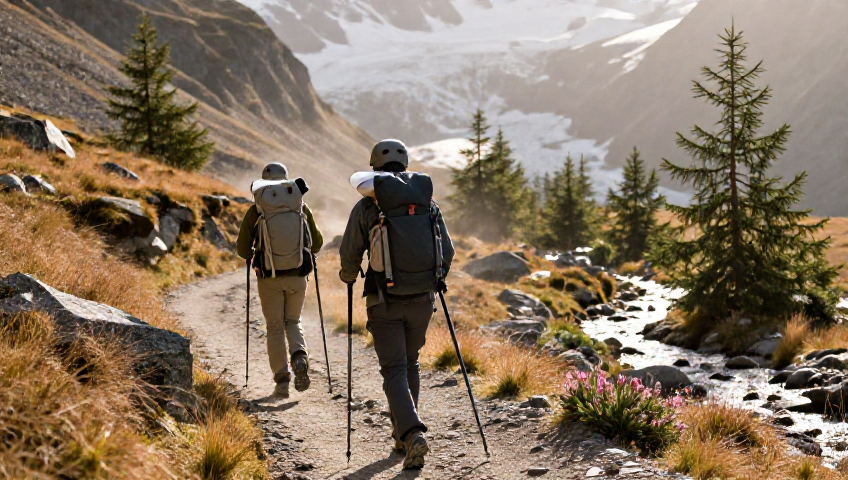
Accommodations along the TMB are a blend of historic mountain huts and modern hostels. The term “refuge” in French, “rifugio” in Italian and “hütte” in German all refer to places where you can sleep under a roof, refuel, and share stories with fellow trekkers.
Key considerations when selecting a refuge:
- Altitude: Higher refuges (e.g., Refuge de la Croix du Bonhomme at 2,479 m) can be colder but offer unbeatable sunrise views.
- Capacity: Popular spots close early; a reservation is essential in peak season (July‑August).
- Facilities: Some have hot showers and private rooms, while others offer basic bunk beds and communal cooking areas.
One anecdote: I once arrived at Rifugio Bonatti after a sudden snowstorm. The staff, a family of five, served hot chocolate and recounted the legend of Walter Bonatti, the legendary Italian alpinist who first summited the nearby Mont Blanc du Tacul. Their hospitality turned a chilly mishap into a treasured memory.
Assessing Difficulty and Preparing Physically
The Tour du Mont-Blanc hike difficulty varies day by day. Overall, it’s rated as moderate‑to‑hard because of the cumulative elevation gain and the need to navigate rocky passes. Below is a quick reference.
| Pass | Elevation Gain (m) | Technical Difficulty |
|---|---|---|
| Col de Balme | 1,067 | Easy – well‑marked path |
| Grand Col de Freud | 950 | Moderate – some rocky sections |
| Col de Gianlorenzo | 1,200 | Hard – steep ascent, possible snow |
Training tip: incorporate at least two hill‑repeats per week, and practice with a loaded backpack (10‑12 kg). I personally spent three months walking 15 km on local hills around Lake Geneva, adding weighted vests to simulate the TMB load.
Don’t forget the mental side. The altitude isn’t extreme, but weather can flip from sunny to foggy in minutes. Building confidence through shorter multi‑day hikes (e.g., the 2‑day “Alpine Lakes Loop” near Annecy) helps you stay calm when the trail gets technical.
Capturing the Experience: Photographic Highlights
Every step on the TMB feels like a frame waiting to be captured. The Tour du Mont Blanc hike photos you’ll collect range from emerald alpine lakes to dramatic ridgelines. Here are five must‑shoot spots:
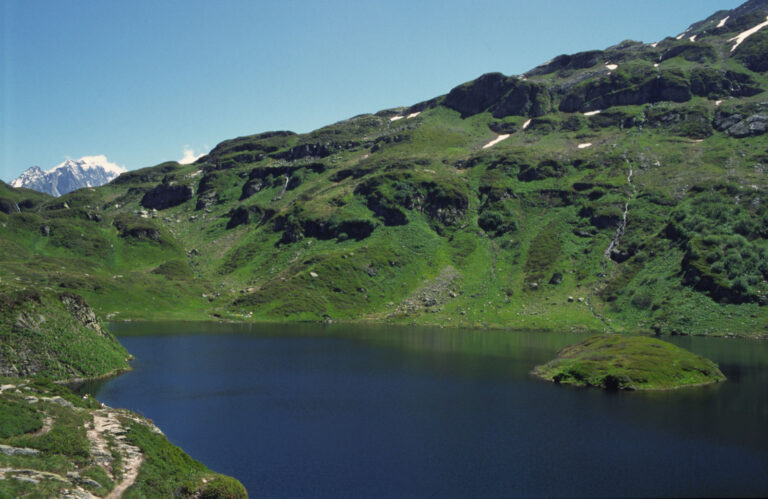
- Lac Blanc: Early morning, the lake mirrors the Mont Blanc massif – perfect for long exposures.
- Refuge du Goûter: Sunset silhouettes against the glacier.
- Grand Col de Freud: Panoramic sweep of Italy, France and Switzerland in one shot.
- Courmayeur’s Piazza: Nightlife and illuminated streets provide a contrast to daylight trekking.
- Chamonix’s Aiguille du Midi: A final aerial perspective; consider the cable‑car platform for a bird’s‑eye view.
Technical tip: a lightweight 24‑MP mirrorless camera with a 24‑70 mm lens covers most situations. For the wide‑angle mountain vistas, add a 14‑24 mm zoom; a polarizing filter reduces glare on icy surfaces.
Comparing the TMB to Other Iconic Treks (Mount Kilimanjaro Insight)
Many travellers wonder how the TMB stacks up against world‑famous routes like Mount Kilimanjaro. While Kilimanjaro is a single‑peak summit trek (5895 m) completed in 6‑9 days, the TMB offers a circular, multi‑terrain experience that blends high‑altitude passes (max 2,800 m) with cultural villages, lake crossings and glacier strolls.
Key differences:
- Altitude: Kilimanjaro presents a higher summit, but the TMB’s daily elevation changes feel more cumulative.
- Terrain: Kilimanjaro is primarily volcanic ash and scree; TMB adds rock, tundra, forest, and alpine meadows.
- Logistics: Kilimanjaro often includes a guide and porters; the TMB can be done entirely self‑guided.
Both treks demand preparation, yet the TMB rewards you with a cultural tapestry as diverse as the three countries it traverses, something a solitary summit simply can’t match.
Frequent Asked Questions
How long does it take to hike the Tour du Mont Blanc?
The 170 km (105 mile) TMB route via France, Italy and Switzerland typically takes 11 days, though many hikers opt for 7‑day or 9‑day variations depending on fitness and time constraints. Each direction (clockwise or anti‑clockwise) offers a slightly different flow of ascents and descents.
Can a beginner do the Tour du Mont Blanc?
Yes—beginner backpackers can absolutely tackle the TMB with the right preparation. The trek is physically demanding, featuring daily elevation gains up to 1,000 m and rocky terrain, but steady conditioning, proper gear and a sensible pace make it achievable. Starting with shorter, high‑altitude hikes in the Alps can build confidence before the full circuit.
What is the best time of year to hike the TMB?
Late June to early September offers the most stable weather and fully open mountain passes. July and August are peak months, so expect crowded refuges; booking early is essential. Early June can be rainy, while late September brings early snow on higher passes.
Do I need a special permit or insurance?
No specific permit is required for the TMB itself, but it’s wise to have comprehensive travel insurance that covers high‑altitude trekking and mountain rescue. Some refuges ask for a small fee to contribute to trail maintenance.
How can I carry my gear efficiently?
A lightweight rucksack (30‑35 L) with a waterproof rain cover works well. Pack layered clothing, a sturdy pair of hiking boots, and a compact sleeping bag if you plan any bivouac nights. Many hikers also use trekking poles to reduce knee strain on steep ascents.
Is it possible to do the TMB in winter?
Winter ascents are technically possible but require mountaineering experience, crampons, and an ice axe. The trail is not marked, avalanche danger rises, and most refuges are closed. For most hikers, the snow‑free months remain the safest and most enjoyable option.
What Lies Ahead for Your TMB Adventure
From mapping the route to choosing the right refuge, the Tour du Mont‑Blanc Hike is a mosaic of decisions that shape an unforgettable journey. Remember that preparation is a blend of practical logistics and personal mindset: train your legs, pack smart, and keep an open heart for the spontaneous moments that make the Alps special.
Whether you plunge into a compact 7‑day sprint, savor the classic 11‑day loop, or compare your trek to the legendary Mount Kilimanjaro, the trail promises towering peaks, crystal‑clear lakes, and a community of fellow adventurers. So tighten your boots, snap that first photo at Lac Blanc, and let the mountains guide you toward new horizons.