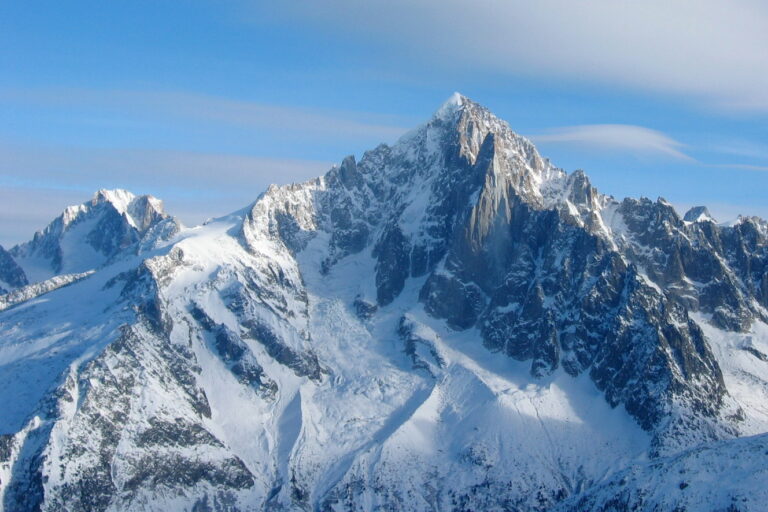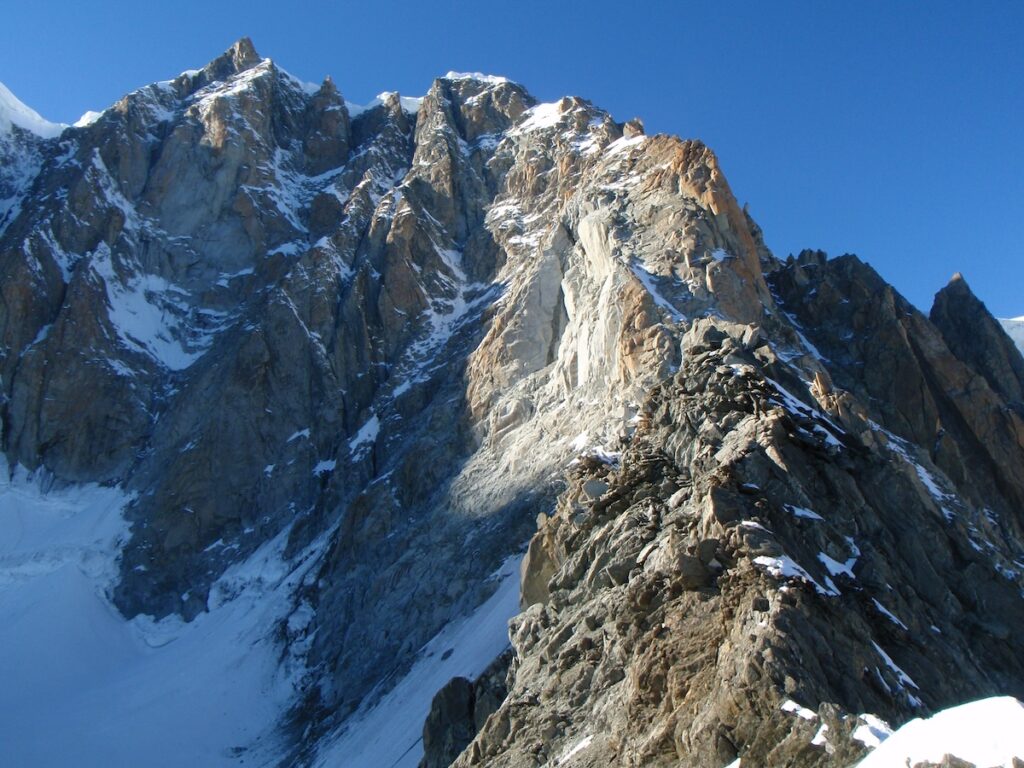
Rising like a dark sentinel above the Cirque Maudit, Mont Maudit crowns the French‑Italian border at 4,465 m, offering a mix of sublime rock, icy gullies and legendary stories. Its name – “cursed mountain” – hints at the avalanche‑prone snow‑slopes and the stark north‑face that has tested generations of alpinists. Yet for those who respect the weather, study the routes and respect the refuge des Cosmiques, the summit grants a view that rivals any peak in the Graian Alps. From the bustling town of Chamonix to the remote bivouac shelters, this guide walks you through everything you need to know before you set foot on this iconic wall of the Alps.
Whether you aim for the historic Kuffner ridge, the demanding North ridge or simply a day hike through the glacier‑filled valleys, we’ll explore the mountain range’s geography, the logistics of getting there, the paperwork that can halt a climb, and the best season for a safe ascent. Along the way, you’ll meet the huts, the maps, the books and the tiny anecdotes that turn a technical climb into a personal adventure.
Table of Contents
Overview of Mont Maudit
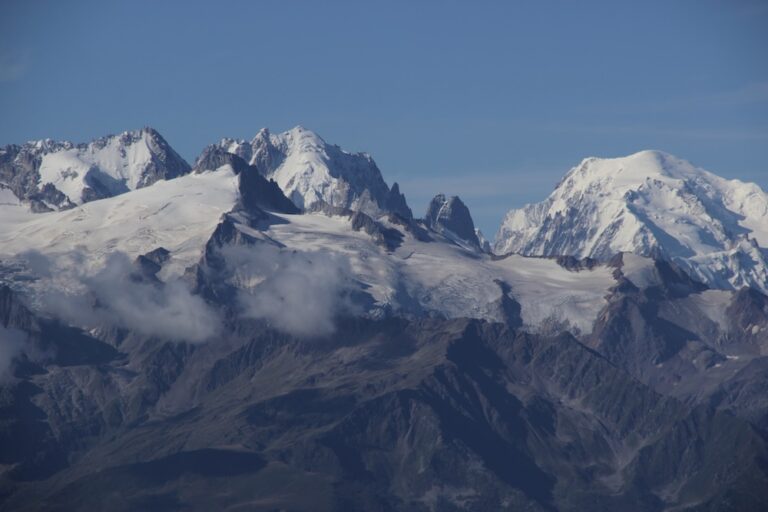
Mont Maudit sits on the spine of the Mont Blanc massif, just a short distance from the famous Aiguille du Midi. Its elevation of 4,465 m places it among the highest high mountain peaks in western Europe, with a prominence of roughly 500 m and an isolation that makes it feel like a world apart. The mountain is split by three main glaciers: the glacier de la Brenva, the glacier du Miage and the smaller ice field that feeds the Cirque Maudit. These icy blankets create classic ice ascent scenarios and shape the most popular climbing routes.
The most iconic line is the Kuffner ridge, first conquered in 1887, which climbs the NW ridge and continues over the North ridge before reaching the summit. The ridge is a blend of rock climbing, mixed sections and occasional snow‑slopes, making it a true test of mountaineering skill. A lesser‑known alternative is the SE ridge, which follows a more direct line but requires a solid mixed route experience.
Getting there
The journey begins in the valley town of Chamonix, Haute‑Savoie, France. From the town centre, a cable car rides up to the Refuge Cosmiques and Refuge des Cosmiques on the Aiguille du Midi – a quick way to bypass the first 2,500 m of ascent. For those who prefer a more traditional start, the hike from the Gondola station at Les Houches up to Col du Trident offers stunning panoramas and a chance to acclimatise.
Once at the Refuge Cosmiques, the standard approach to Mont Maudit follows the south side of the Cirque Maudit**. A short scramble leads to the North face couloir – the starting point for both the Kuffner and SE ridges. The entire approach can be completed in 3‑4 hours depending on fitness and weather, but many climbers opt to spend a night in the refuge to rest before the technical sections.
Route overview
Below is a concise snapshot of the three most travelled routes. The table summarises difficulty, typical time, and key hazards.
| Route | Grade | Typical time from refuge | Main hazard |
|---|---|---|---|
| Kuffner ridge (NW & North) | PD+/AD‑ | 5‑6 h | Rockfall and cornices |
| SE ridge | AD | 6‑7 h | Ice‑slick sections |
| North face direct | D | 7‑9 h | Avalanche risk on snow‑slopes |
All three routes converge at the summit plateau, where the final push is a short scramble across a rocky crest. The summit view stretches from the Mont Blanc massif to the Italian peaks of the Gran Paradiso, offering a 360° panorama that justifies the effort.
Red tape and permits
Climbing in the French Alps does not require a special permit for most routes, but the area is part of the Mont Blanc Natural Reserve, which enforces strict waste‑management rules. If you plan to camp outside the official huts – for instance on the ridgetop of Mont Maudit – you must obtain a camping authorization from the local office in Chamonix-Mont-Blanc. The paperwork is minimal: a short form, a fee of €12, and a commitment to leave no trace.
For the Italian side, the Parco Nazionale del Gran Paradiso imposes similar regulations. Crossing the border via the Col du Trident is allowed without a visa for EU citizens, but non‑EU climbers should verify their Schengen status before departing.
When to climb
The ideal window runs from late June to early September, when the snow‑slopes are stable and the glaciers have receded enough to expose the rock. Early season (June‑July) offers firm snow, ideal for the ice ascent sections, but the risk of crevasses is higher. Late summer (August‑September) brings warmer weather, reducing avalanche danger but increasing exposure on rock faces.
Winter ascents are rare but not unheard of; the first winter ascent was recorded in 1973. If you attempt a winter climb, be prepared for deep snow, sub‑zero temperatures and an increased likelihood of avalanche activity. A full set of ice tools, crampons and a high‑performance bivouac sack become mandatory.
Camping on Mont Maudit
For the adventurous, bivouacking on the summit ridge is a memorable experience. The typical spot is a flat ledge near the North ridge where the wind is less severe. Though the altitude makes warmth a challenge, a quality mountain hut sleeping bag rated to –15 °C and a compact stove are enough to survive a night under the stars.
Remember that the high‑altitude environment can cause rapid weather changes. An unexpected storm can drop temperatures by 10 °C in minutes, so always carry a emergency blanket and keep your headlamp within reach.
Mountain conditions and general infos
Weather in the Alps is notoriously fickle. In the Cirque Maudit, morning fog can linger until noon, making early navigation tricky. The most reliable source for real‑time conditions is the Météo‑France mountain forecast, which updates every three hours and includes wind, temperature and avalanche risk.
Typical snow‑slopes on the south side range from 30‑45 degrees, while the north face can present walls of 50‑60 degrees when the snowpack hardens. The glacier de la Brenva has a moderate crevasse field that can be negotiated by an experienced group using a rope team. Always test each step before committing to the next pitch.
Maps, books and further reading
Topographic accuracy is essential. The French Institut Géographique National (IGN) offers the 1:25 000 “Carte Topographique” covering the entire Mont Blanc massif. For a detailed route analysis, the Alpine Club’s “Guides of the Alps” series includes a chapter on Mont Maudit, complete with altitude profiles and historic anecdotes.
Recommended reading:
- “Mont Blanc – The Complete Guide” – ISBN 978‑2‑9701370‑5‑6
- “Alpine Climbing: The Art of Route Finding” – ISBN 978‑0‑983370‑2‑9
- “Legendary Peaks of the Graian Alps” – a collection of personal accounts from the first ascent to modern winter attempts.
Dedication
This guide is dedicated to Rahel, whose passion for the high mountains inspired the first ascent of the North ridge in 1989. Her meticulous notes on weather patterns and route feeback continue to help climbers navigate the challenging terrain of Mont Maudit.
Frequent Asked Questions
Why is Mont Maudit called the cursed mountain?
Legend speaks of a “white lady” spirit that haunts the ridge, causing sudden avalanches and unpredictable weather. While the myth adds mystique, the real danger lies in the frequent cornice collapses on the north side, which have claimed several lives over the centuries.
How does the difficulty of Mont Maudit compare with Mont Blanc?
Both peaks share the same alpine environment, but Mont Maudit presents more technical rock sections and mixed terrain. While Mont Blanc can be climbed as a high‑altitude trek with proper acclimatisation, Mont Maudit usually demands prior climbing experience, especially on the Kuffner ridge.
What equipment is essential for a summer ascent?
A sturdy alpine harness, double‑rope system, helmet, and crampons for the glacier sections are mandatory. Many climbers also carry a lightweight ice axe for emergency self‑arrest. In summer, a single‑layer insulated jacket and a sun‑protective hat are often enough for the summit push.
Can I combine a hike to Mont Maudit with a visit to Aiguille du Midi?
Absolutely. The Aiguille du Midi cable car brings you to 3,842 m, where the Refuge des Cosmiques sits. From there, a short scramble leads to the start of the Kuffner ridge, allowing you to enjoy both the panoramic “observation deck” and a serious alpine climb in one day.
Is a guide required on Mont Maudit?
No legal requirement exists, but for those without extensive Alpine experience, hiring a certified guide is strongly advised. Guides know the local weather patterns, can navigate crevasses safely and help you comply with the red tape concerning camping permits.
Looking ahead on Mont Maudit
Climbing Mont Maudit is more than a physical challenge; it’s an immersion in a landscape where history, geology and human ambition intersect. By understanding the routes, respecting the conditions and preparing diligently, you join a lineage of mountaineers who have tasted the summit’s unique silence.
Whether you aim for the classic Kuffner ridge, a daring winter traverse, or simply a day trek through the Cirque Maudit, the mountain rewards patience and preparation with a view that stretches across the Alps and beyond. Pack your gear, check the forecast, and let the spirit of the “cursed mountain” inspire your next adventure.