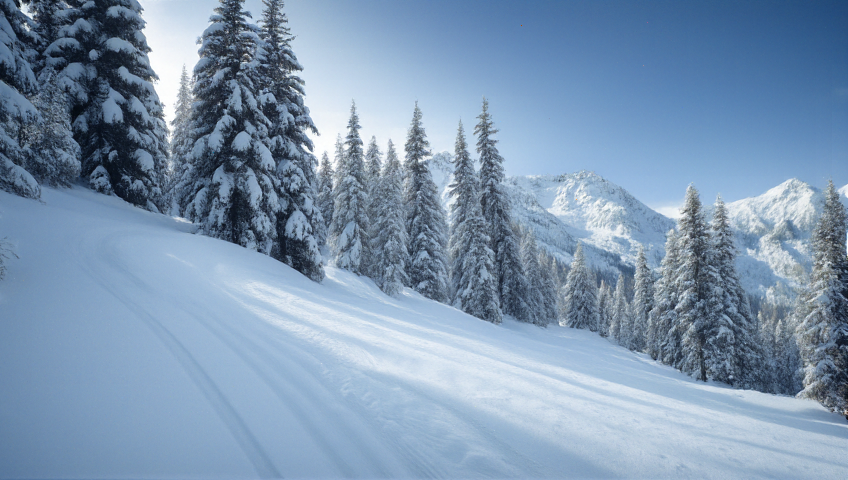
Planning a journey from the United States to the heart of the French Alps can feel like solving a puzzle : airports, train schedules, mountain lifts, and local buses all have to fit together. When you finally stand on the snow‑capped peaks of Chamonix, every minute of research pays off. From the moment you land at an international airport to the last lift ride at Aiguille du Midi, this guide walks you through every step, keeping an eye on price, time, and the sheer joy of Alpine travel.
Whether you’re hunting a cheap flight on Expedia, figuring out the best airport transfer from Geneva, or planning a family stay in a chalet, we’ve gathered the data, tips, and insider knowledge you need. Let’s dive into a seamless trip that balances budget and experience while you explore the iconic Mont Blanc valley.
Table of Contents
How to travel from USA to Chamonix?
Getting from the United States to the Alpine resort involves a few strategic moves. The most common route is to fly into a major international airport such as Geneva or Zurich, then transfer by bus or train. For those who prefer a single‑ticket experience, consider a flight to Geneva followed by a direct airport transfer to Chamonix.
United states to chamonix travelers often ask whether a stopover in Paris Charles de Gaulle makes sense. While a layover can add a few hours, it sometimes offers cheaper fares, especially with airlines like Air France or United. If you’re looking for a quick connection, the bus from Malpensa airport to Milan and then a train to Geneva can be an easy alternative.
- Fly into Geneva Airport, the closest international gateway (≈ 1 hour by road).
- Book a bus from the airport to the Chamonix Sud bus stop : services run every 30 minutes.
- Alternatively, take a train from Geneva to Martigny and change to the Mont-Blanc Express line.
- For those with a rental car, the drive is a scenic 80‑km route, usually under 1.5 hours.
Pro tip: booking your airport transfer online with a reputable provider often secures a discount and guarantees a door‑to‑door service, especially during peak ski season.
What are the best flights to Chamonix?
Finding the right flight is a blend of price‑watching and timing. Cheap options usually appear on Expedia or directly on airline sites. Here’s a quick rundown of carriers and routes that consistently deliver good value:
| Airline | Typical Route | Notes |
|---|---|---|
| Air France | NYC → Paris CDG → Geneva | Direct Paris‑Geneva leg; good for frequent flyer miles. |
| United | Chicago → Frankfurt → Geneva | One layover; often cheaper on weekdays. |
| Swiss | Boston → Zurich → Geneva | Scenic Swiss Alps approach; premium cabin options. |
| Delta | Atlanta → Amsterdam → Geneva | Useful if you also want a quick Amsterdam stop‑over. |
When you compare prices, remember that flight tickets can fluctuate based on the day of the week. A Sunday departure often carries a dayestimated price that is higher than a mid‑week flight, but the starting price in USD drops significantly on Tuesdays and Wednesdays.
Tip: Set up price alerts on Expedia or Google Flights and watch for sudden drops. The options to combine airline miles and credit‑card points can also shave up to 30 % off the cost of a round‑trip ticket.
What is the cost of traveling to Chamonix?
The cost varies by season, accommodation type, and personal spending habits. Below is an average budget breakdown for a 7‑day stay, based on data collected in 2025:
- Airfare: $600‑$1200 USD (round‑trip, economy)
- Airport transfer (Geneva‑Chamonix): $60‑$90 USD per person
- Accommodation: $150‑$300 per night for a mid‑range hotel or chalet
- Ski lift passes: €45‑€75 per day (≈ $50‑$85 USD)
- Food & drink: $30‑$60 per day
- Miscellaneous (equipment rental, activities): $200‑$400 total
Adding everything up, a starting budget of around USD 2000 per person is realistic for a comfortable week‑long trip. If you travel in the off‑peak spring or fall, you can shave 20‑30 % off the total, especially on accommodation and lift passes.
How to get from Geneva to Chamonix?
The most straightforward transport option is the geneva airport bus that drops you at the Chamonix Sud bus stop. Buses run every 30 minutes, with a journey time of roughly 1 hour and 15 minutes.
If you prefer a scenic ride, hop on the Mont‑Blanc Express train from Martigny to St‑Gervais‑Le Fayet, then catch a local bus to the town centre. The direct route is slower (about 2 hours) but offers incredible Alpine views.
For those who enjoy driving, renting a car at Geneva Airport gives you flexibility. The route follows the A40 highway (also known as the Autoroute Blanche), featuring spectacular overlooks and several rest stops with local specialties.
What activities can I do in Chamonix?
Chamonix is an outdoor playground all year round. Whether you’re a powder‑hunting skier, a summer hiker, or a cultural explorer, the valley offers a wide range of pursuits:
- Skiing & Snowboarding: Access the Grand Montets, Le Flégère, and the famed Vallée Blanche off‑piste.
- Hiking: Trail systems like the Tour du Mont Blanc and the Aiguille du Midi cable‑car ascent provide breathtaking panoramas.
- Mountain Biking: The Les Praz network offers downhill routes for all skill levels.
- Paragliding: Launch from Le Brévent for a bird’s‑eye view of the Alps.
- Ice Climbing and Winter Hiking: Popular on the frozen waterfalls near Mer de Glace.
Don’t miss the historic Mont‑Blanc Museum for a cultural interlude, and be sure to sample local food like tartiflette and raclette in a traditional Alpine restaurant.
What is the best time to visit Chamonix?
The weather and season dictate which activities shine brightest. Here’s a quick guide:
| Season | Highlights | Typical Weather |
|---|---|---|
| Winter (Dec‑Mar) | World‑class skiing, snow festivals | Temperatures –5 °C to 2 °C; heavy snowfall. |
| Spring (Apr‑May) | Early ski, blooming alpine flora | Daytime 5 °C–12 °C; melting snow. |
| Summer (Jun‑Aug) | Hiking, mountain biking, festivals | 15 °C–24 °C; occasional thunderstorms. |
| Fall (Sep‑Nov) | Leaf‑color walks, fewer crowds | 8 °C–14 °C; first snowfalls. |
Most travelers choose the winter months for the iconic ski experience, but the summer provides clearer mountain views and a milder climate for hikers. The peak season (December‑January) sees the highest demand and prices, so book early if you target those months.
How to find accommodation in Chamonix?
Accommodation ranges from luxury five‑star hotels to family‑run chalets. A popular approach is to look for an all‑inclusive package that bundles lift passes and meals. Websites like Airbnb and Booking.com list options classified by price, location, and family‑friendliness.
Consider staying in the town centre for easy access to the bus station and nightlife, or opt for a mountain‑side lodge for a quieter experience. Many resorts provide shuttle services from the airport and train stations, so you can avoid driving on icy roads.
- Budget: Hostels and shared apartments, $30‑$60 per night.
- Mid‑range: 3‑star hotels or chalet rentals, $120‑$200 per night.
- Luxury: 4‑5 star resorts with spa and private lift access, $250‑$500 per night.
Early booking (3‑4 months ahead) often secures the best rates, especially for the March and April ski periods.
You may also wonder
Which US airports offer direct flights to Geneva?
Currently, Newark Liberty International Airport and Boston Logan Airport have seasonal direct services to Geneva, typically operated by Swiss International Air Lines. Other major hubs such as Chicago O’Hare and Atlanta provide one‑stop connections via Frankfurt or Amsterdam.
Can I use a rail pass for the Geneva‑Chamonix leg?
Yes, the Swiss Travel Pass covers the train from Geneva to Martigny, after which you switch to the Mont‑Blanc Express. However, the final stretch to Chamonix requires a separate ticket or a regional bus pass.
Is renting a car cheaper than taking a bus?
During the high‑season, car rentals can be pricier due to demand, especially for small, fuel‑efficient models. A shared bus or shuttle often ends up being the most economical choice, with the added benefit of avoiding Alpine traffic and parking fees.
What are the visa requirements for US citizens travelling to France?
US citizens can enter France visa‑free for tourism stays up to 90 days. Ensure your passport is valid for at least six months beyond your planned departure date. If you plan to stay longer, apply for a long‑stay visa through the French consulate.
Are there any ski schools suited for beginners?
Chamonix hosts several reputable ski schools, including ESF Chamonix and Evolution 2. They offer group and private lessons for all ages, with packages that include equipment rental.
How reliable is the public transport in winter?
Even in heavy snowfall, the bus and train services maintain a strong schedule, though occasional delays can occur. It’s wise to check real‑time updates on the SBB and Altibus websites.
Can I combine a visit to Geneva with my Chamonix trip?
Absolutely. Geneva is just a 1‑hour drive away and offers museums, lake cruises, and a vibrant culinary scene. Many travelers spend a night in Geneva before heading up to the Alps, making the most of both Swiss and French experiences.
What is the best way to carry ski equipment on a flight?
Most airlines permit ski bags as part of the checked‑luggage allowance, but fees vary. Opt for a hard‑shell case to protect your gear and consider purchasing travel insurance that covers equipment loss.
Is there a discount for children on lift passes?
Yes, children under 12 usually receive a reduced rate (approximately 50 % off the adult price). Some hotels offer complimentary kid passes as part of a package.
How do I stay connected to the internet in the mountains?
Most town‑center hotels provide free Wi‑Fi. In more remote lodges, you might need a local SIM card or a portable hotspot. Networks like Orange and SFR have decent coverage in the valley.
What are the most Instagram‑worthy spots?
Don’t miss the panoramic view from the Aiguille du Midi cable car, the iconic Mont Blanc from the Le Brévent summit, and the vintage charm of the Chamonix town centre with its stone houses and bustling market.
What lies ahead for your Chamonix adventure?
From the moment you board a flight out of the United states to the final lift ride down the Mont‑Blanc massif, this guide equips you with the practical details and inspiration you need. Remember, the Alpine experience is as much about the journey as the destination—so embrace the travel itself, stay adaptable, and savor each view along the way.
Whether you’re chasing winter powder, summer alpine flowers, or a cultural immersion in the heart of the Alps, Chamonix welcomes you with open arms. Pack your bags, check the weather, and let the mountains write the next chapter of your travel story.