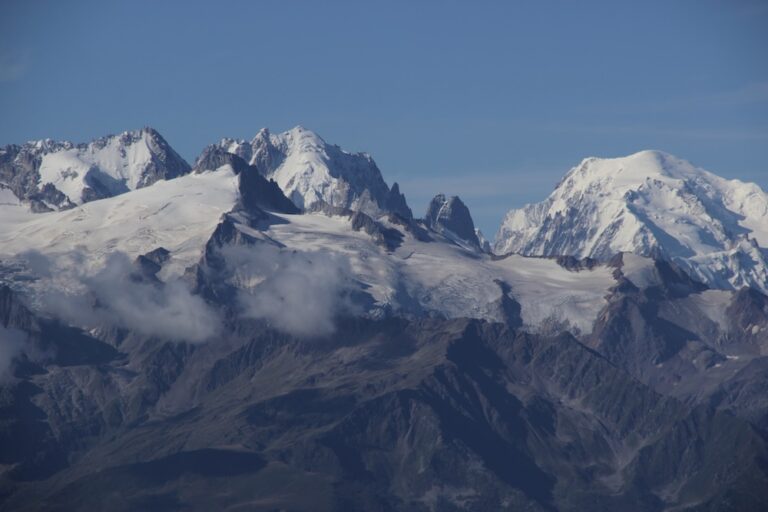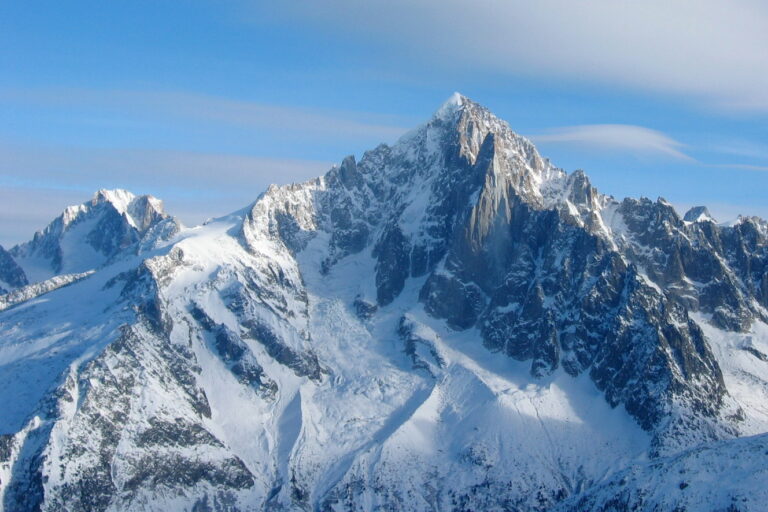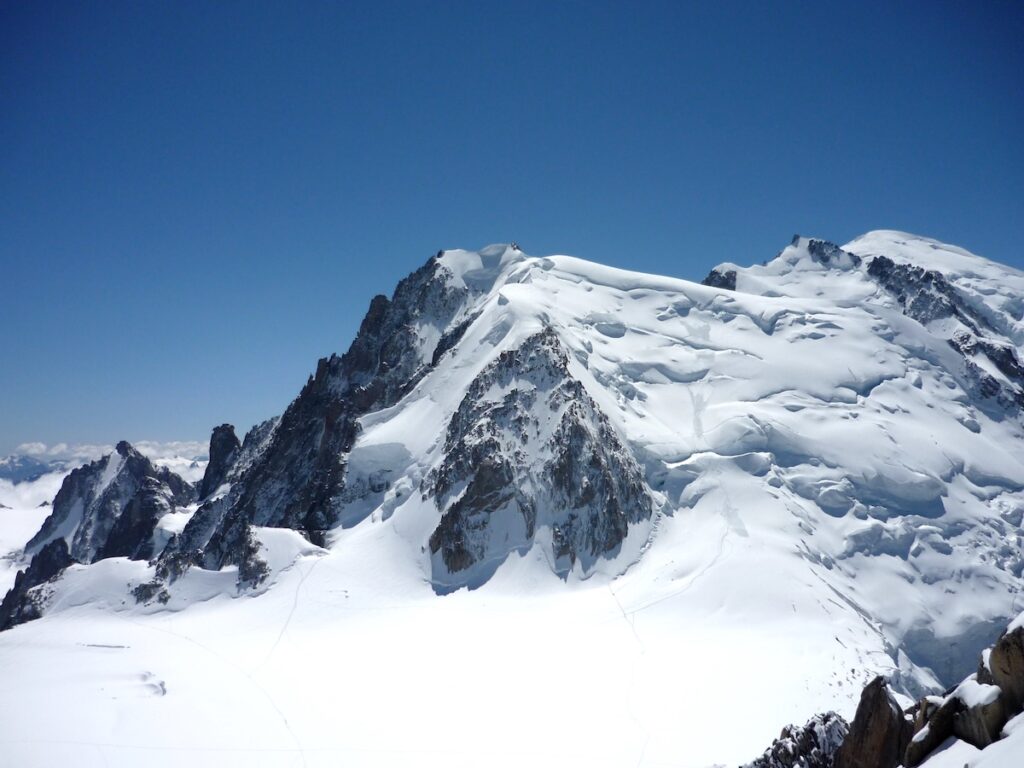
Rising 4 808 metres above sea level, Mont Blanc dominates the horizon of the Alps and draws more than 20 000 climbers each summer. Its glaciated faces, sheer granite cliffs and historic huts form a natural arena where weather, altitude and ambition meet. From the bustling streets of Chamonix to the quiet refuge of the Vallee Blanche, the mountain is a living laboratory of climbing, tourism and climate change. Whether you’re planning a guided ascent, a leisurely hike along the Tour du Mont Blanc, or simply a coffee beneath the Aiguille du Midi cable car, the story of this great mountain range is inseparable from the valley that grew up around it.
Beyond the sport, Mont Blanc has inspired poets, filmmakers and pastry chefs, becoming a cultural reference that transcends borders. Its summit, perched on the border of France and Italy, is also a point of geopolitical interest – a place where the French‑Italian language meets Swiss influence through the nearby tunnel. In the following sections we will explore the mountain’s geological roots, climbing routes, the urgent threat of climate change, and the many ways it lives on in cuisine, cinema and heritage debates.
Table of Contents
About Mont Blanc: history, geology and the first ascent
The name Mont Blanc means “white mountain”, a tribute to its perpetually snow‑capped summit. Geologically it belongs to the Variscan orogeny, composed of granite, gneiss and schist that have been uplifted over millions of years. Its topographic prominence of 4 696 m makes it the highest peak of the Western Alps, and its topographic isolation stretches over 1 200 km.
The first recorded ascent was achieved on 8 August 1786 by Jacques Balmat and Michel Gabriel Paccard, a feat that marked the birth of modern alpinism. Their daring climb on the “Goûter Route” set the template for future climbers, and the pair’s historic account still reads like an adventure novel.
Since that pioneering day, the mountain has witnessed countless achievements – from the first woman to reach the summit in 1808, to the speed record set by Kilian Jornet in 2013, who descended the mountain twice in under 12 hours. Each ascent adds a new layer to the rich tapestry of courage, tragedy and discovery that defines the summit of Mont Blanc.
Key geological facts
| Feature | Composition | Age (million years) |
|---|---|---|
| Summit rocks | Granite & Gneiss | 300–350 |
| South flank | Schist & Gneiss | 320–340 |
| Glacial deposits | Moraines, till | Last 2 Myr |
Climbing the mountain: routes, huts and safety
While the Goûter Route remains the most popular way to the summit, a network of alternative paths offers varying degrees of difficulty. The classic “Grand Mulets route” provides a more gradual ascent at a higher altitude, whereas the “Voie des Aiguillettes” is reserved for seasoned alpinists seeking technical granite climbing.
Modern climbers rely on a chain of mountain huts – the Goulet Hut, Vallot Hut and the iconic Refuge du Goûter – which serve as staging points for both the ascent and the descent. Bivouacs are also common, especially when weather turns quickly; a sudden storm over Mont Blanc can transform a calm day into a dangerous whiteout.
Safety is paramount. Rockfall, crevasse hazards, and rapidly changing weather conditions demand that each climber be equipped with a rope, ice axe, and a reliable avalanche beacon. Local rescue teams perform dozens of rescues each winter, a reminder that even the most experienced parties must respect the mountain’s power.
Popular routes at a glance
- Goûter Route: 4 800 m, moderate difficulty, best July‑September.
- Grand Mulets Route: 4 760 m, longer approach, suited for high‑altitude acclimatization.
- Voie des Aiguillettes: 4 920 m, technical rock climbing, requires full gear.
From cable car to summit
The cable car to Aiguille du Midi lifts visitors to 3 842 m, providing an unrivalled vista of the surrounding mountain range. From there, a short climb leads to the “Midi-Plan Glacier”, a launchpad for the “Goûter Route”. This combination of modern transport and classic mountaineering makes Chamonix a unique gateway for both casual tourists and serious climbers.
Impacts of climate change on the glacierised peak
Over the past two decades, the glacier system that surrounds the summit has retreated by an average of 12 m per year. Warmer temperatures have accelerated meltwater flow, destabilising the rock faces and increasing the frequency of rockfall events. In 2024, a major rockfall closed the classic “Goûter” approach for several weeks, prompting authorities to reassess the long‑term viability of the route.
Scientists from the University of Savoie and the Observatory of Alpine Climatology monitor the snowpack, reporting that the traditional “snow season” now ends in early March rather than May. This shift not only affects climbing windows but also the winter tourism economy that depends on reliable snow cover.
Efforts to mitigate these impacts include the installation of early‑warning avalanche cameras, reinforced rockfall barriers, and targeted re‑forestation projects in the lower valleys. While these measures can reduce immediate danger, the broader challenge of climate change remains a pressing concern for the entire Alpine community.
Glacier retreat statistics (2020‑2025)
| Glacier | Average retreat per year (m) | Surface loss (%) |
|---|---|---|
| Gouter Glacier | 12 | 7.5 |
| Miage Glacier | 9 | 5.2 |
| Mer de Glace | 6 | 3.8 |
Cultural references: dessert, perfume, brand and cinema
The snow‑capped silhouette of Mont Blanc has inspired a sweet treat that is now a staple of French patisseries. The Mont Blanc dessert layers sweetened chestnut purée, whipped cream and meringue, recreating the mountain’s frosty peak on a plate. Originating in 19th‑century Piedmont, it spread across the Alps and remains a festive favourite during winter holidays.
Luxury brands have borrowed the mountain’s name to evoke elegance and endurance. The famed Mont Blanc pens and Mont Blanc perfume line market themselves as timeless, much like the immutable summit that inspired them. Even a famous Mont Blanc coffee blend claims to capture the crisp Alpine air in each cup.
On screen, the mountain appears in early cinema, notably in Leni Riefenstahl’s 1924 documentary “The White Hell of Piz Palü” and Arnold Fanck’s “The White Hell of Mont Blanc”. More recent productions, such as the thriller “The Tripods” (2023), use the stark landscape as a backdrop for suspense, while authors like Mary Shelley and Percy Shelley referenced the mountain’s awe‑inspiring presence in their works.
Mont Blanc in film and television
- “Storm over Mont Blanc” (1935) – a dramatized rescue mission.
- “The Summit” (2022) – a documentary on modern climbing records.
- “Chamonix Vibes” (TV series, 2024) – explores local culture and mountain sports.
From farming to tourism: the evolution of Chamonix‑Mont‑Blanc
Before the 19th century, the valley was a collection of alpine farms producing cheese and wool. The first ascent of Mont Blanc sparked curiosity, attracting early tourists who stayed in modest inns. By the 1920s, the construction of the first cable car and the hosting of the 1924 Winter Olympic Games transformed the area into a world‑renowned ski destination.
The post‑war boom further accelerated development. Luxury hotels, ski lifts and the iconic “Glass Box” observation platform at the summit of the Aiguille du Midi were added, catering to both adrenaline seekers and families looking for panoramic views.
Today, the Tour du Mont Blanc – a 170‑km circular trek that loops through France, Italy and Switzerland – draws hikers from all continents. The route offers a glimpse of the valley’s mixed heritage: Alpine pastures, historic chapels, and modern mountain huts like the “Janssen Observatory”, which hosts scientific research on atmospheric conditions.
The Mont Blanc Tunnel: engineering and safety
Completed in 1965, the Mont Blanc Tunnel provides a vital road link between France and Italy, cutting travel time dramatically. However, tragic accidents – notably the 1999 fire that claimed 39 lives – spurred major safety upgrades, including ventilation systems and emergency exits. Today the tunnel remains a critical artery, handling over 4 million vehicles annually.
World heritage and future prospects
In recent years, local authorities have submitted a proposal to UNESCO to designate the Mont Blanc massif as a World Heritage Site. The goal is to protect the unique natural environment while promoting sustainable tourism. Critics argue that increased fame could exacerbate pressure on fragile ecosystems, especially as climate change continues to reshape the landscape.
Nevertheless, the initiative has garnered strong support from mountaineering clubs, environmental NGOs and the University of Grenoble, who see heritage status as a tool for funding conservation projects, research, and educational programs.
Frequent Asked Questions
Is Mont Blanc in France or Switzerland?
Located between France (Haute‑Savoie), Italy (Aosta Valley) and Switzerland (canton of Valais), the Mont‑Blanc massif straddles three countries. The summit itself lies on the border of France and Italy, while the northern slopes descend toward Swiss territory.
Why is the Mont Blanc so famous?
The mountain’s first ascent in 1786 marked the birth of modern alpinism. Its towering summit, extensive glacier system, and proximity to the historic town of Chamonix have made it a magnet for climbers, hikers and tourists. Today an average of 20 000 mountaineers attempt the peak each year, reinforcing its iconic status.
What is Mont Blanc dessert made of?
The Mont Blanc dessert consists of sweetened chestnut purée shaped into vermicelli‑like threads, topped with generous dollops of whipped cream. Originating in 19th‑century Piedmont, its snowy appearance mirrors the mountain’s glaciated peak.
How long does the Tour du Mont Blanc take?
The classic trek covers roughly 170 km and is usually completed in 10‑12 days, though some fast‑track hikers finish in under a week. The route passes through France, Italy and Switzerland, offering diverse scenery from alpine meadows to rocky ridges.
What safety measures are in place for climbers?
Rescue teams operate year‑round from the Chamonix mountain rescue centre. Fixed ropes, marked routes, and weather‑monitoring stations help mitigate danger. Nevertheless, climbers are advised to carry avalanche beacons, helmets and a reliable communication device.
Can I reach the summit without technical equipment?
Even the “easy” Goûter Route requires crampons, an ice axe and proper acclimatization. The altitude, rapid weather changes and crevasse risk make technical gear essential for safety.
Beyond the peak: embracing the Alpine spirit
From the crisp air on the Aiguille du Midi to the serenity of a chestnut‑filled dessert, Mont Blanc offers more than a climb – it provides a window into a living, breathing heritage. Whether you’re tracing the steps of the first alpinists, tackling the high‑altitude hiking circuits, or simply sipping a cup of Mont Blanc coffee in a cosy Chamonix café, the mountain continues to inspire curiosity and respect.
As climate pressures mount, the responsibility to protect this iconic mountain falls on every visitor, guide and policymaker. By supporting sustainable tourism, respecting safety guidelines, and cherishing the cultural threads that bind the region, we can ensure that Mont Blanc remains a symbol of natural grandeur for generations to come.