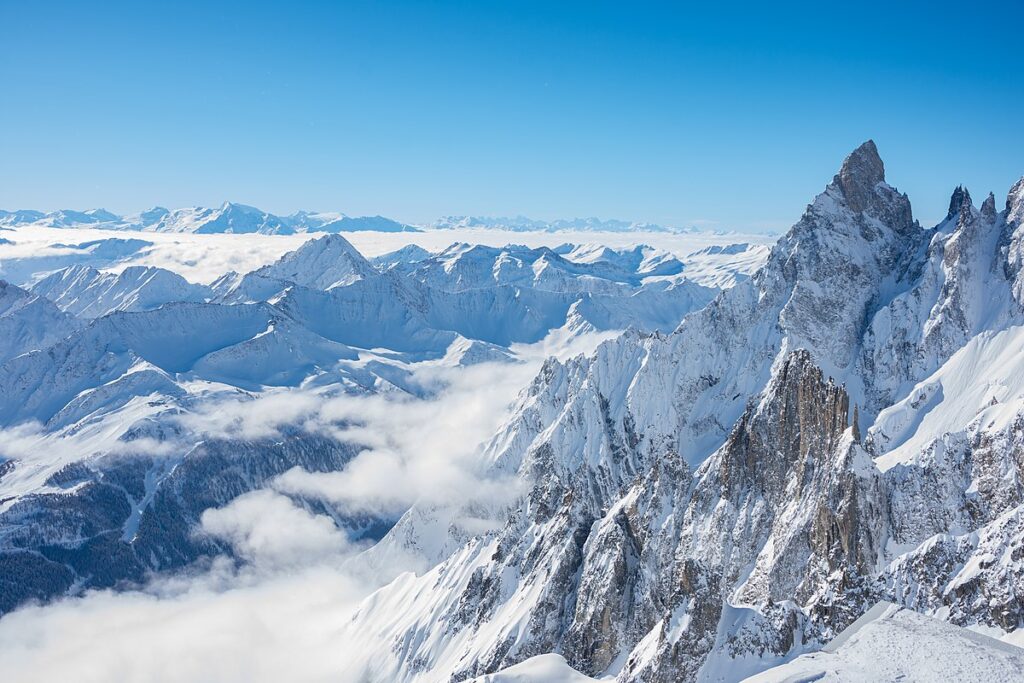
Rising to 3,462 metres above sea level, Pointe Helbronner sits at the very top of the Mont Blanc massif, straddling the border that separates France from Italy. The moment the cable car pulls into the glittering glass‑enclosed platform, you are greeted by a horizon that seems to stretch forever – snow‑capped peaks, deep valleys, and the iconic silhouette of the Aiguille du Midi. From this lofty perch, the Mont Blanc massif reveals itself in every direction: the daunting Graian Alps to the east, the gentle curve of the Aosta Valley below, and the glittering Vallee Blanche that beckons seasoned mountaineers. Whether you are a casual visitor from Chamonix, a seasoned alpinist plotting a new route, or a photographer chasing the perfect sunrise, Pointe Helbronner offers a Swiss‑knife of experiences, all wrapped in the drama of high‑altitude terrain.
Our guide will walk you through the Skyway Monte Bianco cable‑car journey, the best trails that snake out from the summit, and the cultural gems hidden in the nearby towns of Courmayeur and the Aosta Valley. Along the way you’ll discover practical tips – from ticket prices to the location of the refuge Torino – and learn why this mountain gateway is more than a tourist stop; it is a living laboratory for geodesy, a historic route for mountaineering, and a crossroads where the French and Italian Alps whisper to one another.
Table of Contents
Getting there: the cable car experience
The ascent to Pointe Helbronner begins at the charming station of Les Praz, just a short bus ride from Chamonix. From there, the cable car – officially called the Skyway Monte Bianco – climbs steeply over the French side of the Mont Blanc massif, passing the dramatic Aiguille du Midi and offering intermittent viewpoints where the wind whistles through the metal ribs of the gondola.
History of the Pointe Helbronner cable car
Built in the 1960s and dramatically upgraded in 2015, the line was originally conceived to provide scientists with easier access to the Alpine research stations perched on the ridge. Over the decades it morphed into a tourist lifeline, ferrying thousands of skiers in winter and hikers in summer. The modern cabins are climate‑controlled, each equipped with a panoramic glass facade that blurs the line between interior and exterior, making the ascent feel like a moving observatory.
Ticket prices and practical tips
| Ticket type | Price (EUR) | Validity |
|---|---|---|
| Adult one‑way | 35 | Until the next scheduled return |
| Adult round‑trip | 58 | Same day |
| Family pass (2 adults + 2 children) | 140 | 24 hours |
Buy tickets online to skip the winter rush, and remember that the last descent is usually two hours before sunset – the mountain can get dramatically colder after dark. Dress in layers, bring a water bottle, and keep a spare battery for your camera; the light at the summit is famously fickle.
Panoramic views from the Skyway Monte Bianco
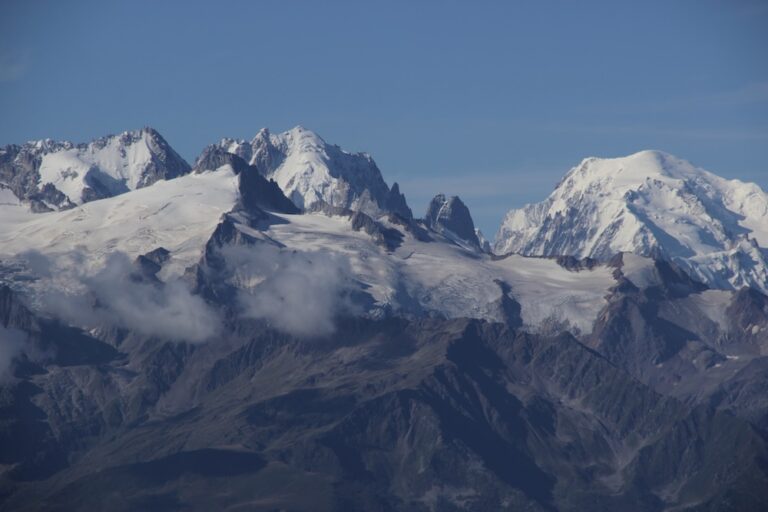
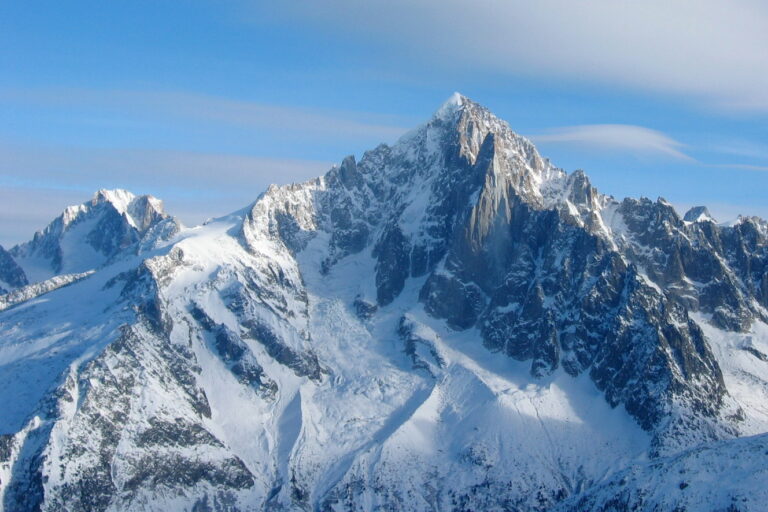
Stepping onto the observation deck at 3,462 m feels like standing on the edge of the world. To the north, the towering granite of the Aiguille du Midi dominates the skyline, while the distant silhouette of the Mer de Glace glitters like a frozen sea. To the south, the rugged peaks of the Graian Alps – including the iconic Monte Bianco – loom over the Aosta Valley, their faces etched with the scars of millennia of glaciation.
What you see from the summit platform
- Mont Blanc: Europe’s highest summit, sparkling in the morning sun.
- Glacier du Géant: A massive river of ice that feeds into the Vallee Blanche.
- Courmayeur: The charming Italian town visible on clear days, its rooftops a patchwork of terracotta.
- Border markers: small stone pillars that declare where France hands the mantle to Italy.
- Mountaineering routes: the steep lines that lead down to the famous Vallee Blanche ski run.
Photographers often linger for at least an hour, chasing the magic hour when the light turns the snow into liquid gold. The view also serves as a live classroom for students of geodesy, who measure the subtle shifts of the earth’s crust that can be felt even from this lofty observatory.
Hiking and mountaineering routes around Pointe Helbronner
Beyond the gondola lies a network of trails that cater to every ambition. Some hikers simply descend to the Refuge Torino for a night stop, while more audacious alpinists tackle the full Vallee Blanche glacier trek, which begins at Pointe Helbronner and finishes in Chamonix after a 15‑km, high‑altitude odyssey.
Longest trail: the Vallee Blanche glacier trek
The Vallee Blanche is a classic 15‑kilometre route that snakes down the heart of the Mont Blanc massif. Starting at the summit platform, you cross the Glacier du Géant, weave through crevasses, and eventually emerge near the Mer de Glace. The trek can take anywhere from 8 to 12 hours, depending on conditions, and requires a guide for safety. Even seasoned mountaineers note that the sheer length combined with ever‑changing snow conditions makes this trail a true test of endurance.
Most elevation gain: From Pointe Helbronner to the Aiguille du Midi
While the cable car already does the heavy lifting, a more adventurous route follows the ridge line down to the Aiguille du Midi, dropping nearly 600 m over a challenging 4‑kilometre scramble. The path alternates between rocky steps and snow‑covered passages, offering a steep but rewarding descent that drops you into the Chamonix valley ready for a night in town.
Most popular and difficult trail: The Monte Bianco traverse
For those craving the ultimate Alpine challenge, the Monte Bianco traverse from Pointe Helbronner to Courmayeur is the gold standard. This mixed‑terrain route demands technical climbing skills, solid alpine experience, and a good sense of direction. It typically involves a combination of rock climbing, snowfields, and a short rope‑work section across a cornice that marks the border line – a literal step between France and Italy.
| Trail | Length (km) | Elevation gain (m) | Difficulty |
|---|---|---|---|
| Vallee Blanche glacier trek | 15 | 1 200 | Advanced (guided recommended) |
| Pointe‑Helbronner to Aiguille du Midi | 4 | 600 | Moderate‑hard |
| Monte Bianco traverse (to Courmayeur) | 9 | 850 | Expert |
All three routes share a common thread: they expose you to the raw power of the Alps, where weather can shift in minutes and the terrain demands respect. Gear up with crampons, an ice axe, and always check the avalanche forecast.
Nearby attractions: Courmayeur, Aosta Valley and beyond
After conquering the heights, many visitors head south to the Italian side. Courmayeur, perched at the foot of the Mont Blanc massif, offers a vibrant après‑ski scene, elegant boutiques, and a culinary tradition that blends Alpine heartiness with Mediterranean flair.
Castello di Fénis and the Aosta Valley
A short drive from Courmayeur lies the medieval Castello di Fénis, a stone fortress that tells the story of the Aosta Valley’s feudal past. Its round towers and frescoed interiors provide a stark contrast to the stark white of the surrounding glaciers. The valley itself is a haven for cyclists, offering gentle climbs and lavender‑scented lanes that wind through picturesque villages.
While you’re in the region, don’t miss the local cheese factories – the smells of melting raclette and aged fontina are an integral part of the Alpine culture. Pair a glass of Nebbiolo with a hot dish, and you’ll understand why the Aosta Valley is a culinary treasure.
Practical information: maps, webcams, weather, and the refuge Torino
Planning your day around Pointe Helbronner is easier when you have the right tools. The official site offers an interactive map that marks every trailhead, lift, and emergency shelter. A live webcam perched on the summit platform streams the current weather conditions – a must‑check before you set off on a glacier trek.
Refuge Torino – the high‑altitude hostel
Located at 3,375 m, the Refuge Torino provides basic accommodation for climbers and hikers who prefer not to descend immediately after a day on the summit. The refuge has 50 bunk beds, a communal kitchen, and a small lounge where you can swap stories around a wood‑burning stove. Reservations are recommended during the summer months, as space fills quickly.
The refuge also serves as a point of contact for mountain rescue services, which operate under a joint French‑Italian agreement. In the event of a sudden storm, the staff can coordinate an evacuation via the cable car or, if necessary, a helicopter landing on the nearby glacier.
Frequent Asked Questions
Is Panoramic Mont‑Blanc worth it?
It’s not cheap, but the experience is unforgettable. The cable car ride lasts about 30 minutes and includes several stops where you can stretch your legs and take in the scenery. If you already have a summer ski pass, you’ll still need to pay extra for the Skyway Monte Bianco itself, but the chance to stand on the border between France and Italy outweighs the cost for most travelers.
Who owns the top of Mont Blanc?
Both Italy and France claim the summit, each interpreting the historic border differently. That is why the peak carries two names – Mont Blanc in French and Monte Bianco in Italian. A neighboring sub‑peak, the Monte Bianco di Courmayeur, lies entirely on the Italian side and is often used as a reference point in border discussions.
What is the best Italian town near Chamonix?
Just across the Mont Blanc tunnel, Courmayeur offers a distinctly Italian charm with its cobblestone streets, stone façades, and a lively market that sells everything from handmade pasta to Alpine cheese. The town’s central piazza buzzes with cafés and boutiques, making it a perfect half‑day excursion after a morning on the French side.
Is there a tunnel under Mont Blanc?
Yes, the Mont Blanc Tunnel runs almost directly beneath the Aiguille du Midi, reaching a depth of about 2,480 m – the second‑deepest operational tunnel in the world after the Gotthard Base Tunnel. Managed jointly by French and Italian authorities, it provides a vital road link between Chamonix and Courmayeur.
Why Pointe Helbronner remains the ultimate Alpine crossroads
From the moment you step onto the glass platform, you are reminded that Pointe Helbronner is more than a tourist attraction; it is a meeting point of cultures, a hub for scientific research, and a launchpad for some of the most iconic mountaineering routes in the Alps. Whether you are admiring the sweeping panorama of the Mont Blanc massif, carving a line through the Vallee Blanche, or sipping a hot chocolate in Courmayeur after a long day on the glacier, the experience is stitched together by the same thread – the awe of standing at the roof of Europe.
Remember to check the live webcam before you go, book your cable‑car tickets in advance, and respect the fragile environment that makes this place so spectacular. The next time you find yourself in Chamonix or Courmayeur, let Pointe Helbronner be the highlight of your itinerary – a reminder that borders are lines on a map, but the mountains belong to everyone who dares to explore them.