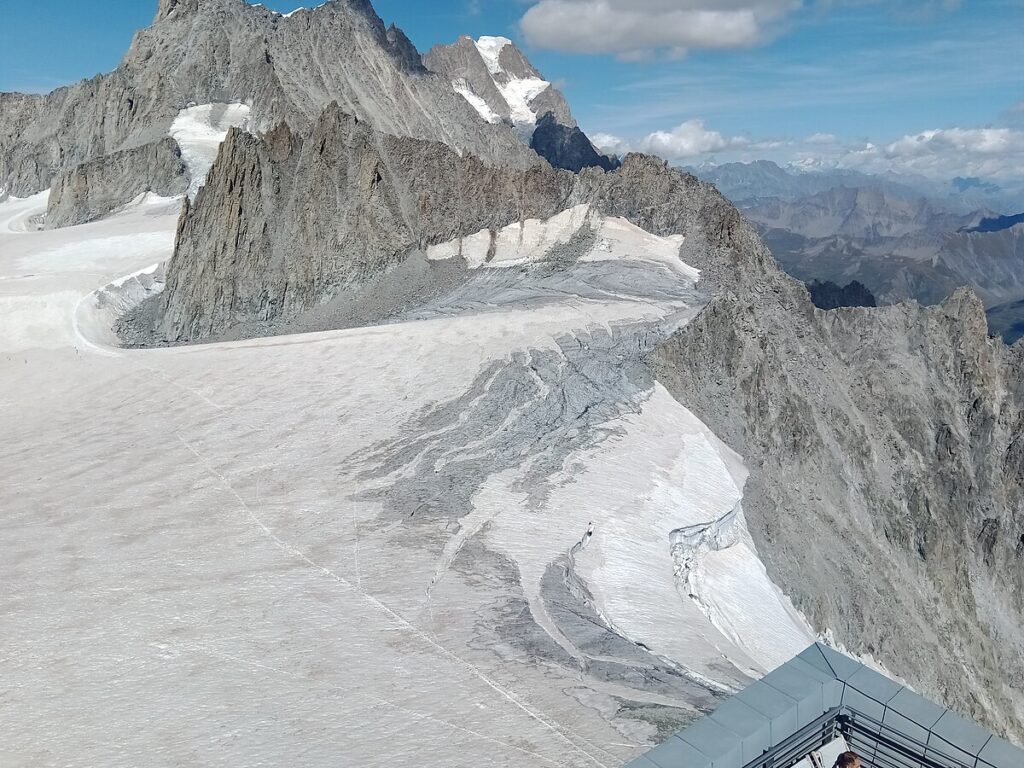
Perched at 3,341 m (10,963 ft) above sea level, the Col du Géant dominates the horizon between France and Italy, offering a dramatic gateway to the Mont Blanc massif. From the moment the first wind gust brushes the icy ridge, you can feel the pull of the Alps—a blend of raw power and quiet elegance that has drawn mountaineers, photographers and adventure‑seekers for generations. Whether you aim to join a glacier hike across the shimmering Glacier du Géant, carve a fresh line on one of the high‑altitude ski runs, or simply stand and watch the clouds drift over the Grandes Jorasses and Pointe Helbronner, the area never ceases to amaze.
Access is a story in itself. The sky‑way gondola from Aiguille du Midi whisks you to the lofty cable car station at 3,842 m, while the historic Mont Blanc Tunnel weaves under the mountain, hinting at the long‑standing border dispute that still colors Franco‑Italian relations. From there, a network of marked paths leads you across crevassed ice, past the legendary Dent du Géant, and down towards the vibrant town of Courmayeur. This guide unpacks the terrain, the history and the practicalities, helping you decide how to experience one of the most iconic cols in the world.
Table of Contents
Exploring the Col du Géant and Its Alpine Context
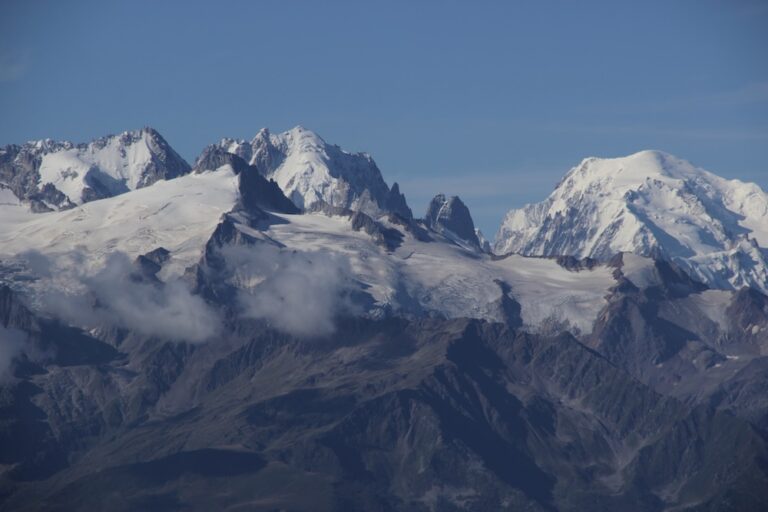
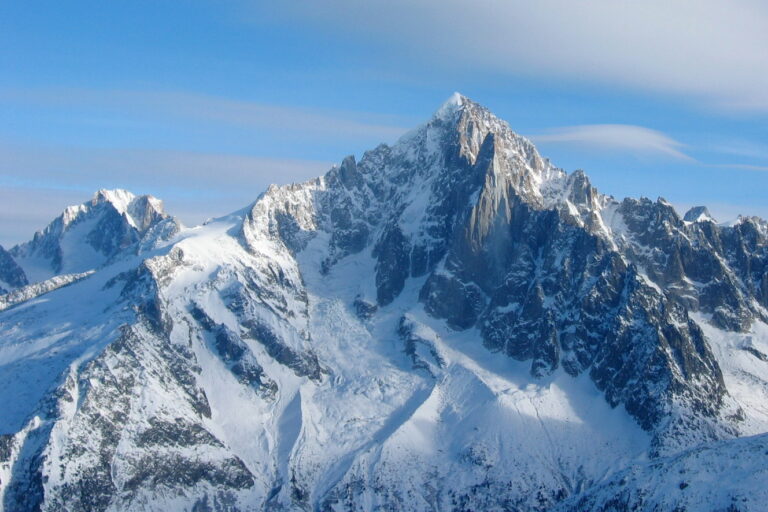
The Col du Géant sits on the crest of the Mont Blanc range, a natural border that separates the French valley of Chamonix from Italy’s Aosta region. Its name—“Giant’s Pass”—was given by early alpinists who felt dwarfed by the sheer rock walls of the Grandes Jorasses and the looming glacier below. The pass is not merely a footnote in mountaineering history; it is a living laboratory where geology, climate and culture intersect.
Geologically, the col is composed of ancient granite that has been sculpted by millennia of glacial erosion. The Glacier du Géant itself, a sprawling river of ice, feeds into the Tour Ronde and feeds the valleys beyond. In summer, melt‑water streams carve their way down to the Mont Blanc massif’s lower slopes, creating lush alpine meadows that burst with wildflowers.
From a cultural standpoint, the pass has long been a meeting point for French and Italian guides. You’ll often hear stories of the early 1900s when pioneering climbers like Albert F. Mummery used the col as a staging ground for daring ascents. Today, a mountain guide from either side can lead you across the snow‑covered ridge, sharing anecdotes that blend folklore with modern safety standards.
Because the col sits at a high altitude, acclimatization is essential. Even seasoned hikers feel the thin air at 3,300 m, so most itineraries recommend a day of rest at the skyway gondola station before tackling the exposed sections.
Glacier du Géant: Trails, Hikes and How to Reach the Ice
For those craving a classic glacier hike, the Glacier du Géant offers routes for both novices and seasoned trekkers. The most popular starting point is the cable car terminus on the Aiguille du Midi, from where a well‑marked path leads to the glacier’s blue‑white expanse.
Key routes to the glacier
- Route des Enfants – a gentle ascent suitable for families, taking about 2 hours round‑trip.
- Traverse du Géant – a moderate crossing that skirts the northern ridge and offers panoramic views of the Pointe Helbronner.
- High Alpine Loop – a demanding 7‑hour circuit that includes a section over the Dent du Géant and finishes at the historic refuge of Refuge du Goûter.
All routes are equipped with fixed ropes and cairns, but it is wise to travel with a certified mountain guide, especially when the crevasses become deceptive in early morning light.
Equipment wise, crampons, an ice axe, and a proper alpine harness are non‑negotiable. If you’re unfamiliar with glacier travel, many local guiding companies in Chamonix and Courmayeur offer half‑day courses that combine theory with on‑site practice.
During the summer months, the glacier’s surface glistens under the sun, making it an ideal spot for photography. Early sunrise shoots reveal shades of pink and gold that reflect off the ice, a scene that has become iconic on Instagram feeds worldwide.
From Ski Runs to High‑Altitude Descents: The Winter Side
Winter transforms the Col du Géant into a snow‑covered playground for adrenaline seekers. The area hosts several world‑class ski runs, most of which start from the cable car station and descend steeply towards the valley.
One of the most thrilling experiences is the downhill ski route that follows the ancient war‑path of the Grande Traversée. The run stretches over 4 km, with sections that exceed a 45° gradient, rewarding skiers with breathtaking views of the Mont Blanc peak and the distant Alpine horizon.
Guided ski tours often combine the high‑altitude descent with a short glacier hike on the same day, giving participants a taste of both disciplines. Safety measures include avalanche beacons, probe rods, and a brief on‑site briefing about weather conditions.
Snow conditions vary year by year, but the “mid‑winter” window (late January to early March) is generally regarded as the most reliable period for deep powder, especially on the north‑facing slopes that retain their crispness longer.
Cross‑Border Adventures: From Courmayeur to Chamonix
The Col du Géant is more than a physical passage; it’s a cultural bridge linking Courmayeur and Chamonix. Historically, the pass has been a point of contention, sparking a subtle border dispute that dates back to the Treaty of Turin (1860). Today, both towns celebrate their shared heritage through joint festivals and coordinated mountain activities.
Travelers can start the journey on the Italian side, taking the sky‑way gondola from Courmayeur up to Punta Helbronner. From there, a short trek brings you directly onto the Col du Géant boardwalk, where the French flag waves beside its Italian counterpart.
On the French side, the famous cable car climbs from Chamonix to the Aiguille du Midi, offering a spectacular ride that includes a glass‑floor segment for the daring. Once at the summit, you can either descend via the same route or continue on a high‑altitude path that leads back to Italy, making a full round‑trip possible in a single day.
Both towns offer excellent accommodation ranging from cozy mountain huts to luxury hotels. A popular itinerary is to spend a night in a refuge on the French side, enjoy a traditional Savoyard dinner, then cross the border at sunrise to experience the Italian culinary delights of Courmayeur, such as hearty polenta and local red wines.
Practical Tips, Gear and Mountain Guides for a Safe Journey
Preparation is key when tackling the Col du Géant. Below is a quick reference table that sums up the essential gear and recommended services for each season.
| Season | Essential Gear | Recommended Services |
|---|---|---|
| Summer (June‑September) | Lightweight trekking boots, layered clothing, sun protection, crampons (optional) | Half‑day glacier guide, water refill stations at Aiguille du Midi |
| Winter (December‑March) | Insulated ski boots, avalanche beacon, crampon set, helmet, ski poles | Guided ski‑tour packages, ski‑rentals at Chamonix ski shops |
| Shoulder (April‑May, October‑November) | All‑weather boots, waterproof jacket, trekking poles | Day‑trip guides focusing on acclimatization and photography |
When hiring a mountain guide, look for certification from the French Federation of Alpine Guides (FFME) or the Italian Alpine Club (CAI). Guides not only ensure safety but also enrich the experience with stories about the Grandes Jorasses and the historic first ascents of the Pointe Helbronner.
Local weather can change rapidly; a smartwatch with barometric pressure readings and a reliable GPS app are indispensable. Many hikers carry a compact satellite messenger to stay connected in case of emergencies.
Finally, respect the environment. The area is a protected Alpine zone; pack out all waste, stick to marked trails, and avoid disturbing wildlife—especially the marmots that love the high‑altitude meadows.
Frequent Asked Questions
Can I reach the Col du Géant without a guide?
Technically, seasoned alpinists can navigate the route solo, but the terrain includes crevassed sections and sudden weather shifts. For most visitors, especially those new to glacier travel, hiring a certified guide is strongly recommended. Guides provide equipment, local knowledge, and an added safety net.
What is the best time of year for a glacier hike on the Glacier du Géant?
The optimal window spans late June to early September, when snow melt has softened the ice but the risk of fresh snowfall is minimal. Early mornings offer clearer skies and firmer ice, making for safer footing and sharper photographs.
How does the border dispute affect crossing the col?
Today the border is largely symbolic. Both France and Italy have agreed on free movement for hikers and skiers, and the crossing point is unguarded. However, occasional customs checks may occur during large events, so carrying a passport is advisable.
Is there a direct ski lift from Chamonix to the Col du Géant?
While there is no lift that reaches the col itself, the cable car to Aiguille du Midi brings you within a short trek of the summit. From there, you can either descend on a marked ski run or take a guided ski tour that traverses the high‑altitude terrain.
Why the Col du Géant Should Top Your Alpine Bucket List
The Col du Géant embodies everything that makes the Alps unforgettable: dramatic scenery, rich history, and a blend of challenges that suit hikers, skiers, and casual tourists alike. Its strategic position between Chamonix and Courmayeur provides a unique cultural crossover, while the surrounding peaks—Mont Blanc, Grandes Jorasses and Pointe Helbronner—offer endless opportunities for exploration.
Whether you decide to embark on a sunrise glacier trek, carve a fresh line down a pristine ski run, or simply sip a hot chocolate in a mountain refuge while watching the clouds drift over the icy ridge, the experience will stay with you long after you descend back to the valley. So pack your gear, respect the environment, and let the Col du Géant become the centerpiece of your next Alpine adventure.