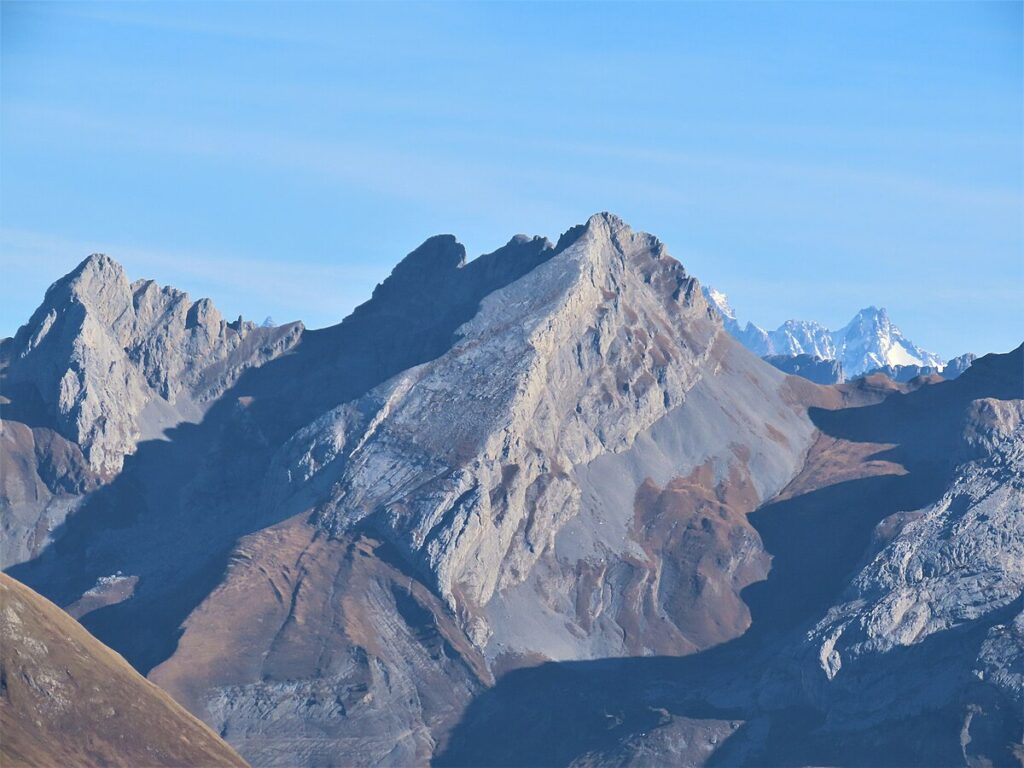
Nestled between the iconic Brevent plateau and the glittering slopes of Mont Blanc, the Col de Bellachat is a high‑mountain crossing that attracts hikers, photographers and seasoned backpackers alike. From the bustling town of Chamonix you can board a cable car to the Planpraz gondola station, then follow a well‑marked mountain trail that leads you past the Bellachat refuge, across rocky ridges and into a world of alpine wildflowers, rugged wildlife and jaw‑dropping panoramas. Whether you plan a day hike, a backpacking loop or an overnight stay at the refuge, this guide covers every angle – from practical logistics to the subtle changes of weather that can turn a gentle stroll into a technical challenge.
The route to the col is a blend of steep slopes, exposed routes and occasional scrambling on ladders, so it rewards good preparation with unforgettable views of the aiguilles rouges and the far‑reaching silhouette of Mont Blanc. Below you’ll find detailed sections on how to get there, what to expect on the trail, seasonal tips, and all the dos and don’ts that matter to hikers, backpackers and even owners of well‑behaved dogs (note: dogs not allowed on most of the high alpine sections). Let’s dive into the specifics and make your next adventure on the Col de Bellachat as smooth as the glacier ice that glints below the ridge.
Table of Contents
How to reach the Col de Bellachat from Chamonix
Getting to the starting point is a breeze thanks to the integrated cable car network. From the centre of Chamonix head to the Brevent cable car station; the ride lasts about ten minutes and deposits you at an altitude of roughly 2,200 m, right at the foot of the Brevent ridge. From here you have two options:
- Take the Planpraz gondola (a short 5‑minute lift) and begin the trail at the Planpraz plateau.
- Walk up the well‑marked path that leads directly to the Bellachat refuge, adding about 30 minutes of ascent.
Both routes converge near the refuge, which sits at 2,152 m and serves as the natural gateway to the col. If you prefer a quieter start, the Planpraz gondola often has shorter queues during the shoulder seasons.
The trail profile: terrain, elevation gain and distance
The full hike from the Planpraz station to the Col de Bellachat and back is roughly 12 km (round‑trip) with an elevation gain of 650 m. Below is a quick snapshot:
| Section | Distance (km) | Elevation gain (m) |
|---|---|---|
| Planpraz to Bellachat refuge | 3.5 | 250 |
| Refuge to Col de Bellachat | 2.5 | 300 |
| Return to Planpraz | 6.0 | 100 (mostly descent) |
The terrain shifts from gentle alpine meadows to sections of rocky terrain and a few steep slope stretches that demand careful footing. About halfway up, you’ll encounter a short scramble over a series of ladders – a classic element of high‑mountain trekking that adds a touch of technicality without requiring full climbing gear.
Technical highlights
While the path is generally well‑marked, there are two spots classified as technical terrain. The first is a narrow ridge with exposure on both sides; a good head for heights will make the crossing feel like a breeze. The second is a small rock scramble that can become exposed after a sudden thaw, so a light crash pad or a pair of trekking poles can add confidence.
What to expect: weather, season, wildlife and wildflowers
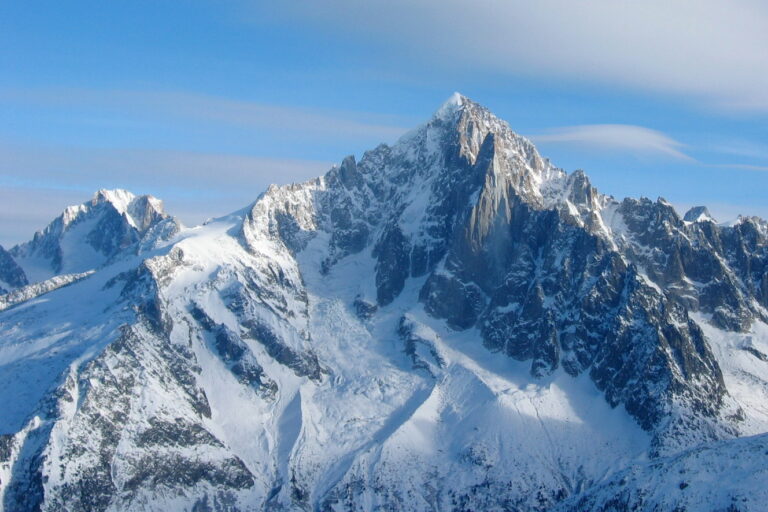
Because the col sits at a high altitude, weather can shift in minutes. In summer, sunny mornings often give way to afternoon thunderstorms that summon rapid temperature drops. The ideal window for a clear panorama of Mont Blanc and the aiguilles rouges is between 9 am and 12 noon, when the light paints the granite peaks golden. Winter visits are possible but require crampons and additional equipment.
Spring and early summer bring a carpet of wildflowers – think alpine saxifrages, edelweiss and bright yellow gentians. Wildlife enthusiasts can spot ibex, chamois and the occasional marmot. Remember that the area is a protected alpine zone, so keep a respectful distance and avoid feeding the animals.
Practical tips: dogs, camping, backpacking and equipment
According to the local mountain authority, dogs not allowed on the core sections of the col and refuge area. The prohibition helps preserve the fragile alpine flora and reduces disturbance to wildlife. If you’re travelling with a four‑legged companion, the better plan is to keep them in Chamonix and arrange a pet‑sitter.
Camping is allowed only in designated zones, and the regulations are strict: you must use a low‑impact tent, avoid fire and stay a maximum of two nights under the stars. The most popular spot for a bivouac is a flat stone field just below the refuge, where the view of the high mountain ridge is spectacular.
For those planning a multi‑day trek, backpacking allowed routes include the classic loop that links the Col de Bellachat with the Plan de l’Aiguille and the Montenvers glacier. The loop adds roughly 7 km and offers an extra night at the Bellachat refuge – a perfect way to soak in the midnight sky over the lake of Gaillands.
Essential gear checklist:
- Sturdy hiking boots with good ankle support.
- Trekking poles – invaluable on steep slope sections.
- Light waterproof jacket (the weather can switch from sun to rain in minutes).
- Map of the Chamonix area plus a compass; GPS signals can be spotty on ridges.
- Headlamp and spare batteries for late‑afternoon returns.
Highlights along the way: refuge, views and connecting lifts
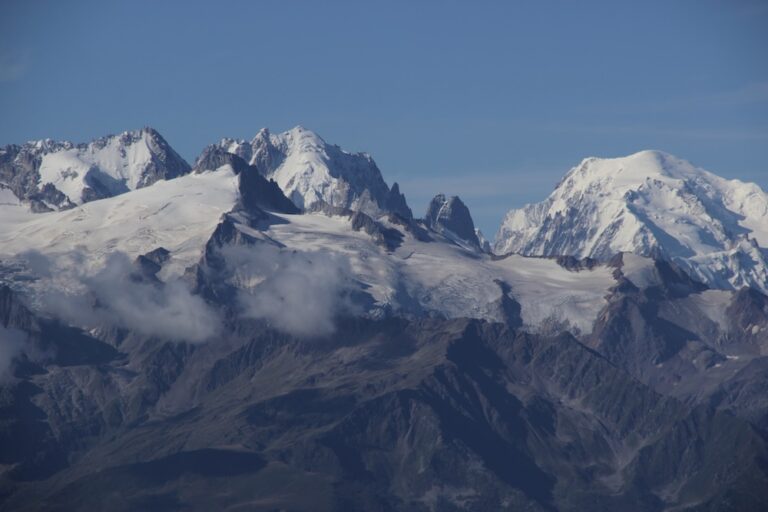
The Bellachat refuge is more than a resting point – it’s a historic stone building that offers simple meals, warm drinks and a chance to mingle with fellow hikers. From its balcony you can see the Mont Blanc massif in the distance, the towering aiguilles rouges and the iconic Brevent plateau stretching below.
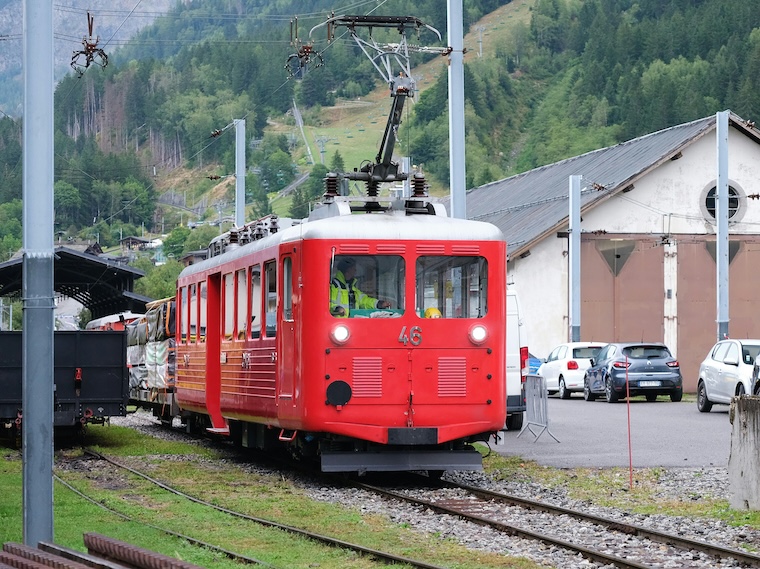
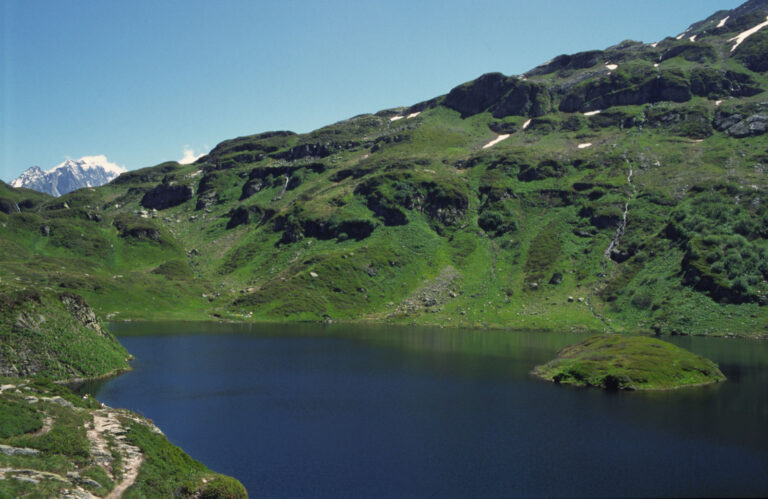
Beyond the refuge, the trail skirts the edge of a frozen lake that mirrors the surrounding peaks. On clear days the view across the ridge towards the forest of larch and pine is nothing short of breathtaking. The cable car network continues past the col: you can descend by taking the Planpraz gondola back to Chamonix, or, for the adventurous, continue on to the Montenvers Mer de Glace via the historic Montenvers rack railway.
Safety and environmental considerations
Given the mixture of rocky, exposed and steep sections, the route is rated moderate to hard. Hikers should be comfortable with occasional scrambling and be prepared for rapid weather changes. If you’re unsure about a segment, it’s wise to turn back or take a safer alternate path.
Leave no trace is the guiding principle here. Pack out all litter, stay on marked paths to protect the delicate alpine wildflowers, and avoid disturbing the local wildlife. The refuge staff are vigilant about preserving the area, and they appreciate conscientious visitors.
Frequent Asked Questions
What is the best season to hike the Col de Bellachat?
The optimal window runs from late June to early September, when most of the snow has melted, the wildflowers are in full bloom, and the weather is relatively stable. Early autumn can also be rewarding, but you must be prepared for sudden temperature drops.
Can I do the Col de Bellachat as a day hike from Chamonix?
Yes, many hikers complete the round‑trip in 5‑7 hours, especially if they start early and use the Brevent cable car to cut the ascent. The key is to gauge the weather and keep a comfortable pace on the technical terrain.
Is the trail suitable for families with children?
The lower sections up to the Bellachat refuge are relatively gentle, but the exposure and ladders beyond the refuge make it less suitable for younger kids. A family with experienced teens and proper gear can manage, provided they respect the steep slope warnings.
What wildlife might I see on the route?
Typical alpine species include ibex, chamois, marmots and a variety of birds such as the golden eagle and Alpine chough. Keep an eye out for colourful butterflies that flutter among the wildflowers.
Are there any restrictions on overnight stays?
Overnight stays are allowed at the Bellachat refuge (reservation recommended) and in designated camping allowed zones near the col. Remember that the area is part of a protected nature reserve, so you must follow the posted rules.
Why the Col de Bellachat should be on your Chamonix bucket list
The Col de Bellachat encapsulates everything that makes the Chamonix valley a world‑renowned mountaineering playground: dramatic altitude, sweeping panoramas of Mont Blanc and the aiguilles rouges, a blend of accessible lifts and challenging high‑mountain terrain, plus the chance to rest in the historic Bellachat refuge. Whether you’re a seasoned trekker seeking a new ridge or a visitor looking for a striking day hike, the col offers a memorable experience that balances effort with reward. So pack your boots, check the forecast, and set off – the ridge awaits, and the view from the top is simply unforgettable.