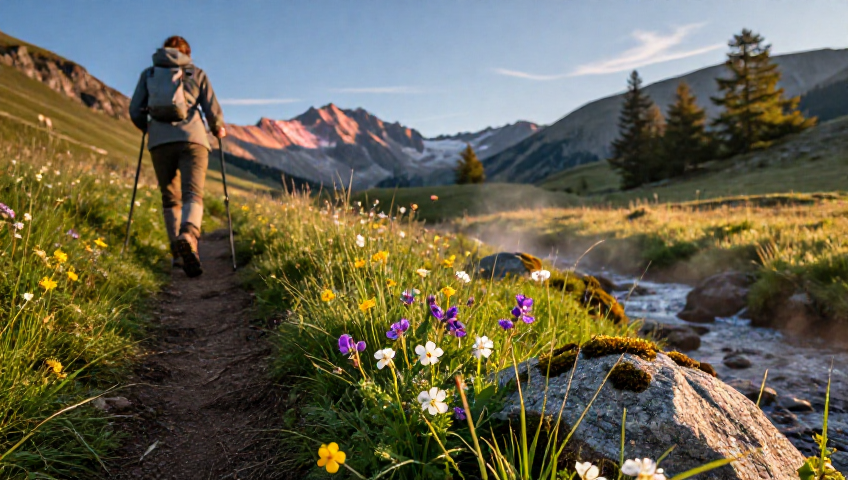
When you step onto the Alpages du Trélechamps, the first thing that hits you is the sheer silence, broken only by the distant sigh of a glacier and the occasional clink of a shepherd’s bell. Nestled in a vallée that hugs the fore‑foot of the Mont‑Blanc massif, this tucked‑away corner of the Alpes offers a kind of wild elegance that feels both timeless and startlingly fresh. The light here plays tricks on the peaks, turning ordinary stone into shimmering gold at sunrise and bathing the lac in pastel hues at dusk. Whether you’re a seasoned hiker looking for a new sentier or a photographer chasing that perfect panorama, the nature of Trélechamps invites you to pause, breathe, and rediscover the simple joy of being outdoors.
Table of Contents
Trélechamps, the hidden valley between Chamonix and Argentière
The vallée of Trélechamps stretches like a green ribbon between the bustling resort of Chamonix and the serene village of Argentière. Though it is only a short drive from the main tourist hubs, the area retains a village charm that feels untouched by mass tourism. Traditional chalet architecture lines the few winding roads, and the sound of cowbells is a daily reminder that the land is still primarily used for grazing. This authentic vibe is largely thanks to a strict local plan that limits large‑scale tourisme developments, preserving the landscape for future generations.
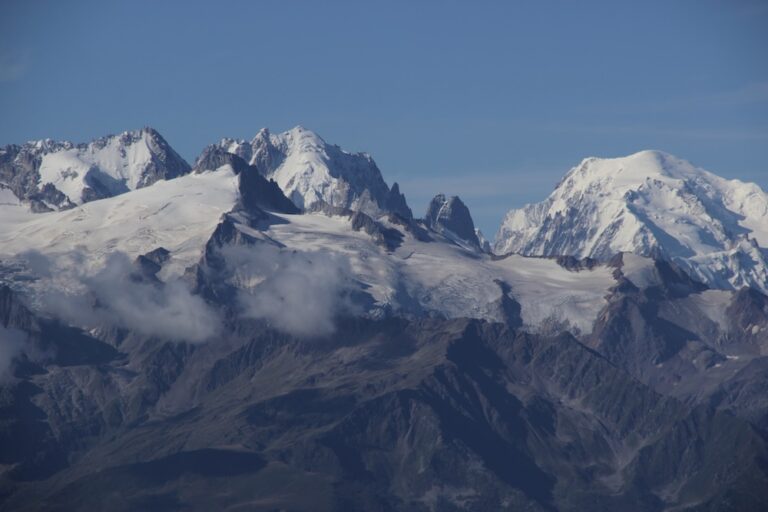
Geographically, Trélechamps sits at an altitude of roughly 1,500 m, offering a perfect point from which to admire the towering Mont‑Blanc and its satellite peaks. The mountain range creates a natural amphitheatre, funneling wind and light in ways that make each season feel dramatically different. In spring, melt‑water feeds the crystal‑clear lac that reflects budding alpenrose; in winter, the same basin freezes into a smooth mirror of the sky, perfect for reflective moments or daring ice‑walks.
Panoramas and light: why the alps sparkle here
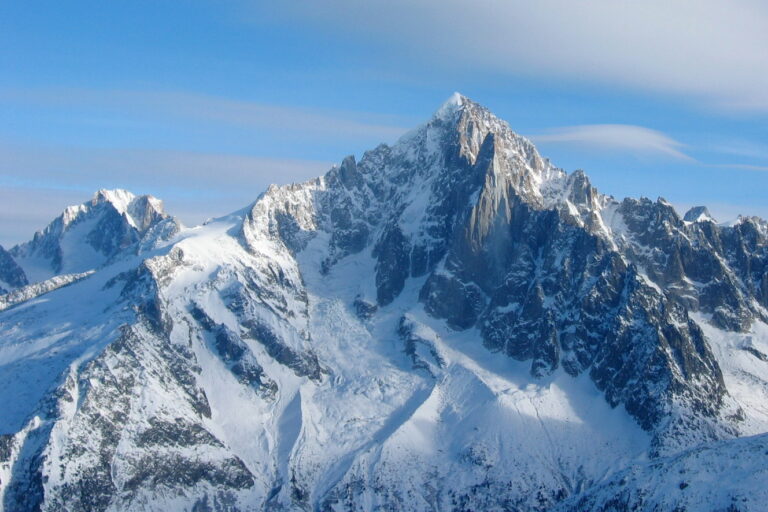
What really sets the Alpages du Trélechamps apart is the way light interacts with the surrounding Alpes. The orientation of the valley means that the sunrise hits the eastern cliffs first, bathing them in a warm, amber glow that photographers call “the golden hour of the Alps.” By noon, the sun slides behind the aiguille of Aiguille du Midi, casting soft shadows that highlight the intricate textures of the rock faces.
Even the silence seems to amplify the visual experience. Without the constant hum of ski lifts or loud crowds, the eye picks up on subtle colour shifts in the distant glacier and the way the wind shapes the high‑altitude alpages. This unique lumière is why many professional photoographers make the pilgrimage to Trélechamps each year—every frame feels like a painting.
Walking the sentiers: top randonnée routes and cols
The network of sentier paths criss‑crossing Trélechamps is a hiker’s dream. Whether you’re after a leisurely stroll or a demanding mountain trek, there’s a randonnée suited to every skill level.
Le Sentier du Lac Blanc
- Length: 6 km (round‑trip)
- Elevation gain: 400 m
- Highlights: a mirror‑like lac, wildflowers, and spectacular views of the Mont‑Blanc massif.
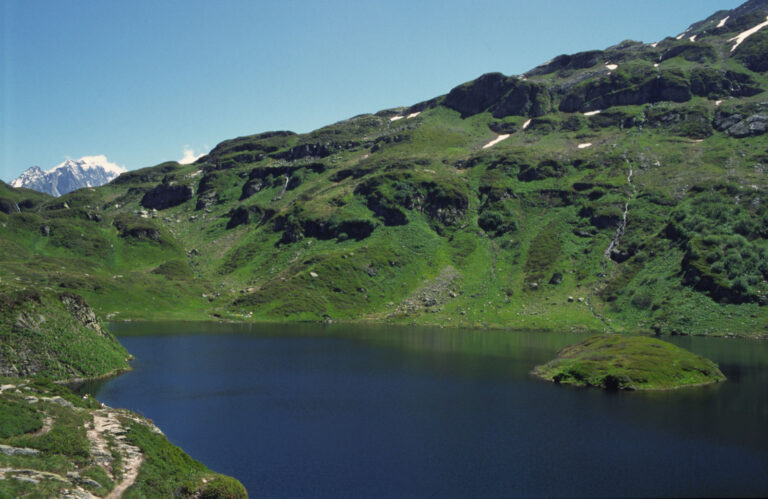
Starting from the modest parking area near the old shepherd’s hut, the trail climbs gently through alpine meadows before opening onto the iconic Lac Blanc. The water is so clear you can see fish darting near the surface, and on a clear day the panorama includes the Aiguille du Midi and the nearby glacier that looks like a silver veil.
Col du Trélechamps – a cross‑valley connector
This col sits at 1,850 m and serves as the main artery for longer treks that link Chamonix to Argentière. The ascent is steady but manageable, and once you cross the ridge you are rewarded with an unobstructed view of the valley floor below, framed by the rugged silhouettes of neighboring peaks.
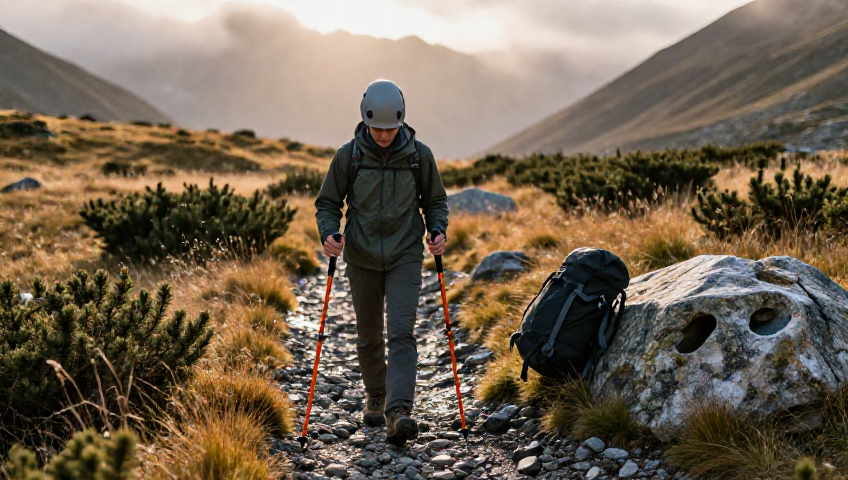
Winter hikers should be aware that the col can become icy after fresh snowfall. Proper crampons and a respect for avalanche risk are essential, especially when the glacier meltwater begins to refreeze in the evenings, creating a treacherous crust.
Flora, fauna and the fragile biodiversity of the alpages
Trélechamps is a living laboratory of alpine biodiversité. The high‑altitude alpages host a mix of hardy grasses, edelweiss, and the iconic alpine rose, all of which have adapted to the short growing season and the fierce mountain winds. During summer, the meadows burst into a riot of colour, attracting butterflies, alpine salamanders, and an ever‑changing chorus of bird calls.
Large mammals, such as chamois and ibex, frequently graze the slopes, while the elusive golden eagle can be spotted soaring above the col on clear days. However, this delicate ecosystem is under pressure from climate change; rising temperatures are causing the snowline to retreat, which in turn threatens the flora that depends on a short, snowy winter.
Local conservation groups have set up several refuge stations, offering shelter for injured wildlife and conducting regular monitoring of plant populations. Visitors are encouraged to stay on marked sentier to minimise trampling, and to pack out any litter—no matter how small.
Practical guide: hébergement, access and transport
If you’re planning a stay, the valley offers a handful of carefully selected hébergement options that blend comfort with authenticity. Below is a quick comparison of the most popular choices.
| Accommodation | Features | Ideal for |
|---|---|---|
| Auberge la Boërne – Chamonix | Traditional chalet, organic breakfast, guided hikes | Couples seeking a romantic retreat |
| Hôtel du Col de la Forclaz | Mountain‑view rooms, on‑site spa, ski‑in/ski‑out access | Winter sports enthusiasts |
| Refuge Tré le Champ | Basic dormitory style, communal kitchen, 24‑hour shelter | Backpackers and long‑distance hikers |
Access to Trélechamps is straightforward: the A40 motorway takes you to Chamonix, where you can catch a local bus (line 12) that stops at the village of Vallorcine. From there, a short shuttle or a steep walk leads to the valley entrance. For those who prefer driving, there is a modest parking area near the trailhead, but it fills up quickly in summer, so arriving early is wise.
Public transport options are limited in the off‑season, but a regular cable‑car (the “Cabri”) operates between Chamonix and the nearby col of Les Houches, offering an alternative view of the valley from above. Bike rentals are also available in Chamonix, allowing you to tackle the gentle valley floor on a mountain bike.
Taste of the valley: cuisine and local charm
Even the culinary scene respects the valley’s ethos of sustainability. Many of the local restaurants source their ingredients from nearby farms, with dishes that highlight cheese, cured meats, and root vegetables. The cuisine at Auberge la Boërne is a perfect illustration: their signature “fondue savoyarde” is made with three local cheeses and served with fresh mountain herbs grown in the alpages.
For a quick snack, try the “tartiflette” served at the small bistro near the trailhead—it’s a hearty gratin of potatoes, reblochon, and bacon that will refuel you for the next segment of your randonnée. And if you’re lucky, you might catch an impromptu cooking demonstration by the resident architecte of the chalet, who incorporates traditional building techniques with modern eco‑design.
Frequent Asked Questions
What are the best times of year to visit the Alpages du Trélechamps?
While the valley is beautiful year‑round, most visitors prefer late June to early September for warm weather, blooming flora, and clear mountain views. The hivernale season (December to March) offers a quieter, snow‑covered landscape ideal for experienced trekkers, but be prepared for icy sentier and limited hébergement.
How difficult are the hiking routes around Trélechamps?
There is a mix of easy, moderate, and challenging trails. The Sentier du Lac Blanc is suitable for families and casual walkers, while the crossing of Col du Trélechamps demands good fitness and proper equipment. Always check local weather forecasts and avalanche risk reports before heading out.
Can I park my car in the valley and walk from there?
Yes, there is a small parking lot near the trailhead, but it fills quickly during peak season. Early arrival (before 9 am) guarantees a spot. Alternative options include taking the local bus from Chamonix or using the cable‑car to reduce the drive.
Are dogs allowed on the trails?
Pets are welcome on most sentier, provided they are kept on a leash and owners clean up after them. Some refuge zones have restrictions to protect wildlife, so it’s best to check signage at the trail entrance.
What wildlife might I encounter?
The valley hosts chamois, ibex, red deer, and occasional golden eagles. In summer, you’ll also hear the distinctive calls of alpine marmots. Remember to observe from a distance and never attempt to feed the animals.
Is there any accommodation for a long‑term stay?
For extended visits, the Refuge Tré le Champ offers dormitory‑style rooms with communal kitchens. Additionally, several local families rent out chalet rooms by the month, giving a more immersive experience.
Beyond the alpages: why Trélechamps matters to the whole Chamonix valley
In a region famed for its dramatic peaks and bustling ski resorts, Trélechamps stands out as a tranquil counter‑point, reminding us that the valley is more than just adrenaline‑pumping slopes. Its pristine nature, rich biodiversité, and carefully managed tourisme model illustrate how sustainable practices can coexist with economic vitality. As climate change reshapes the high Alpine environment, places like Trélechamps become invaluable reference points for research, conservation, and responsible travel.
So whether you’re planning a photo‑excursion, a demanding randonnée, or simply a quiet weekend to breathe in the fresh mountain air, the Alpages du Trélechamps invite you to experience the heart of the Alps in a setting that feels both timeless and alive with possibility.