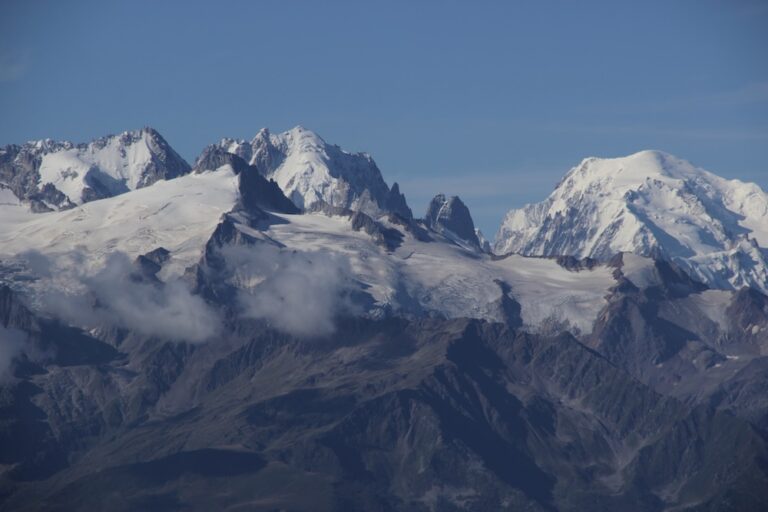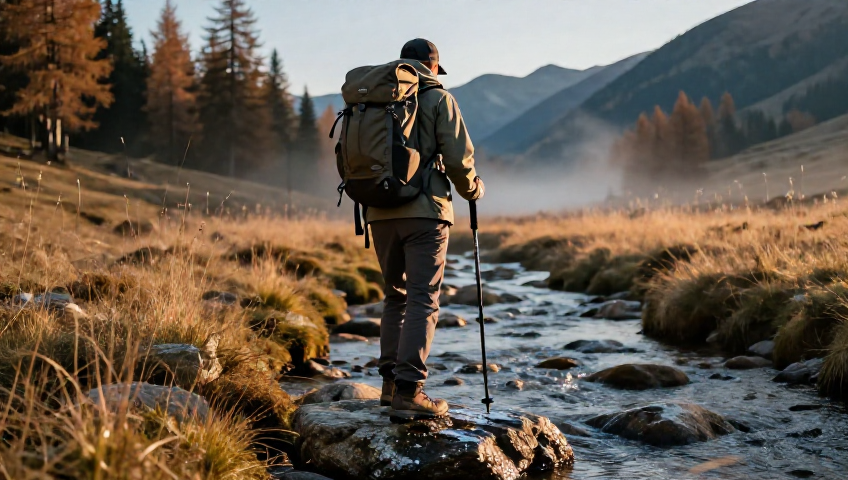
Nestled beneath the towering peaks of the Mont Blanc massif, the Vallée de Vallorcine offers a rare blend of untouched nature and authentic mountain culture. From the moment you step off the train at the tiny station of Vallorcine, the valley greets you with crystal‑clear streams, alpine meadows dotted with wildflowers, and a silence that feels almost sacred. Whether you are chasing powder snow, planning a long‑distance hike, or simply longing for a quiet village café, this secluded corner of Haute‑Savoie has a way of slipping into your memory like a soft echo from a distant summit.
While many travelers sprint straight to the bustling slopes of Chamonix, those who linger a little longer find themselves in a landscape where the same glaciers that shape the world‑renowned Vallée Blanche also loom over modest chalets and traditional stone barns. The valley’s name, “Vallorcine”, originates from the old Walser dialect, hinting at a heritage that predates the modern ski industry by centuries. In the pages that follow we’ll wander through its trails, peek at its history, and lay out everything you need to make the most of a visit to this often‑overlooked alpine sanctuary.
Table of Contents
Exploring Vallorcine Village and Its Charm
The heart of the valley beats in the small yet vibrant Vallorcine village. Its narrow streets are framed by wooden balconies, and the scent of freshly baked rye bread drifts from the bakery on Place du Village. Here you’ll find a handful of family‑run hotels, a modest museum chronicling the Walser settlers, and a ski school that doubles as a summer mountain‑bike hub.
What makes the village truly special is its sense of continuity. While the ski lifts were added in the 1970s, the stone houses still carry the same sloping roofs that shielded generations of herders from snow. On market days, locals set up stalls selling cheese made from the milk of goats that graze on the high‑altitude pastures, and you can often hear the soft accent of the French‑Germanic dialect that survived the border changes of the 20th century.
One of my favourite moments was sharing a table with an elderly shepherd who recited the Vallorcine pronunciation of his hometown’s name: “Val‑or‑seen”. His voice, carrying a hint of nostalgia, reminded me that every stone here holds a story.
What you’ll find in the village centre
- Le Café du Mont – a spot for hot chocolate and panoramic photos
- La Maison du Patrimoine – a tiny museum with artefacts dating back to 1250
- École de ski Vallorcine – lessons for all ages, summer bike rentals on the side
- Local artisan shop – hand‑woven wool scarves and wooden carvings
Top Activities and Hikes in the Vallée de Vallorcine
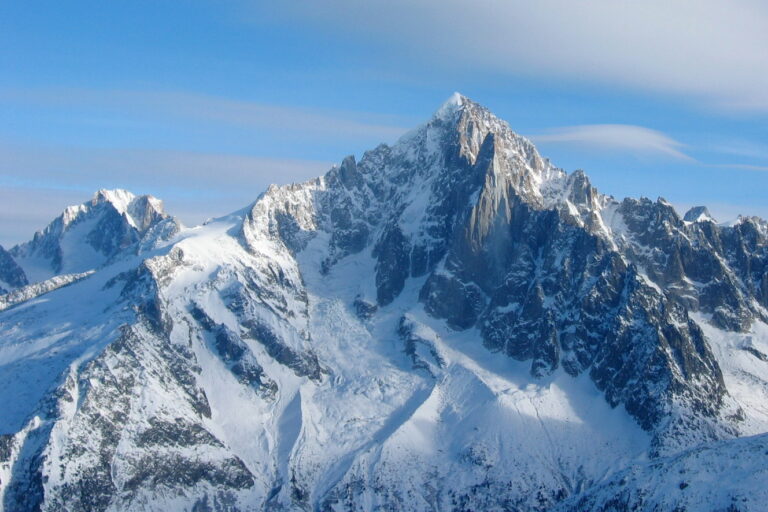
If you’re hunting for Vallée de Vallorcine hike ideas, the valley does not disappoint. The well‑marked Sentier du Bouchard leads you through larch forests, over rocky ledges, and finally onto a high plateau offering a view of the Aiguille du Midi that rivals any postcard. The trail is about 12 km round‑trip and can be completed in four to five hours, making it ideal for a half‑day adventure.
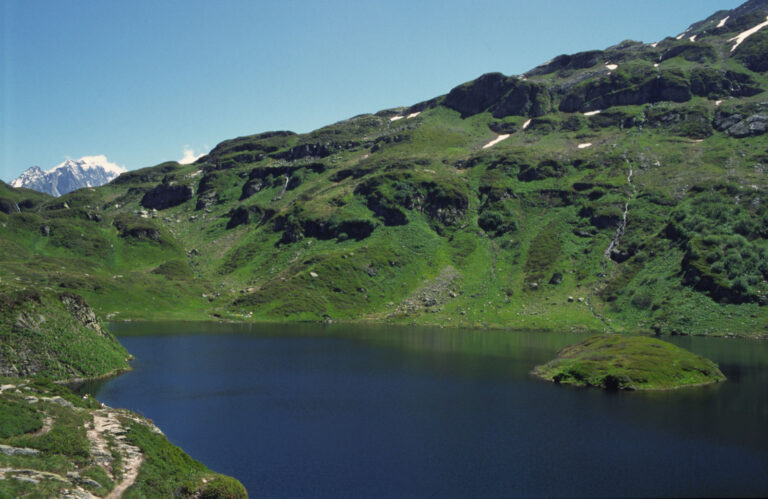
For those who prefer a gentler stroll, the Lac du Glacier trail circles a turquoise lake whose waters are fed by melt‑water from the Argentière Glacier. Families love this walk because it’s stroller‑friendly and the lake is perfect for an impromptu picnic.
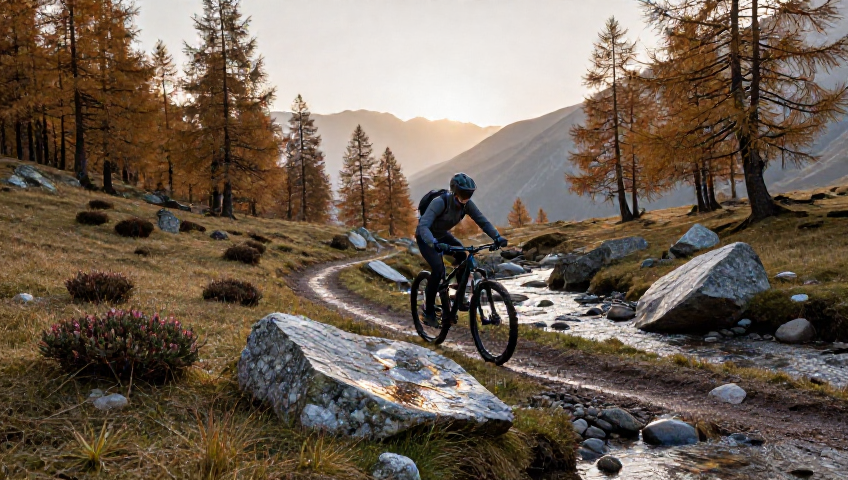
In the summer, the valley becomes a hotspot for mountain biking. The Vallorcine carte (map) features a network of red‑grade bike routes that snake past old alpine pastures, and you can pick up a rental bike at the station near the ski lifts. The ride to the Col des Montets offers a challenging climb, but the descent back into the valley is a rewarding rush of wind and pine scent.
Comparatively, many travellers compare Vallorcine to Zermatt’s quieter side – both valleys boast iconic peaks, but Vallorcine remains less commercialised, giving you more room to breathe.
Sample hiking itinerary
| Trail | Duration | Difficulty |
|---|---|---|
| Sentier du Bouchard | 4‑5 hrs | Moderate |
| Lac du Glacier loop | 2‑3 hrs | Easy |
| Col des Montets bike route | Half‑day | Hard (for cyclists) |
How to Reach Vallorcine – Stations, Trails and Maps
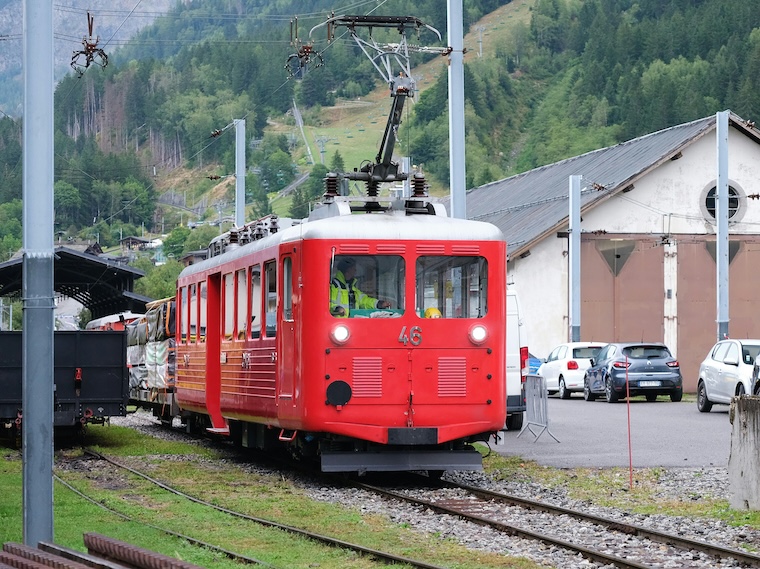
Getting to the valley is surprisingly straightforward. The Mont Blanc Express, a scenic railway that starts in Saint‑Gervais, runs all the way to Vallorcine station de ski. The journey takes about 45 minutes, and the train glides past sparkling lakes and deep valleys, offering a preview of the adventure ahead. Once you alight, the station doubles as a small hub where you can purchase the official Vallorcine carte and arrange local bus connections.
If you’re driving, the D1506 road winds up from Chamonix through the Col des Montets and drops you off in the centre of the village. Parking spaces are limited, but a free municipal lot sits just a few minutes’ walk from the main square. For the eco‑conscious, a well‑maintained network of hiking trails connects Vallorcine to neighboring hamlets such as Le Tour and Argentière, making a multi‑day trek possible without ever needing a car.
Transport summary
- Train: Mont Blanc Express – direct from Saint‑Gervais to Vallorcine (45 min)
- Bus: Local line 210 – runs hourly between Chamonix and Vallorcine
- Car: D1506 – toll‑free, scenic mountain road
- Hike: Trail links to Argentière (6 km) and Le Tour (4 km)
Seasonal Highlights: Winter Skiing and Summer Adventures
When the first snowflakes settle on the oaks, Vallorcine transforms into a modest yet charismatic ski haven. The Vallorcine station de ski offers about 30 km of gentle slopes, perfect for families and beginners who want to avoid the crowds of Chamonix. The area is also a gateway to off‑piste terrain that seasoned skiers explore under the watchful eye of local guides – think tree‑run runs that wind through fir forests, ending in open bowls that overlook the Mont Blanc massif.
In contrast, the summer months reveal a different personality. Alpine flower festivals erupt in July, with dozens of species painting the meadows in vivid hues. The valley’s river, the Eau Noire, invites anglers to try their luck for brown trout, while rock‑climbers can test their mettle on the granite walls of the Aiguille du Grépon, a classic route that even seasoned alpinists respect.
One anecdote that sticks with me is the story of a local guide who once rescued a lost hiker by following the distant echo of a cowbell – a reminder that the valley’s traditions are still alive and well.
Seasonal activity table
| Season | Main Activities | Tips |
|---|---|---|
| Winter | Skiing, snowshoeing, night sledding | Check avalanche reports; book a guide for off‑piste |
| Spring | Wildflower hikes, bird watching, early‑season climbing | Carry rain gear; trails can be muddy |
| Summer | Mountain biking, fishing, paragliding | Reserve bike rentals early; stay hydrated |
| Autumn | Mushroom foraging, photography, cultural festivals | Bring warm layers; daylight fades quickly |
Practical Tips and Local Insights
Before you set off, a few practical notes can make your stay smoother. First, the currency is the Euro, but many establishments also accept Swiss Francs given the valley’s proximity to the border. Second, the official language is French; however, most innkeepers speak basic English and a few can converse in the Walser dialect – a fun souvenir if you pick up a few words.
Accommodation ranges from cozy chalets with wood‑burning stoves to modest guesthouses. Booking in advance is advisable during school holidays, as the valley’s capacity is limited. If you prefer flexibility, the local tourist office offers a “Vallorcine Pass” that gives you unlimited access to the ski lifts, the bus line to Chamonix, and discounts on guided tours.
One piece of advice that locals swear by: start your day early. The valley’s light changes dramatically; sunrise paints the peaks rose‑gold, while late afternoon can bring sudden clouds that obscure the view. An early hike often rewards you with crystal‑clear panoramas and fewer crowds.
Quick reference guide
- Currency: Euro (CHF accepted in some shops)
- Language: French (English and Walser dialect widely understood)
- Best travel months: June–September for hiking, December–February for skiing
- Essential gear: waterproof boots, layered clothing, sun protection
Frequent Asked Questions
What can you do in Vallorcine?
During winter, the valley offers skiing, ice cascades, luge, ski‑touring and snowshoe walks that showcase its pristine nature. In summer, the landscape transforms into a playground for hikers, mountain bikers, anglers and climbers seeking calm and expansive alpine spaces.
What is the history of Vallorcine?
Located in the high Eau Noire valley and separated from Chamonix by the Col des Montets, Vallorcine’s story stretches back roughly 750 years to the 13th century, when Walser settlers—German‑speaking peasants—established farms and vineyards. Isolated for centuries, the community relied mainly on pastoralism, preserving a distinct cultural identity that still echoes through its architecture and dialect.
What are the reviews on the Vallorcine ski station?
The ski area is praised for its tranquil atmosphere and character. Spread over six kilometres of gentle slopes and extensive forested off‑piste zones, it appeals to families and freeriders alike. Visitors often comment on the well‑maintained pistes, the friendly staff, and the surrounding alpages that provide a genuine mountain experience.
Why the Vallée de Vallorcine should be on your itinerary
From its historic Walser roots to its modern yet low‑key ski facilities, the Vallée de Vallorcine offers a rare balance of authenticity and adventure. Whether you’re carving fresh tracks, wandering through alpine meadows speckled with edelweiss, or simply soaking up the gentle rhythm of a mountain village, the valley invites you to slow down and savor each moment.
So pack your boots, your curiosity, and perhaps a spare pair of wool socks—this hidden corner of the Chamonix region promises experiences that linger long after you’ve left the last trailhead. And who knows? You might return year after year, each visit revealing a new facet of this timeless Alpine sanctuary.