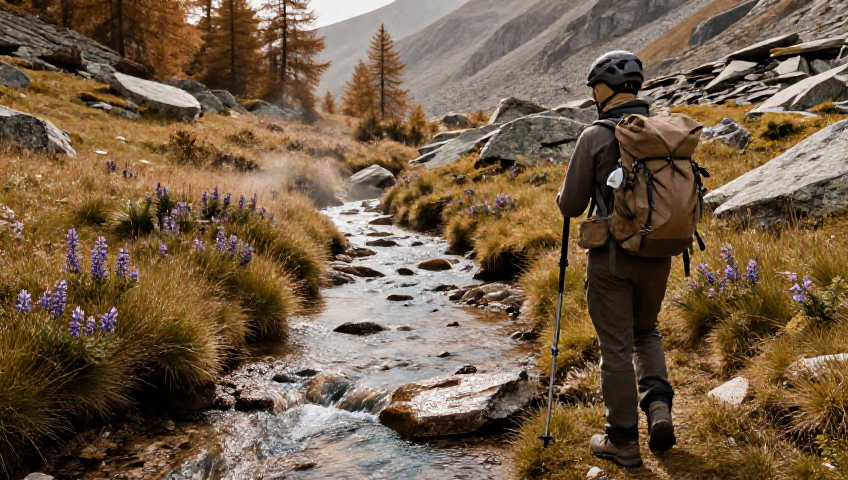
Nestled between the dramatic peaks of the Aiguilles Rouges and the sprawling snow‑capped massifs of Mont Blanc, the Vallon de Berard unfolds like a secret garden for anyone who loves rugged mountain scenery and tranquil forest trails. A short ride from the charming hamlet of Vallorcine, the valley cradles a pristine nature reserve where glacial remnants, alpine flora and fauna thrive side by side with historic mountain huts and lively snack bars. Whether you’re chasing the roar of the Bérard waterfall, planning a moderate loop trail, or simply craving a picnic spot beneath rhododendron bushes, this guide will walk you through the best routes, refuges and seasonal tips to make your visit unforgettable.
From the moment the train creaks into Vallorcine station, the scent of pine and the echo of distant chamois set the tone for an adventure that feels both wild and welcoming. In the following pages you’ll discover why the valley is a magnet for hikers, climbers and wildlife photographers, and how you can experience its highlights safely, responsibly and with a dash of local charm.
Table of Contents
Nature reserve and alpine heritage
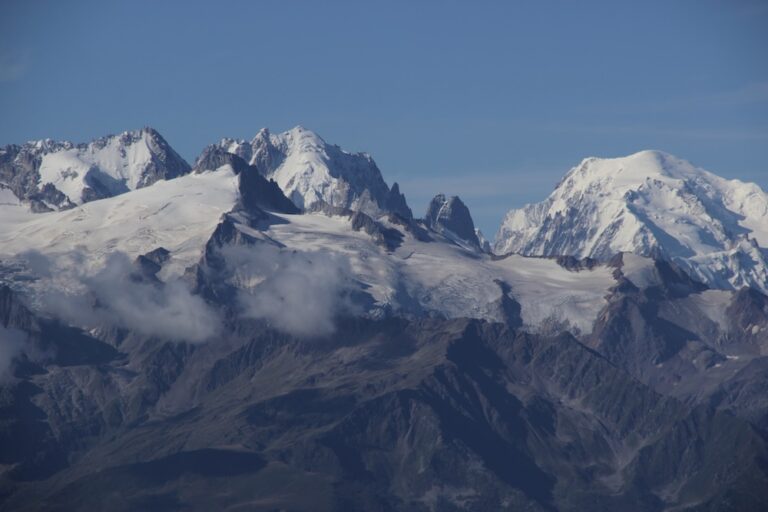
The Vallon de Berard forms part of the larger nature reserve that protects a mosaic of habitats: alpine meadows dotted with green alder, rocky gorges carved by melt‑water, and forest trails weaving through silver‑leaf birch. The reserve’s boundaries encompass the relict glaciers that cling to high ridges, the hanging glaciers and small suspended glaciers that feed the glacial cirque below, and the avalanche corridor that shapes the valley floor each winter.
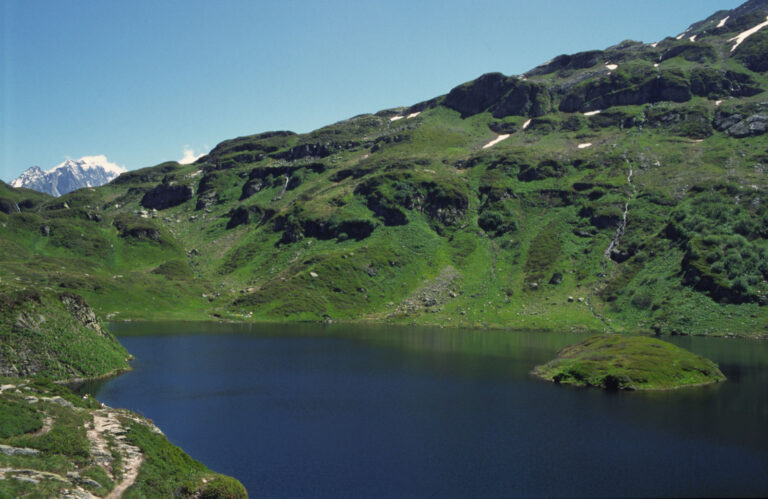
A quick hike from the trailhead reveals the Alpine character of the area—rhododendron bushes blaze pink in summer, while golden eagles and ptarmigan glide over the scree. In autumn the forest turns a fiery orange, and the sound of the Bérard waterfall becomes a soothing backdrop to the crunch of fallen leaves underfoot.
Key wildlife you might spot
- Ibex navigating steep limestone cliffs
- Chamois sauntering across alpine lawns
- Black grouse displaying in early summer
- Tichodrome perched on rugged outcrops
- Golden eagle soaring above the glacial cirque
Geographical highlights
| Feature | Elevation (m) | Notes |
|---|---|---|
| Col de Bérard | 2,134 | Mountain pass providing panoramic views of the Aiguilles Rouges |
| Col de Salenton | 2,267 | Gateway to the Bérard Waterfall Loop |
| Refuge de la Pierre à Bérard | 2,000 | Historic mountain refuge with a small snack bar |
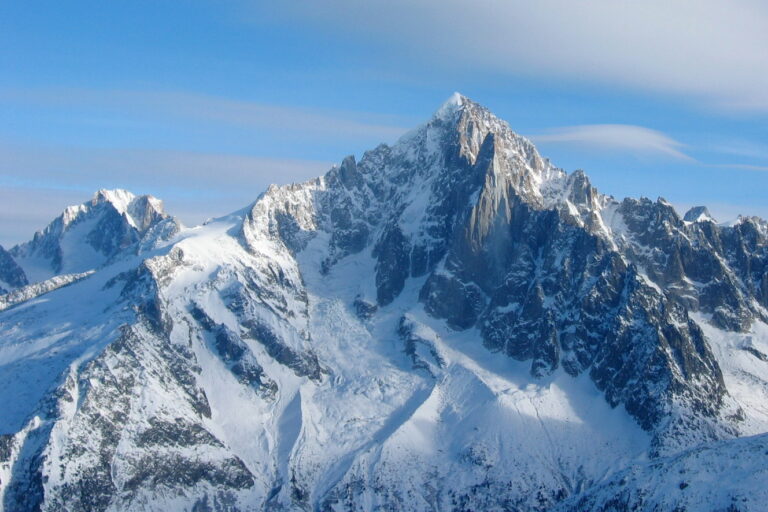
| Aiguille du Mont Buet | 3,096 | Iconic peak visible from the valley on clear days |
These elevations translate into an elevation gain of roughly 800 m for the full loop, a factor that makes the trail “difficulty moderate” for most hikers but still accessible for those with a decent level of fitness.
The Bérard Waterfall Loop – a must‑do hike
If you’ve ever dreamed of chasing a waterfall through a forested gorge, the Bérard waterfall loop is the answer. Starting at the trailhead near Vallorcine, the path follows a metal walkway over a rocky gorge, then climbs to a series of wooden sculptures that mark the “viewing platform”. From there, the waterfall loop descends to the cascade, where water plunges into a crystal pool that fuels a small waterfall bistro—the Buvette de Berard—offering hot chocolate and local cheese during the colder months.
The loop is well signposted; signposts and boardwalk sections keep you on track even when the trail gets wet. The route is divided into three main sections:
- Forest trail (2 km) – gentle ascent through alpine lawns and rhododendron thickets.
- Rocky gorge (1 km) – metal steps and a bridge crossing over the torrent.
- Waterfall plateau (1 km) – a short climb to the cascade and a picnic spot with stunning mountain scenery.
Trail statistics
| Metric | Value |
|---|---|
| Distance | 5.2 km (round‑trip) |
| Elevation gain | ≈800 m |
| Difficulty | Moderate – some metal steps and steep sections |
| Best season | Summer & early autumn |
| Key highlights | Waterfall, Buvette, alpine flora, viewpoints |
In summer, the waterfall is fed by melt‑water from the surrounding glaciers, creating a thunderous sound that can be heard from the forest trail. In early autumn, the flow steadies, and the surrounding foliage turns gold, perfect for photography.
“I thought I’d seen every waterfall in the Alps, but the Bérard cascade surprised me with its power and the intimate wooden huts nearby. It’s a place where you can sit, sip a coffee, and feel the mountain breathing.” – A recent hiker
Refuges, mountain restaurants and local flavor
After a long day on the trails, the valley offers several comfortable spots to rest. The most iconic is the refuge de la Pierre à Bérard, perched just below the Col de Salenton. This mountain refuge dates back to the early 1900s and retains a rustic charm, with wooden beams, a stone fireplace, and a modest snack bar serving hearty soups, tartiflette, and warm mulled wine during the snow‑covered months.
Just a short walk away lies the refuge de Loriaz, a larger mountain hut often used by climbers attempting the Aiguille de Loriaz or the Aiguille de Berard. The hut provides dormitory‑style accommodation and a communal dining area where you can meet fellow adventurers.
If you prefer a more formal setting, the mountain restaurant at the foot of le Buet offers panoramic views of the glacier and a menu that celebrates Alpine gastronomy—think smoked trout, herbed foin gras, and a selection of locally produced cheeses.
Dining highlights
- Buvette de Berard – quick bites, hot drinks, and the best view of the cascade.
- Refuge Pierre à Bérard snack bar – soups, sandwiches, and seasonal pastries.
- Le Buet mountain restaurant – full meals with a focus on local produce.
All these venues operate year‑round, though the menu changes with the season: in summer you’ll find fresh salads and grilled mountain herbs, while in winter the focus shifts to hearty stews and fondue.

Seasonal hiking – summer vs. autumn
While the valley is accessible year‑round, the experience varies dramatically with the seasons. In summer, snow‑covered passes melt quickly, opening up high‑altitude trails like the Le Buet ridge and the loop around the glacier that feeds the valley’s streams. The weather is generally mild, though afternoon thunderstorms can surprise hikers, so it’s wise to start early.
In autumn, the forest trail becomes a tapestry of amber and crimson. The snow conditions are minimal at lower elevations, but higher passes can already be snow‑covered, making some sections more challenging. The difficulty moderate rating of many routes remains accurate, with an extra caution needed for occasional rockfall or slippery metal steps caused by early frost.
Summer hiking checklist
- Sun protection – hat, sunscreen, sunglasses
- Water – at least 2 L per person
- Map and GPS (coordinates, latitude, longitude)
- Light jacket – afternoon storms are common
- Trail shoes with good grip for metal walkways
Autumn hiking checklist
- Insulating layers – temperatures can drop to 5 °C in the afternoon
- Sturdy boots – early snow and ice on metal steps
- Headlamp – days get shorter
- Bear‑aware snack pack – keep food sealed
- Optional crampons for higher passes if snow persists
Both seasons reward hikers with abundant wildlife sightings: golden eagles dominate the skies in summer, while chamois are more active in the cooler autumn evenings.
Practical information – getting there, maps and safety
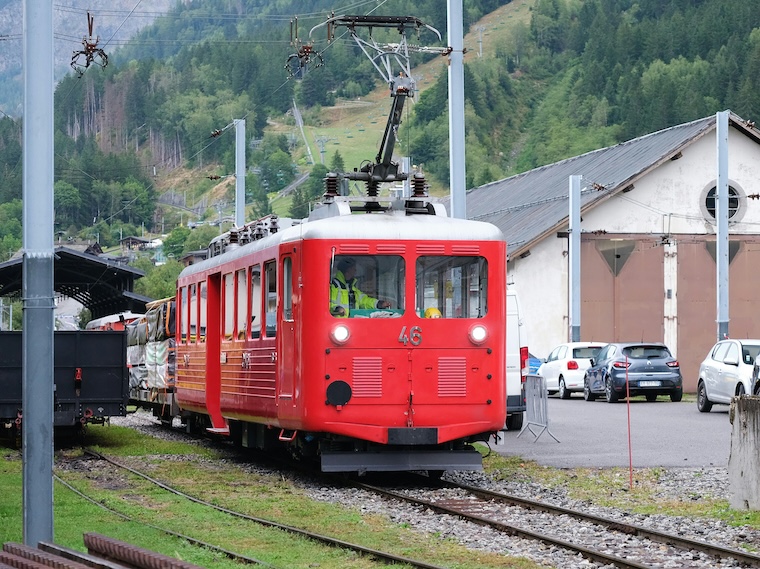
The easiest way to reach the valley is via the train from Chamonix to Vallorcine. The station sits at the foot of the valley, and from there a short shuttle or a 15‑minute walk brings you to the trailhead. For those driving, the train station parking offers space for cars and bikes.
Once on the ground, you’ll find clear signposts indicating the direction to the Bérard waterfall, the refuges, and the loop trail. The main map of the area is displayed at the visitor centre near the train station, showing coordinates, latitude, longitude, and altitude profiles for each hike.
Safety tips:
- Check snow conditions before heading to high passes, especially early in the season.
- Stay on marked paths – the avalanche corridor can be dangerous in winter.
- Carry a basic first‑aid kit and a whistle.
- Inform someone of your planned route and expected return time.
- Respect wildlife – keep distance from ibex, chamois and bird of prey.
Sample elevation profile
| Segment | Start Elev. (m) | End Elev. (m) | Gain (m) |
|---|---|---|---|
| Train station → trailhead | 1,220 | 1,250 | 30 |
| Forest trail | 1,250 | 1,800 | 550 |
| Rocky gorge | 1,800 | 2,100 | 300 |
| Waterfall plateau | 2,100 | 2,134 (Col de Bérard) | 34 |
All distances are approximate; a reliable GPS device will give you exact readings. The trailhead also offers a portable boardwalk for those with reduced mobility, though the overall difficulty remains “moderate”.
Frequent Asked Questions
What is the best time of year to see the Bérard waterfall at full flow?
The waterfall reaches its peak volume in late June and July, when melt‑water from the surrounding glaciers rushes down the gorge. Early autumn still offers a respectable flow, but the sound is gentler and the surrounding foliage provides spectacular colour contrast.
Are dogs allowed on the Bérard Waterfall Loop?
Yes, well‑behaved dogs on a leash are permitted on most sections of the loop. However, they must be kept away from the metal walkway near the gorge and from wildlife such as ibex and chamois, especially during the breeding season.
How can I reach the Col de Bérard without a car?
The regular TER train stops at Vallorcine; from there you can take the local bus (line 21) that runs hourly in summer, or you can hike the 2 km forest trail directly from the station. The path is signposted and offers beautiful views of the Aiguilles Rouges.
Is there accommodation for a night stay in the valley?
Both the Refuge de la Pierre à Bérard and the Refuge de Loriaz provide dormitory‑style lodging. Reservations are recommended during peak season (July–August). For a more luxurious experience, the mountain restaurant at le Buet offers private rooms with panoramic windows.
What wildlife might I encounter and are there any restrictions?
Typical sightings include ibex, chamois, golden eagles, black grouse and ptarmigan. Feeding wildlife is strictly prohibited, and you should keep a safe distance – especially from nesting birds such as the tichodrome.
Do I need any special equipment for the metal walkway?
Standard hiking boots with good grip are sufficient in summer. In early spring or late autumn, crampon-compatible boots are advisable because the metal steps can become icy.
What awaits you next in Vallon de Berard?
From the thunderous cascade of the Bérard waterfall to the quiet charm of alpine refuges, the Vallon de Berard offers a rich tapestry of experiences that cater to every type of outdoor enthusiast. Whether you’re planning a moderate summer hike, a colourful autumn trek, or simply a day of wildlife watching, the valley’s well‑maintained trails, knowledgeable mountain guides and welcoming snack bars ensure a rewarding adventure.
So pack your boots, check the weather, and let the mountain scenery of the Chamonix valley inspire your next journey. The valley’s hidden gems are waiting – and each visit promises new vistas, fresh stories, and memories that linger long after you leave the alpine air behind.