Nestled in the heart of Haute‑Savoie, the Vallon de Pierre à Bérard offers a blend of rugged alpine terrain, crystal‑clear streams and a refuge de la pierre à bérard that feels like a secret outpost for hikers. Whether you’re planning a brisk randonnée in June or a leisurely summer walk, the valley’s charm lies in its juxtaposition of steep rocky climbs and gentle meadow passages. Arriving from the charming village of Vallorcine, you’ll quickly notice the unmistakable roar of the cascade de bérard, a water cascade that feeds into the pristine eau de bérard. This introduction will set the scene for a detailed exploration of routes, practical advice and the natural wonders that await you.
Table of Contents
Getting there: location, transport and parking
The trailhead for the Vallon de Pierre à Bérard is located a short walk from the depart vallorcine bus stop. Public transport runs regularly from Chamonix to Vallorcine, with train arrêts at the valley’s edge. Once you disembark, follow the signposted sentier d’accès that leads to the parc parking near Le Buet. The parking area, though modest, provides space for cars and a few cycles. In high season, arriving early guarantees a spot; during the off‑season the lot is often empty, giving you a peaceful start.
If you prefer a car, the route from Chamonix via the D1506 is well‑maintained. The drive offers glimpses of the paysage alpin and a few photo‑opportunities at the pont de la vordette. Remember to check the ouverture 31/10 dates for the refuge, as the area can be closed in winter (the valley is hiver fermé).
The trail overview: distance, altitude and difficulty
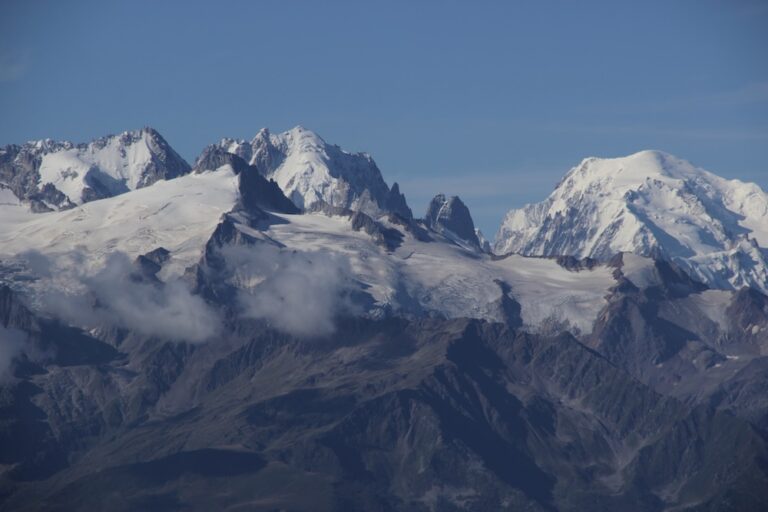
The classic loop from Le Buet to the refuge de la pierre à bérard covers roughly distance 8 km with a dénivelé positif of about 650 m. The altitude climbs from 1 337 m at the trailhead to 1 924 m at the refuge’s highest point, giving hikers a rewarding vue panoramique over the Mont Blanc massif.
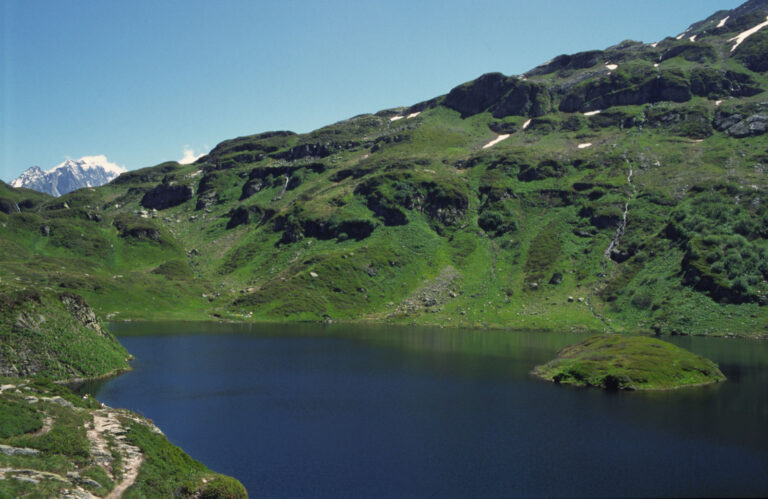
In terms of difficulté, the route is classified as itinéraire modéré. The first half traverses the premier plateau, a gentle meadow with a fontaine froide that refreshes weary legs. The second half, however, features a steeper déclivité across a terrain rocheux with a few rapide escarpement. While the sentier balisé is clear, a pair of hiking poles and a good grip are advisable.
Highlights along the way: cascade de Bérard and geological wonders
One of the valley’s stars is the cascade de bérard. Accessible via a short diversion after the pré du buet, the waterfall tumbles over a rocher géant and creates a fine mist that clings to the surrounding végétation de mélèzes. Nearby, the cabane de la cascade offers a perfect spot for a quick snack and a selfie with the glittering eau claire in the background.
Geologically, the valley showcases a striking composition géologique. The rocks are primarily pierre géologique from the late‑Alpine period, with visible strata that tell stories of ancient glaciers. Hikers often spot glaciers suspendus in the distance, their icy silhouettes contrasting with the warm tones of the surrounding meadows.
For those interested in flora, the spring months bring a burst of floraison sauvage, painting the landscape in pinks, purples and yellows. Keep an eye out for the rare Alpine orchid that thrives in the moist pockets near the watercourse.
Refuge de la Pierre à Bérard: facilities, meals and pet policy
The refuge de la pierre à bérard sits on the deuxième plateau and stays open from avril à octobre. It is a refuge ouvert during the high season, offering simple but comfortable dormitory‑style dortoirs and a communal cuisine du buet where travelers can prepare their own meals.
Meals are modest but tasty: the morning café du buet is a favorite among hikers, and the evening dîner du refuge often features local cheese fondue. If you prefer cooking yourself, the kitchen is fully equipped with a stove, pots and a shared fridge stocked with fresh water from a local spring.
Pet owners will be pleased to know that animaux acceptés are permitted, provided the chien en laisse rule is respected. The refuge’s policy encourages responsible trekking: keep dogs on a short leash, clean up after them, and stay on the marked paths to protect the fragile réserve naturelle surrounding the area.
Flora, fauna and the protected environment
The valley belongs to the réserve naturelle nationale du vallon de bérard, a protected zone that safeguards both faune alpine and flora alpine. Wildlife sightings are common: chamois, marmots and occasionally a shy golden eagle soaring above the aiguille du belvédère. The grazing goats that roam the meadows are a reminder of traditional alpine pastoralism.
During summer, the area is a hotspot for families and nature lovers. The loisirs familiaux include easy walks suitable for children, bird‑watching sessions, and guided tours that explain the valley’s ecological importance.
In winter, the valley transforms into a quiet snow‑covered landscape. However, the risques d’avalanche increase markedly, and the refuge remains hiver fermé. Hikers should always check the conditions enneigement and consult local guides before venturing out.
Practical tips: equipment, weather and safety
Before setting off, consult the latest carte sentiers (IGN 3630) to understand the route’s nuances. A basic gide de randonnée should include a topographic map, a compass, and a fully charged phone. In terms of equipment, bring waterproof hiking boots, a wind‑proof jacket, and a lightweight backpack with:
- Enough water – the cours d’eau offers fresh sources, but filter it before drinking.
- Snacks rich in carbs – the altitude can sap energy quickly.
- A first‑aid kit – especially important if you travel with dogs.
The weather in the valley can shift rapidly. Summer days often bring température 9.2°C at higher altitudes, dropping to température 6.2°C after dusk. A quick glance at the forecast shows clear skies in the morning (temps dégagé) but occasional afternoon clouds. If you hike in the période populaire (July‑August), expect more crowds, especially around the waterfall.
In case of an emergency, the local mountain rescue service operates 24 h/24. Knowing the nearest point d’arrivée (the refuge) and the point de départ (Le Buet) can speed up assistance.
Sample itinerary: a full day from Le Buet to the refuge and back
| Time | Activity | Notes |
|---|---|---|
| 08:00 | Start at Le Buet parking | Check gear, grab coffee at the café du buet |
| 09:00 | Reach the premier plateau | Enjoy the fontaine froide |
| 10:30 | Arrive at cascade de bérard | Short rest, photo op at the cabane de la cascade |
| 12:00 | Lunch at the refuge | Sample the local fondue, refill water bottles |
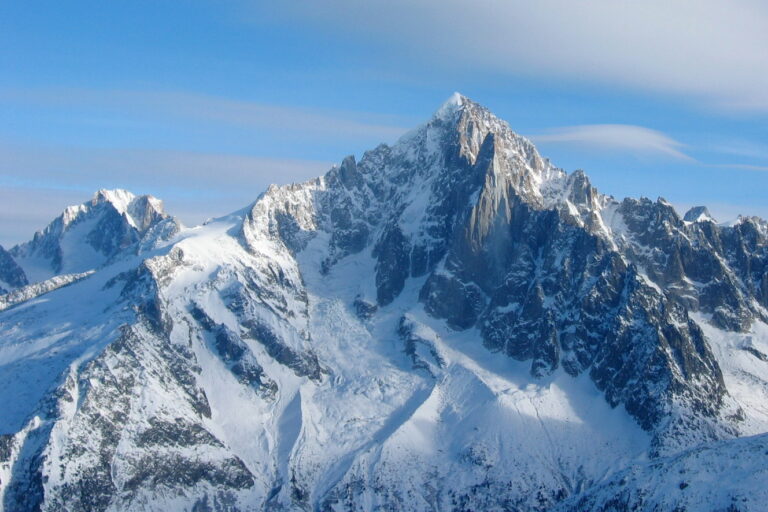
| 13:30 | Explore the deuxième plateau | Spot the aiguille du belvédère and alpine flora |
| 15:00 | Begin descent to Le Buet | Watch for marmots, stay on the sentier balisé |
| 16:30 | Return to parking | Relax, plan next adventure |
Frequently Asked Questions
What is the best time of year to hike the Vallon de Pierre à Bérard?
The valley is most accessible from mars à septembre, with the peak of visitor traffic between June and August. Early summer offers wildflower displays, while late September provides quieter trails and cooler temperatures.
Are dogs allowed on the trail and at the refuge?
Yes, chiens autorisés are welcome, but they must remain en laisse and owners should clean up after them. The refuge provides water bowls for pets, but there is no dedicated dog shelter.
How difficult is the climb to the refuge?
The ascent is classified as itinéraire modéré. Expect a steady montée with sections of terrain rocheux and a total dénivelé positif of 650 m. The path is well‑marked, making it suitable for hikers with a reasonable level of fitness.
Can I camp in the valley if the refuge is full?
Camping is only permitted in the designated foyer de bivouac near the second plateau. It is essential to respect the zone protégée rules and avoid lighting fires.
What wildlife might I encounter?
The faune alpine includes chamois, ibex, marmots, and occasionally golden eagles. Birdwatchers also report sightings of alpine accentors and snow finches.
Is the valley safe from avalanches?
During winter the area is prone to risques d’avalanche. The refuge is closed (hiver fermé) and the trail is not recommended for winter trekking without expert guidance.
Exploring beyond the valley: nearby attractions and extensions
While the Vallon de Pierre à Bérard can fill a whole day, adventurers often extend their hike toward the col de salenton, a saddle that offers breathtaking views of the Mont Blanc range. Another popular side‑trip leads to the glaciers suspendus at the edge of the reserve, accessible via a short spur trail that requires a bit more stamina.
For those interested in cultural experiences, the nearby village of Le Buet hosts a small museum detailing the valley’s mining history and traditional alpine life. The museum’s exhibit includes old tools used to extract pierre géologique from the surrounding cliffs.
Seeing the valley through the seasons
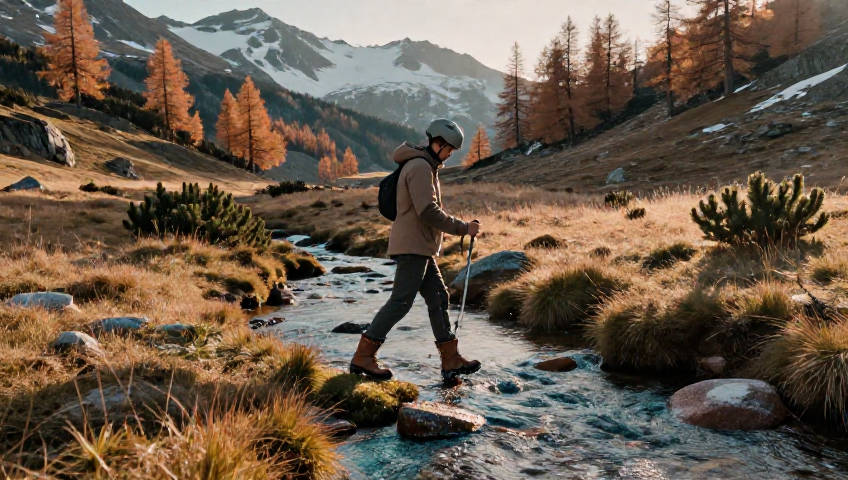
Each season paints the landscape differently. In spring, melting snow feeds the “eau de Bérard,” creating a vigorous torrent that powers the cascade. Summer brings lush meadows dotted with alpine daisies; the sun’s exposition soleil highlights the brilliant greens. Autumn drapes the valley in gold and amber, while the low‑lying fog adds a mystical air. In winter, the valley is a silent white canvas, only accessible to seasoned ski‑tourers with proper equipment.
Final thoughts: why the Vallon de Pierre à Bérard deserves a place on your list
The Vallon de Pierre à Bérard isn’t just a hike; it’s an immersion into a paysage alpin that balances adventure, natural beauty and cultural heritage. From the roaring cascade de bérard to the welcoming refuge, from the diverse faune sauvage to the subtle challenge of a moderate ascent, the valley offers something for every traveler. Pack your boots, respect the environment, and let the valley’s quiet grandeur refresh your spirit.