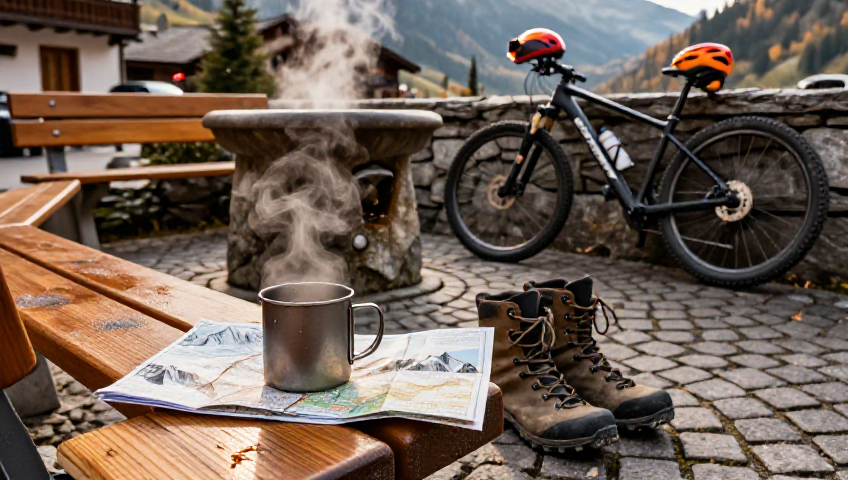
Nestled at the foot of the Mont Blanc massif, Place du Mont-Blanc pulses with the energy of hikers, skiers and city‑dwelling travellers alike. From the moment you set foot on the stone‑paved plaza, the distant echo of the Aiguille du Midi cable car, the chatter of the weekly market, and the crisp Alpine weather combine into a sensory collage that feels both timeless and instant. This square is the beating heart of Chamonix‑Mont‑Blanc, where the historic ascent of the first climbers meets the modern thrill of a glass box overlooking the glacier‑kissed horizon. Whether you are hunting a perfect mountain view, planning a day on the Vallée Blanche, or simply sipping a coffee while watching the wind tumble the ski‑poles of passing tourists, you’ll find that the square offers a micro‑cosm of Alpine life.
Beyond the postcard scenery, the square connects you to the cable car that whisks passengers up to the Aiguille du Midi summit, the Mer de Glace ice cave that glitters like a frozen cathedral, and the bustling tour du Mont Blanc trail that threads through multiple nations. In the summer, the square lives under a sky brushed with the pale blue of high altitude, while winter cloaks it in a blanket of fresh powder, inviting snowboarding and skiing enthusiasts to dive into the season’s best runs. This guide will walk you through history, attractions, adventure, and the ever‑present challenge of climate change, giving you enough insight to turn a simple visit into an unforgettable Alpine story.
Table of Contents
Discovering Place du Mont-Blanc and Its Alpinist Heart
Located at the very centre of Chamonix, the square is framed by stone façades that once housed shepherds and now host chic cafés. The layout is intentionally open, allowing the silhouette of the Mont Blanc massif to dominate the skyline. A stone clock tower crowns the northern edge, ticking in rhythm with the seasonal flow of mountaineers and tourists.
Location and layout
From the square you can gaze northward to catch a glimpse of the summit of Mont Blanc on a clear day, while to the south the Aiguille du Midi viewing decks rise like a needle. The square’s cobblestones are interspersed with modern paving that guides visitors toward the ticket office for the famed Aiguille du Midi cable car. Pedestrians, cyclists and even a few electric scooters share the space, creating a lively yet orderly traffic flow.
First impressions
My first stroll through Place du Mont‑Blanc was punctuated by the scent of fresh croissants and the distant hum of a gondola. A street musician tuned his violin, and a group of local guides gathered around a map, pointing out routes to the glacier creeps and the high altitude hut network. The atmosphere feels both relaxed and anticipatory – as if the town itself is holding its breath for the next alpine adventure.
History: From Mountain Farming to Alpine Tourism
The origins of the square date back to the 19th century, when Chamonix was a modest farming village nestled among steep valleys. The discovery of the first ascent of Mont Blanc in 1786 sparked curiosity, but it was the construction of the railway and later the lift system that truly transformed the square into a tourist hub.
Early settlements
In the early 1800s, shepherds used the plaza as a marketplace for wool and cheese. The town square served as a meeting point for traders traveling the Alpine passes. The rudimentary stone stalls gave way to more permanent structures as the reputation of Mont Blanc grew.
The turn of the 20th century
By 1905, the inauguration of the Aiguille du Midi cable car turned the square into a launchpad for a new breed of mountain enthusiasts. The cable car, then a marvel of engineering, allowed visitors to step into the void of altitude without the arduous climb. Alongside the cable car, a passenger tunnel was carved through solid rock to streamline the flow of tourists. The combination of accessibility and breathtaking views dovetailed with the burgeoning spirit of adventure that defined the era.
Key Attractions Around the Square
Place du Mont‑Blanc offers a smorgasbord of experiences that satisfy both the casual wanderer and the seasoned climber. Below are the highlights you simply cannot miss.
Aiguille du Midi cable car and viewing decks
The cable car rides 3,842 metres above sea level in just 20 minutes, whisking you to the Aiguille du Midi summit. Once there, the Aiguille du Midi viewing decks give you mountain views that stretch across France, Italy and Switzerland. For those seeking an extra adrenaline rush, the “step into the void” glass box lets you hover over a 1,000‑metre drop – a sensation that feels both terrifying and liberating.
“Standing on the glass box, I felt the world fall away; the only thing that existed was the breath I drew and the sheer drop below.” – A seasoned alpinist
Weekly market and local flavours
Every Saturday, the square transforms into a bustling market. Local vendors sell fresh Alpine cheese, charcuterie, and handcrafted souvenirs. The scent of raclette and sizzling crêpes fills the air, making it impossible to resist a culinary pause. Don’t miss the stall that sells the famous Mont Blanc dessert – a delicate custard topped with a swirl of chocolate that mirrors the mountain’s snow‑capped peaks.
- Cheese – 200 g of Reblochon
- Charcuterie – 150 g of cured ham
- Pastries – Alpine apple tart
Restaurants and the glass box experience
For a refined meal, book a table at restaurant Le 3842, perched at the top of the cable car station. Its panoramic windows frame the glacier below while the chef blends local ingredients with modern techniques. If you prefer a more casual bite, the cafés around the square serve hearty soups that combat altitude sickness and rejuvenate weary trekkers.
Table of popular activities
| Activity | Best Season | Typical Duration |
|---|---|---|
| Cable car to Aiguille du Midi | All year | 2‑3 hours |
| Grotte de glace (ice cave) | Summer | 2-3 hours |
| Saturday market stroll | Summer | 1‑2 hours |
Adventure Hub: Mountaineering, Skiing and the Vallée Blanche
Beyond the square, the surrounding mountains whisper promises of daring exploits. From the famed tour du Mont Blanc trek to the legendary Vallée Blanche off‑piste run, the area is a playground for the adventurous.
Tour du Mont Blanc routes
The classic loop winds through France, Italy and Switzerland, covering approximately 170 km. Starting points vary, but many hikers choose the Chamonix side because the square offers immediate access to gear shops, guide services, and the mountaineering community. Along the route you’ll encounter high‑altitude huts such as the mountain huts of Refugiot, each offering a warm hearth and a glimpse into alpine hospitality.
High altitude rescue and safety
Given the high altitude nature of many routes, the local rescue service maintains a state‑of‑the‑art base near the square. They coordinate with the famed Mont Blanc tunnel emergency teams to provide swift aid in case of accidents, including the infamous air crash incidents that have occasionally occurred over the valley. Visitors are advised to carry a basic first‑aid kit and to listen to trusted guides about the risks of altitude sickness.
Winter sports: skiing and snowboarding
The slopes surrounding Chamonix are a magnet for skiers and snowboarders. The Grand Balcon area offers runs that cater to all levels, while the Vallée Blanche is a must‑do for seasoned off‑piste riders. The area also hosts the annual Mont Blanc World Heritage ski festival, celebrating both heritage and modern competition.
Environmental Challenges: Climate Change and Glacier Retreat
While tourism thrives, the Alpine environment faces unprecedented pressure. The steady rise in temperature has accelerated the retreat of the Mer de Glace and the fragmentation of the glacier fields that once dominated the landscape.
Impact on Mer de Glace and Vallée Blanche
Scientists have documented that the Mer de Glace ice cave loses an average of 1.5 m of ice thickness each year. This loss not only reshapes the visual spectacle but also endangers the delicate ecosystem that supports ice‑climbing routes and the iconic Glaciorium exhibition. The Vallée Blanche ski area has seen an increased frequency of crevasse openings, prompting guides to adjust their routes each season.
Conservation efforts
Local authorities have partnered with Alpine research institutes to monitor climate change indicators. Initiatives include limiting vehicle access to the Mont Blanc tunnel during peak hours, promoting electric shuttle services from the square, and educating visitors through the Alpine museum displays. Moreover, the weekly market now sells products sourced from sustainable farms, reinforcing a community‑wide commitment to protecting the mountains.
Cultural Footprints: Cinema, Art and Local Legends
Place du Mont‑Blanc has long inspired creators. Its dramatic backdrop appears in numerous films, documentaries, and paintings that celebrate the mountain spirit.
Mont Blanc in film and television
From the classic 1950s adventure film “Mont Blanc – Thin‑Air Thrills at the Aiguille du Midi” to modern documentaries that follow elite athletes like Kilian Jornet and Hillary Gerardi, the area’s cinematic presence underscores its status as a global icon. The glass box sequence, filmed in 2023, won awards for its daring perspective.
Aiguille du Midi step into the void – a modern legend
In 2024, a viral video of a daredevil stepping onto the glacier‑floating glass platform amassed millions of views, cementing the phrase “step into the void” as part of contemporary Alpine slang. The stunt sparked discussions about safety, tourism impact, and the fine line between thrill‑seeking and preservation.
Frequent Asked Questions
Where exactly is Mont Blanc located?
Mont Blanc, the highest peak of the Alpine range at 4,807 m (15,771 ft), straddles the border between France and Italy. The massif extends into Switzerland and forms a natural barrier that defines much of the French‑Italian Alpine landscape.
What town is at the base of Mont Blanc?
The historic town of Chamonix lies at the foot of the mountain. Known for its lively streets and the iconic Place du Mont‑Blanc, Chamonix is a gateway for mountaineers, skiers and visitors seeking authentic Alpine culture.
Why is Mont Blanc famous?
Besides being the highest summit in Western Europe, Mont Blanc has become a symbol of exploration, adventure sport and environmental heritage. Its challenging routes, stunning glaciers, and the drama of first ascents have secured its place in mountaineering folklore.
How can I reach the Aiguille du Midi from the square?
Simply walk north from Place du Mont‑Blanc toward the ticket office; the cable car departs every 15 minutes in summer and every 30 minutes in winter. The ride takes about 20 minutes, after which you can explore the viewing decks, glass box, and the famed ‘step into the void’ area.
What safety measures exist for altitude sickness?
The local rescue service maintains a medical station near the square, stocked with oxygen and medication. Guides advise a gradual ascent, staying hydrated, and listening to your body. If symptoms worsen, it’s wise to descend to lower altitude promptly.
Are there any restrictions due to climate change?
Yes. Certain glacier routes are closed during the melt season to protect fragile ice formations. The Mer de Glace ice cave operates only when safe thickness levels are confirmed. Visitors are encouraged to respect signage and follow guide instructions.
Why Place du Mont‑Blanc Remains Europe’s Alpine Crown
From its humble origins as a farmer’s market to its modern role as a world‑renowned tourist hub, Place du Mont‑Blanc embodies the spirit of the Alps – a blend of natural grandeur, daring adventure and cultural richness. The square offers a seamless transition from the bustling market stalls to the lofty heights of the Aiguille du Midi, inviting every traveller to taste the pulse of the mountain.
Whether you are chasing the perfect sunrise over the Mont Blanc summit, savoring a creamy Alpine dessert, or simply watching a child’s eyes widen at the sight of the glass box, the experience is undeniably unforgettable. As climate challenges rise, the community’s commitment to preservation ensures that future generations will still be able to stand on this stone‑paved canvas, breathing the crisp air and feeling the timeless call of the mountains.
So pack your boots, your sense of wonder, and perhaps a warm scarf – Place du Mont‑Blanc is waiting, ready to write the next chapter of your Alpine adventure.