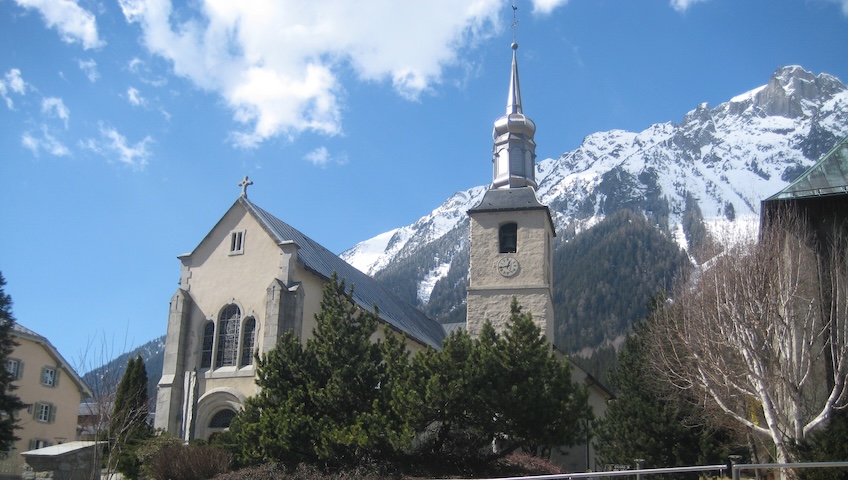
Nestled amid the soaring peaks of the French Alps, the Saint Michel Church stands as a quiet testament to centuries of faith, artistry, and Alpine life. When you step inside, the peaceful atmosphere wraps around you like a soft shawl, while the soaring bell tower watches over the bustling streets of Chamonix. Whether you’re a seasoned pilgrim, a history buff, or simply a traveler hunting a cool refuge after a day on the slopes, the church offers a moment of serene pause that feels both timeless and surprisingly modern.
Its Baroque style façade, a masterpiece of Savoyard Baroque, hides an inner world of simple beauty – from the intricate altarpiece to the resonant organ that still fills the nave on festive Sundays. Built on the foundations laid by the Benedictines in the 11th century, the sanctuary was reborn in 1707 and 1709, blending medieval stonework with the flamboyant elegance of early modern France. As you wander through the quiet aisles, the filtered light through a stunning stained‑glass window reminds you why this place has long been a magnet for pilgrims, artists, and the occasional TikTok explorer.
Table of Contents
Presentation: a blend of history and hospitality
When you first see the church from the town square, the simple beauty of its stone walls strikes you – no gaudy neon, just the honest craftsmanship of a community that has endured through wars and winters. Inside, the organ sits beneath a vaulted ceiling, its pipes gleaming like icy stalactites. The altarpiece showcases a delicate depiction of Saint Michael triumphing over darkness, a reminder of the town’s deep-rooted Catholic heritage.
What makes Saint Michel truly special is its role as a cultural spring activity hub. Every year, the Fête des Guides fills the courtyard with music, storytelling, and local delicacies – a celebration that blends mountain folklore with the reverent tone of a historical monument. Even in the low season, the church’s quiet charm offers an peaceful space for meditation or a quick respite from the bustling ski lifts.
Location and accessibility
Located just a stone’s throw from the main pedestrian zone of Chamonix, the church benefits from convenient parking Saint Michel spots and an easy connection to the town’s inclined plane that whisks visitors up toward the Aiguille du Midi. Its central position means you can stroll from the Saint Michel priory to the lively cafés on Rue Paccard in under five minutes.
For those with reduced mobility, the site offers a modest ramp and a dedicated seating area near the entrance. While the nave’s historic stone floor can be uneven, the church staff are happy to provide assistance, ensuring that everyone can enjoy the quiet serenity inside.
The charm of Savoyard Baroque
The exterior of Saint Michel is a textbook example of Savoyard Baroque. Thick stone walls alternate with elegant pilasters, each crowned with sculpted capitals that catch the alpine sun. The façade’s rhythmic pattern is punctuated by a modest entrance portal, framed by a carved pediment that hints at the grandeur within.
Inside, the Baroque style continues with lavish stucco work, gold leaf accents, and frescoes that depict biblical scenes against a backdrop of alpine peaks. The interplay of light and shadow creates a dynamic visual experience, especially when morning rays filter through the stained‑glass window, casting colorful mosaics onto the polished floor.
A cool haven in Chamonix
Beyond its architectural merits, the church serves as a cool refuge for anyone seeking a break from the high‑altitude hustle. After a day on the slopes or a long hike around Mont Blanc, stepping into the hushed interior feels like slipping into a warm blanket. The low hum of the organ during evening services adds an extra layer of calm, making the space feel both sacred and deeply human.
During summer, the courtyard becomes a venue for open‑air concerts and local art installations. Visitors often sit on the stone benches, sipping a café au lait while listening to the occasional choir practice – a scene that perfectly captures the serene rhythm of Alpine life.
Planning your visit
To make the most of your trip, consider the following tips:
- Check the church’s schedule beforehand – mass times vary, especially during holidays.
- Arrive early in the morning (around 9 am) if you prefer a quieter experience.
- Take advantage of the parking Saint Michel area; it fills up quickly during peak ski season.
- Bring a modest donation for the maintenance fund; the church relies on visitor contributions to preserve its historic fabric.
Best times to go
The period between late spring and early autumn offers the most pleasant weather, with longer daylight hours that illuminate the interior beautifully. Early winter can also be magical, as the low sun creates long shadows that enhance the peaceful ambiance.
Tickets & entry
Entry to the church itself is free, though guided tours (available in English, French, and German) cost €5 for adults and €3 for students. The tours last about 30 minutes and delve deep into the historic layers – from the 11th‑century Benedictine origins to the 1707 and 1709 Baroque restorations.
Onsite experience: what to see
Start at the bell tower, which dates back to the original Benedictine construction. Climbing the narrow staircase rewards you with panoramic views of the valley and the imposing Mont Blanc. Inside, you’ll find:
| Feature | Era | Highlight |
|---|---|---|
| Bell tower | 11th century | Original Benedictine masonry |
| Altarpiece | 1709 | Baroque sculpture of Saint Michael |
| Organ | 1878 | Rich, resonant tones for liturgical music |
| Stained‑glass | 1920 | Vivid colors depicting Alpine saints |
The organ itself is a marvel – built by a renowned French craftsman, its pipes still produce a warm timbre that fills the nave during Sunday services. The simple wooden pews, polished over centuries, echo the humility of the original monks.
Photography tips
If you’re keen on capturing the church’s charm, the best angles are:
- From the courtyard, framing the façade against the mountain backdrop during golden hour.
- Inside, focus on the interplay of light through the stained‑glass window onto the nave’s stone floor.
- From the bell tower, shoot a panoramic vista of Chamonix with the church perched in the foreground.
Remember to respect worshippers and avoid flash during services. The “quiet” policy is a must for preserving the peaceful vibe.
For different travelers
Families with kids
Kids love the story of Saint Michael slaying the dragon, which the local guide turns into a short, animated tale. A small activity booklet is available at the entrance, featuring puzzles about the church’s architecture – perfect for keeping young minds engaged while you admire the altarpiece or listen to the organ.
Solo travelers & peace seekers
Solo wanderers often find the church’s serene corners ideal for reflection. A quiet spot by the side altar, with a view of the mountains through the window, makes an excellent place to journal or simply soak in the mountain’s hush.
Deep dive: the church’s historic timeline
Originally erected in the 11th century by a community of Benedictines, the structure began as a modest stone chapel. Over the centuries, the town grew, and the chapel expanded to meet the needs of a burgeoning pilgrim route. By 1707, the original building had become too cramped, prompting a comprehensive redesign in the flamboyant Baroque style. The work concluded in 1709, giving us the elegant façade and richly decorated interior we see today.
During the French Revolution, the church suffered partial closure, but the local populace rallied to protect the bell tower and key artworks. In the 19th century, restorations revived the organ and added a series of stained‑glass windows that narrate the region’s saintly legends. Today, the building is officially listed as a historical monument, ensuring its preservation for future generations.
Tips for a smooth visit
- Dress modestly: Remember it’s a place of worship.
- Check mass times: Services may limit access to certain areas.
- Bring a light jacket: Even in summer, the interior can be cool.
- Use the information desk: They can arrange a private guide if you want a deeper dive.
Getting there
Reaching the church is straightforward. If you’re staying in Chamonix, a short walk from most hotels will suffice. Public transport includes the local bus line that stops a few meters away, and there’s a dedicated drop‑off zone for taxis near the parking Saint Michel. For cyclists, a well‑marked bike lane leads directly to the church entrance.
Onsite experience: a quiet immersion
Entering the nave, the faint scent of incense mingles with the crisp mountain air filtered through the stone walls. The organ looms majestically, its pipes glinting in the soft light. A few tourists linger near the bell tower, while locals whisper prayers toward the holy altar. The overall peaceful atmosphere encourages a slow pace – perfect for those who wish to linger over the intricate carvings or simply sit in silence.
Frequent Asked Questions
How old is the church in Chamonix?
The Saint Michel Church has origins dating back to the 11th century, when Benedictine monks first erected a modest chapel. The current Baroque‑style structure was completed in 1709, preserving the original bell tower as a tangible link to its medieval past.
What are the mass times at Saint Michel?
Masses are held every weekday at 7 am and 6 pm, with larger celebrations on Sundays at 9 am and 11 am. Special services, such as those during the Fête des Guides, may alter the schedule, so it’s wise to check the bulletin on the church’s notice board.
Is there parking available near the church?
Yes, the parking Saint Michel lot offers about 30 spaces and is located just outside the main entrance. It fills up quickly during peak ski season, so arriving early is advisable.
Can I visit the bell tower?
Visitors can climb the historic bell tower during guided tours, which run twice daily in summer. The climb is steep and narrow, so it’s not recommended for those with limited mobility.
Are there any cultural events held at the church?
Absolutely. The church hosts a variety of cultural spring activities, including the renowned Fête des Guides, chamber music concerts, and art exhibitions that showcase local talent.
Is the church accessible for wheelchair users?
While the main nave is level, some parts of the building, such as the staircase to the bell tower, are not wheelchair‑friendly. However, a ramp and dedicated seating area near the entrance provide comfortable access for most visitors.
What should I wear when visiting?
As a sign of respect, it’s best to wear modest clothing – shoulders and knees covered – especially during services. A light jacket is advisable, as the interior can be cool even in summer.
Alpine reflections: why Saint Michel matters
Beyond its architectural grandeur, Saint Michel Church embodies the spirit of Chamonix – a blend of daring adventure and reverent tranquility. Its Baroque style walls have witnessed centuries of mountaineers seeking blessings before scaling Mont Blanc, families gathering after a day on the slopes, and locals preserving a piece of their heritage through festivals and quiet prayer.
When you leave the peaceful sanctuary, you’ll step back onto the lively streets of Chamonix, perhaps with a fresh perspective on the balance between adrenaline and stillness. Whether you’re here for the organ concert, the stained‑glass window, or simply a moment of quiet contemplation, the church invites you to pause, breathe, and appreciate the enduring beauty of the Alps.