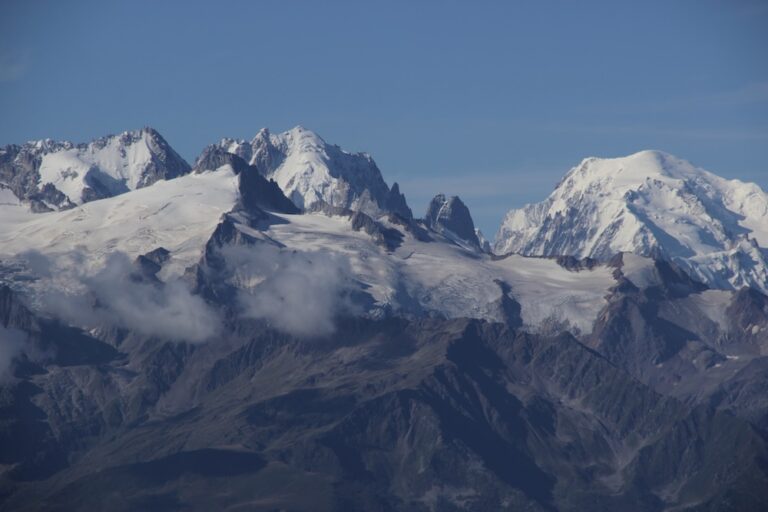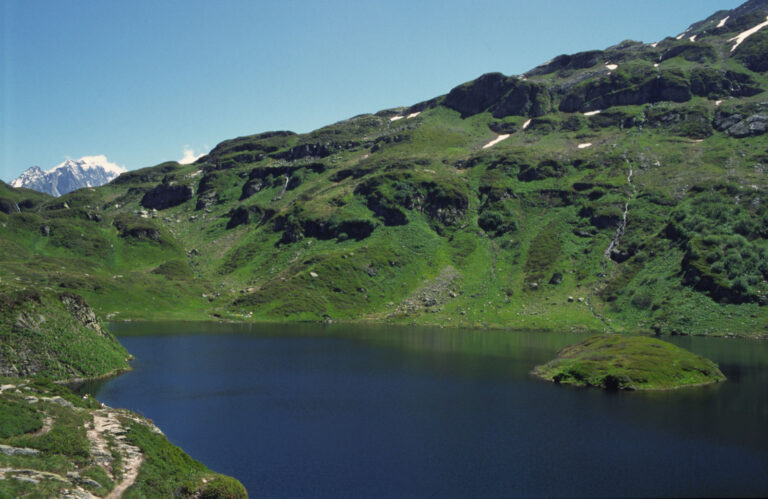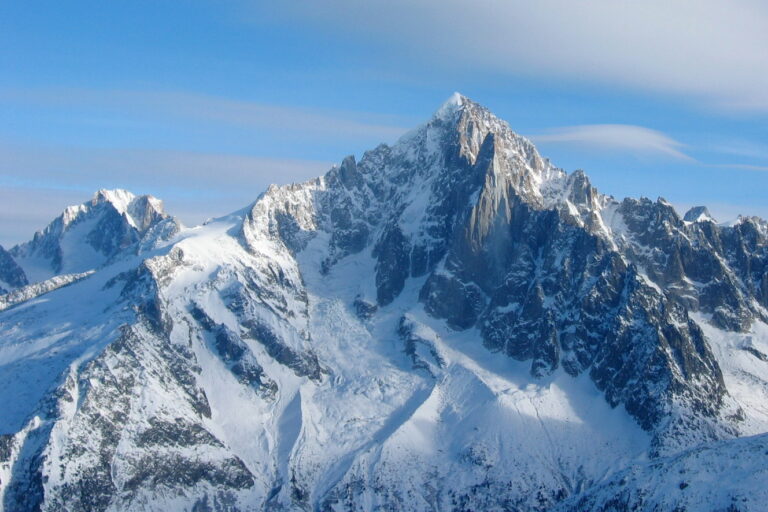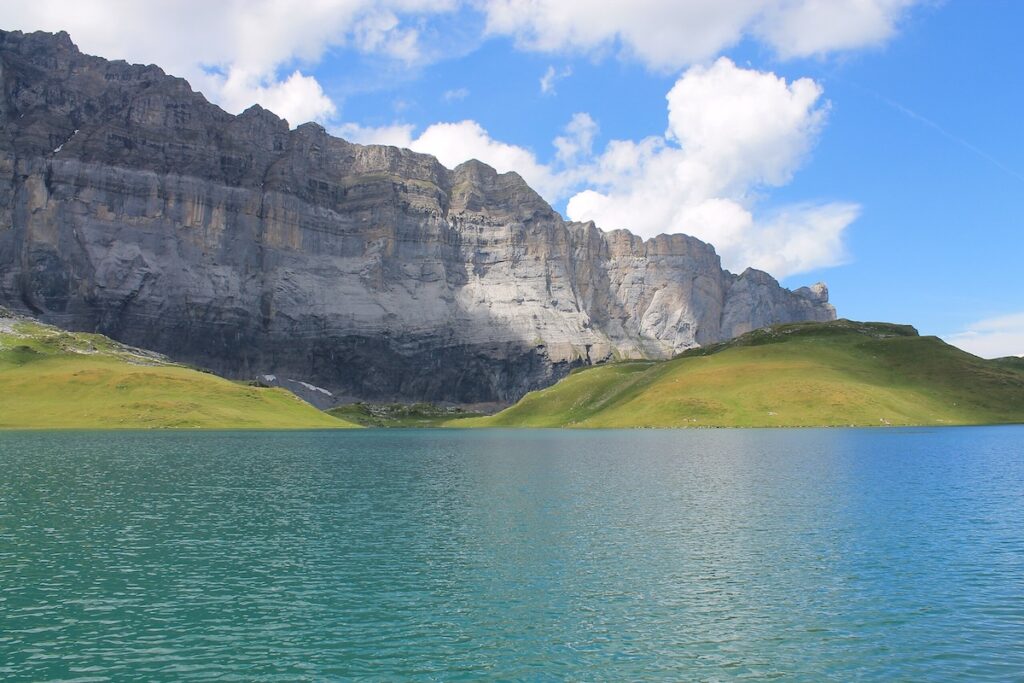
Nestled at 1,265 m in the heart of the Passy Nature Reserve, Lac d’Anterne offers a mirror‑like surface that reflects the jagged silhouettes of the Rochers des Fiz and the distant Mont Blanc. The lake, fed by glacial meltwater, is not just a picturesque stopover; it is the endpoint of a demanding hard hike that rewards seasoned walkers with alpine meadows, soaring panoramas, and the occasional glimpse of curious marmots. Whether you are aiming for the Col d’Anterne or simply seeking a tranquil spot for a picnic, the place feels like a slice of Norway dropped into the French Alps.
Reaching this alpine sanctuary involves a steady climb from the Lignon car park, an elevation gain of about 1,325 m over roughly 19 km of trail. The trek, classified as a hard trail and often completed in 7 h 58 min, traverses the alpine pasture of Sixt‑Passy, skirts the historic refuge d’Anterne, and finally drops onto the lake’s shore where the water—clear enough to see the arctic char below—flows into a modest water reservoir. Below you’ll find everything you need to plan the hike, from route options to practical advice on wildlife, camping, and the best photo spots.
Table of Contents
Getting there and starting the hike
The most convenient gateway is the Lignon car park (coordinates 45.9910503 N, 6.7978916 E). From there, the trailhead is clearly marked and leads straight into the Passy Nature Reserve. Parking is limited, especially in summer, so arriving early or using the shuttle from Passy town helps avoid the crowds. Dogs are prohibited on the path, a rule that protects both the fragile alpine flora and the resident marmots.
- Distance: 19 km (round‑trip)
- Elevation gain: 1,325 m
- Estimated time: 7 h 58 min (average hiker)
- Difficulty: hard category, out‑and‑back trail
For those preferring a shorter outing, the segment from the refuge d’Anterne to the lake is only 3 km and takes about an hour, but the full experience begins at Lignon.
Trail highlights along the way
As the path climbs, you’ll cross the Balcony of the Green Lake, a viewpoint offering a sweeping glimpse of Lac Vert tucked in a glacial cirque. The trail then weaves through the Alpine pasture of Sixt‑Passy, where you may spot ibex and the occasional shepherd guiding his flock. Further up, the iconic Rochers des Fiz loom, their craggy faces a constant reminder of the mountain’s might.
Midway, the route passes the historic Fardelay chalets and the rustic Chalets du Souay, both built in the early 1900s. They serve as perfect rest points, offering shaded benches and, occasionally, a hot cup of tea from a local shepherd.
Reaching the lake: the final ascent
The last stretch is a steady climb that brings you to the Col d’Anterne, a low pass that separates the lake basin from the higher Mount Buet (2,063 m). From the col, a short but steep descent leads to the lake’s northwest shore, where a modest dock allows for a quick dip in the crystal‑clear water—perfect for a summer refreshment.
The lake’s depth reaches 13.2 m, holding roughly 760,000 m³ of water across an area of 11.6 ha. Its glacial origin explains the cold temperature, but in late July the surface can become surprisingly inviting. The lake also supports a small population of trout and arctic char, making it a favorite spot for anglers who respect the strict catch‑and‑release policy.
Wildlife and conservation
Because Lac d’Anterne sits inside a protected nature reserve, the surrounding environment remains largely untouched. Marmots are the most vocal residents, often heard whistling from the rocky outcrops. In higher meadows you may glimpse shy ibex or a herd of sheep lifted by shepherds during the summer grazing period. Birdlife includes the golden eagle and the alpine chough, both of which soar above the lake’s surface.
Visitors are encouraged to keep a respectful distance, adhere to the “no dogs” rule, and avoid littering. Bivouac is allowed in designated zones at higher elevations, but not directly beside the lake where the fragile shoreline ecosystem needs protection.
Practical tips and essential gear
Given the hard category of this trek, proper preparation is crucial. Below is a quick checklist:
| Item | Why it matters |
|---|---|
| Sturdy hiking boots | Uneven, rocky sections demand ankle support. |
| Water‑proof jacket | Weather can shift rapidly at 1,250 m. |
| High‑energy snacks | Long ascent needs sustained caloric intake. |
| Map or GPS (GR5 trail reference) | Trail markers may be sparse beyond the refuge. |
| Sun protection | Alpine sun is intense even on cloudy days. |
Even though the trail is well‑marked, a small compass and the GR5 reference number can be lifesavers in foggy conditions. If you plan to camp overnight, remember that bivouac is allowed only above the lake and requires a minimum distance of 100 m from the water’s edge.
Nearby points of interest
After descending from Lac d’Anterne, hikers often continue towards the Passy Plaine‑Joux plateau, a gentle meadow ideal for a relaxed lunch. The cascades de la Pleureuse lie a short detour away, offering a soothing waterfall that contrasts nicely with the lake’s stillness. For a more challenging extension, the Peak of Giffre (2,257 m) can be tackled in a full‑day loop, adding roughly 6 km and 900 m of elevation.
Visitor experiences – what hikers say
Recent reviews from the Lac d’Anterne natural feature highlight both the beauty and the effort required:
- “Excellent view on this lake. Good for swimming in summer, many marmots and sheep close by.”
- “Amazing spot for a picnic! Just don’t be afraid of a little climb. It’s quite high :)”
- “Magnificent hike from start to finish, from the Lignon parking lot to Lake Anterne. The vegetation is incredible.”
- “A beautiful lake where it’s pleasant to camp. Beware of crowds on Saturdays; go a little higher for isolation.”
- “Like a piece of Norway or Iceland in the heart of the Alps. A little fitness is required, but worth every step.”
These testimonies underscore the lake’s dual appeal: a peaceful refuge for those seeking serenity and an invigorating challenge for adventure‑seeking hikers.
Frequent Asked Questions
When is the best time to visit Lac d’Anterne?
The ideal window spans from late June to early September. Early summer brings blooming alpine flowers, while September offers clearer skies and fewer crowds. Snow may linger on the higher passes until late June, so check local conditions before you set off.
Can I swim in Lac d’Anterne?
Yes, the lake is swimmable during the warmest months. Water temperatures remain chilly (around 12‑14 °C), so a quick dip is refreshing but not for extended stays. Remember that the lake is a protected water reservoir, so no lifeguards are present.
Is the hike suitable for families?
Given the hard hike rating, the full 19 km route is best suited for experienced hikers. However, families with older children can opt for the shorter segment from the refuge d’Anterne to the lake, which is roughly 3 km and less demanding.
Do I need a permit to camp near the lake?
Camping is allowed only in designated bivouac zones above the lake and requires a reservation in the local alpine office during the high season. Camping directly beside the lake is prohibited to protect the fragile shoreline ecosystem.
What wildlife might I encounter?
Expect to see marmots, ibex, and occasional alpine choughs. Trout and arctic char inhabit the lake, but fishing is regulated with a strict catch‑and‑release policy. Always keep a safe distance from wildlife to minimize disturbance.
Embracing the Alpine spirit – final thoughts
Lac d’Anterne is more than a dot on the map; it is a living classroom for nature lovers and a proving ground for hikers craving altitude and authenticity. From the sweeping panoramas over the Giffre Massif to the quiet moments by the water’s edge, the experience stitches together rugged adventure and tranquil reflection. Pack your boots, respect the reserve’s rules, and let the mountain guide you to a lake that feels both timeless and newly discovered.
Ready to add this hidden gem to your itinerary? The trail awaits, and the lake’s crystal surface promises a mirror for your next unforgettable Alpine memory.