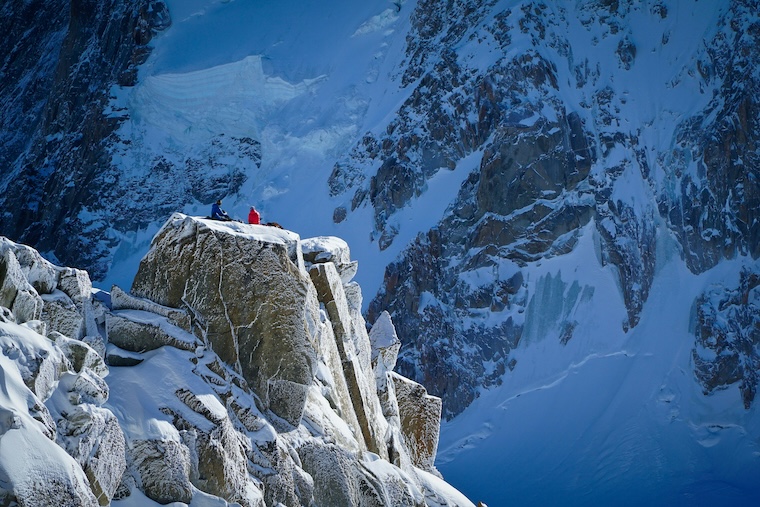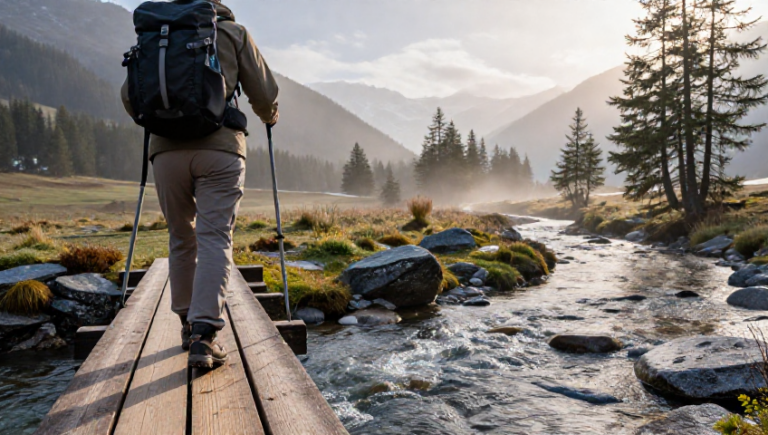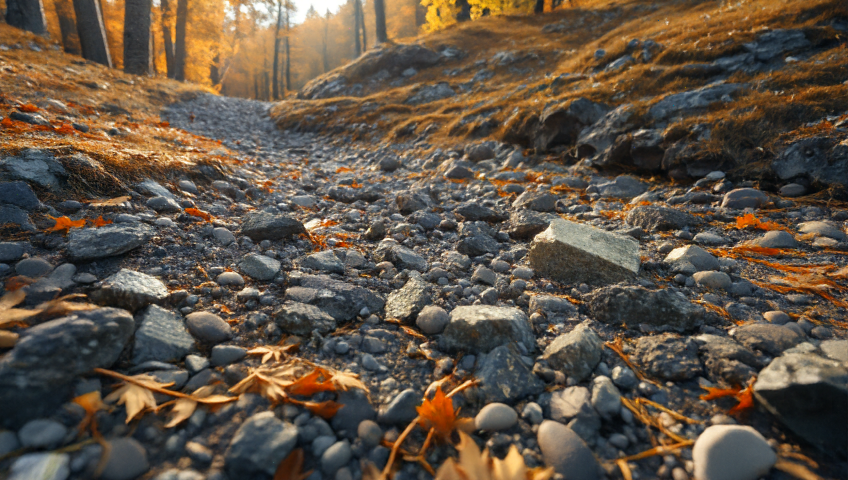
When the first whisper of autumn reaches the Alps, Chamonix transforms into a kaleidoscope of colour, while the temperature begins its gentle descent and the sunshine hours flicker like a candle in a mountain chapel. Visitors who plan a trip around the fall season quickly learn that the day lasts just a few minutes less than in the height of summer, yet the night brings a veil of stars that feels almost within reach. The local climate offers a mix of crisp air, occasional rain and the inevitable snow that starts to dust the valley and the mount sides. Whether you are a hiker eyeing the trail to the Aiguille du Midi, a photographer hunting sunlight for that perfect shot of the Mont Blanc massif, or simply craving a holiday steeped in the quiet charm of a town that is both international and deeply French, the weather of Chamonix in autumn is the stage on which all these experiences play out.
From the early September light that feels warm enough to linger on the glacier surface, to the late November chill that nudges the coldest nights, the season offers a spectrum of conditions. Data compiled by the French meteorological service shows that average temperatures drift from around 10 °C in early fall to just 2 °C as winter approaches, while precipitation shifts from gentle drizzle to solid snowfalls that can surprise the unprepared. Below we unpack what this means for the average visitor, the hiking enthusiast and the culture lover alike.
Table of Contents
What is the weather like in Chamonix in October?
October marks the official hand‑over from summer to autumn in the Chamonix valley. The chamonix weather in october is characterized by average temperatures that usually sit between 7 °C and 12 °C during the day, while temperature usually drops to around 2 °C after sundown. Rain becomes more frequent, with precipitation amounts averaging 70 mm for the month – a noticeable jump from the drier summer months.
Most of the rainfall is distributed over 10 days, creating a rhythm of intermittent showers followed by clear skies. The hours of sunshine shrink to roughly 4 – 5 per day, and the humidity hovers near 80 % – a reminder that air at altitude retains moisture longer than at sea level. For those planning to use the cable car to the Aiguille du Midi, be prepared for occasional wind speed gusts that can temporarily suspend operations.
Is Chamonix worth visiting in autumn?
Absolutely. The autumn in Chamonix offers a tourist destination experience that is both quieter and more vivid than the bustling summer peak. The activities shift from high‑altitude ski sessions to more contemplative hiking, trail running, and even early mountain climbing on the grands montets. The views over the Mont Blanc Tunnel and the surrounding peaks are punctuated by a tapestry of gold, amber and deep red foliage that only a handful of Alpine towns can boast.
“The colors of October in Chamonix are a painter’s dream – the mountains glow, the lakes mirror, and the air feels strangely alive.”
Because the weather remains relatively mild (often described as mild month), the paths remain accessible for most walkers. Even the cable car to La Flégère runs normally, offering panoramic scenes that are perfect for a sunny afternoon or a mist‑filled sunrise. The local town also hosts a series of autumn festivals that celebrate the forest harvest, the mountain culture, and the vibrant culinary scene – think fondue served alongside fresh apples and chestnuts.
What are the average temperatures in Chamonix?
The average temperatures in Chamonix follow a clear north‑south gradient that reflects altitude. In the valley, the temperature usually reaches a high of 15 °C during July, while winter lows can dip to –6 °C. During the fall months, the temperature usually reaches highs of 10–12 °C in September, sliding to 3–5 °C by November. The highs and lows for the key months are summarized in the table below.
| Month | Avg High (°C) | Avg Low (°C) |
|---|---|---|
| September | 12 | 4 |
| October | 9 | 2 |
| November | 5 | -1 |
These figures illustrate why the day feels crisp yet still allowing for comfortable outdoor pursuits. Even on the coldest nights, the night and day temperature swing rarely exceeds 8 °C, which is a welcome relief for those who prefer to sleep in a warm chalet after a day of wandering.
How much rainfall can be expected in Chamonix?
Rainfall in the Chamonix valley is markedly seasonal. During the autumn period, the rainfall totals about 150 mm across September to November, with a noticeable peak in October. The precipitation amounts are distributed over 10 days in each month, meaning you can often anticipate a light shower in the morning followed by clearer skies in the afternoon.
- September: ~50 mm, mostly gentle drizzles.
- October: ~70 mm, a mix of rain and early snow.
- November: ~30 mm, often turning into snowflakes.
Because the weather forecast for the region is reliable, many visitors use a simple Météo‑France widget to plan daily outings, ensuring they avoid the brief but intense downpours that can make the mountain paths slippery.
What are the best months for hiking in Chamonix?
While summer is traditionally seen as the peak hiking season, the autumn months – especially September and early October – are arguably the best for those who seek milder temperature and fewer crowds. The weather during this window is typically cool and dry in the mornings, with sunshine that accentuates the foliage colours.
- Grand Montets – a moderate loop that showcases golden larch forests.
- Plan de l’Aiguille – accessible from the cable car at Le Brévent, offers panoramic views of the Mont Blanc massif.
- Vallee de Chamonix – the classic valley floor hike, perfect for sunset photography.
The temperature usually drops after mid‑October, turning some higher routes into early snowfields, but lower altitude paths remain perfectly accessible. For trail‑runners, the mid‑month of September provides the best combination of air quality – often described as “air is normally humid but crisp” – and daylight hours, which average 10 hours per day.
What is the climate like in Chamonix?
The chamonix climate is classified as Alpine, with marked variations between the valley floor and the surrounding peaks. Average temperature ranges from 15 °C in July to –3 °C in January, while humidity levels are typically high due to the proximity of the Lake Geneva and the glaciers. The weather by month reveals a pattern where rainfall peaks in late summer and early autumn, and snowfall becomes dominant from November onward.
One notable aspect is the wind speed which can accelerate to 30 km/h on exposed ridges, especially near the Aiguille du Midi. This influences both temperature perception and the safety of activities like paragliding. Nevertheless, the sun shines on an average of 5‑6 days per month during the autumn, making it a perfect time for both photography and mountain climbing.
What activities can be done in Chamonix during fall?
Autumn opens a fresh roster of activities that differ from the summer’s high‑energy vibe. Below is a quick‑look at what you can enjoy:
- Hiking & trail running – the cooler temperature makes long distances pleasant.
- Photography – the stunning colors of the larch forest and early snow create dramatic compositions.
- Mountain biking – lower altitude trails remain dry enough for smooth rides.
- Gastronomy tours – taste the region’s chestnut‑based dishes and local cheeses while the sun provides a natural backdrop.
- Cable car rides – enjoy a leisurely ascent to La Flégère or Le Brévent for panoramic views without the summer crowds.
For the adventurous, the early snowfall on higher passes offers a sneak peek of the winter sports season, allowing for ski or snowboard practice on the snow that often clings to the ridgelines after a cold night.
You may also wonder
When does the first snow usually appear in Chamonix during fall?
Historically, the first noticeable snow accumulation on the valley floor occurs in late October, while the higher passes can see a dusting as early as mid‑October. The exact timing varies each year, largely influenced by global warming trends that have shifted the average onset by a week or two earlier over the past decade.
How many daylight hours can I expect in November?
In November, Chamonix experiences roughly 8 hours of daylight, with sunrise around 07:45 and sunset near 16:30. The day lasts on average slightly longer in early November compared to the later weeks, when it can drop to under 7 hours.
Is it safe to drive on mountain roads when rain is frequent?
Most main routes, including the Route des Grandes Alpes, are well‑maintained and equipped with drainage. However, during heavy precipitation, especially after a sudden downpour, some secondary roads can become slick. It’s advisable to check the local Savoie road conditions before departure.
Can I see Mont Blanc without clouds in October?
October offers a decent chance – about 45 % – of clear skies that reveal the iconic summit of Mont Blanc. The early part of the month enjoys more stable high‑pressure systems, while later weeks see an increase in cloud cover due to Atlantic fronts.
Where should I stay for a short autumn break?
For a blend of comfort and accessibility, consider a chalet in the Chamonix town centre or a boutique hotel in Le Hameau. Both options provide easy access to the cable car stations and the town’s restaurants that serve seasonal menus featuring local produce.
Planning your autumn adventure in Chamonix
In summary, the Chamonix weather fall period presents a dynamic mix of temperature shifts, moderate rainfall, and early snowfall that together create a uniquely appealing Alpine experience. Whether you aim to trek the trail to the Mont Blanc tunnel entrance, photograph the golden foliage, or simply unwind in a cozy mountain lodge while the sun shines through crisp autumn air, the region’s climate and activities are perfectly aligned for a memorable visit.
Take the data, check the weather forecast a few days before you set out, pack layers for the coldest nights, and you’ll find that Chamonix in fall is not just a destination – it’s a season‑long invitation to explore, breathe, and fall in love with the mountains all over again. The mountains are waiting – will you answer?