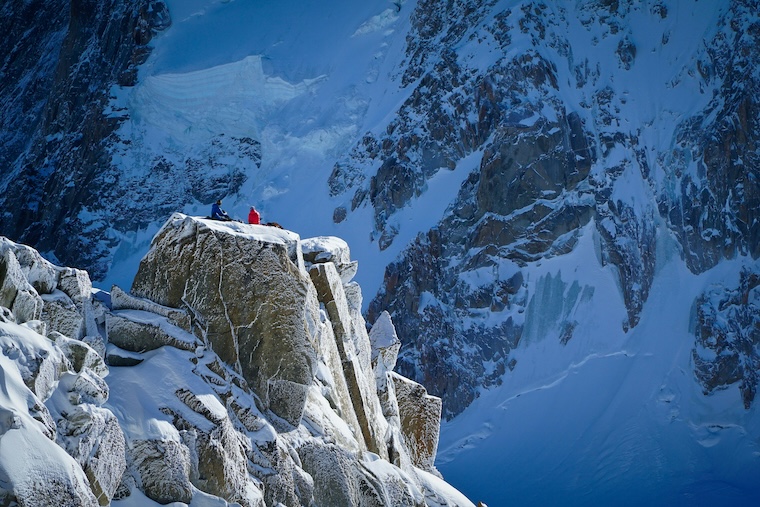
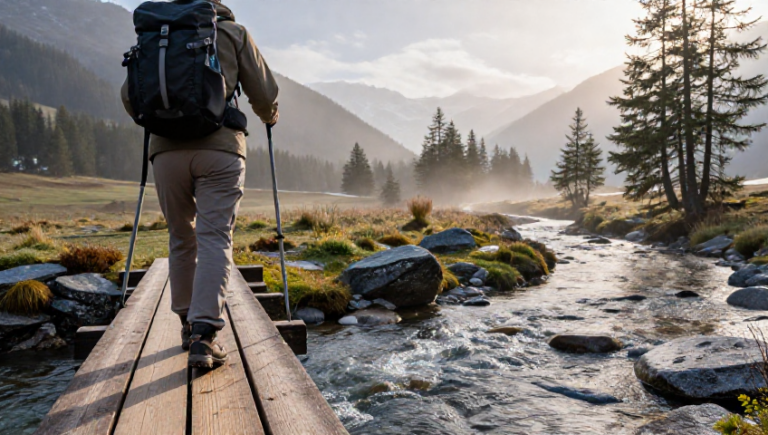
When the first frosts of the year begin to settle over the Mont Blanc massif, many travellers wonder how the chamonix november weather will shape their plans. November is the moment where autumn’s gold gives way to winter’s white – a transition that can be both spectacular and unpredictable. In the valley, daylight stretches just long enough for a morning lift ride, while evenings already hint at the deep blue of polar nights. Snow may already lace the pistes, but sunshine can still break through the clouds, offering a rare mix of powder and crisp Alpine air. Whether you’re chasing fresh tracks, snapping photos of icy waterfalls, or simply sipping hot chocolate in a cosy chalet, the weather sets the tone for every adventure.
In this guide we’ll unpack the typical temperature ranges, snowfall probabilities and daylight hours you can count on in November, then dive into packing advice, activity recommendations and safety tips that will let you make the most of the season. Think of it as a toolbox for the early‑winter traveler, packed with real‑world anecdotes, local insights and a few hard‑won lessons from those who’ve already braved the mountain chill.
Table of Contents
Typical climate patterns in early winter
November sits at the crossroads between the mellow hues of autumn and the stark monochrome of winter. The valley’s altitude – ranging from 1 000 m in the town centre up to 3 800 m on the Aiguille du Midi – creates micro‑climates that can change within a few kilometres. On average, daytime highs hover around 2 °C to 7 °C (35 °F to 45 °F), while night‑time lows often dip to –5 °C (23 °F) or lower, especially after a clear sky night. The chamonix november weather is therefore characterised by short, brisk sunshine periods punctuated by swift, sometimes heavy snowfall.
Precipitation in November is among the wettest months of the year. The French Meteorological Service records an average of 100 mm of rain‑or‑snow, with a strong tendency for precipitation to fall as wet snow from mid‑month onward. This means that ski lifts may be operating on natural snow as early as the 20th, while lower‑altitude trails might still be muddy from the previous month’s rain. Wind is another player – the famous “Mistral” can sweep down the valley, raising wind chill and making exposed ridges feel considerably colder.
| Parameter | Average | Typical Range |
|---|---|---|
| Daytime temperature | 2 °C – 7 °C | –1 °C to 10 °C |
| Night temperature | –5 °C | –10 °C to 0 °C |
| Snowfall (mm) | 80 mm | 50 mm – 120 mm |
| Daylight hours | 9 h | 8 h – 10 h |
Because daylight is still generous – roughly nine hours – you can comfortably fit a morning ski session, a midday lunch in a mountain restaurant, and an afternoon stroll along the River Arve. However, the sun sets early enough that you’ll need a headlamp if you decide to stay out after dusk, especially in the higher lifts where the cable cars run on a fixed schedule.
Temperature range and its impact on activities
Lower altitude zones (the town of Chamonix, Les Houches) may feel relatively mild, making them suitable for winter walking tours, museum visits and indoor climbing gyms. As you climb to the Aiguille du Midi (3 842 m), the temperature can plunge to –15 °C, and the air becomes noticeably thinner. This contrast is why many visitors choose to start the day at mid‑altitude, enjoy a glacier hike, then descend for a warm meal before the cold intensifies.
What to pack for a November adventure
Packing for November is a balancing act: you need enough layers to stay warm, but you also want to stay light enough to move between lifts and inns without a struggle. Think of your clothing system as three parts – a base layer, an insulating middle, and a protective outer shell. A synthetic or merino wool base will wick moisture, an insulated down or fleece jacket will hold heat, and a waterproof, breathable shell will fend off wet snow and wind.
- Base layers: two sets of long‑sleeve tops and leggings; merino is ideal.
- Mid layers: a heavyweight fleece and a lightweight down jacket.
- Outer shell: a Gore‑Tex hard shell with a snow skirt.
- Accessories: insulated gloves, a balaclava, goggles with low‑light lenses, and a thermal hat.
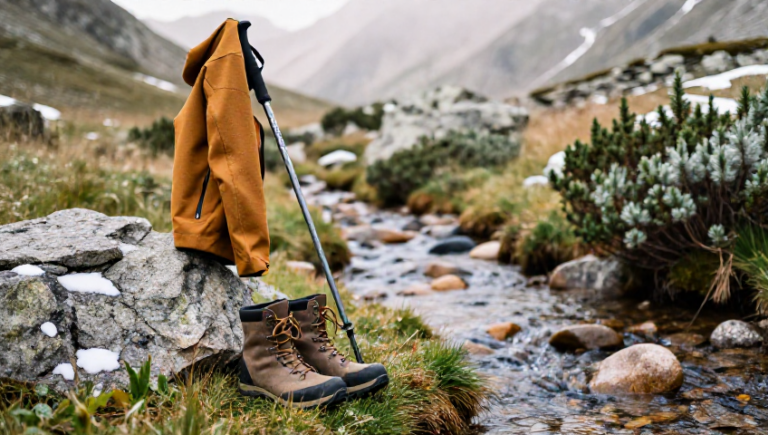
Beyond clothing, consider gear that will make your days smoother. A sturdy pair of waterproof boots with crampon compatibility is essential for snowshoeing or glacier walking. A pack with a hydration system (2 L) will keep you sipping even if the temperature drops dramatically. And don’t forget a compact headlamp – the cabin lights in many mountain huts turn off at 8 pm to conserve energy.
Essential gadgets and safety tools
Smartphones are great for checking live avalanche forecasts, but they can die quickly in the cold. Pack a spare power bank and keep your device insulated in a zip‑lock bag. An avalanche beacon, probe and shovel are mandatory if you intend to venture off‑piste – the French Alpine Club frequently updates the risk levels for the Couloir du Midi and other popular routes.
Outdoor activities and how the weather influences them
November marks the opening of many ski areas, albeit on a limited scale. The Brévent-Flégère and Les Grands Montets usually have enough natural snow for early‑season runs, and their gondolas are operational most weekends. If you’re eager for powder, aim for the high‑altitude zones; the Aiguille du Midi offers guided glacier skiing when the snowpack is at least 30 cm deep.
- Skiing & snowboarding: Expect firm, icy tracks in the mornings, easing into softer snow by early afternoon.
- Ice climbing: The frozen waterfalls near Argentiere become climbable as soon as temperatures stay below –3 °C.
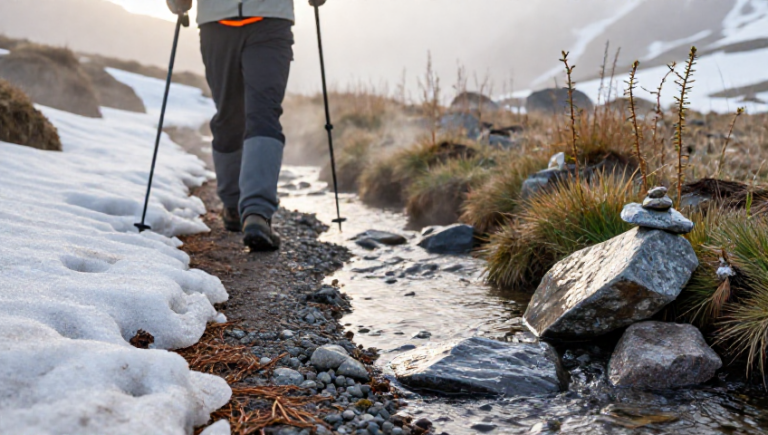
- Snowshoe treks: Trails like the Lac Blanc loop are accessible, but be prepared for occasional snow drifts that could hide cairns.
For those who prefer lower‑impact pursuits, autumn‑style hiking still works on the lower slopes. The Vallée de Bérard trail, with its patchwork of autumn colours and early‑season snow, offers spectacular views of Mont Blanc. However, always check the forecast – a sudden snowstorm can turn a gentle ascent into a navigation challenge.
Night‑time adventures
Thanks to the still‑reasonable daylight, night‑time snowshoeing or a guided star‑watching session on the Mont Blanc plateau is possible. The clear, cold air provides excellent visibility for the Milky Way, and many mountain huts organise “astronomy evenings” once a week in November. Bring a warm blanket and a thermos of hot mulled wine; the experience is unforgettable.
Practical tips for staying safe in changing conditions
Mountain weather can shift dramatically within minutes, especially when a cold front slides in from the north. The key to safety is flexibility: keep an eye on the hourly forecast, and be ready to adjust your itinerary. If a storm is predicted, aim to finish high‑altitude activities early, then descend to the town where shelters and restaurants are abundant.
- Avalanche awareness: Always read the latest bulletin from the French Air Rescue Service; even a light snowpack can become unstable after a temperature swing.
- Road conditions: The Route des Grandes Alpes (D 1091) may be closed after heavy snowfall, especially the passes near Le Tour.
- Medical preparedness: Cold‑related injuries like frostbite develop faster than people think. Keep a spare pair of insulated socks and warm your hands regularly.
Driving up to the ski lifts demands a vehicle equipped with winter tyres, and preferably chains. Public transport (the local TER trains) runs more reliably in November, but check the schedule for any cancellations due to weather.
Understanding the avalanche risk scale
The French system uses a colour‑coded scale (green, yellow, red). In November, most of the valley stays at “yellow”, meaning a moderate risk. However, the higher glaciers can reach “red” after a fresh fall of snow. If you see “red”, avoid off‑piste routes and stick to marked pistes and gondola‑served areas.
Local festivals and events in November
Another highlight is the “Montagne en Scène” festival, showcasing documentaries about mountaineering, climate change and local folklore. Screenings are held in Cham cinema (Le Vox) and often feature Q&A sessions with veteran climbers. If you happen to be in town for the “Fête du Mont Blanc” (mid‑November), you’ll experience a traditional mountain parade, complete with brass bands, local cheese tastings and a ceremonial torch lighting on the Aiguille du Midi platform.
Frequent Asked Questions
What temperature should I expect on the ski lifts?
Even on a sunny morning, the air at the top of the Brévent cable car (about 2 300 m) is usually around –2 °C to 1 °C. Wind chill can make it feel several degrees colder, especially if the wind exceeds 20 km/h. Dress in layers and keep a wind‑proof jacket handy.
Is the ski season officially open in November?
The official opening varies each year depending on natural snowfall. In most recent seasons (2023‑2024, 2024‑2025) the high‑altitude slopes of Les Grands Montets and Aiguille du Midi have opened by the third week of November. It’s best to check the resort’s website a few days before you travel.
Can I drive from Geneva to Chamonix in November?
Yes, the A40 highway is open year‑round, but snow chains may be required after the first heavy snowfalls. Weather updates are posted online, and the ski resort’s information desk can confirm road conditions on the day of your arrival.
Are there any indoor activities for rainy days?
Absolutely. The Alpine Museum offers interactive exhibits about the history of climbing, while the Ice Skating Arena in the centre provides public sessions. For a more relaxed vibe, try the local chocolate workshop – you can watch artisans temper chocolate while warming up with a hot espresso.
Do I need a special permit for glacier skiing?
Guided tours are mandatory on the Aiguille du Midi glacier for safety reasons. The guides hold the required permits, and you’ll pay a fee that covers equipment, insurance and the lift ticket. Solo skiing is discouraged without an avalanche beacon and proper training.
Planning your November trip to Chamonix with confidence
Armed with a clear picture of the chamonix november weather, you can now tailor your itinerary to suit both the excitement of early‑season snow and the charm of autumn’s lingering colours. Remember to monitor the daily forecasts, pack versatile layers, and respect the mountain’s changing moods. By doing so, you’ll discover that November is not just a prelude to the high‑season rush, but a unique window where the valley feels intimate, the skies are dramatic, and the powder is often untouched.
So whether you’re chasing fresh tracks on the Brévent, attending a twilight “Winter Lights” installation, or simply sipping a hot drink while watching the first snowflakes fall on Mont Blanc, November in Chamonix offers a blend of adventure and serenity that few other destinations can match. Pack your thermals, check the avalanche bulletin, and let the mountain’s early‑winter magic guide you through an unforgettable stay.