Every June the Alpine air in Chamonix fills with the thud of thousands of steps, the shout of volunteers, and the optimism of runners daring to tackle a mountain marathon that feels like a pilgrimage. The Marathon du Mont‑Blanc isn’t just another race; it’s a celebration of endurance, scenery and the local spirit, stretching from the foothills of the valley up to the snow‑capped shoulders of Mont Blanc itself. Whether you dream of conquering the 42 km classic or simply want to dip a toe into a 7 km forest run, the event offers a sprinkle of adrenaline for every appetite.
From the mini cross for junior athletes to the 90 km ultra trail that tests even seasoned ultra‑marathoners, the program blends technical mountain sections, dense forest trails and breathtaking nature panoramas. And because the race lives in the heart of a community that cherishes the mountain, you’ll hear stories of a star duo that finished together, a duo étoilé that set a new record, and a Club des Sports de Chamonix that keeps the spirit alive year after year. Let’s dive into what makes this event a must‑do for anyone who loves running, mountain air and a good challenge.
Table of Contents
The legacy of the Mont Blanc Marathon
The Mont Blanc Marathon first rolled out of the valley in 2002, quickly earning a reputation as one of the most scenic “mountain race” experiences in Europe. Unlike typical city marathons, this race weaves through alpine meadows, alpine forests and steep ascents that pile up to more than 2 500 m of vertical gain. Over the years, the event has attracted elite athletes, casual runners, and even families eager to share the mountain atmosphere.
What sets it apart is the balance between difficulty and accessibility. While the flagship 42 km course demands serious training, the organizers also created “young race” categories like the 7 km and 3.8 km routes specifically for kids and beginners, fostering a pipeline of future mountain runners.
Race program and dates 2026
Mark your calendar for the weekend of June 25‑28, 2026. The schedule is stacked to keep the excitement flowing from Thursday through Sunday.
- Thursday 25 June – Registration opens, race number collection starts at the Chamonix Town Hall.
- Friday 26 June – Technical meetings, trail camp orientation, and the inaugural kids race (3.8 km).
- Saturday 27 June – “Mini cross” for the youngest athletes and the 7 km “young race”.
- Sunday 28 June – Main events: 10 km, 23 km, 42 km, 90 km and the spectacular vertical kilometer challenge.
All events start and finish at the historic Stade du Marathon, with shuttle buses linking the start zones to the Chamonix gondola for the higher elevations.
Distances for every taste – from 3.8 km to 90 km
The range of distances is one of the event’s strongest selling points. Below is a quick snapshot of each race, its length, elevation profile and who it’s best suited for.
| Race | Length | Elevation gain | Ideal participants |
|---|---|---|---|
| Kids race | 3.8 km | 150 m | Children 6‑12, families |
| Mini cross | 7 km | 300 m | Young racers, beginners |
| 10 km du Mont‑Blanc | 10 km | 900 m | Trail running enthusiasts |
| 23 km du Mont‑Blanc | 23 km | 1 800 m | Experienced distance runners |
| 42 km du Mont‑Blanc | 42 km | 2 500 m | Marathon veterans, mountain lovers |
| 90 km ultra trail | 90 km | 5 300 m | Ultra‑trail specialists |
| Vertical kilometer | 5 km (as‑the‑crow‑flies) | 1 000 m | Climbers, speed‑up enthusiasts |
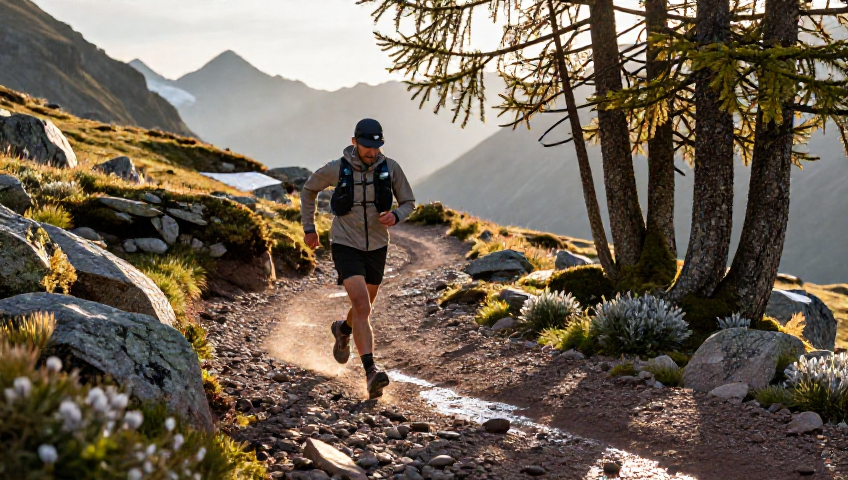
All courses share the same mountain spirit: rugged stone paths, sudden forest clearings, and sections that thread through alpine meadows dotted with wildflowers. The nature immersion is especially striking on the 23 km route, where runners thread a narrow ridge offering uninterrupted views of Mont Blanc’s summit.
How to register and collect your race number
Registration for the 2026 edition opens on 1 January and remains registration open until the limit is reached, usually by early March. Early birds benefit from a reduced fee: €140 before 31 March, then €160 afterward. The process is straightforward:
- Visit the official Marathon du Mont‑Blanc portal and create an account.
- Select your desired distance, confirm the entry fee and complete the payment.
- You’ll receive a confirmation email with a QR‑code for race number collection.
- On Thursday 25 June, head to the town hall, scan your QR‑code, and pick up your bib, timing chip and a small welcome kit (including a reusable water bottle and a map of the course).
Pro tip: bring a printed copy of the QR‑code and a photo ID; the volunteers are friendly but the lines can stretch at peak times.
What to expect on race day – terrain, forest, mountain, vertical kilometer
From the first kilometre, the route dives into a dense forest of larch and pine, where the trail can be slippery after a morning drizzle. As you ascend, the canopy opens, revealing the classic Alpine silhouette of Mont Blanc in the distance. The 42 km marathon includes several technical sections: a steep stone stair climb, a series of ridgelines that demand careful footing, and a spectacular descent into the valley that can feel like a roller‑coaster.
A unique feature is the vertical kilometer race, which condenses a 1 000 m climb into just over five kilometres. This sprint up the mountain is a favorite for climbers who want to test their power‑to‑weight ratio, and it delivers an adrenaline rush comparable to a short, intense ultra trail effort.
Weather in June can be fickle. You might start under bright sun and end with a misty cloud cover as you cross the ridge. Dress in layers, carry a lightweight waterproof jacket and use a headlamp if you’re tackling the early‑morning 90 km edition.
Community spirit: Club des Sports de Chamonix, star duo and young race
The Club des Sports de Chamonix has been the backbone of the event since its inception. Volunteers from the club are on hand to hand out water, manage traffic, and keep the morale high. Their dedication is evident in the stories that circulate each year – like the star duo that ran side‑by‑side from start to finish, or the duo étoilé who set a new record on the 23 km course while sporting matching star‑printed jerseys.
Beyond the elite athletes, the “young race” programme welcomes families to experience the joy of running in the mountains. Kids often describe the event as a “big adventure” where they get to see a real race number, meet runners with helmets, and finish with a medal that sparkles like the alpine snow.
Frequently Asked Questions
How hard is the Mont Blanc Marathon?
The Mont Blanc marathon is a monster in the best sense. While the distance is the classic 42 km, the route packs over 2 500 m of vertical ascent and a similar amount of descent. That means you’ll tackle steep climbs, technical rocky sections and fast downhill runs that demand both endurance and agility. Most participants suggest training on hill repeats and long mountain runs to prepare.
How long is the Mont Blanc Marathon?
The flagship distance is exactly 42 km (26.2 miles). However, the event also offers a 23 km, 10 km, 7 km, 3.8 km, and a daunting 90 km ultra‑trail for those looking for an extreme challenge.
When can I register for the 2026 edition?
Registration opens on 1 January 2026. Early‑bird pricing of €140 is available until 31 March, after which the fee rises to €160. The registration open status is displayed on the official website, and slots fill quickly, especially for the 90 km ultra trail.
What is included in the race kit?
Each participant receives a bib with a timing chip, a lightweight waterproof jacket, a map of the course, a reusable water bottle, and a commemorative medal (for finishes). The kit is collected during the race number collection on Thursday, 25 June.
Is there a kids’ race?
Yes! The event features a kids race (3.8 km) for children aged 6‑12. It’s a safe, fun run on a gentle forest trail, perfect for introducing youngsters to the mountain running culture in a supportive environment.
Can I participate in the vertical kilometer?
Absolutely. The vertical kilometer is a 5 km ascent with 1 000 m of elevation gain. It’s a high‑intensity effort that appeals to climbers and runners who enjoy short, steep challenges. The start is at the same registration point as the main marathon.
How do I get to the start line?
Chamonix is well‑connected by train, bus and the A40 motorway. The nearest airport is Geneva (≈80 km). From the town centre, a free shuttle runs every 30 minutes to the Stade du Marathon, where all races commence.
What is the climate like during the race weekend?
June in the Alps can be unpredictable. Expect daytime temperatures between 12 °C and 20 °C, with a chance of rain or sudden fog on the higher sections. Pack layers, a waterproof jacket, and good grip shoes for the rocky parts.
Are there any performance awards?
Yes. Winners in each distance receive a podium trophy and a cash prize. There is also a special “Mountain Spirit” award given to the runner who best embodies the values of the race – perseverance, respect for nature, and community spirit.
What lies ahead for the Marathon du Mont‑Blanc?
Looking forward, the organizers are already sketching plans for a 2027 edition that could introduce a new “mountain relay” format, allowing teams to split the 90 km ultra trail into stages. Sustainability is also high on the agenda, with initiatives to reduce single‑use plastics, promote recycling stations, and encourage participants to use public transport.
Whatever the future holds, one thing is certain: the Marathon du Mont‑Blanc will continue to blend intense competition with the awe‑inspiring beauty of the Alps, inviting runners from around the globe to experience the magic of Chamonix and its towering neighbour, Mont Blanc.