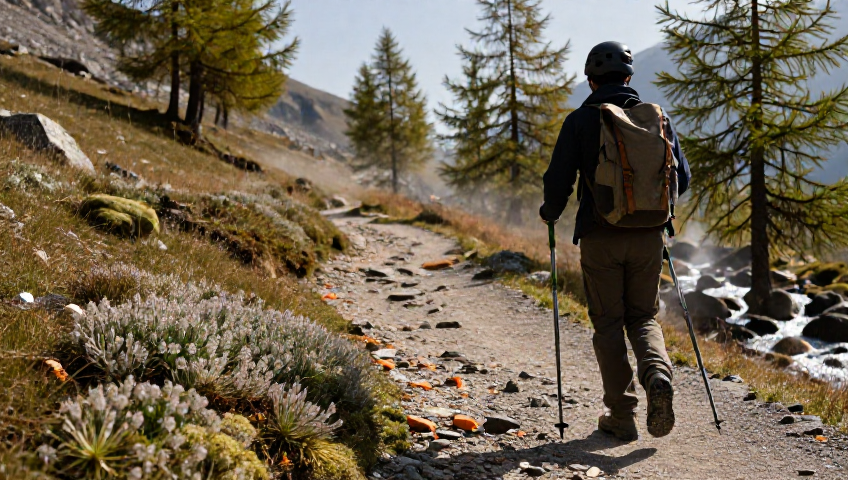
When the sun climbs over the Alps and the valleys echo with the call of distant marmots, the chamonix valley transforms into a playground for walkers of every stripe. From gentle meadow strolls to high‑altitude scrambles that flirt with the Mont Blanc skyline, the region offers a kaleidoscope of terrain, flora, and panoramic lake reflections. In this guide we dive straight into the heart of the Best Hiking Trails in Chamonix, blending practical logistics, seasonal insights, and a few personal anecdotes that will help you shape a memorable hiking adventure. Whether you hop on the cable car from the town centre or prefer a self‑guided trek off the beaten track, the following routes will let you savour the mountain views, alpine flowers, and crystal‑clear alpine lakes that define this iconic corner of France.
Before lacing up your boots, it’s worth noting that the hiking season in Chamonix stretches from late June to early September, with the most reliable conditions typically found between mid June and mid September. Public transport runs like clockwork – the train from Saint‑Gervais, the local bus lines, and the seasonal gondola services make trailheads easily reachable without a car. Keep an eye on the weather service for sudden Alpine shifts, and always pack a solid hiking checklist. With a bit of preparation, you’ll be ready to explore the peaks, glaciers, and lakes that have made Chamonix a magnet for hikers worldwide.
Table of Contents
Exploring the Chamonix valley: top trails overview
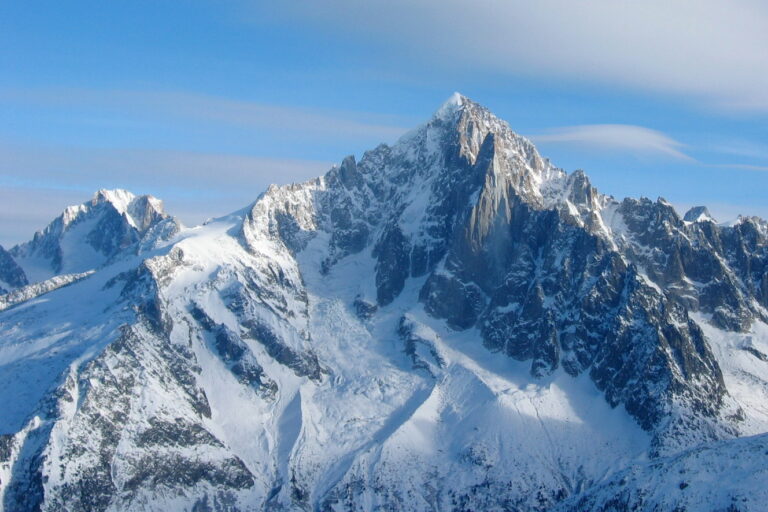
The first step in any great trek is understanding the broader landscape. The chamonix valley runs north‑south, bounded by towering massifs that include the Mont Blanc range to the south and the Grand Balcon Sud and Grand Balcon Nord ridges to either side. These natural corridors host a network of hiking trails that vary from leisurely valley walks to demanding ridge traverses. Below is a quick snapshot of four signature routes that cater to different skill levels.
| Trail | Distance (km) | Elevation gain (m) | Typical hiking time |
|---|---|---|---|
| Lac Blanc (via Flégère) | 11 | 900 | 4‑5 hours |
| Grand Balcon Nord – Aiguille du Midi | 9 | 850 | 3‑4 hours |
| Tour du Mont Blanc – Section Chamonix | 45 | 2 900 | 7‑9 days |
| Les Houches – Lac des Chésery | 12 | 700 | 4‑5 hours |
Each trail is well‑marked on the official trail map and can be followed with a simple GPS map app. The hiking guidebook issued by the local office offers detailed GPS map suffices. Remember to respect the fragile alpine environment – stay on marked paths, carry out all rubbish, and heed any temporary trail conditions posted at the trailheads.
Self‑guided hiking: why it works in Chamonix
One of the biggest draws of Chamonix is the freedom to explore at your own pace. Self‑guided packages are curated by local outfitters and include detailed route notes, topo maps, and sometimes even pre‑packed meals for longer days. The advantage? You skip the crowds of guided groups while still benefiting from expert knowledge about mountain huts such as the iconic Albert Premier Refuge. Most packages also outline the best spots to catch the cable car or gondola back down after a strenuous ascent, ensuring a balanced day on the trail.
Seasonal highlights: making the most of the summer months
Summer is the prime time for hiking in Chamonix, but each month offers its own flavour. Early summer (mid‑June) brings blooming alpine flowers and swollen glaciers that create spectacular reflections on the alpine lakes. By July, the high routes are largely free of snow, making the Grand Balcon Sud and Grand Balcon Nord accessible for extended ridge walks. Late August and early September see a gentle cooling, perfect for longer hiking day excursions without the peak‑season crowds.
Peak times tend to cluster around the hiking season holidays – French school breaks in early July and late August. If you prefer solitude, aim for a mid‑week start in early June or late September. The public transport timetable remains robust throughout, with the train from Saint‑Gervais delivering hikers to the base of the Mont Blanc cable‑car at Le Brévent. Additionally, the local bus network links the chalet villages to trailheads like La Jonction, giving you flexible options for a day‑trip without a car.
Weather considerations and safety tips
Even in summer, weather in the Alps can shift dramatically. Afternoon thunderstorms are common, especially above 2,500 m. The key safety rule is to start early, aim to be back at the nearest mountain hut or cable car station before noon, and always carry a lightweight rain jacket. A quick check of the regional weather service website will show you the hiking weather forecast for the next 24 hours, including expected hiking conditions such as wind speed and temperature.
Iconic hikes: Lac Blanc, Grand Balcon Nord & Sud, and more
Now let’s dive into the star attractions that define the Chamonix hiking experience.
Lac Blanc – the glittering jewel of the valley
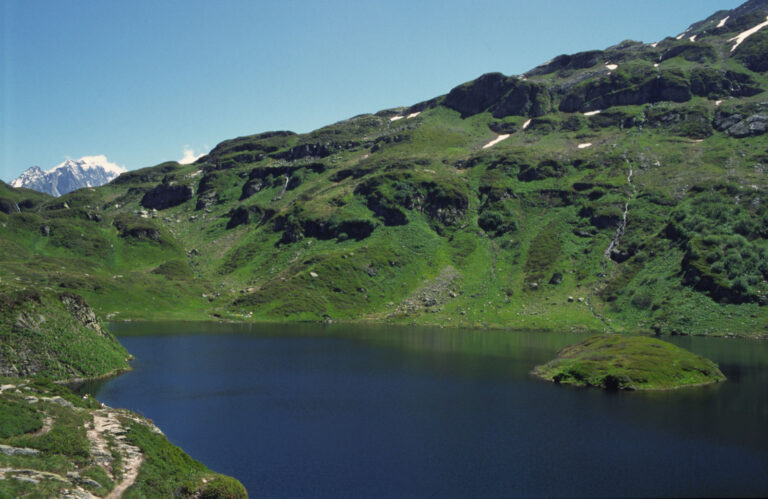
The Lac Blanc hike is often the first name on every hiker’s list. Beginning at the Flégère gondola station, the trail climbs through open meadows dotted with alpine flowers, then ascends a series of rocky steps that reward you with the turquoise mirror of the lake framed by jagged peaks. The route’s elevation gain is roughly 900 m, and the hiking distance totals about 11 km round‑trip. Most hikers complete it in 4‑5 hours, though you’ll want to linger for photos because the reflections are priceless.
For the well‑prepared, an optional side‑trip leads to the nearby Grand Balcon Nord ridge, offering unobstructed views of the Mont Blanc dome. The combination of lake, glacier, and high‑altitude vistas makes this trail a perfect showcase for both novice and experienced walkers.
Grand Balcon Sud – a sunrise spectacle
If you’re chasing sunrise, the Grand Balcon Sud is the place to be. Starting from the Le Brévent cable car station, the trail follows a gently undulating ridge that overlooks the Chamonix valley. Early mornings reveal a sea of clouds beneath the peaks, while the soft light paints the snowfields gold. The hike is relatively short – about 7 km round‑trip – but the elevation gain of 800 m makes it a crisp, invigorating climb.
Mid‑season, you’ll often spot ibex grazing on the higher alpine meadows, and the occasional paraglider soaring overhead adds a touch of drama. Pack a small snack, take your time, and let the panoramic mountain views soak into memory.
Grand Balcon Nord – the wild side of the Alps
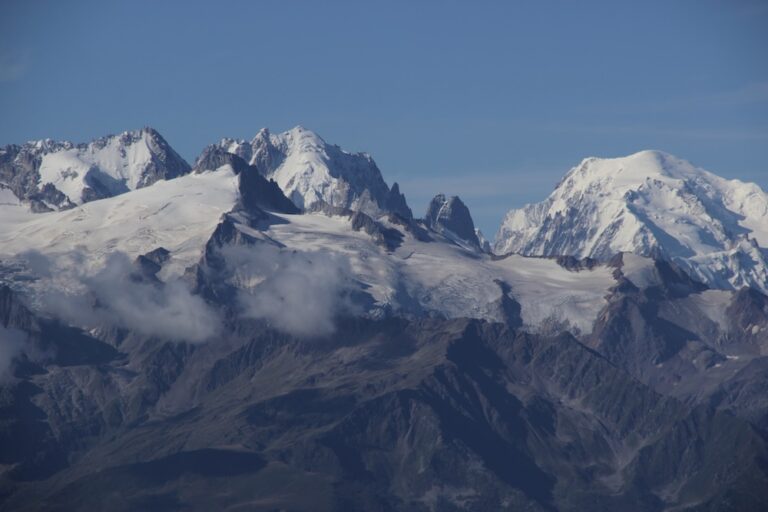
The Grand Balcon Nord offers a wilder, more secluded experience. Accessible via the gondola to the Aiguille du Midi, the trail skirts the edge of the famous glacier, granting close‑up sightings of crevasses and seracs. The path is steeper than its southern counterpart, with an elevation gain of roughly 850 m over 9 km. Expect a solid hiking time of 3‑4 hours, with a steady climb that tests your stamina but rewards you with unparalleled vistas of the Mont Blanc massif.
Because the trail runs close to the glacier, it’s essential to check the daily trail conditions and heed any warnings about ice or falling rocks. A sturdy pair of boots with good ankle support is a must, and a light rain jacket will keep you comfortable if clouds roll in.
Navigating the trail network: maps, huts, and transport options
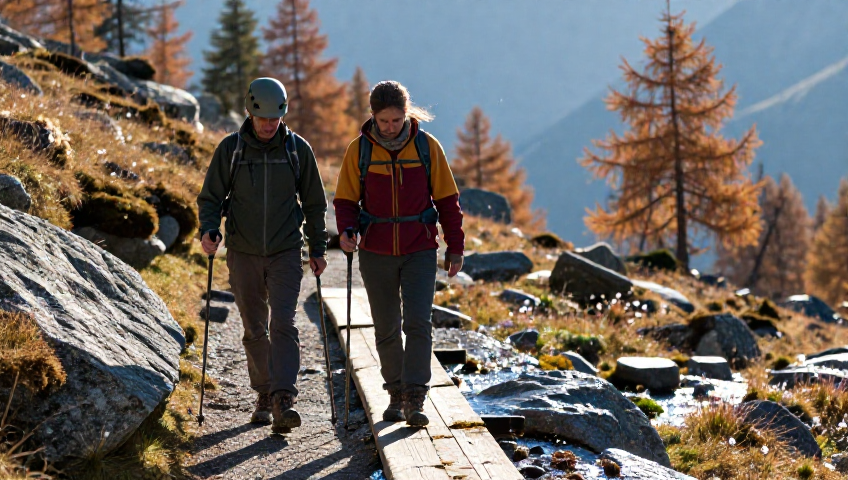
One of the biggest advantages of hiking in Chamonix is the well‑organized support structure. Whether you prefer a short day walk or a multi‑day trek along the Tour du Mont Blanc, you’ll find everything you need to plan a smooth hiking itinerary.
Essential tools: trail map, GPS, and guidebooks
The official Chamonix hiking map is available at the tourist office and in most alpine shops; it details every marked path, refuge, and mountain pass. Pair this with a handheld GPS map or smartphone app, and you’ll have real‑time positioning for those sections that feel a bit off‑track. Many hikers also carry a printed hiking guidebook as a backup, especially in areas where mobile signal can be spotty.
When you’re piecing together a hiking plan, consider using the hiking checklist below to make sure you’ve covered the basics:
- Map and GPS device (charged)
- Weather forecast printed or saved offline
- Sturdy boots, water‑proof jacket, and layers
- Enough water (minimum 2 L per day)
- High‑energy snacks or meals for the trek
- First‑aid kit and emergency whistle
Mountain huts and refuge options
For longer routes, the network of mountain huts offers a comfortable, budget‑friendly alternative to hotels. The iconic Albert Premier Refuge sits at 2,210 m and provides dormitory‑style sleeping arrangements, a communal kitchen, and spectacular sunset views over the Mont Blanc summit. Booking in advance during peak summer months is advisable, especially if you’re traveling with a larger group.
Other notable huts include the Refuge du Goûter on the classic French‑Italian route to the summit and the charming Refuge des Mottets near the Lac des Chésery. Most huts accept cash and credit cards, and they usually serve simple yet hearty meals – perfect after a day of climbing.
Public transport: getting to and from the trails
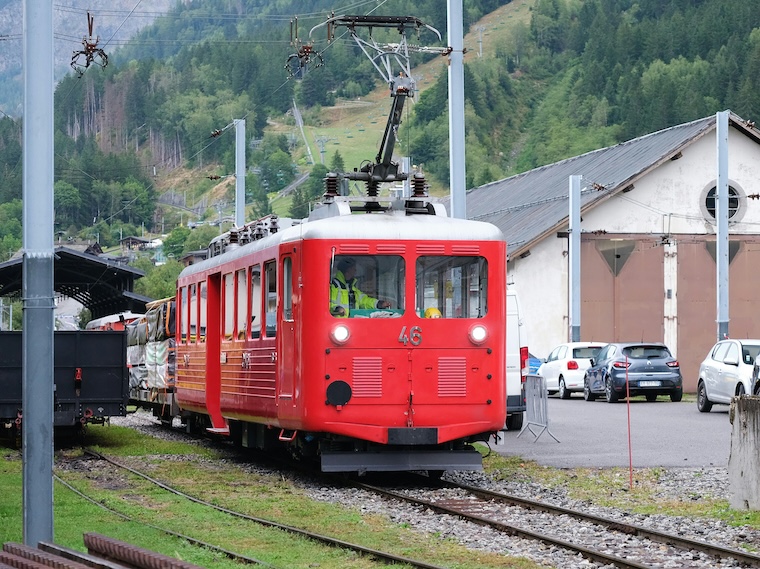
Chamonix’s public transport system makes it easy to start a hike without a car. The train from the Swiss border runs through Saint‑Gervais and connects to the bus line that heads up to La Jonction, the trailhead for the popular Lac Blanc route. For high‑altitude starts, the cable car to Le Brévent or the gondola to Aiguille du Midi whisks you up in minutes, saving you precious daylight for the actual hike.
All tickets can be purchased at the Chamonix town centre, and many operators offer a combined hiking package that includes return transport, a gps map, and a small snack voucher. Using public transport not only reduces your carbon footprint but also helps you avoid the hassle of parking at busy trailheads.
Crafting the perfect hiking day: tips, equipment, and local insights
Before you set off, a few final pointers can make the difference between a smooth trek and a stressful scramble. First, always check the latest trail conditions – a recent storm can turn a gentle meadow into a slick, muddy path. Second, adapt your hiking equipment to the season: lightweight breathable layers for summer, a windproof jacket for higher elevations, and sturdy trekking poles for uneven rocky sections.
Third, respect the local mountain culture. Chamonix residents are proud of their heritage, and you’ll often hear hikers swapping stories about the glaciers or the best spots to photograph the sunrise over the peak. Engaging with them can give you insider tips, like the hidden meadow where wildflowers bloom in July or the quiet side trail that skirts the Lac Blanc without the usual crowd.
Sample hiking checklist for a day trek
- Backpack (30‑35 L) with rain cover
- Map, GPS device, and compass
- Water (2 L) + electrolyte tablets
- Energy bars, nuts, dried fruit
- First‑aid kit, blister plasters
- Headlamp + spare batteries
- Sun protection: hat, sunglasses, SPF
- Lightweight rain jacket and windbreaker
With these basics covered, you’ll feel confident whether you’re tackling the Grand Balcon Nord ridge or taking a relaxed walk around the Lacs des Chésery. Remember, the goal is to enjoy the journey, not just to check off a list of peaks.
Frequent Asked Questions
What is the most beautiful hike in Chamonix?
The Lac Blanc route is often regarded as the most beautiful hike in the area. Its high‑mountain panorama showcases a pristine alpine lake framed by the towering peaks of the Mont Blanc massif. The trail offers a mix of gentle meadow walks, rocky scrambles, and rewarding views that capture the essence of the chamonix valley.
What not to miss in Chamonix?
Beyond the trails, Chamonix boasts a handful of iconic attractions: the Aiguille du Midi summit cable‑car, the historic Montenvers – Mer de Glace railway, and the charming Parc de Merlet wildlife reserve. For hikers, the Grand Balcon Sud sunrise walk, the Lac Blanc hike, and the Tour du Mont Blanc segment that passes through the valley are absolute must‑sees.
Is Chamonix good for hiking?
Definitely. Nestled in the heart of the French Alps, Chamonix transforms from a world‑renowned ski resort in winter to a hiker’s paradise in summer. Its extensive network of marked trails, reliable public transport, and variety of mountain huts make it an ideal base for both day hikes and longer alpine treks.
What is the best mountain in Chamonix?
While many peaks vie for attention, the Grand Montets near Argentière is often highlighted as the best mountain for combined skiing and summer hiking. Its alpine meadows, glacier views, and a series of well‑maintained routes cater to a wide spectrum of abilities, offering unforgettable panoramas of the surrounding Mont Blanc range.
How can I plan a self‑guided hike?
Start by selecting a trail that matches your fitness level and desired hiking distance. Download the official Chamonix hiking map and a reliable GPS map**. Consider a self‑guided package that includes printed route notes, a list of mountain huts, and suggested transport options. Finally, check the daily weather service and confirm any trail conditions before you set out.
Alpine horizons await: your next steps in the Chamonix valley
We’ve walked through the most iconic routes, highlighted the best times to lace up, and given you the tools to design a seamless hiking adventure. Whether you’re chasing the mirror‑like surface of Lac Blanc, the sweeping ridges of the Grand Balcon trails, or the full‑length challenge of the Tour du Mont Blanc, Chamonix offers a landscape that rewards curiosity and perseverance.
Take the insights from this guide, pack your hiking equipment, and let the Alpine air fill your lungs. The mountains are waiting, and every step you take adds another story to the rich tapestry of the chamonix valley. See you on the trail!