Table of Contents
Top 7 Winter Walks in the Chamonix Valley
When the snow blankets the peaks, the Chamonix valley transforms into a quiet playground for hikers. Below are seven chamonix winter walks that showcase everything from frozen forests to crystal‑clear alpine lakes.
1. Argentière Woods (Bois d’Argentière)
Just a short bus ride from the town centre, the Argentière Woods offer a gentle easy walk through snow‑covered trees. The trail follows a flat trail that is perfect for beginners and families with kids. Keep an eye out for the occasional pine‑cone‑shaped snowdrift that adds a magical touch.
2. Chavants Lake (Secteur des Chavants)
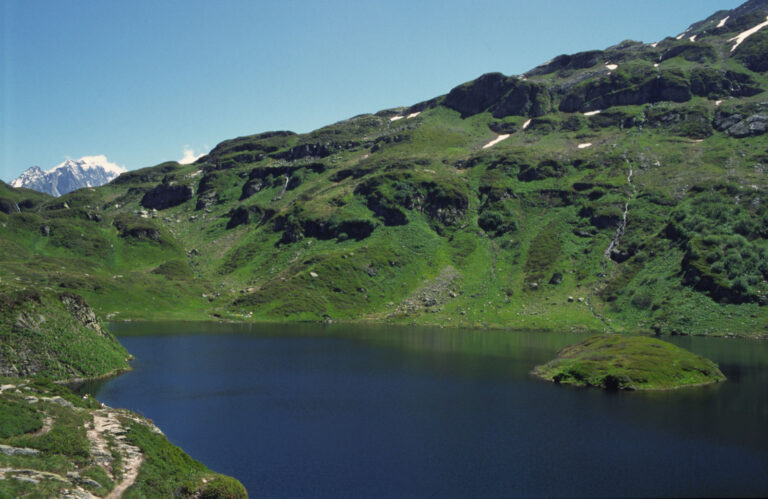
This short loop circles Chavants Lake, a genuine gorgeous walk for photographers. The lake freezes over early in the season, creating a mirror‑like surface that reflects the surrounding peaks. The route is accessible from town via a regular shuttle, and the path is marked as a pedestrian trail.
3. Lac des Gaillands in Les Pèlerins
Located on the north slope of the valley, Lac des Gaillands sits at the foot of a steep ridge. The walk is a bit longer, but still classified as an easy hike. The snow‑covered woods around the lake are perfect for a quiet afternoon, and the occasional alpine marmot can be spotted near the water’s edge.
4. Forest Path near Lac Sinclair (Lac à l’Anglais)
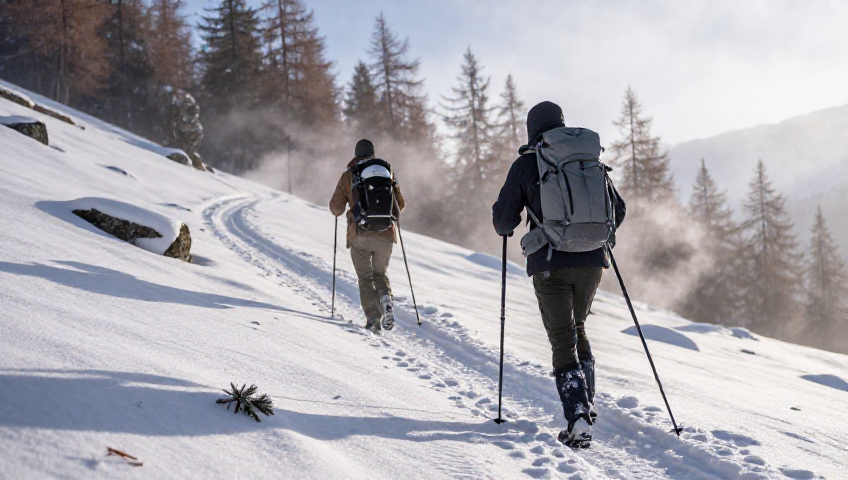
The trail to Lac Sinclair winds through a dense forest of firs, offering a short loop with spectacular mountain views. Snowshoeers love this route because the ground stays firm and the surrounding woods provide natural wind protection.
5. Valley Floor Walks
For those who prefer flat terrain, the valley floor walks stretch from the town of Chamonix to the lower meadows. These routes are accessible from town and connected by the local bus network. You can combine them with a stroll along the river for a refreshing contrast to the high‑altitude paths.
6. Golf Course Walk
The old golf course, now turned into a gentle pasture, offers a wide flat trail that is ideal for a relaxed walk with snow‑covered grass underfoot. The area is frequently used by cross‑country skiers, so you’ll see a mix of ski tracks and walking boots.
7. Paradis des Praz
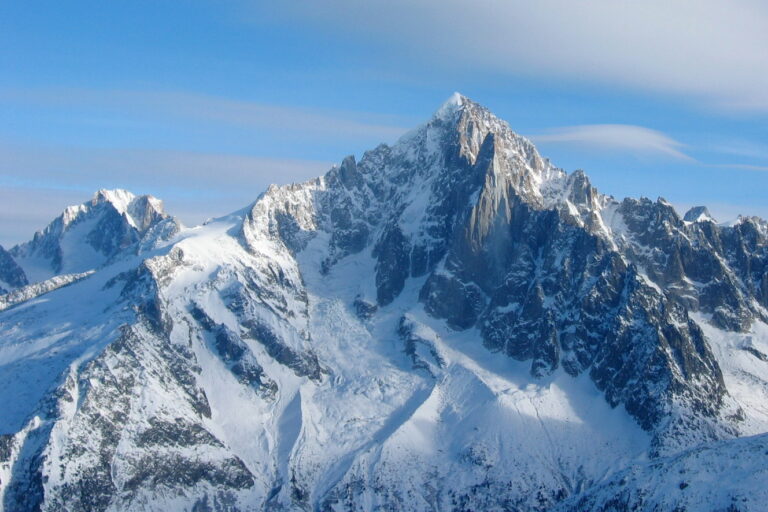
Perched on the south slope, Paradis des Praz is a short, well‑marked loop that leads to a charming mountain chalet. The route provides stunning views of Mont Blanc and is a favorite among locals for a quick winter adventure after work.
All these walks can be found on the free walking map provided by the tourist office and the office de haute montagne. Be sure to pick up the latest map pdf at the Chamonix tourism centre.
Essential Resources for Winter Hiking in Chamonix
Planning a safe and enjoyable trek starts with the right information. The following resources are indispensable for anyone embarking on winter hiking around Chamonix.
| Resource | What It Offers | Where to Find It |
|---|---|---|
| Chamonix Hiking Map | Detailed trail markings, elevation profiles, and ski‑access points | Tourist office, Chamonix office website |
| Winter Brochure | Overview of snowshoe trails, cross‑country ski routes, and guided tours | Information desk, download at the office de haute montagne |
| Ikons Pass | All‑season lift access, including winter snowshoe and ski‑touring lifts | Ticket offices in town centre |
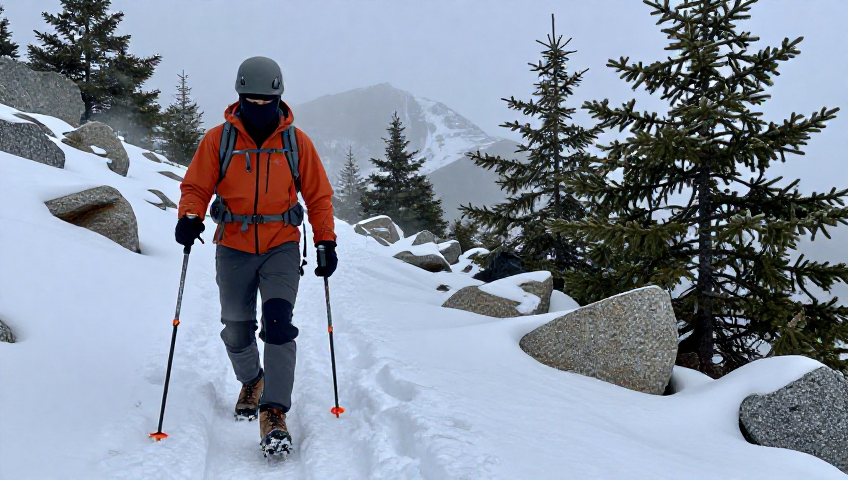
Don’t forget to bring essential gear: sturdy walking boots, insulated walking poles, and, if you plan to drive, a set of snow chains. Even if you’re using public transport, a pair of ski accessories like goggles and gloves will keep you comfortable on the trail.
“The best way to enjoy Chamonix in winter is to combine a few short walks with a guided snowshoe tour; the local guides know every hidden valley and can teach you avalanche safety on the spot.”
For cross‑country enthusiasts, the network of cross country trails connects the town to the high alpine pastures. The local tourist office offers a winter walking brochure that lists each trail’s difficulty and recommended equipment.
How to Plan Your Winter Trek: Practical Tips and Safety
Winter trekking in the Alps demands careful preparation. Below are the most important points to consider before setting foot on a snow‑covered path.
Transport and Access
All major walks are reachable via bus access or the train access** that stops at Chamonix-Mont-Blanc station. For higher altitude routes, use the lift access provided by the Ikons Pass. Many trails are also accessible from town thanks to the efficient public transport network.
Equipment Checklist
- Insulated walking boots with good crampon compatibility
- Pair of sturdy walking poles (adjustable length is a plus)
- Snowshoe rental – available at several shops near the town centre
- Layered clothing: base layer, mid‑layer fleece, waterproof shell
- Essential safety gear: avalanche beacon, shovel, probe
- Map and compass or a fully charged GPS device
Winter Safety and Avalanche Awareness
Even on gentle slopes, avalanche safety knowledge is vital. The office de haute montagne provides daily forecasts and a short briefing for visitors. If you’re uncertain about the snow stability, join a guided snowshoe tour – the guides carry professional equipment and know the safest routes.
Mountain Huts and Refuges
Should you decide to extend your walk into a multi‑day winter trek, the valley offers several mountain huts and mountain refuges. Reservations can be made online through the Chamonix tourism portal. These huts are typically equipped with basic heating, shared sleeping areas, and a small kitchen stocked with hot drinks.
Respect the Environment
Winter wildlife is particularly vulnerable. Stick to marked trails, avoid trampling fragile snow‑covered vegetation, and pack out all litter. The local conservation group, “Chamonix Nature”, provides guidelines that are easy to follow and help preserve the pristine landscape.
Beyond the Slopes: Winter Activities and Scenic Walks
Not every traveler to Chamonix is there for skiing. The valley offers a rich palette of winter activities that complement the winter hiking experience.
Walk Around the Town of Chamonix
The historic centre is a delight for a leisurely walk around the town of Chamonix. Cobblestone streets are lined with boutique shops, cafés serving hot chocolate, and the famous Chamonix Christmas market during the festive season.
Walk Along the River
A short stroll along the River Arve provides a contrasting scenery – icy water flanked by snow‑clad cliffs. This walk along the river is perfect for a quick photo break before heading back to the mountains.
Winter Sports Variety
- Snowshoeing: rent equipment locally and explore the numerous snowshoe trails that wind through the valley.
- Cross‑country skiing: glide on the well‑groomed cross country trails that connect the town to the high meadows.
- Mountain biking trail (winter version): some lower‑altitude paths are open for fat‑bike riding.
Scenic Highlights
Don’t miss the mountain views from Le Chapeau and Loriaz – both offer short, rewarding climbs that end with panoramic vistas of the Mont Blanc massif. The lac vert and paradis des praz are also worth a detour for their tranquil atmosphere.
Frequent Asked Questions
Can you hike in Chamonix in winter?
Yes, you can safely enjoy winter hiking in Chamonix as long as you respect local conditions and follow basic safety rules. Guided snowshoe excursions are a popular way to discover the snowy forest and track wildlife footprints.
What to do in Chamonix in winter if not skiing?
Here are some ideas:
- Buy a pedestrian pass and ride the lifts for panoramic views.
- Enjoy the bustling après‑ski scene in town.
- Take a scenic train ride or try a husky‑sled adventure.
- Book a tandem paragliding flight for an aerial perspective.
- Explore snowshoeing or ski‑touring routes.
- Visit the local sports centre for indoor activities.
- Relax at a spa and unwind after a day on the trails.
- Dine at one of the cozy mountain restaurants.
What is the most beautiful hike in Chamonix?
The classic Lac Blanc route remains a top choice. While it is a more demanding trek, the high‑mountain panorama that reflects on the lake creates an unforgettable sight, especially when the surrounding peaks are dusted with fresh snow.
Do I need special equipment for winter snowshoeing?
At minimum, you’ll need sturdy snowshoes, gaiters to keep snow out of your boots, and insulated gloves. Many local shops also rent walking poles and provide advice on which snow chains are necessary if you’re driving.
How can I find the best walking maps and resources?
The Chamonix tourist office and the office de haute montagne distribute free walking maps and a downloadable map pdf. Both locations also hold the latest winter brochure with trail conditions and lift schedules.
Embrace the Alpine Winter: Your Next Steps
From the gentle whisper of snow‑covered woods to the awe‑inspiring sight of Mont Blanc’s summit, winter hiking in Chamonix offers something for every explorer. Remember to grab the latest walking map at the tourist office, check the daily avalanche bulletin, and dress in layers. Whether you choose a short loop around Lac Vert or a longer trek to the north slope, the valley’s diverse trails guarantee memorable experiences.
So lace up your boots, strap on your poles, and set off into the crisp Alpine air – the mountains are waiting.