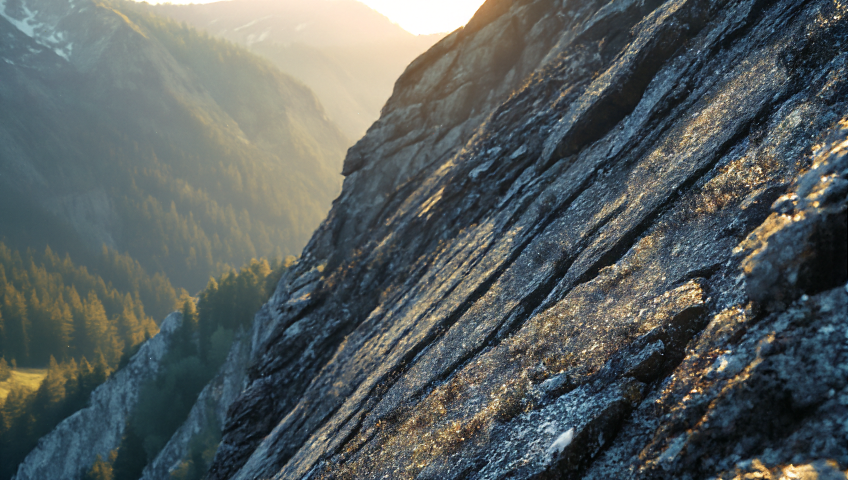
When you stand on the edge of the valley of Chamonix and watch the mountain mass of Mont Blanc tower above you, a rush of excitement mixes with a thin, crisp breath that feels oddly heavy. The altitude can turn an unforgettable day into a worrisome experience if you are not prepared. From the iconic Aiguille du Midi cable car to the winding tour de Mont Blanc trail, every step above 2 000 metres carries the risk of altitude sickness. Understanding the symptoms, knowing the exact elevation of Chamonix, and learning how to avoid the condition are the three pillars that keep your adventure safe and enjoyable.
Table of Contents
What are the symptoms of altitude sickness?
The body reacts to reduced oxygen in a way that can feel like a bad flu. While each individual reacts differently, symptoms include a familiar bundle: nausea, persistent headache, dizziness, occasional vomiting, overwhelming fatigue and a rapid pulse. Often, the first hint is a vague feeling of “not quite right” that quickly escalates if you keep climbing.
“I felt a pounding headache after the second lift ride up to the Aiguille du Midi. A quick drink of water and a pause at the mid‑station saved my summit plan.”
- Headache that doesn’t respond to usual painkillers.
- Persistent nausea, especially after meals.
- Light‑headedness when standing or walking.
- Vomiting that can dehydrate you quickly.
- Unusual fatigue even after rest.
- Rapid pulse and shortness of breath.
How to avoid altitude sickness in Chamonix?
Prevention is always easier than treatment. Follow these medical advice tips to keep the mountain on your side:
- Stay hydrated: drink plenty of water; aim for at least 2‑3 litres per day.
- Acclimatization: spend a night at 1 500–2 000 metres before attempting higher routes.
- Ascend gradually: avoid rapid ascent. Increase sleeping altitude by no more than 300‑500 metres per day.
- Limit alcohol and heavy meals, which can worsen dehydration.
- Consider a short‑acting medication like acetazolamide if you have a history of mild symptoms.
When you ride the Aiguille du Midi cable car, plan to rest at the mid‑station to let your body adjust to the sudden height. A quick walk on the terrace and a sip of water can make a noticeable difference.
What is the altitude of Chamonix?
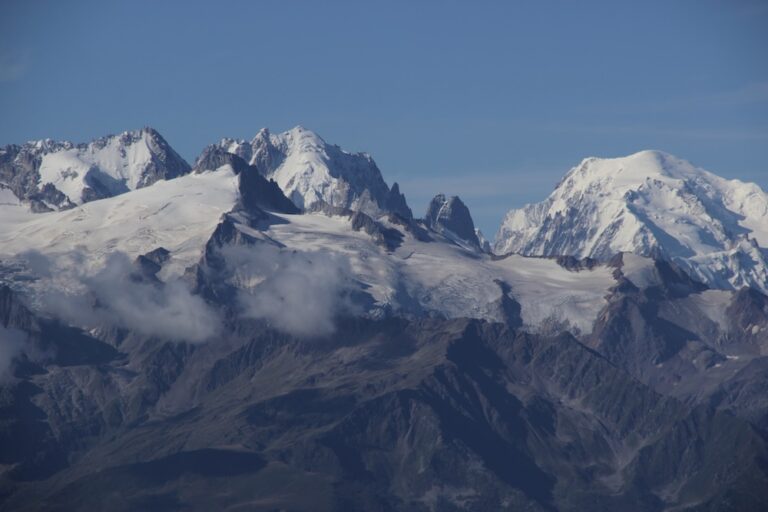
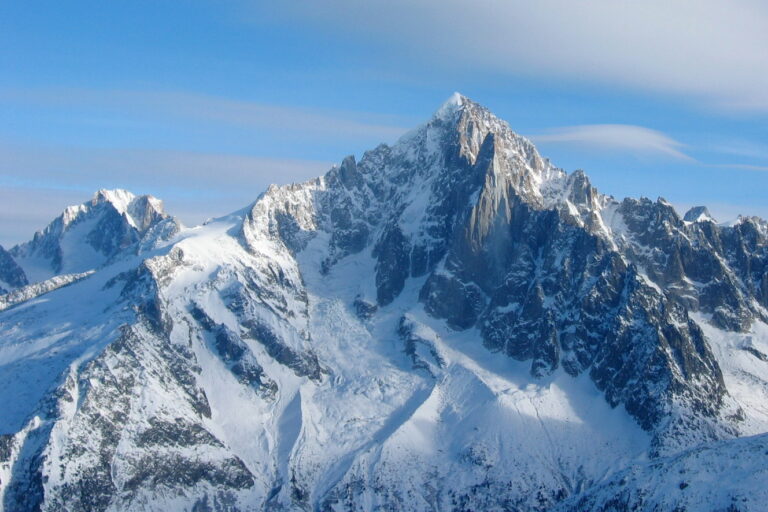
The charming town of Chamonix sits at chamonix altitude of 1035 m (approximately 3 396 feet) above sea level. Surrounded by peaks that tower above 4 800 metres, the valley creates a dramatic contrast: you can ski in the morning and be back at a relatively low elevation by night.
| Location | Elevation (metres) | Typical Activity |
|---|---|---|
| Chamonix town centre | 1 035 m | Walking, shopping, dining |
| Aiguille du Midi base station | 3 842 m | Cable car ride, summit view |
| Mont Blanc summit | 4 808 m | Technical climb, mountaineering |
Knowing these elevations helps you plan a gradual ascent, especially if you intend to walk the tour de Mont Blanc route, which spans several countries and elevations.
Is altitude sickness common in Chamonix?
Statistical data from the local health authority shows a 40% chance of experiencing at least mild symptoms during a rapid ascent above 2 500 metres. While most visitors only feel a light headache or a bit of fatigue, the risk rises sharply for those who push themselves without proper acclimatization. In short, chamonix altitude sickness is common, but with the right preparation you can keep the likelihood low.
How does altitude affect the body?
At higher elevation, the air pressure drops, which means each breath contains less oxygen. Your body tries to compensate by increasing heart rate, breathing faster, and producing more red blood cells—a process known as acclimatize. These adjustments can cause the effects we associate with altitude sickness: headache, breathlessness, and reduced stamina.
For most healthy adults, the experience of mild symptoms peaks within the first 24 hours after reaching a new altitude. After a few days, the body usually adapts, and the “thin” feeling diminishes.
What is the best time to visit Aiguille du Midi?
The iconic summit is best enjoyed during the summer months when daylight is abundant and weather is relatively stable. Visit Aiguille du Midi around mid‑day (approximately 11 am–2 pm) to benefit from the strongest sun, which reduces the chance of icy winds and offers the clearest views of the Mont Blanc massif. Early morning can be foggy, while late afternoon brings stronger gusts that may affect the cable car operation.
If you are planning a trip in July or June, book the cable car in advance and aim for the time of day when the café at the summit is less crowded – usually just after the first hourly departure.
What is the Tour de Mont Blanc?
The tour de Mont Blanc (often abbreviated as TMB) is a legendary hiking circuit that loops around the French Alps, crossing into Switzerland and Italy. Covering roughly 170 km and climbing a total of 10 000 metres of ascent, the trail showcases the best of the European Alps – from Alpine meadows to rocky ridges.
- Duration: 10‑12 days for most walkers.
- Difficulty: moderate to hard, depending on daily elevation gain.
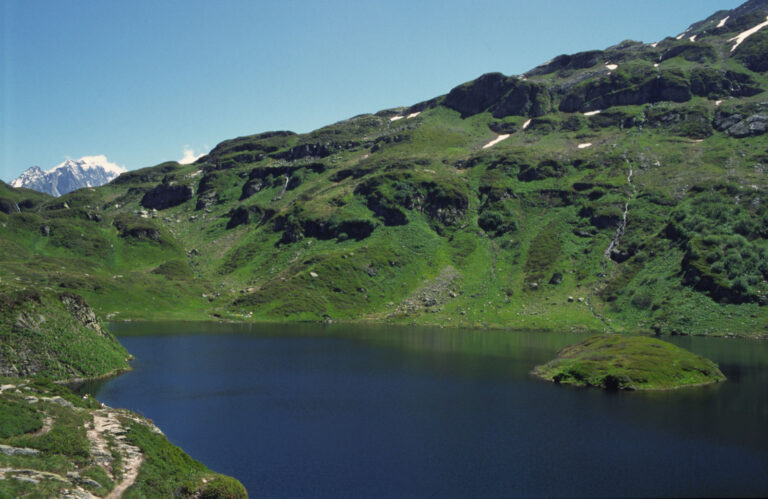
- Highlights: Lac Blanc, Col de la Seigne, Val Veny, and the famed Grand Balcon Nord.
Many travelers combine a TMB segment with a stay in Chamonix, using the town as a base for both mountain excursions and the famed cable rides to the Aiguille du Midi.
You may also wonder
Can I take medication for altitude sickness?
Yes, medications such as acetazolamide (Diamox) can help speed up acclimatization and reduce symptoms. It is best to start the dose a day before you plan to ascend and to follow the prescribing doctor’s advice. Remember to stay hydrated while taking the medication, as it can increase urine output.
Is it safe to ski at high altitude in Chamonix?
Skiing above 2 500 metres is popular, but the risk of altitude sickness when skiing rises with exertion. Choose runs that match your fitness level, keep breaks frequent, and monitor any signs of headache or dizziness. A quick descent to a lower-altitude slope often resolves early symptoms.
How long should I stay at the summit of Aiguille du Midi?
The observation deck is designed for short visits. Most experts recommend staying no longer than 30‑45 minutes, especially if you feel any light fatigue. This limit helps prevent the onset of symptoms while still allowing you to soak in the panoramic view of the surrounding peaks.
Do I need a special medical kit for high‑altitude travel?
A basic high‑altitude kit should include:
- Acetazolamide or a prescribed alternative.
- Pain relievers for headaches.
- Anti‑nausea medication.
- Plenty of oral rehydration salts.
- A small first‑aid set for cuts and blisters.
Carry it in a waterproof pouch and keep it accessible during any ascent.
What role does hydration play at altitude?
Staying hydrated is perhaps the most critical factor. Dehydration thickens the blood, making oxygen delivery to tissues less efficient. Aim for 2‑3 litres of water each day, and avoid alcohol, which accelerates fluid loss.
Are there any particular signs that I should descend immediately?
Beyond the typical mild symptoms, watch for:
- Severe shortness of breath at rest.
- Persistent vomiting that prevents fluid intake.
- Confusion, inability to think clearly, or loss of coordination.
- Chest tightness or a rapid, pounding heartbeat.
These could indicate high‑altitude cerebral or pulmonary edema – both medical emergencies requiring immediate descent and professional care.
Putting it all together for a safe Chamonix adventure
From the moment you arrive in the alpine village of Chamonix, the landscape invites you to explore its mountain playground. Yet the same heights that offer spectacular views can also challenge your physiology. By knowing the altitude of the town (1 035 m), respecting the gradual ascent guidelines, staying properly hydrated, and listening to your body’s signals, you can transform a potential health scare into a memorable journey.
Plan your itinerary with a mix of low‑altitude days—perhaps strolling through the town of Chamonix, enjoying a cable ride to the Aiguille du Midi in the early afternoon, and then tackling a moderate segment of the tour de Mont Blanc. Keep a medical kit handy, heed any medical advice you receive, and remember that the best summit is the one you return from safely.
With these strategies, the towering peaks become allies rather than adversaries. So pack your boots, fill your water bottle, and let the Alpine air invigorate—not inhibit—your spirit. The mountains of Chamonix await, and you’re now equipped to enjoy them at your best.