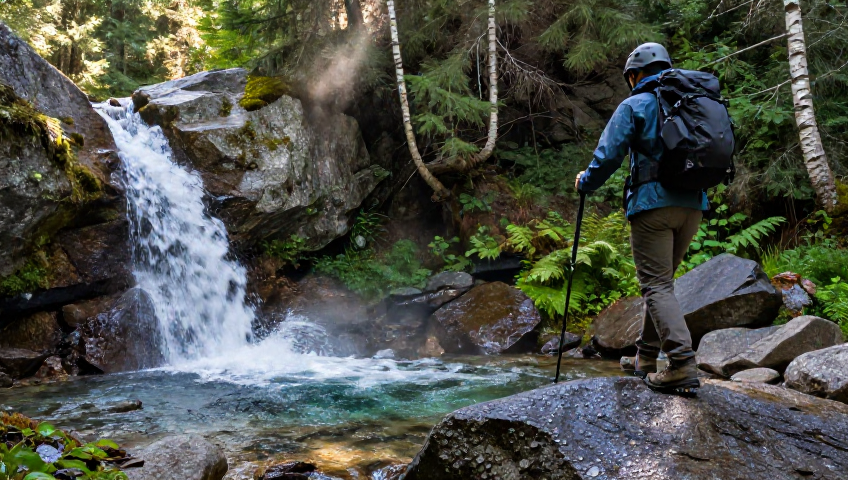
Nestled in the shadow of the Mont Blanc massif, the Cascade du Dard drops dramatically into a turquoise pool, offering one of the most photographed waterfall scenes in the French Alps. A short drive from the bustling centre of Chamonix, this mountain treasure is prized for its easy access, family‑friendly terrain and the crisp Alpine air that greets you at every turn. Whether you’re planning a lazy summer stroll, a spring burst of colour, an autumn leaf‑kissed trek or a winter wonderland walk, the trail to the cascade delivers a compact adventure that feels both intimate and grand.
From the moment you pull into the modest parking lot tucked beside the forest trail, the scent of pine and the distant roar of the river set the tone for an unforgettable day. Along the hiking trail you’ll cross a rustic footbridge, pause at a cosy snack bar for a quick coffee, and finally stand at the base of the roaring cascade, feeling the mist on your face. Below we break down every detail you need to turn this hike into a smooth, safe and memorable experience – from the best season to visit, to what to pack, to where to grab a bite after the trek.
Table of Contents
Getting there: directions, parking and road access
The approach to Cascade du Dard is remarkably straightforward. From the centre of Chamonix, follow the signs for Le Tour and turn left onto the D150 road after the main round‑about. After about 6 km you’ll notice a modest sign reading “Cascade du Dard – Parking”. The road access is paved and well‑maintained, suitable for cars, motorcycles and even bicycles. In winter, the road is regularly gritted, but a quick glance at the local snow report is advisable before you set off.
Once you arrive, the small parking lot offers roughly 30 spaces; it fills up quickly during the peak summer months, so an early arrival (around 8 am) is wise. The lot is bordered by a low wooden fence and a clear signboard indicating “Leave no trace – dogs must be on a leash”. A short gravel path leads directly to the trailhead, where a wooden bridge spans a shallow stream, marking the official start of the walk.
Parking lot and footbridge details
- Free parking for cars and vans; a small fee applies for motorbikes.
- Two wheelchair‑accessible spots located nearest the trailhead.
- The footbridge was rebuilt in 2023 using locally sourced timber, ensuring sturdiness even after heavy snow melt.
- Trail markers are painted in bright orange, visible even in foggy conditions.
Trail overview: length, elevation gain and difficulty
The complete loop measures just under 3 km (1.9 mi) and is designed as an easy hike for all ages. You’ll ascend roughly elevation gain of 180 m (590 ft), reaching a modest altitude of 1,180 m (3,870 ft) at the highest point before descending back to the starting area. The trail alternates between gentle forest paths and rocky patches, offering a good mix of forest trail ambience and brief mountain trail thrills.
The overall trail difficulty is rated “Easy” by the local tourism office, but a few sections feature a short steep climb that may challenge very young children or older adults. The path is well‑maintained, with clear signage and occasional wooden steps to navigate the more rugged sections. For those seeking a bit more of a challenge, an optional side‑track leads to a viewpoint overlooking the valley and the river below – a mini “hard hike” detour that adds another 200 m of ascent.
Loop trail and forest sections
The loop begins with a wide gravel path that gently climbs through a dense pine forest. Sunlight filters through the needles, creating dappled patterns on the trail. About 800 m in, you cross the charming footbridge and enter a open meadow where the sound of rushing water becomes audible. This meadow is an ideal spot to pause, take photos, and let kids run free – truly a family friendly environment.
Technical difficulty and mountain trail tips
While the route is classified as easy, hikers should be aware of a few technical aspects: the rocky slab just before the waterfall can be slippery when wet, so sturdy boots with good grip are recommended. In early spring, the trail may be covered with residual snow; a pair of micro‑spikes can make a big difference. For winter traverses, check the nightly snow report – the footbridge is cleared, but the higher sections can become icy.
What to bring and safety considerations
Preparing the right gear is half the fun. Below is a quick checklist that covers the essentials for each season, plus a few extra items that seasoned hikers swear by.
- Waterproof hiking boots – crucial for rocky or snowy sections.
- Layered clothing: moisture‑wicking base, insulating mid‑layer, waterproof outer shell.
- Sun protection – SPF 30+ hat, sunglasses, and sunscreen.
- Lightweight backpack with 1‑2 L of water and snacks.
- Map or downloaded trail map on your phone (offline mode).
- First‑aid kit, whistle, and a dog leash if you’re bringing a pet.
- Camera or smartphone for the photo gallery you’ll want to share.
Seasonal gear for summer, spring, autumn, winter
In summer, temperatures can reach 22 °C (72 °F) at the base, so breathable fabrics and a refillable water bottle are key. Spring brings blooming wildflowers and occasional showers; a compact rain jacket is advisable. Autumn offers golden foliage and cooler evenings – pack a warmer jacket and be ready for shorter daylight hours. Winter hikers should gear up with insulated boots, a balaclava, and crampons or micro‑spikes; the trail is still open, but conditions can shift quickly.
Dogs, kids and leash rules
Dogs are welcomed on the trail, provided they stay on a dog leash at all times. The area around the waterfall can be slippery, so keep a close eye on paws. Kids love the short loop trail and the playful forest, but make sure they stay on the marked path – the trail markers are colour‑coded for easy spotting. A quick safety briefing before you start can turn a simple walk into a confident adventure for the whole family.
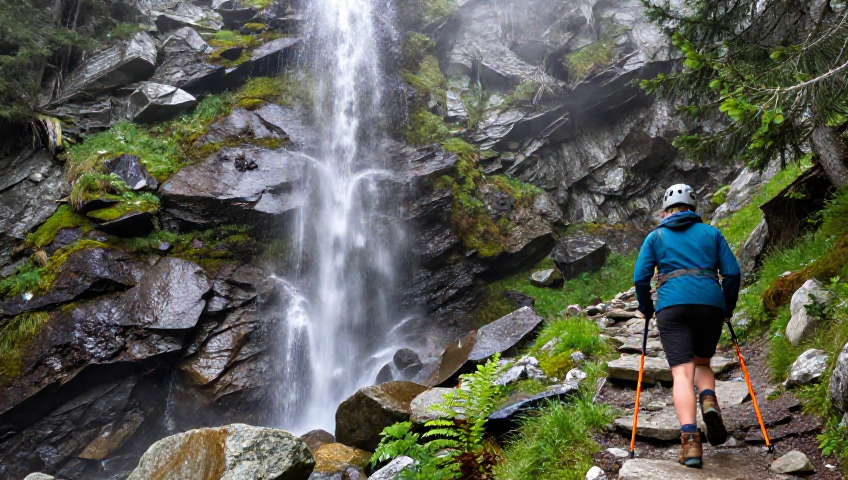
What to see: natural beauty, scenic view and photo opportunities
The highlight, of course, is the Cascade du Dard itself – a tiered waterfall that drops over 30 m (100 ft) into a crystal‑clear pool. The water’s force creates a permanent mist, which, when caught by the low sun, produces vivid rainbows that photographers adore. The surrounding rocks are studded with lichens and moss, adding texture to every shot.
Beyond the cascade, the trail offers a series of smaller “mini‑waterfalls” and a tranquil mountain stream that weaves through the forest. In the spring, the riverbanks are lined with wild garlic and alpine lilies, while in autumn, the same banks glow with amber and crimson leaves. The viewpoint near the top of the loop provides a sweeping scenic view of the valley below, framing the River Arve as it glistens under the sun.
Waterfall expectations and rock formations
If you’re hoping for a massive plunge like the Gavarnie Falls, adjust expectations – Cascade du Dard is modest in size but compensates with intimacy. The water crashes over a series of smooth, rounded boulders, creating a soothing roar that you can hear from the start of the forest section. The rock face behind the fall is composed of ancient schist, giving the site a rugged character that’s perfect for close‑up photography.
Flora, fauna and forest trail highlights
Nature lovers will appreciate the diversity of alpine flora: the delicate edelweiss blooms at higher points, while gentle alpenrose dots the meadow near the footbridge. Birdwatchers can spot the alpine chough and occasional golden eagle soaring overhead. In the summer, the forest is alive with the hum of insects and the occasional sight of a curious marmot peeking from behind a rock.
Where to lunch: snack bar, café and nearby restaurants
After a rewarding trek, a short stop at the on‑site snack bar is the perfect way to refuel. The buvette, known locally as “La Buvette du Dard”, serves warm croissants, hot chocolate in winter and a refreshing mountain tea in summer. The wooden terrace overlooks the waterfall, allowing you to relax while the mist cools the air.
If you crave a more elaborate meal, several restaurants near the waterfall and in Chamonix cater to hikers. “Le Chalet de La Floria”, a rustic alpine eatery a 10‑minute drive away, offers hearty raclette, tartiflette, and a selection of local wines. For a quicker bite, the “Café du Mont” in the valley centre provides salads, sandwiches, and a stunning view of the Mont Blanc range.
La buvette near the waterfall
The buvette operates from 9 am to 6 pm during the summer season and 10 am to 4 pm in winter. Their menu includes a hearty soup of the day, freshly baked baguettes, and a selection of locally sourced cheeses. Wi‑Fi is available for a brief check‑in, but most guests prefer to unplug and soak in the natural ambience.
Chamonix restaurants with a view
For those willing to venture back into town, “La Terrasse” on the Rue du Dr. Paccard offers a panoramic terrace overlooking the valley, perfect for sunset dinner. Reservations are recommended during peak tourist periods.
Best times to visit and weather forecast
Each season paints the Cascade du Dard with a distinct palette, and the weather can change swiftly at Alpine altitude. Checking the daily weather forecast before you set out is essential, especially in spring when sudden showers are common, or in winter when avalanches may affect the higher side‑tracks.
Summer and spring conditions
In summer, temperatures range from 15 °C to 22 °C (59 °F‑72 °F). The trail is dry, the waterfall is at its fullest, and the forest is lush. Early mornings are ideal for photography, as the light is soft and crowds are thinner. Spring brings a burst of wildflowers; however, occasional rain can make portions of the path slick. A light rain jacket and quick‑dry clothing are advisable.
Winter and autumn snow report
During winter, the area receives up to 150 cm (60 in) of snow annually. The waterfall may partially freeze, creating spectacular ice formations. The trail remains accessible, but crampons or micro‑spikes are recommended for safety. Autumn offers crisp air, golden leaves, and fewer tourists. Temperatures drop to 5 °C‑10 °C (41 °F‑50 °F), and the first snowfall can appear as early as late October, so a warm jacket is essential.
Frequent Asked Questions
What is the most beautiful hike in Chamonix?
The Lac Blanc route is widely regarded as the jewel of the region. It combines dramatic alpine scenery, a high‑altitude lake, and sweeping panoramas of Mont Blanc. While Cascades du Dard offers a gentler, family‑friendly option, Lac Blanc delivers a classic high‑mountain experience that many hikers consider the pinnacle of Chamonix’s trail network.
Can dogs be on the trail to Cascade du Dard?
Yes, dogs are welcome but must be kept on a leash at all times. The trail includes a footbridge and some rocky sections where a leash ensures safety for both the animal and other hikers. Remember to bring water for your pet, especially during the hot summer months.
Is there a fee to park near the waterfall?
Parking is free for cars and vans, while a small fee applies for motorbikes. The lot fills quickly in July and August, so arriving early guarantees a spot. There are two designated wheelchair‑accessible spaces closest to the trailhead.
What is the best time of day for photography at the cascade?
Early morning, just after sunrise, offers soft, golden light that enhances the waterfall’s mist and creates vivid rainbows. In summer, the sun is lower in the sky, reducing harsh shadows. Late afternoon can also be magical, especially when the setting sun casts a warm glow over the surrounding rocks.
How long does the hike take?
The total loop takes around 1.5‑2 hours at a relaxed pace, including time to stop for photos and a break at the snack bar. The distance is just under 3 km, and the moderate elevation gain means most hikers, including families with young children, can comfortably complete it.
Plan your adventure to Cascade du Dard today
From the straightforward drive out of Chamonix to the final splash of the cascade, this hike packs natural beauty, gentle challenge, and genuine Alpine hospitality into a compact package. By checking the weather forecast, packing the right gear, and perhaps sharing a bite at the buvette, you’ll experience a slice of mountain life that blends tranquility with adventure.
Whether you’re a seasoned hiker looking for a quick alpine fix, a family eager for a kid‑friendly trek, or a nature lover chasing the perfect scenic view, the Cascade du Dard delivers. So lace up your boots, grab your camera, and set off – the mist‑kissed waterfall awaits, ready to welcome you into its crystal‑clear embrace.