Summer transforms the Mont Blanc massif into a playground of alpine meadows, crystal‑clear glacial streams and panoramas that seem to stretch forever. Whether you’re a seasoned mountaineer or a curious backpacker, the Mont Blanc summer hike offers a spectrum of experiences—from gentle day‑treks to the famed multi‑day Tour du Mont Blanc. In the valley of Chamonix, the air is thin but the hospitality is warm, and every trailhead whispers stories of daring ascents and quiet contemplation. Let’s unpack the routes, the logistics and the little‑known tricks that turn a good hike into a remarkable adventure.
Table of Contents
Choosing the right route: from Haute Route to day‑hikes
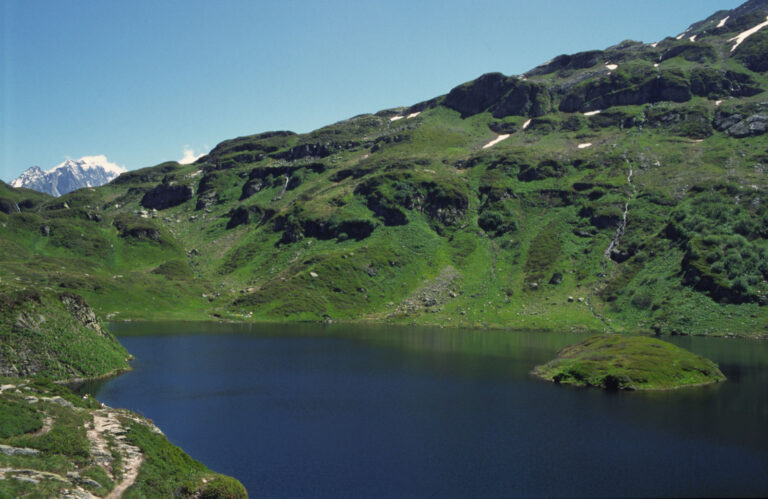
The first decision is the type of trek you crave. The legendary Haute Route traces the spine of the Alps from Chamonix to Zermatt, threading high passes and alpine lakes. It’s a commitment of eight to ten days, but the reward is a continuous ridge walk that feels almost cinematic. For those with less time, a selection of Mont Blanc day hikes can be tackled from the valley floor. The Grand Balcon Nord offers sweeping vistas of the glacier‑capped peaks without the need for technical climbing gear, while the Les Houches to Lac Blanc trail provides a postcard‑perfect lake perched above the treeline.
Both options share common preparation points: a reliable map, layered clothing, and a keen eye on weather forecasts. The Alpine climate can shift in a blink, turning a pleasant sunny morning into a brisk, fog‑laden afternoon.
Why the Haute Route still captivates hikers
- Continuity: the trail never drops to the valley floor, keeping you immersed in high‑altitude scenery.
- Variety: alpine meadows, glaciers, and stone passes give each day a fresh feel.
- Community: you’ll meet fellow trekkers from all over the world, exchanging stories over a steaming bowl of fondue savoyarde.
Mapping your journey: the essential Mont Blanc summer hike map
Having a detailed Mont Blanc summer hike map is non‑negotiable. The official IGN topographic series, available both in paper form and as a free digital download, marks every cairn, refuge, and water source. For tech‑savvy hikers, the AlpineQuest app overlays GPS tracks onto the map, alerting you when you stray from the marked path. Remember, some sections—especially near the Goûter Glacier—are unmarked to preserve the fragile environment.
A good practice is to print a paper copy as a backup; batteries die, screens freeze, and a paper map never suffers from a sudden loss of signal.
Quick tips for map reading in the Alps
- Align the compass rose with true north before you start.
- Identify contour lines: a spacing of 20 m indicates gentle slopes, while 10 m suggests steeper terrain.
- Mark the locations of mountain huts (refuges) and emergency shelters; they can be lifesavers.
Understanding the Mont Blanc hike cost: budgeting for the Alps
Adventure in the Alps isn’t cheap, but with careful planning you can keep the Mont Blanc hike cost manageable. The biggest expenses are accommodation, mountain guide fees (if you choose to hire one), and equipment rental.
| Expense | Typical range (EUR) |
|---|---|
| Mountain hut (per night) | 30 – 70 |
| Guided tour (per day) | 120 – 250 |
| Equipment rental (crampons, ice axe) | 20 – 45 |
| Transport (train + bus to trailheads) | 15 – 30 |
The cost can skyrocket if you opt for a private guide or stay in the luxury chalets near Chamonix. Conversely, by staying in communal dormitories and joining a group tour, you can shave off up to 30 % of the total budget.
How to save without compromising safety
- Book refuges months in advance; early reservations often come with discounts.
- Share gear with fellow hikers to split rental fees.
- Consider the Tour du Mont Blanc self‑guided option—maps, route notes, and a simple GPS device can replace a pricey guide.
Assessing difficulty: is the Mont Blanc hike right for you?
Difficulty varies dramatically across routes. The classic Goûter Route, the most battered path to the summit, demands a moderate level of mountaineering experience—think sure footing on mixed terrain, basic rope skills, and a head for altitude. Meanwhile, the Lac Blanc ascent is rated “moderate” by the French Alpine Club, suitable for fit hikers with good stamina but no technical climbing background.
In general, most day hikes sit within the “easy to moderate” band, while any attempt to summit Mont Blanc itself crosses into “hard” territory. If you’re uncertain, a good rule of thumb is to start with a 2‑hour ascent gaining less than 600 m in elevation and see how your body reacts.
Key indicators of trail difficulty
- Elevation gain: > 800 m per day usually signals a challenging hike.
- Terrain type: rocky scree, glacier crossing, or steep scree fields increase technical demand.
- Exposure: narrow ridges with sheer drops require confidence at height.
Can you hike Mont Blanc without a guide? The reality check
Many adventurers ask, “Can you hike Mont Blanc without a guide?” The answer hinges on the chosen route. For the well‑marked Lac Blanc or Les Contamines‑Montjoie loops, a competent self‑sufficient hiker can manage alone, provided they carry a reliable map and respect weather warnings.
However, the true summit attempts—particularly via the Goûter or Trois Monts routes—are technically demanding. The glacier crevasses, changing snow conditions, and occasional rockfalls make a professional guide advisable for those lacking recent mountaineering practice.
“I attempted the Goûter Route solo in July 2024 and realized quickly that the altitude and a sudden storm made the experience more perilous than rewarding.” – An experienced trekker
When a guide becomes essential
- First‑time summit attempts on Mont Blanc.
- Winter or early spring ascents when snow and ice dominate.
- Group hikes with mixed fitness levels requiring pace management.
Best Mont Blanc hiking tours: curated experiences
For those who prefer a structured adventure, a handful of operators in Chamonix stand out. The Best Mont Blanc hiking tours often combine guided segments with free‑time for personal exploration. Highlights include:
- Alpine Quest – a five‑day guided circuit covering the Haute Route segment and the iconic Refuge du Goûter.
- Chamonix Alpine Guides – bespoke day hikes to Grand Balcon Nord with professional commentary on geology and local flora.
- Mountain Spirit – a self‑guided tour kit (maps, GPS, and safety brief) for the Tour du Mont Blanc, allowing hikers to set their own schedule.
All tours prioritize safety, with mandatory equipment checks and daily weather briefings. Choosing a reputable operator ensures you benefit from local knowledge while still feeling the freedom of the mountain.
Practical tips for a safe and enjoyable Mont Blanc summer hike
Even with meticulous planning, the Alps can surprise. Here are some on‑the‑ground suggestions that often make the difference between a memorable trek and an avoidable mishap:
- Start early; afternoon thunderstorms are common.
- Carry a lightweight emergency bivouac sack—weather can turn unexpectedly.
- Hydrate often; altitude reduces thirst perception.
- Respect wildlife; chamois and marmots are protected.
- Leave no trace: pack out all litter and use designated toilet facilities.
Remember, the mountain respects no itinerary. Flexibility and a calm mindset are as important as your trekking poles.
Frequent Asked Questions
Can you walk up Mont Blanc in summer?
The climbing season stretches from June to September, with July and August offering the most stable weather. While technically possible, summit attempts require mountaineering skills, proper equipment, and often a guide. Many hikers choose high‑altitude day routes instead of a full summit ascent.
Can a beginner do the Tour du Mont Blanc?
Yes—beginner backpackers can undertake the Tour du Mont Blanc provided they train for endurance and practice carrying a loaded pack. The trek involves daily elevation gains of up to 1,000 m and varied terrain, but the network of mountain huts allows for flexible pacing and rest days.
Is Mont Blanc hard to climb for beginners?
The difficulty depends on the chosen route. The popular Goûter Route is manageable with prior trekking experience, basic rope work, and a good head for heights. Nonetheless, beginners should consider a guided group or start with lower‑elevation day hikes to build confidence.
Do I need a guide for a Mont Blanc day hike?
For most day hikes—such as Lac Blanc, Grand Balcon Nord, or the Les Houches loop—a guide is not required. However, always check the latest trail conditions and weather forecasts; if conditions deteriorate, a local guide can provide crucial safety advice.
What is the average cost of a guided Mont Blanc tour?
Guided tours typically range from €120 to €250 per day, covering the guide’s fee, equipment, and sometimes meals. Adding mountain hut accommodation can increase the overall expense, but group rates often lower the per‑person cost.
Embracing the summit: final thoughts on the Mont Blanc summer hike
The Alps reward those who respect their power and cherish their beauty. By selecting the route that matches your skill level, budgeting wisely, and staying alert to the mountain’s moods, your Mont Blanc summer hike can become a story you recount for years. Whether you summit the roof of Western Europe or simply stroll along a alpine meadow, the memories forged above the clouds are priceless. So lace up those boots, check the forecast, and let the Chamonix Vibes guide you to new horizons.