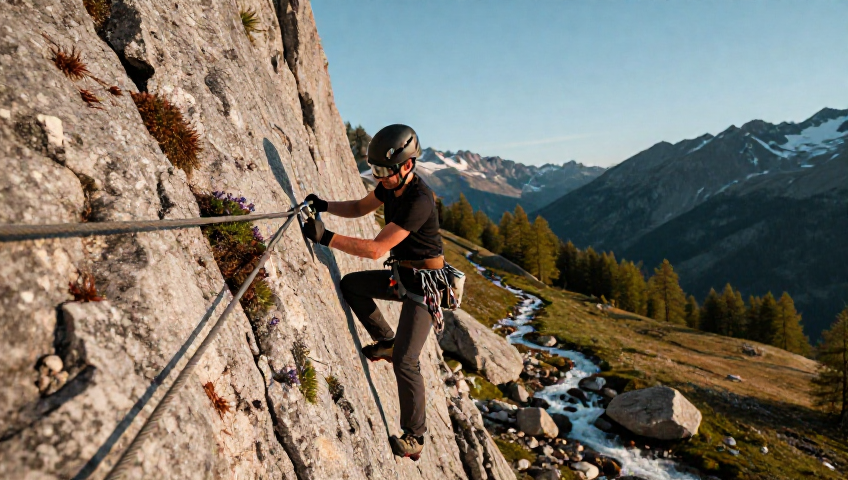
Imagine standing on a steel ladder at 2,100 m, the wind whipping past your face while the mighty Mount Blanc looms over the valley. That’s the thrill of a via ferrata in Chamonix – a blend of climbing, hiking and pure adrenaline that can be tackled by families, beginners and seasoned climbers alike. From the vertical ladders of the Evettes to the iconic Himalayan bridge at Berard, the Chamonix valley offers routes that suit every skill level and every mood. In this guide we’ll walk you through the best places to go, the gear you’ll need, how to stay safe and why a responsible approach matters for the fragile alpine environment.
Whether you’re planning a weekend with kids, a solo adventure, or a group outing with an experienced mountain guide, the information below will help you turn the idea of “trying a via ferrata” into a concrete plan you can book today. Let’s dive into the heart of the Alps, where iron rungs meet stunning panorama, and discover how to make the most of your Chamonix experience.
Table of Contents
Where to Find Via Ferrata in Chamonix
The Chamonix valley is peppered with via ferrata routes, each perched on a different face of the surrounding massifs. The most accessible entry point is the cable car that whisks you up to La Flégère, a short ride from the town centre. From there, you can hop onto the Evettes circuit, while the cable car to Aiguille du Midi opens routes like Curalla for the more daring.
All routes are marked by bright information signs and signposts that indicate difficulty, altitude and the estimated time to finish. The majority of the paths are reachable within a 30‑minute return ticket ride, making them ideal for a half‑day hiking adventure.
Key Access Points
- La Flégère – gateway to Evettes, level: intermediate.
- Aiguille du Midi – launches Curalla, level: advanced.
- Planpraz – near the start of the Berard route, also served by a short lift.
Top Routes: Evettes, Curalla and Berard
Each of the three flagship routes offers a unique blend of vertical challenge, scenic reward and technical interest. Below is a quick snapshot of what you can expect.
| Route | Length / Altitude | Difficulty |
|---|---|---|
| Via Ferrata des Evettes | 200 m – 2,000 m → 2,150 m | Intermediate (easy for families with kids) |
| Via Ferrata de Curalla | 300 m – 2,300 m → 2,600 m | Advanced – steep vertical ladder sections |
| Via Ferrata of Cascade de Bérard | 250 m – 2,050 m → 2,200 m | Intermediate to advanced – includes Himalayan bridge |
Evettes is renowned for its relatively gentle slope and spectacular view over the valley and the glacier. The route features a short vertical ladder and a series of metal rails that give beginners confidence while still delivering the thrill of an exposed alpine landscape.
Curalla pushes the envelope with a longer vertical stretch, a series of metal rungs and a dramatic rope bridge that sways above a deep canyon. It’s an adventure for those who have already tasted one or two routes and crave a stronger climbing experience.
At Berard, the star attraction is the Himalayan bridge, a sturdy steel crossing that feels like walking on a wire over the clouds. The route also includes a few horizontal path sections and a short vertical ladder that tests both balance and mental focus.
What Makes These Routes Special?
- Landscape: From alpine ridges to lush meadows, each route frames a different facet of the Chamonix scenery.
- Technical variety: The mix of ladders, rope sections and bridges ensures you’re never bored.
- Family‑friendly portions: Even the more demanding routes have a few easy sections where kids can join the fun safely.
Essential Equipment and Safety Checklist
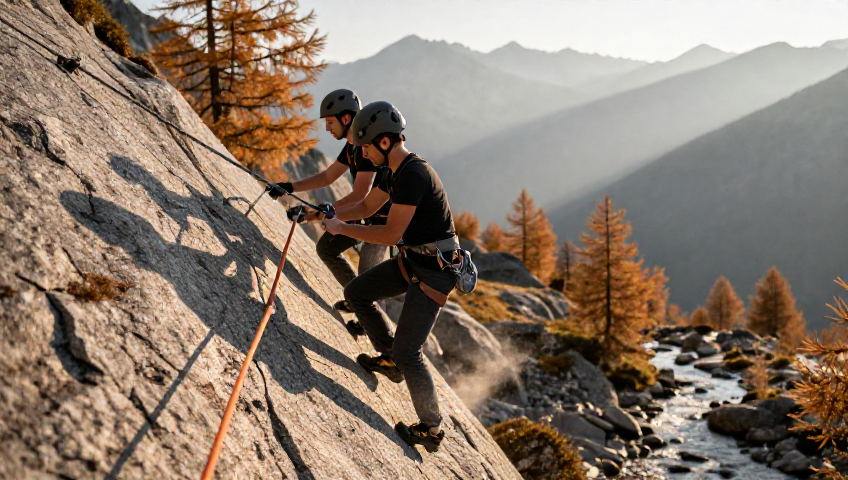
Before you clip onto the first carabiner, double‑check that you have the right equipment. A typical via ferrata kit includes a harness, a helmet with an energy absorber, a set of long karabiner, a short karabiner for quick releases, a rope (optional for beginners), a lanyard with a energy absorber, and sturdy gloves. Don’t forget a water bottle, a light backpack and warm layers – the weather at altitude can shift from sun to fog in minutes.
The French Alpine Federation recommends a minimum of two harnesses, one for the user and one spare, especially for families. If you’re not bringing your own gear, several local shops in Chamonix rent complete sets, including helmets, harnesses and braking devices.
Safety Tips for Every Climber
- Always wear a certified helmet and tighten the strap snugly.
- Check that all carabiners are locked before each climb.
- Use a sling on steep sections to distribute load.
- Stay aware of the weather – wind, rain and sudden temperature drops affect grip and visibility.
- Keep a first‑aid kit and a whistle in your pack.
Most routes have a clearly marked exit point where you can descend safely if conditions worsen. The step markers along the path help you maintain orientation, especially when fog rolls in.
How to Book and Prepare Your Adventure
Booking a via ferrata in Chamonix is straightforward. Many operators, such as Evolution 2 and Alpine Guides, offer online booking platforms where you can select your route, preferred guide level and date. Prices vary depending on the route’s difficulty and whether equipment is included; typically, a full day costs between €45 and €70 per person.
When you reserve, you’ll receive a price list and a cancellation policy. Most providers allow a free cancellation up to 24 hours before the start, which is handy if weather forecasts change. Don’t forget to ask about insurance – many guides include basic liability coverage, but a personal adventure insurance can give extra peace of mind.
What to Pack
- Backpack (20‑30 L) – enough room for water bottle, snacks, and a spare pair of gloves.
- Layered clothing: windproof jacket, fleece, and a base layer.
- Sun protection: sunglasses, sunscreen, and a hat.
- Optional: snowshoe if you plan a winter ascent.
To keep your carbon footprint low, consider using the cable car instead of a private car, and bring a reusable water bottle. Some operators even calculate the CO₂ emissions of your activity and offer a “zero impact” offset option.
Environmental Impact and Sustainable Climbing
The Chamonix valley is a delicate alpine ecosystem. The iron anchors and metal rails of the via ferrata are designed to minimise erosion, but climbers still have a responsibility to leave no trace. Stick to marked paths, avoid stepping on fragile alpine flora, and pack out all waste.
Many local guide companies follow a zero impact policy: they use biodegradable soaps, limit group sizes, and support the refuge network that provides shelter for hikers and climbers without harming the landscape.
By choosing to “share” your experience responsibly – for example, by posting photos that highlight the clean, pristine environment – you encourage a culture of respect that benefits everyone.
Frequent Asked Questions
Are there via ferratas in Chamonix?
Yes. The Chamonix Valley hosts several via ferrata routes, the most popular being the Evettes, Curalla and Cascade de Bérard. These routes are situated in the Aiguilles Rouges massif and are reachable via the Flégère cable car within 30 minutes from the town centre.
What level of experience do I need for the Evettes route?
Evettes is classified as an intermediate route, but its gentle gradient makes it accessible for families with kids and beginners who have basic climbing experience. A short hiking background and a helmet are usually enough.
Can I rent equipment on site?
Most mountaineering shops in Chamonix offer complete via ferrata kits for daily rental, including helmet, harness, carabiner set and lanyard. Rental prices start at €12 per day, with discounts for groups.
What is the best season to try a via ferrata?
The ideal window runs from late June to early September, when the weather is stable, the altitude is comfortable and the alpine meadows are in full bloom. Early summer can be muddy, while autumn brings cooler temperatures and fewer crowds.
How safe are the Himalayan bridges?
All bridges are inspected annually and designed to support multiple climbers simultaneously. As long as you follow the safety guidelines—maintaining three points of contact and using a secure harness—the bridges are very safe.
Do I need a guide for a solo climb?
A guide is not mandatory for the Evettes route, but for more technical sections like Curalla, hiring a qualified mountain guide is strongly recommended. Guides also provide local insight, weather updates and emergency assistance if needed.
Is there a price difference between beginner and advanced routes?
Yes, advanced routes such as Curalla tend to be priced higher (€60‑70) due to the need for additional equipment and the higher level of expertise required. Beginner routes like Evettes are usually around €45‑55.
Embrace the Alpine Thrill
From the first step on a steel rung to the final breath of fresh mountain air, a via ferrata in Chamonix promises an unforgettable mix of challenge, scenery and pure joy. By choosing the right route, packing the proper equipment and respecting the fragile environment, you’ll create memories that linger long after you’ve descended the last step. So, lace up your boots, clip in, and let the Alps reveal their vertical playground – the adventure is waiting.