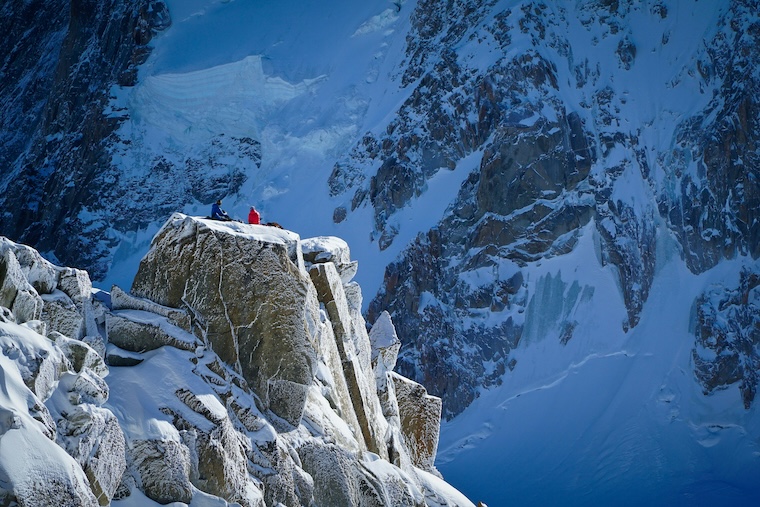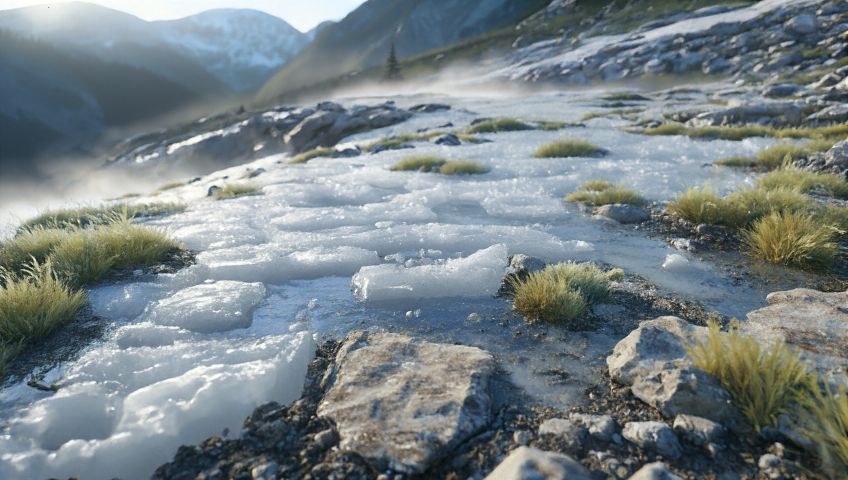
When the snow line starts to melt and the valleys fill with fresh green, many travelers ask themselves how the Chamonix weather spring behaves. The answer is a mix of crisp mornings, rapidly warming afternoons and occasional mountain storms that keep the scenery dramatic and the air fresh.
From the mount backdrop of Mont Blanc to the lively town centre, this period offers a travel experience that feels both wild and welcoming. In the sections that follow you’ll find the average temperature trends, sunshine statistics, precipitation amounts and the activities that shine brightest when the days get longer.
Table of Contents
What is the average temperature in Chamonix in spring?
Spring in Chamonix is a transition zone where temperature usually reaches comfortable levels by late May, yet still temperature usually drops sharply after sunset. The mean temp for March hovers around 3 °C during the day, climbs to 9 °C in April and settles near 13 °C in May. Nights remain chilly; the coldest nights can dip below 0 °C, especially in the higher valleys.
Below is a concise table that summarises the weather averages in Chamonix for the three spring months:
| Month | Daytime Avg (°C) | Night Avg (°C) | Hours of Sunshine |
|---|---|---|---|
| March | 3 | -2 | 112 |
| April | 9 | 1 | 166 |
| May | 13 | 5 | 210 |
These figures show that by May the warmest days often exceed 15 °C, making the valleys feel almost Mediterranean while the peaks retain a thin layer of snow. For hikers, the temperature usually reaches around 10 °C at 1,500 m altitude, a comfortable range for day‑long treks.
How many days of sunshine in April?
April is known as the month when sun shines most consistently after the winter gloom. On average the town enjoys days of the month with more than 6 hours of light, totalling roughly hours of sunshine close to 166. Daily figures often show sunshine per day ranging from 5 to 8 hours, with occasional bursts that push the total above 10 hours.
- Early April: 5‑6 hours of sunshine, occasional cloud cover.
- Mid‑April: 7‑8 hours, clear skies dominate.
- Late April: 8‑9 hours, with the occasional storm passing quickly.
Because the sun’s angle is still low, the day lasts on average about 13 hours, giving plenty of daylight for activities like hiking, biking and photography. The evening temperatures, however, can still feel cool, especially on the higher slopes.
What is the weather forecast for Chamonix?
Current weather forecast data from MeteoFrance (2025) shows a trend of mild month conditions throughout spring. The current data indicates average daytime highs of 11 °C for early May, with humidity around 70 %—typical for the Alpine valley where the air is normally humid. Rainfall remains modest; the precipitation amounts for April average 45 mm, mostly as light showers.
One useful tool for travellers is the Météo-France live map, which offers hour‑by‑hour updates and alerts for sudden storm developments. The forecast also points to a gradual rise in temperature of about 0.5 °C per week, a reassuring sign for mountain‑bike enthusiasts planning to hit the trails.
What are the conditions for skiing in spring?
While winter sports are traditionally associated with colder months, ski resorts in Chamonix keep a substantial snowfall base well into early June on high altitude slopes like the Grand Montets and Aiguille du Midi. The conditions are generally described as “spring powder”, with a soft surface that’s perfect for freeride. However, the temperature usually drops at night, creating a crust that can be challenging for beginners.
Key points for spring skiers:
- Head for the upper peaks (3000 m+) where snow persists.
- Expect wind speed to be around 10‑15 km/h, occasionally gusting higher.
- Take advantage of the longer daytime to ski late into the afternoon.
- Keep an eye on weather forecast for sudden thaw, which can turn the base into slush.
Overall, the spring period offers a delightful blend of remaining snow and milder temperature, making it a popular time for enthusiastic off‑piste adventurers.
What is the precipitation amount in April?
April’s precipitation amounts average 45 mm, spread over roughly days of the month with rain. The distribution is distributed over 10 days of measurable rain, each delivering about 4‑5 mm. Humidity remains high (around 75 %), contributing to a feeling of dampness despite moderate temperature levels.
Snowfall in April is rare at town level, but higher elevations can still receive light powder, especially after a cold front. When rain does fall, it often clears quickly, leaving behind a fresh, bright landscape. This intermittent pattern makes April a good month for outdoor pursuits that tolerate occasional wet conditions.
What is the typical weather in Chamonix?
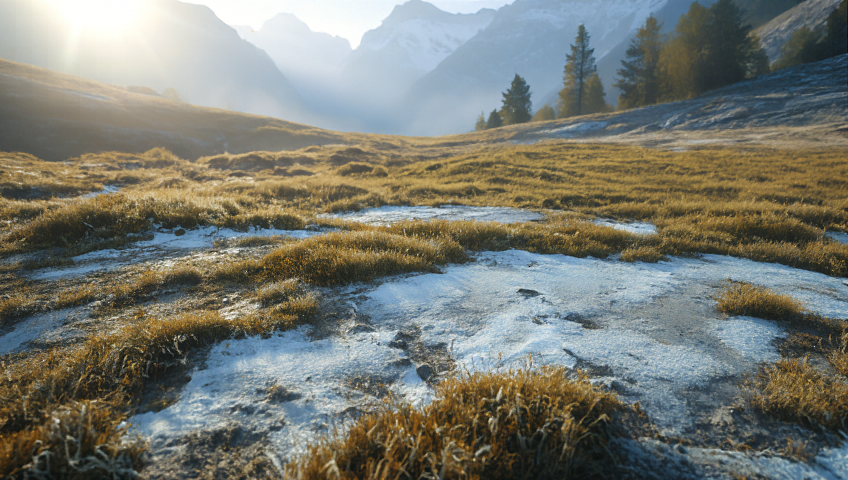
Chamonix’s climate is defined by its Alpine location: cold winters, mild springs, and a quick transition to summer warmth. The weather in spring can be characterised as cold early on with mild month progression. Daytime highs usually range from 5 °C in March to 14 °C in May, while night‑time lows can still dip below freezing on clear, wind‑less evenings.
“Spring in Chamonix feels like the mountains are waking up – you hear the trickle of meltwater, see the first wildflowers, and still catch a glimpse of lingering snow on the peaks.” – Anonymous trekker, 2025
The valley experiences around sunshine per day of 5‑9 hours, with occasional cloud cover that brings a fresh, clean air perfect for breathing easy. Overall, the combination of sunny mornings, occasional storm showers, and cool evenings creates a dynamic environment for travellers.
What activities can I do in Chamonix in spring?
Spring opens a whole new menu of activities beyond skiing. The longer daylight and milder temperature invite hikers, cyclists and adventure seekers to explore the valley.
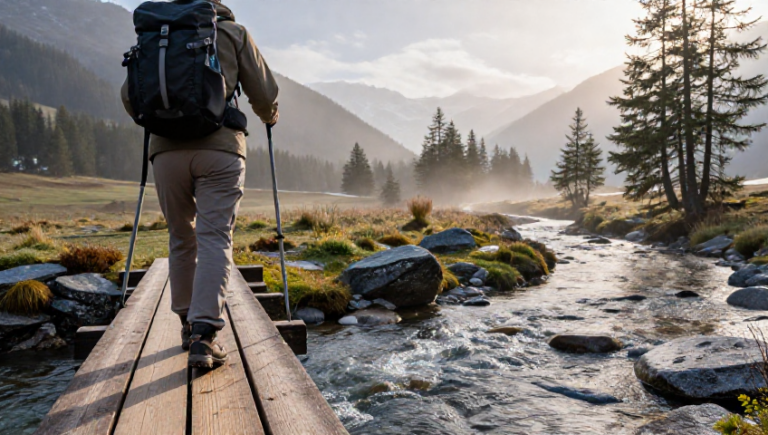
- Hiking: Trails like the Mont Blanc loop and the Aiguille du Midi ascent become accessible with reduced snow risk.
- Biking: The Vélo Verde network offers gentle valley rides, while mountain‑bike parks open for downhill sessions.
- Climbing: Early spring provides excellent rock conditions on the Grand Montets faces.
- Paragliding: Stable thermals and clear skies make for spectacular lifts over the Chamonix valley.
- Photography: The contrast of snow‑capped peaks against blooming alpine meadows is a photographer’s dream.
Even the evening brings its own charm – a gentle stroll along the river, a glass of warm wine in the town centre, or attending a local festival that celebrates the transition to summer.
You may also wonder
When is the best time to visit Chamonix for spring festivals?
The most lively period falls between late April and early May, when the town hosts the “Fête des Débuts” and a series of mountain‑culture events. These gatherings blend traditional music, local cuisine and outdoor demonstrations, offering a vibrant taste of Alpine life.
How does the altitude affect spring weather in Chamonix?
Altitude is a key factor: at 1,000 m the day lasts on average 13 hours with temperatures around 10 °C, while at 2,500 m you can still experience coldest nights below –5 °C and occasional snow patches. The temperature gradient means you should dress in layers and carry a windproof jacket.
Can I still ride the cable car to Aiguille du Midi in May?
Yes, the cable car operates year‑round, though occasional maintenance can cause short closures. The ride offers spectacular views of the Mont Blanc massif and is a gateway to high‑altitude trails that become accessible as the snow recedes.
What wildlife might I encounter during a spring hike?
Spring awakens the Alpine fauna: you may spot chamois grazing on stony slopes, marmots emerging from burrows, and golden eagles soaring above the ridges. Birdwatchers will enjoy hearing the melodic calls of the Alpine chough.
Is it safe to go off‑piste in early June?
Early June conditions vary. While the high‑altitude zones retain solid snow, avalanche risk can increase after heavy snowfall. Always consult the local mountain rescue service and respect posted warning signs before venturing off‑piste.
How does global warming influence the spring climate here?
Long‑term data indicates a gradual rise in average temperature of about 0.2 °C per decade, leading to earlier snowmelt and longer sunshine periods. This shift subtly changes the timing of flora bloom and can affect the reliability of late‑season skiing.
What are the best accommodations for a spring stay?
Options range from cozy chalet‑style B&Bs in the town centre to eco‑lodges perched above the valley. Many establishments offer “spring packages” that include guided hikes, bike rentals and seasonal cuisine featuring fresh Alpine herbs.
Do I need a special permit for mountain biking?
No special permit is required for most marked trails, but certain protected areas may restrict access during the breeding season. Check the local authority’s website or ask at the tourist office for up‑to‑date information.
How can I stay connected if I’m out in remote areas?
The mobile coverage in Chamonix is generally good, but higher elevations may have limited signal. Some hostels provide free Wi‑Fi, and many mountain huts offer satellite phone services for emergencies.
Wrapping up your spring adventure
In summary, the Chamonix weather spring period offers a compelling mix of mild temperature, generous sunshine, and occasional storm bursts that keep the landscape lively. Whether you’re chasing the last powder on the high slopes, trekking through blooming meadows, or simply soaking up the Alpine atmosphere from a café terrace, the season delivers a rich palette of experiences.
Plan with the latest weather forecast, pack layered clothing to handle the coldest nights, and pick activities that match the daily temperature range. With good preparation, your spring visit to Chamonix will be not just a trip, but a lasting memory of the mountains awakening.