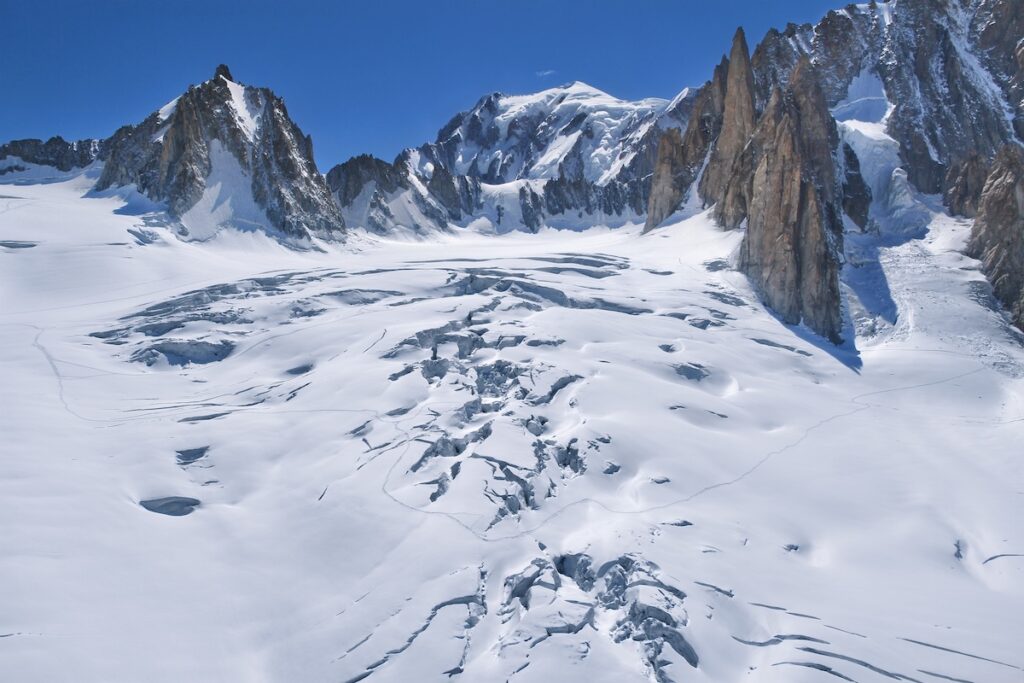
Nestled high above the bustling town of Chamonix, the Glacier du Géant dominates the skyline of the Mont Blanc massif. From the moment the cable car lifts you past the bustling Aiguille du Midi platform, the sheer expanse of blue‑white ice, framed by the iconic Vallée Blanche, makes you realise you are in a world apart. The glacier links directly to the famous Mer de Glace and offers access to classic routes such as the Dent du Géant ridge, the Col d’Entrèves pass and the lesser‑known Glacier Rond. Whether you arrive by the Vallée Blanche Cable Car, the Pointe Helbronner gondola or the historic Skyway cable car, the area is a playground for ski mountaineering enthusiasts and trekkers alike. The surrounding Alps provide dramatic backdrops, while nearby landmarks like Col des Flambeux and Gros Rognon add depth to any itinerary.
Beyond the breathtaking scenery, the glacier sits at the heart of a network of routes that cater to every level of experience. From gentle glacier walks suitable for families to technical climbs that test seasoned alpinists, the Glacier du Géant represents both a natural masterpiece and a hub of adventure. Below you will find everything you need to plan, book and enjoy a safe, unforgettable visit.
Table of Contents
Discovering the glacier and its monumental surroundings
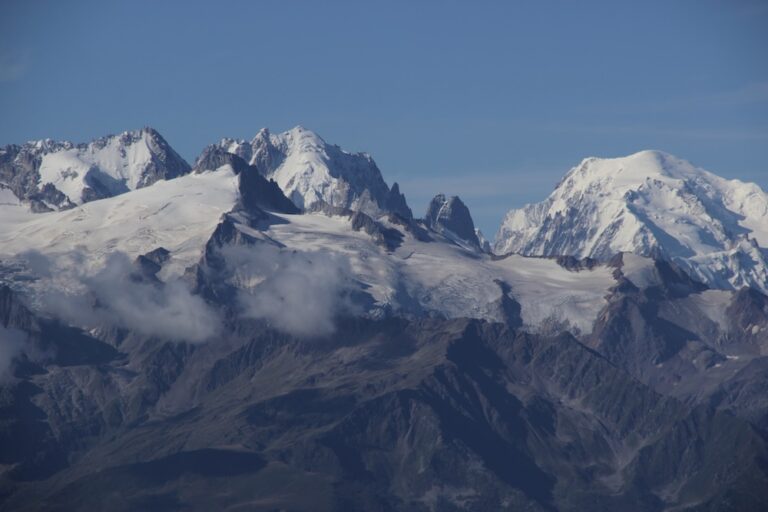
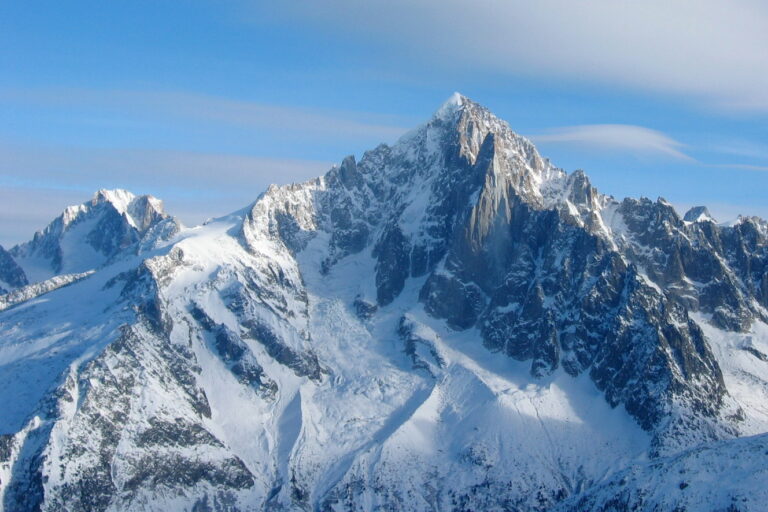
The Glacier du Géant stretches over 6 km, feeding the famous Mer de Glace below and carving a dramatic valley that has inspired painters, writers and countless mountaineers. Its icy surface reflects the towering silhouettes of the Mont Blanc massif, while the neighboring peaks – the Aiguille du Midi, the Dent du Géant and the lesser‑known Glacier Rond – create a mesmerizing skyline.
One of the most thrilling experiences is the descent into the Vallée Blanche after a ride on the Vallée Blanche Cable Car. The route offers a seamless transition from the white‑washed glacier to the deep blue of the valley, punctuated by the occasional glimpse of Col d’Entrèves or the distant silhouette of Pointe Helbronner. For those keen on exploring the glacier’s less‑trodden areas, the Col des Flambeux and Gros Rognon present quieter, yet equally spectacular, alternatives.
Getting there: transport, booking and practical tips
Reaching the Glacier du Géant is straightforward thanks to a well‑coordinated network of lifts. The most popular access point is the Aiguille du Midi cable car, which departs from the Chamonix gondola station and climbs to 3 842 m in just 20 minutes. From the summit platform, the Skyway cable car continues toward Pointe Helbronner, giving you a bird’s‑eye view of the glacier below.
For those preferring a scenic ride, the historic Vallée Blanche Cable Car provides a direct route to the glacier’s upper reaches. Tickets can be booked online through the official Chamonix Vibes portal; it is advisable to secure a spot at least a week in advance during the high season (June to September) to avoid long queues.
| Lift | Altitude (m) | Typical wait time |
|---|---|---|
| Aiguille du Midi cable car | 3 842 | 5‑15 minutes |
| Skyway cable car | 3 466 | 10‑20 minutes |
| Vallée Blanche Cable Car | 2 500‑3 200 | 15‑30 minutes |
Tip: Bring a waterproof jacket, insulated boots and a pair of gloves with good grip. Weather in the Alps changes rapidly, and even a sunny morning can turn into a snowstorm by noon.
Hiking and ski mountaineering trails around the glacier
The area surrounding the Glacier du Géant offers a diverse range of routes, from leisurely walks to demanding ski‑mountaineering itineraries. Below is a quick guide to the most popular trails:
- Gentle glacier walk – a 3 km loop suitable for families; takes about 2 hours.
- Vallée Blanche descent – the classic 12 km full‑day ski tour; requires a guide for safety.
- Dent du Géant ridge – a challenging rock‑ice climb; best attempted by experienced alpinists.
- Col d’Entrèves traverse – a moderate hike linking the glacier to the Col des Flambeux; takes 4‑5 hours.
The longest single‑track route in the area is the Vallée Blanche ski traverse, stretching roughly 14 km from the Aiguille du Midi to the village of Le Tour. This route is typically completed in a day, but weather and fitness can affect the timing.
Trail difficulty at a glance
| Trail | Difficulty | Duration | Best season |
|---|---|---|---|
| Gentle glacier walk | Easy | 2 h | June‑September |
| Vallée Blanche descent | Moderate‑hard | 6‑8 h | July‑August |
| Dent du Géant ridge | Technical | All day | July‑September |
| Col d’Entrèves traverse | Moderate | 4‑5 h | June‑October |
For ski mountaineers, the area’s high‑altitude snowpack provides excellent conditions, especially after a fresh snowfall in early summer. However, it is essential to check the avalanche bulletin before heading out.
Iconic peaks, passes and neighbouring glaciers
While the Glacier du Géant itself is a star attraction, the surrounding landscape is dotted with names that carry their own legend. The Aiguille du Midi tower, often the first point of ascent for many, offers a panoramic platform where you can see the entire Mont Blanc massif in one glance. Nearby, the jagged silhouette of Dent du Géant challenges climbers with its steep ice walls, while Glacier Rond lies to the east, feeding into the same icy system.
The Col d’Entrèves is a natural corridor that links the glacier to the historic Col des Flambeux. Hikers often use this pass to create a loop that includes the quieter Gros Rognon ridge, offering stunning views of the Vallée Blanche below.
Each of these landmarks can be reached via well‑marked paths, but a reliable topographic map is indispensable. The official Glacier du Géant map provided by the Chamonix tourism office highlights the trailheads, emergency shelters, and the locations of crevasse fields that may not be obvious from the ground.
Practical information, safety and seasonality
Safety on the glacier comes first. Crevasses can open suddenly, and the snow bridge over them may not support weight. Always travel with a qualified guide if you are unfamiliar with glacier travel techniques. Carry a basic rescue kit (rope, harness, ice axe, and crevasse saw) and know how to use it.
Seasonality plays a huge role in what you can do. From June to early September, the snow is relatively stable, making the glacier suitable for both walking and ski‑mountaineering. By late September, the snow begins to melt, exposing more rock and increasing the risk of hidden crevasses.
Alert: The weather in the Alps can change drastically within minutes. Check the Meteo‑France forecast before setting off, and be prepared to turn back if visibility drops below 500 m.
Frequent Asked Questions
Is the ice cave in Chamonix worth it?
The ice cave itself is impressive with several clever ice sculptures, but much smaller than many expect, likely due to glacier retreat. The Glaciorum at the top, however, offers excellent educational displays about glaciers and is definitely worth a visit.
Why is Chamonix so famous?
Mountain and winter sports. As the highest European peak west of Russia, Mont Blanc attracts climbers worldwide. Chamonix is known as the “Gateway to the European Alps.” The Ultra‑Trail du Mont‑Blanc has been held every August since 2003, and the cable car to the Aiguille du Midi reaches 3 842 m, drawing thrill‑seekers from across the globe.
What is the largest glacier in France?
The Mer de Glace is the largest glacier in France. Originating from the Leschaux and Géant glaciers, it stretches about 7 km, covers roughly 40 km², and reaches a thickness of 200 m at its highest points.
What happened to the Mer de Glace glacier?
Its rapid decline illustrates the alarming impact of rising temperatures in the Alps (+2.5 °C) and worldwide (+1.5 °C) since 1850. Since the late 19th century, the glacier has lost nearly 2.5 km in length and thinned at an accelerating rate. At Montenvers, it has lost around 170 m in thickness since 1990.
Can I do a one‑day guided traverse of the Glacier du Géant?
Yes. Several local guiding companies offer a full‑day glacier traverse that includes the Vallée Blanche descent, a visit to the Dent du Géant viewpoint and a brief stop at the Col d’Entrèves. Booking in advance is recommended, especially during peak summer months.
Is ski mountaineering allowed on the Glacier du Géant?
Indeed, the glacier is a classic venue for ski mountaineering. The most popular route is the full‑day Vallée Blanche ski tour, which is graded moderate‑hard. Guides emphasize checking the avalanche bulletin and carrying a rescue kit at all times.
Why the glacier should feature on every Alpine itinerary
The Glacier du Géant embodies the raw power and serene beauty of the high Alps. Its accessibility via modern lifts, combined with a network of trails ranging from simple walks to technical climbs, makes it a versatile destination for families, adventure seekers, and seasoned alpinists alike. By planning ahead, respecting safety guidelines, and embracing the ever‑changing mountain weather, visitors can experience a slice of glacial grandeur that few other places can match.
So, whether you are tracing the historic path of early mountaineers, carving fresh tracks in the snow, or simply standing still to admire the endless white horizon, the Glacier du Géant promises memories that linger long after the sun sets behind the Mont Blanc massif. Pack your gear, book your lift, and let the glacier’s timeless silence guide you on your next Alpine adventure.