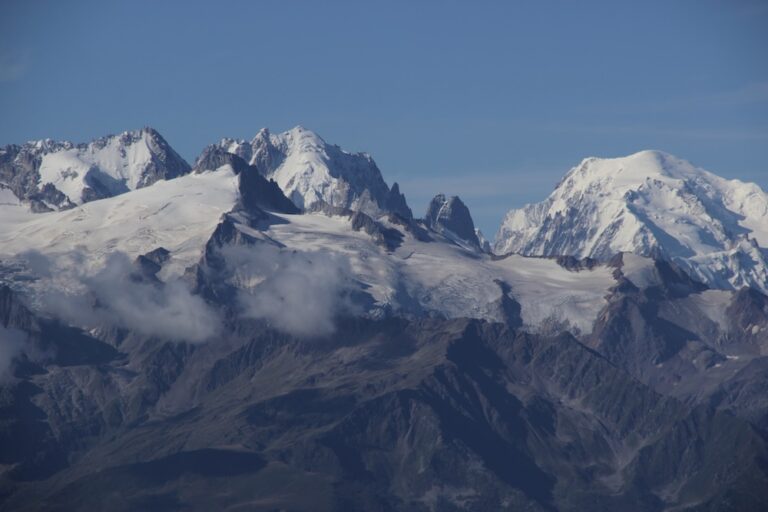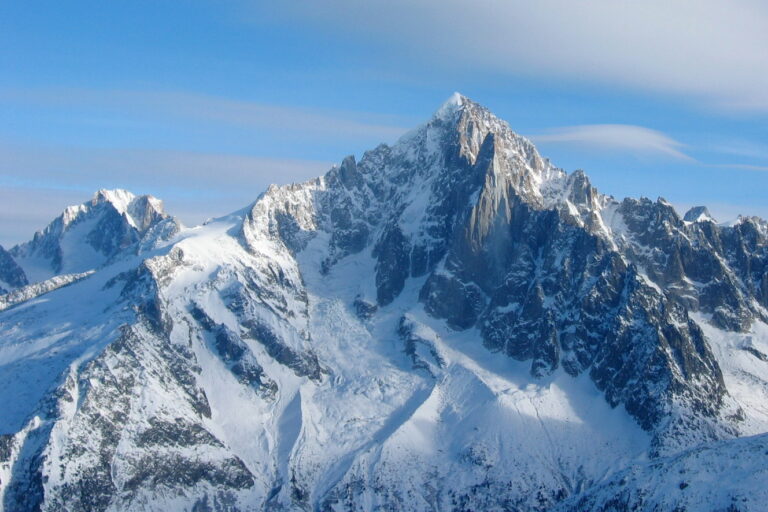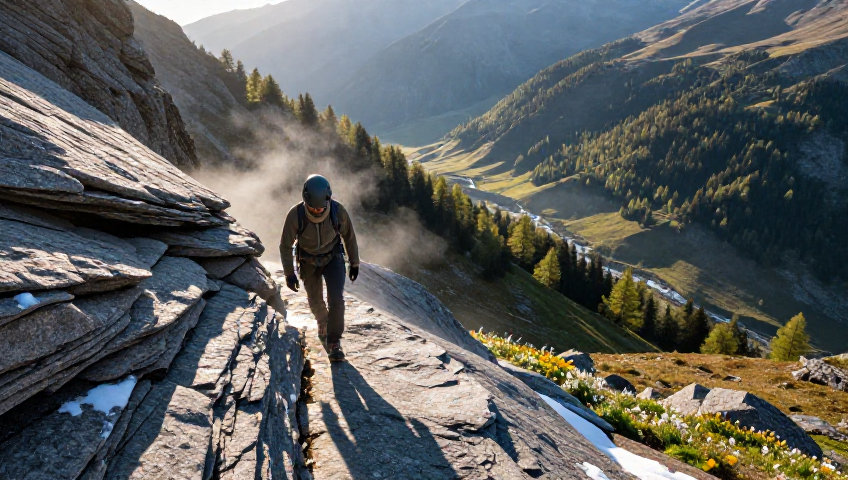
Rising like a jagged crown above the valley, the Aiguilles Rouges ridge line commands attention from every corner of Chamonix. Whether you arrived by the cable car at Le Brévent or trekked up from the Lac Blanc trailhead, the scenery—looming glacier tongues, craggy ridges and alpine meadows—offers a perfect blend of hiking and climbing. In the summer months the Grand Balcon Sud gives a panoramic outlook toward Mont Blanc, while winter transforms the massif into a silent, powder‑kissed playground for ski touring. This guide unpacks every facet of the ridge: access points, classic routes, mountain‑bike trails, and even the best spots for paragliding. Ready to lace up your boots or clip into your bike? Let’s dive straight into the wild.
Table of Contents
Getting there: cable cars and access points
The first step onto the Aiguilles Rouges is choosing the right lift. Brévent cable car shuttles visitors from the centre of Chamonix up to a leafy plateau at 2,200 m, opening an immediate view of Le Brévent and the distant Mont Blanc dome. For those preferring a slightly higher start, the Flégère cable car drops you at 2,350 m, offering a quieter trailhead and direct access to the Grand Balcon Sud ridge.
| Lift | Departure | Summit altitude |
|---|---|---|
| Brévent cable car | Chamonix centre | 2,200 m |
| Flégère cable car | Le Tour village | 2,350 m |
Both lifts operate from late June to early September, with reduced winter schedules for ski‑touring enthusiasts. Tickets can be bought at the stations; a cable car day‑pass is a worthwhile investment if you plan several ascents.
The ridge line on foot: classic hiking loops
When you set foot on the Aiguilles Rouges massifs, the most popular trek is the Aiguilles Rouges Loop – a 12 km circuit that snakes along alpine ridges, skirts the Lac Blanc shore, and climbs to the famed Summit of the Aiguille du Midi viewpoint.
- Start at the Brévent lift station.
- Follow the well‑marked hiking trail to the Lac Blanc refuge.
- Ascend the ridge to the Grand Balcon Sud for a breathtaking view of Mont Blanc and the surrounding peaks.
- Descend via the Flégère lift route, completing the loop.
The trail’s elevation gain is about 1,200 m, making it a moderate mountain climbing experience for fit walkers. In early autumn, the glacier meltwater creates shimmering pools that can be a surprising delight.
Safety tips for hikers
Even during the summer, weather in the Réserves Naturelles des Aiguilles Rouges can swing from bright sunshine to foggy mist. Carry a waterproof jacket, a map of the area (the official 1:25 000 topographic sheet works best), and a small first‑aid kit. If you’re unfamiliar with alpine terrain, consider hiring a local guide—many offer half‑day packages that cover both hiking and introductory climbing techniques.
Rock and alpine climbing on the ridge
Beyond the rope‑free walks lie dozens of routes that attract climbing purists from around the globe. The limestone faces of Aiguilles Rouges offer a mix of classic rock climbing lines and more serious mountain climbing endeavors. The “Grand Couloir” on Le Brévent is a favourite for its 6‑grade sport route, while the “Saddle Ridge” on the south side demands mixed gear for a 45‑meter ascent.
If you’re after a high‑altitude adventure, the “Bérard Ridge” leads you to the very crest of the ridge line, rewarding climbers with a panoramic 360° view of the Mont Blanc massif. Many routes are equipped with bolted anchors, but be prepared for sections that still require traditional gear.
“The feeling of standing at the top of the Aiguilles Rouges, with the wind whipping around you and Mont Blanc looming in the distance, is pure Alpine poetry.” – local guide, Jean‑Pierre L.
Climbing etiquette and regulations
All routes sit within the Réserves Naturelles des Aiguilles Rouges. As such, climbers must follow strict waste‑management rules: no chalk on the rock, and all rubbish must be carried back down. Seasonal closures occur when nesting birds inhabit the higher cliffs, typically from April to early June.
Two‑wheel thrills: mountain biking on the ridge
The Aiguilles Rouges are not only a climber’s playground; they also host a network of single‑track mountain biking trails that wind through alpine meadows and across grassy knolls. The “Flégère Flow” trail, rated moderate, starts at the Flégère lift and descends 6 km to the Brévent base, offering technical rock sections and exhilarating speed sections.
- Trail difficulty: moderate to difficult.
- Best season: late June to September.
- Required gear: full‑suspension bike, helmet, gloves.
Bike rentals are available in Chamonix town centre, and many shops provide shuttle service to the lift stations. Remember to stay on marked paths; off‑trail riding can damage fragile alpine flora.
Airborne adventures: paragliding over the ridge
For the truly adventurous, the ridge offers an unrivalled launch site for paragliding. The plateau above Le Brévent catches the thermals that lift pilots high enough to glide above the glacier fields and catch a distant view of Mont Blanc. Local schools operate tandem flights for beginners, often using the same cable car infrastructure to reach the launch point.
Seasonal wind patterns are generally stable from July to September, making it the safest window for newcomers. Experienced pilots enjoy the challenge of navigating the ridge’s complex wind corridors, especially when the valley below fills with cloud “ribbons”.
Ecology and conservation of the Aiguilles Rouges
The Réserves Naturelles des Aiguilles Rouges protect a unique alpine ecosystem that includes edelweiss, alpine rose, and a variety of marmot colonies. The area is also a crucial habitat for golden eagles and the occasional ibex. Conservation efforts focus on limiting the impact of tourism, especially during the peak summer months.
Visitors can join ranger‑led walks that explain the delicate balance between rock, ice, and life. These programs often highlight the role of the lingering glacier in feeding the valley’s streams, which eventually join the Arve River flowing through Chamonix.
Where to stay: mountain lodges and village charm
After a day on the ridge, a comfortable base makes all the difference. The Lac Blanc refuge, perched at 2,350 m, offers simple dormitory‑style lodging with an alpine kitchen. For those who prefer village comforts, the Le Tour hamlet, just below the Flégère cable car, hosts several boutique hotels and chalets.
- Lac Blanc Refuge – rustic, self‑catering, 12‑bed capacity.
- Hotel La Tête de Fer – modern amenities, close to the Brévent lift.
- Chalet Le Bien-Être – family‑run, perfect for mountain‑bike groups.
All accommodations are within a short shuttle ride (or a short hike) to the nearest cable car, ensuring easy access to the ridge for early‑morning starts.
Frequent Asked Questions
When is the best time to hike the Aiguilles Rouges ridge line?
Late June through early September offers the most reliable weather, fully open lifts, and clear views of Mont Blanc. Early summer may still have lingering snow on higher passes, while late autumn can bring early storms.
Do I need a guide for the climbing routes?
If you are an experienced climber comfortable with alpine terrain, you can go self‑guided using the marked routes. Beginners or those unfamiliar with the local weather patterns are strongly encouraged to hire a certified guide from the Chamonix mountain school.
Are dogs allowed on the ridge trails?
Dogs are welcome on most hiking paths but must be kept on a leash in the nature reserve. They are not permitted on technical climbing routes or during the bird‑nesting season (April‑June).
Can I combine mountain biking with a hiking itinerary?
Yes. Many hikers take the lift up, bike down a designated trail, and then catch the cable car back up for a second hike. This “bike‑and‑hike” loop maximises time on the ridge while keeping the legs fresh.
Is paragliding safe for first‑timers?
Local schools offer tandem flights where an experienced pilot controls the launch and landing. Weather checks are mandatory, and flights are only run when winds are between 10‑20 km/h.
Beyond the ridge: extending your Alpine adventure
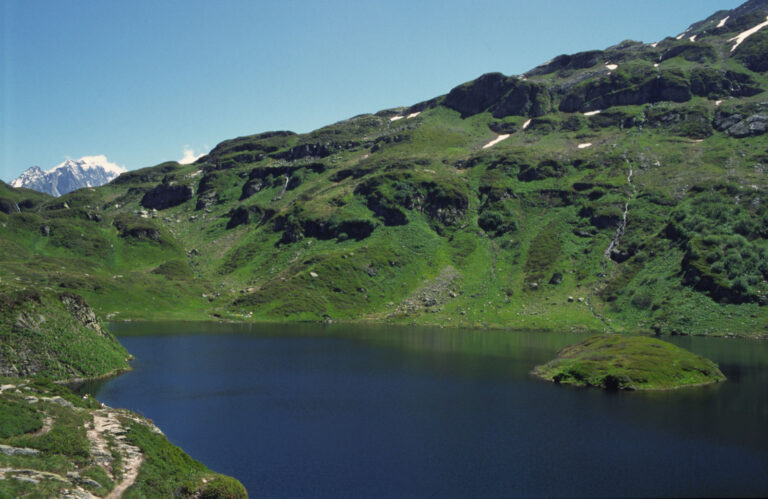
The Aiguilles Rouges ridge line is a natural gateway to the broader tour du mont blanc circuit. After conquering the ridge, you can descend into Chamonix and join the multi‑day trek that circles Mont Blanc, passing through Italy and Switzerland. For a shorter escape, the famous Lac Blanc trail offers a stunning alpine lake experience, while the nearby Le Brévent plateau provides ample spots for picnics and sunset photography.
Whatever your passion—whether it’s a leisurely walk through alpine meadows, a high‑adrenaline climb, or a glide over the peaks—the Aiguilles Rouges ridge line delivers unforgettable moments. Pack your gear, respect the mountain’s rhythm, and let the Alpine spirit guide you.