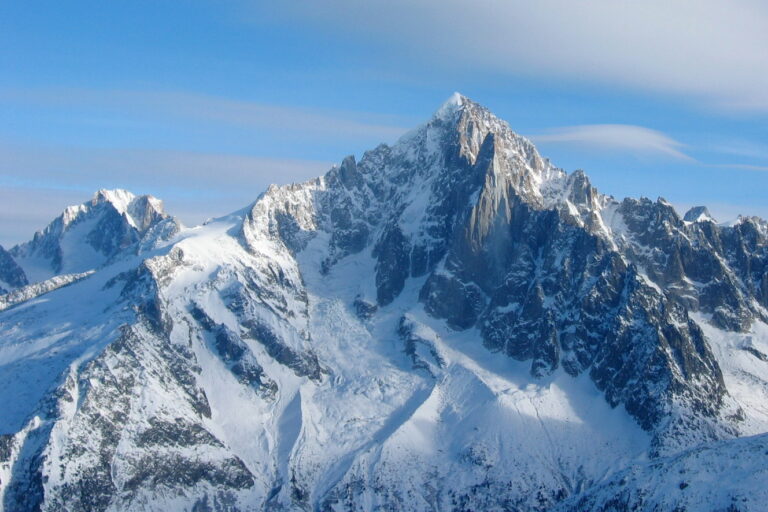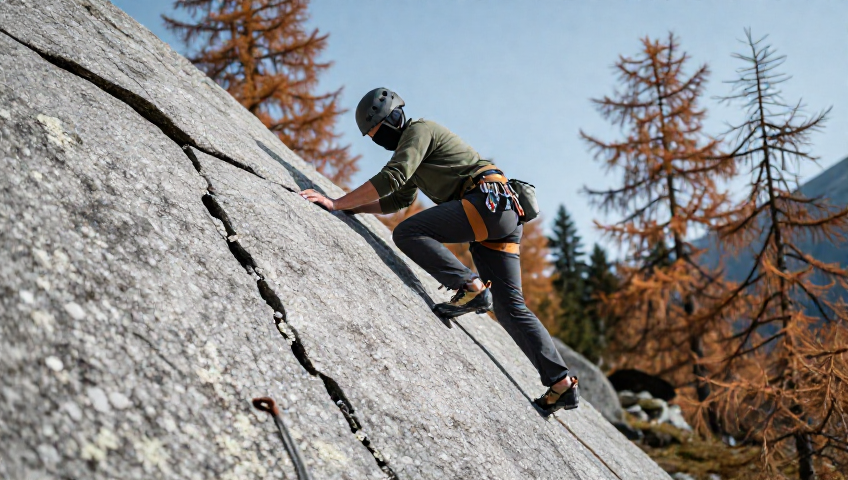
Perched on the edge of the Mont Blanc massif, the slender silhouette of Aiguille de l’Index has become a magnet for climbers seeking a blend of technical challenge and Alpine airiness. Whether you’re gearing up for a summer rock route, a winter climbing session, or a simple hike to soak in the summit view, the peak offers a compact yet rewarding experience that feels like a secret shared by the valley’s most seasoned mountaineers. The approach is straightforward: a short ride on the Flegere lift, a brief scramble, and you’re already at the base of the famous southeast arête, ready to test your index finger on the crisp granite.
What makes this crag stand out isn’t just its striking shape; it’s the whole package – reliable rock quality, an exposed but safe summit ridge, and the chance to glimpse the glacier du Tour from the top. In the following sections we’ll unpack the logistics, the best climbing routes, seasonal nuances, and practical tips for minimizing your carbon footprint while enjoying this iconic Alpine destination.
Table of Contents
Getting there: access, lifts and valley approach
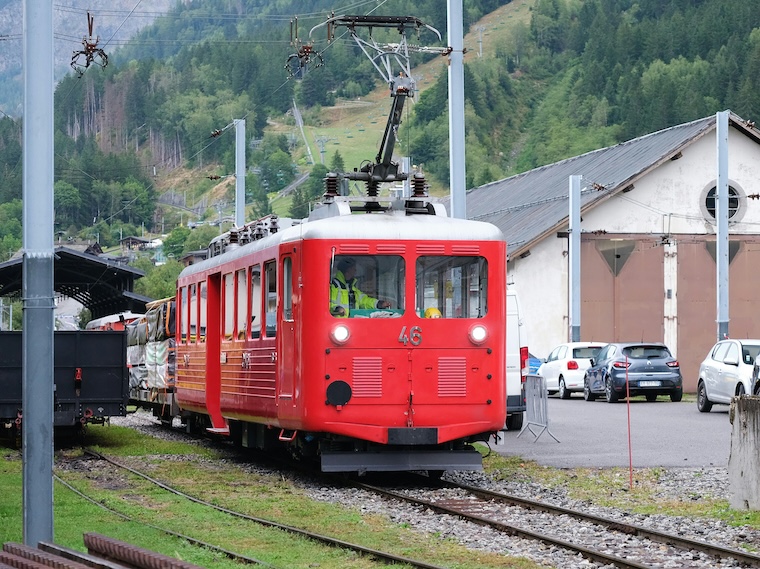
The journey begins in the bustling heart of Chamonix town, where the train to Chamonix connects you to the wider Alpine network. From the station, a bus service whisks you to the Flegere cable car base. The ticket includes the Flegere lift and the final approach lift to the midway station, which drops you within a ten‑minute hiking walk to the start of the main rock route. Parking is limited near the gondola, so we recommend securing a spot early or using the town’s park‑and‑ride facilities.
For those traveling light, a day pack with a lightweight rain shell, climbing shoes, and a compact rope rappel kit fits easily into the lift’s limited cabin space. The lift ticket is valid for the entire day, giving you flexibility to explore the South east ridge or try the neighboring aiguille rougues before descending.
When to climb: seasonal guide and mountain conditions
Understanding the mountain conditions is crucial. In summer, the route enjoys dry conditions, minimal stonefall, and excellent rock grip – ideal for classic crack climbing and face climbing on the Southeast arête. The weather bulletin from the Office de Haute Montagne typically predicts stable afternoons, but a sudden snow drift can alter the exposure within minutes.
Winter turns the crag into a mixed playground. Winter climbing enthusiasts relish the thin ice coating the dihedrals, while the snow conditions on the couloir descent demand a sturdy set of crampons. A quick check of the weather forecast and the latest snow conditions report will tell you if a rope rappel is safer than a down‑climb. Keep in mind that the glacier du Tour can feed fresh snow into the base of the climb, increasing the risk of hidden crevasses.
Climbing Aiguille de l’Index: routes, gear and safety
The most celebrated line is the Southeast arête, a classic 5.8 (French 5a) rock climbing route that follows a striking summit ridge. It starts with a short approach pitch, leading to a series of thin holds that demand delicate footwork – perfect for testing your index finger strength. The route is listed in the guidebook Rebuffat Volume II and highlighted among the 100 finest routes of the Alps.
Gear-wise, a standard climbing equipment rack suffices: a set of cams from 0.5 to 2 inches, a few quickdraws, and a 30‑meter dynamic rope. Traditional protection works well on the granite, but a few rappel anchors have been bolted at the crux for added security. For those new to the route, hiring a mountain guide from Alpine Ascents provides both instruction and local insight.
After the top-out, the descent is a single long rope rappel down the SE ridge onto a small ledge that drops into the couloir descent. Many climbers prefer to set a rappel anchor at the summit to avoid the risk of a swinging pendulum onto the rock face. An alternative is a down‑climb of the final slab, which offers a more controlled finish on dry days.
Beginner-friendly variations
- Low‑angle approach pitch (5.5) – great for acclimatization.
- Optional “easy” line on the left side of the ridge – avoids the main crux.
- Short “point‑to‑point” scramble that leads directly to the summit view without technical gear.
Beyond the climb: hiking, accommodation and eco‑responsibility
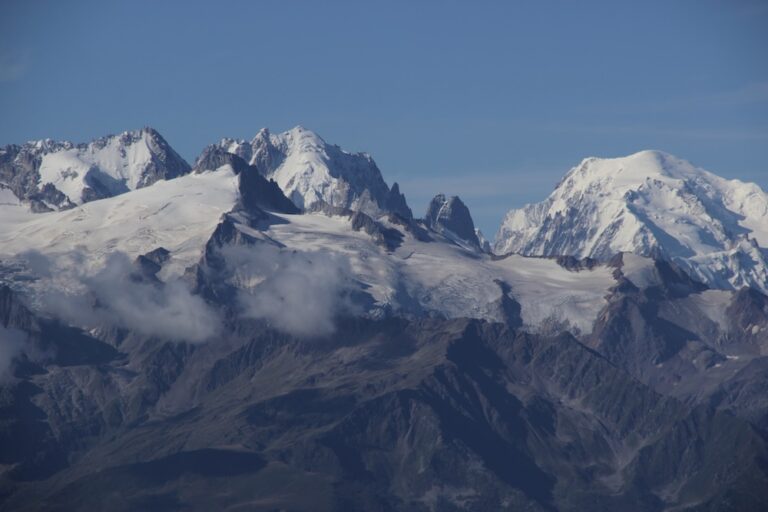
Even if you’re not a rock climber, the summit offers a spectacular panorama over the Chamonix valley, the Mont Blanc massif, and the distant glacier du Tour. A short hiking loop from the lift station passes the historic Chamoniard Volant refuge, where you can enjoy a quick picnic or a warm drink before heading back.
For overnight stays, the Gite de Vagabond provides cozy rooms and a communal kitchen, while the nearby hostel suits budget travelers. If you prefer a more rustic experience, a designated campsite lies a few minutes’ walk from the lift, equipped with composting toilets to reduce CO2 emissions. Booking info can be secured via the local office or online platforms, keeping in mind the zero impact strategy promoted by the Office de Haute Montagne.
Travelers are encouraged to calculate their carbon footprint before the trip. Opting for the train over a car, using public bus service, and sharing lift tickets with fellow climbers can significantly lower environmental impact.
Practical tips: planning, booking and staying safe
| Item | Recommendation | Why it matters |
|---|---|---|
| Lift tickets | Buy a combined Flegere lift and cable car pass | Cost‑effective, reduces queues |
| Climbing gear | Carry a dynamic rope, cams, quickdraws | Ensures safety on the SE ridge |
| Weather check | Consult the weather bulletin each morning | Avoids sudden storms or snow |
| Environmental gear | Reusable water bottle, biodegradable soap | Minimises waste on the trail |
When booking accommodation, prioritize places that support local sustainability initiatives – many Alpine huts now use solar panels and offer recycling stations. If you’re planning a group ascent, consider a collective rental of climbing equipment to lower costs and reduce the logistical footprint.
Frequently Asked Questions
What is the index climb in Chamonix?
The Index is a rock climb on a small but sharp peak. The main difficulties are technical in nature but not overly taxing by today’s standards. The climbing is to about 5.7 (French 5a) in difficulty. There is one long and exposed rappel on the descent.
Is the Aiguille du Midi cable car worth it?
Aiguille du Midi is a stunning attraction that many travelers find unforgettable, with its breathtaking views justifying the cost, especially when using passes or visiting off‑peak. The cable car journey is straightforward, though some highlight crowded conditions and long waits.
What’s the hardest grade in climbing?
As of December 2025, the technically hardest‑ever redpoint of a single‑pitch rock‑climbing route is at the grade of 9c (5.15d) for men and the grade of 9b+ (5.15c) for women.
Summit perspectives: why Aiguille de l’Index deserves a spot on your bucket list
From the moment you step off the Flegere lift and feel the crisp Alpine breeze, the Aiguille de l’Index promises a blend of challenge and reward that few peaks can match. Its rock summit offers an airy summit view over the valley, while the route’s moderate grade makes it accessible to a wide range of climbers. Whether you’re chasing the perfect dihedral, testing your exposure tolerance on the SE ridge, or simply soaking in the panorama, the crag delivers an experience that feels both intimate and grand.
So pack your gear, check the forecast, and respect the mountain’s delicate environment. With the right preparation, Aiguille de l’Index can become a highlight of your Chamonix adventures – a place where the rock, the sky, and your own ambition meet at the edge of the Alps.