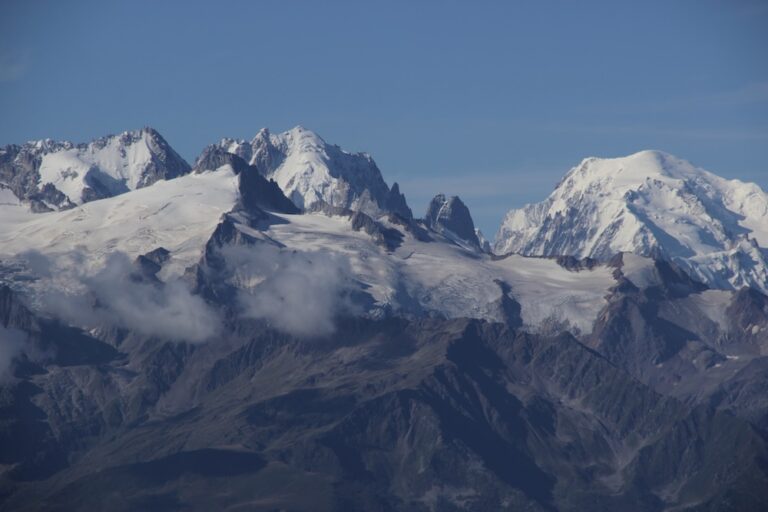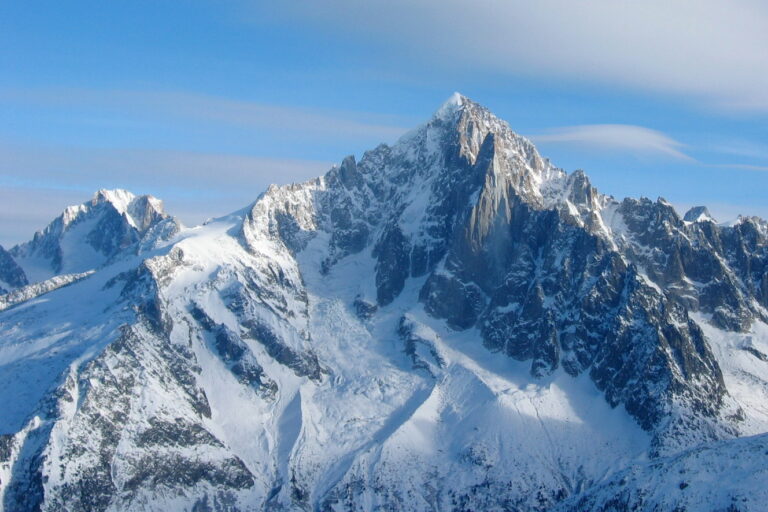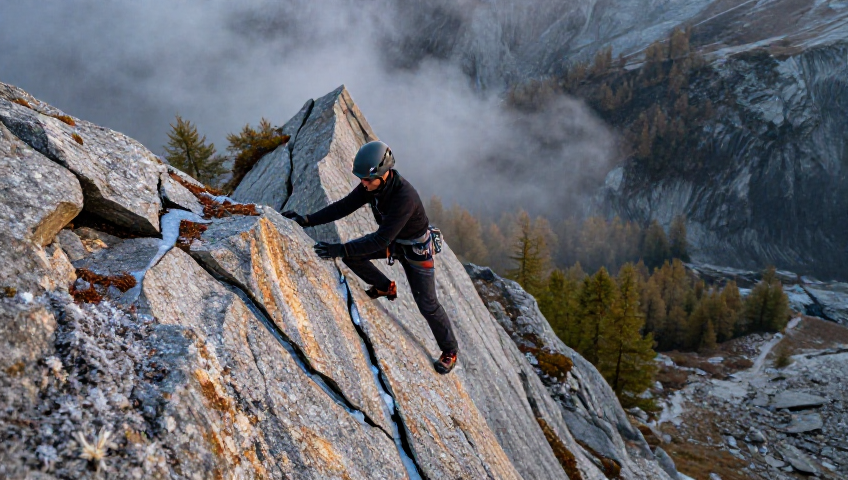
Standing like a needle against the sky, Aiguille de Mesure dominates the eastern fringe of the Mont Blanc massif and draws anyone with a taste for high‑altitude drama. Whether you’re a climber hunting a crisp steep slab, a hiker chasing wildflowers that carpet the valleys in July, or simply a photographer looking for the perfect sunrise over granite walls, the mountain offers a palette that changes with each season. The approach is a scenic route that snakes through the village of Vallorcine, skirts a turquoise Lac and passes a modest parking area before you start the ascent. In the summer months, the whole valley comes alive: waterfalls tumble down the cliffs, the air smells of alpine herbs, and the distant peaks of France glint in the light. All of this makes the Aiguille de Mesure experience one of the most rewarding in the Chamonix area.
Table of Contents
Getting there: access, parking and the approach
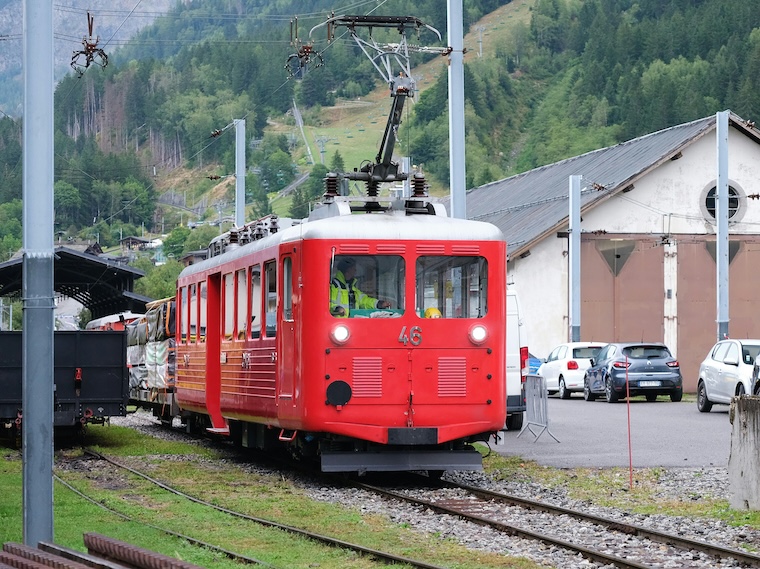
The first step is simple yet crucial – find the right parking spot. The designated lot sits at the edge of Vallorcine, a charming hamlet that feels like a gateway to the high Alps. From there, a well‑marked route follows the valley floor, winding past the historic Saint‑Gervais‑Vallorcine railway station and a series of small cafés where local shepherds still serve goat cheese tartines. As you walk, keep an eye out for the first series of cairns – stone piles that the community has maintained for decades to guide travelers through the occasional mist.
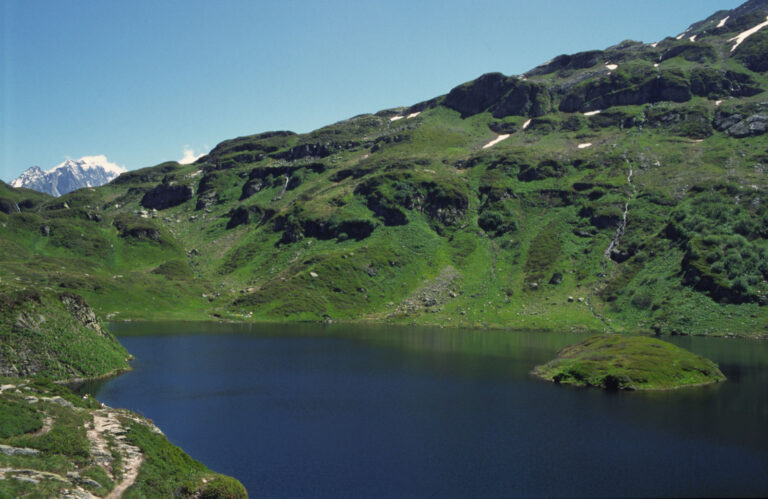
After roughly 2 km you’ll arrive at the col that separates the lower valley from the alpine meadows. The col offers a breathtaking view of a distant Lac that mirrors the sky, and it’s the perfect spot to stretch, sip water, and decide whether you want to tackle the full summit route or settle for a shorter hike. The altitude here, just under 1 600 m, is low enough that most people feel comfortable, yet high enough to start feeling the crispness that signals an approaching alpine environment.
During the summer the path is dotted with alpine flowers – think of edelweiss, gentians and tiny violet‑blue wildflowers that nod in the gentle mountain breeze. If you’re lucky, a distant waterfall will cascade down a rocky face, adding a soundtrack to your ascent. The route continues past a small alpine hut that provides basic shelter and a chance to chat with seasoned mountaineers who have logged dozens of ascents on the Aiguille de Mesure. It’s here that you’ll hear stories of early mornings when the sunrises paint the peaks in gold, and of evenings when the sunsets turn the sky into a canvas of pink and orange.
The classic climbing routes: slab climbs, steep faces and boulders
If you crave vertical relief, the mountain does not disappoint. The most renowned line is the “North‑East slab”, a smooth granite wall that angles gently at first before turning into a steep finish near the summit. The route is graded PD+ (peu difficile plus) and is usually tackled in a single push. The approach to the base involves a short scramble over a field of boulders, each offering a chance to practice a quick climb or simply to test your balance. The slab itself is famous for its perfect friction – a dream for those who love delicate footwork and long, fluid moves.
For advanced climbers seeking a more technical challenge, the “South‑West Direct” presents a series of exposed steep pitches guarded by tiny cairns placed for safety. This route demands specialized gear – a lightweight rope, a set of camming devices, and a few quickdraws – and a solid understanding of alpine guidance. The crux lies at the second pitch, where a thin slab transitions into a near‑vertical face peppered with hidden boulders that require precise foot placements.
The descent from the summit is often the most disciplined part of the experience. Most climbers choose to abseil (or “abseils”) from a fixed anchor on the south ridge, then follow the descent route marked by a line of sturdy cairns. The rock quality is generally excellent – the granite walls reveal a tapestry of natural color that changes from milky white in the morning to a deep rosy hue at dusk.
Route comparison table
| Route | Difficulty | Typical Gear |
|---|---|---|
| North‑East slab | PD+ | Standard alpine rack, 60 m rope |
| South‑West Direct | AD | Specialized gear, 70 m rope, helmets |
| Doigt de Mesure “Les noces d’étain” | D‑ | Full trad kit, prusik loops for abseils |
Choosing a route depends on your skill level, objective weather, and how much time you have. As a rule of thumb, the slab routes are best in early summer when the rock is dry, while the steeper faces can be tackled later in the season when the snow has melted from the upper sections.
Hiking around the mountain: moderate trails, panoramic vistas and alpine flora
Not everyone wants to pull on a rope, and that’s perfectly fine – the Aiguille de Mesure area boasts a network of moderate hiking trails that grant access to panoramic vistas without the need for technical climbing. One popular loop starts from the parking area, climbs gently through a meadow dotted with brightly coloured wildflowers, and reaches the small Lac de la Meuse. From the lake’s edge you can see the towering peaks of the Mont Blanc massif, their faces streaked with striations that reveal the geological history of the region.
Continuing on, the trail passes a series of cascades – each waterfall carving a miniature canyon into the granite. Along the way, you’ll find informative panels that explain the formation of the granite walls and the role of glacial meltwater in shaping the valley. The route is designed for a leisurely hiking pace, making it ideal for families or groups with mixed abilities. A short detour leads to a viewpoint that frames the sunrise over the peak, an unforgettable spectacle as golden light spills over the cliff edges.
In late afternoon, the same trail offers a superb spot for watching sunsets. The sky often turns a deep copper, reflected in the still waters of the lake, while the silhouettes of the peaks stand as dark sentinels against the horizon. For those who enjoy photography, these moments are worth staying a bit longer – the changing light creates a kaleidoscope of colors that highlight the subtle textures of the rock and the delicate foliage.
Descent and safety: cairns, abseils and essential guidance
Descending safely is as much a mental exercise as a physical one. After reaching the summit, most alpinists opt for a controlled abseil down the south ridge, a route well‑marked by a line of cairns that have been refreshed every autumn. The bolts are relatively new, installed by the local Alpine club, but you should still carry a personal anchor kit in case of wear. When you reach the lower sections, the path merges with a wide gravel route that leads back toward the village.
One common mistake is under‑estimating the length of the descent. In early summer, lingering snow patches can make the lower slope slippery, so any attempt to skip the cairns or the fixed ropes can be risky. The best practice is to follow the established guidance, keep your pace steady, and stay aware of weather changes – clouds can roll in quickly, turning a bright day into a foggy labyrinth.
Finally, it’s worth mentioning that the area is monitored by mountain rescue services based in Chamonix. If you’re venturing off the main route, consider hiring a local guide who knows the terrain, the best spots for safe bivouac, and the location of emergency shelters. Having an experienced companion is especially valuable for advanced climbers attempting the more demanding faces, where the exposure can be significant and rescue options limited.
Seasonal highlights and local culture: Chamonix, France and the valley of Vallorcine
The mountain lives in harmony with the rhythms of the valley. In the high‑altitude summer, the hills burst into a riot of colour – from the subtle pastel of alpine daisies to the vivid reds of edelweiss. The local festivals in Vallorcine celebrate this bounty, offering fresh cheeses, grilled trout from the nearby streams, and folk music that echoes across the meadows. Travelers often combine a climb with a visit to the historic Chamonix market, where mountain gear, local art, and storytelling converge.
Autumn brings a different charm: the foliage turns amber, and the air grows crisp. The hiking route becomes quieter, giving you space to reflect on the day’s climb while hearing the distant rumble of avalanches reshaping the lower slopes. Winter, for those prepared with crampons and ice axes, opens a world of ice climbing on frozen boulders and mixed routes that test both endurance and technique. However, that season demands specialized gear and a high level of experience – it’s not a casual outing.
Regardless of the season, the spirit of the place remains constant. The combination of formidable granite, welcoming villages, and the ever‑present scent of pine creates an environment where adventure and serenity coexist. Whether you’re planning a day trip, a multi‑day trek, or a technical ascent, the Aiguille de Mesure promises a rich tapestry of experiences that embody the best of the Alpine world.
Frequent Asked Questions
What is the best time of year to climb Aiguille de Mesure?
Most climbers favour late June to early September, when the rock is dry and the weather stable. During this window the steep faces are free of lingering snow, and the slab routes offer optimal friction. Early summer also brings the blooming of alpine wildflowers, while late summer often provides clearer evenings for stargazing.
Do I need a guide to attempt the South‑West Direct route?
While it’s not mandatory, hiring a local guide is strongly recommended for the South‑West Direct. The route involves exposed steep sections, complex cairns, and occasional loose boulders. A guide can provide critical guidance, ensure you have the right specialized gear, and increase safety, especially if you’re new to alpine climbing in the area.
How long does the approach from Vallorcine take?
The walk from the designated parking area to the col takes about 2 hours at a moderate pace. This includes time to admire the Lac that glitters in the valley, identify the first set of cairns, and enjoy a short rest before the technical sections begin.
Are there any facilities for overnight stays near the mountain?
Yes, the village of Vallorcine offers several alpine huts and a modest hostel that are open during the summer months. These provide basic accommodation, meals, and often a warm hearth where climbers share stories of recent ascents. Reservations are advisable, especially during peak tourist seasons.
What wildlife might I encounter on the trails?
The area is home to marmots, chamois, and occasionally ibex grazing on the higher slopes. Birdwatchers can spot golden eagles soaring above the towering peaks. Always keep a respectful distance, especially during the breeding season, to avoid disturbing the animals.
Why Aiguille de Mesure should be on your bucket list
From the elegance of its smooth slab faces to the rugged drama of its steep ridges, the mountain offers a diversity that few Alpine peaks can match. Its accessible route from Vallorcine makes it a perfect entry point for those new to high‑altitude climbing, while the more demanding lines challenge seasoned alpinists. Add to that the rich cultural backdrop of Chamonix and the vibrant summer festivals of the valley, and you have a destination that feeds both body and soul.
Ultimately, the allure of Aiguille de Mesure lies not just in reaching the summit, but in the journey itself – the scent of pine, the crunch of gravel underfoot, the mountain‑lit sky at night, and the sense of belonging to a landscape that has inspired explorers for generations. So pack your boots, check your gear, and set your compass for the needle that points to adventure.