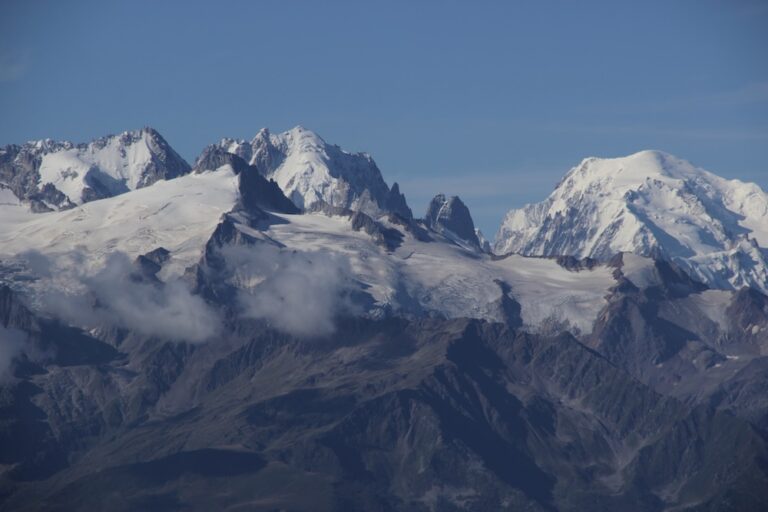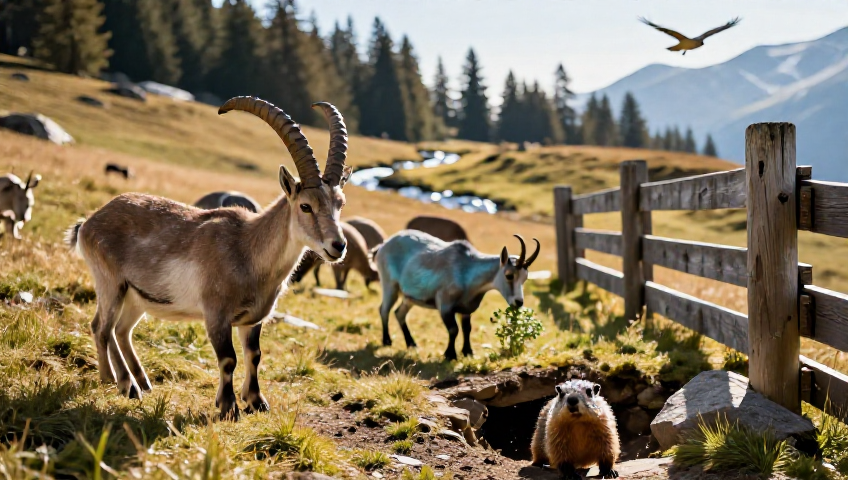
Perched at an altitude 1500m on the sunny slopes above Les Houches, the Parc de Merlet offers a rare glimpse of Alpine wildlife living in its natural mountain pasture and wildlife area. From the moment the cable car lifts you above the Alpine flora, the air smells of pine and stone, and the distant mountain view invites you to wander among sika deer, ibex and chamois that roam free. The park is a living museum where mountain animals such as marmots, mouflon and fallow deer share the landscape with traditional chalets and a panoramic terrace that frames the Mont‑Blanc massif. Whether you arrive for a quick photo break or a full‑day family adventure, the park balances excitement with a calm that makes every step feel like a lesson in sustainable tourism.
Because the park is a protected animal park, a reservation required policy ensures that visitor numbers stay within limits, preserving the gentle rhythm of the herd. The season runs from late spring to early autumn for the summer opening, while a limited winter opening lets you join a snowshoe walk across the crisp white meadows. Throughout the year, the opening hours shift to match daylight and weather conditions, so checking the schedule before you go is essential. Below you’ll find everything you need to plan a smooth, unforgettable visit – from transport tips and ticket prices to family‑friendly activities and the park’s commitment to sustainable tourism.
Table of Contents
What the park offers: wildlife, trails and educational experiences
The heart of Parc de Merlet is its free‑roaming collection of Alpine species. A quiet forest trail leads you past grazing mountain animals such as ibex, chamois and the shy sika deer. Along the way, guided tours (available in English and French) pause at an exhibition room where video projections illustrate the life cycles of predators and the delicate balance of the ecosystem. The park’s educational stops are especially popular with kids; they can touch a set of antlers and horns, learn how marmots survive the thaw, and see a live display of a hawk hunting practice.
For those who prefer a self‑guided pace, the signage is clear, and the trail markers highlight points of interest like the “sunny meadows” where wildflowers bloom in late June. Nearby, a short detour brings you to a picnic area equipped with tables and a bar restaurant that serves Alpine cheese fondue—perfect after a short hike. The park also provides a panoramic terrace with sweeping views of the Mont‑Blanc range, ideal for a peaceful coffee break while the wind carries the distant echo of cowbells.
Seasonal activities add a layer of variety. In summer, families can join a “wildlife photography” workshop, while in winter, the snowshoe walk showcases the park’s snow conditions and the silhouette of ibex against a pink sunrise. A short video in the exhibition room demonstrates how the area adapts to each season, reinforcing the park’s message of protecting mountain habitats for future generations.
How to get there: transport, parking and shuttle service
Reaching the park is straightforward thanks to a network of public transport. The nearest train station is Les Houches, just a 10‑minute walk to the main bus stop where a dedicated shuttle service departs every half hour during the high season. If you prefer to drive, the parking lot near the base station offers around 150 parking spaces, with a handful of spots reserved for wheelchair access. The bus stop is also marked on the local mobility map, making it easy to combine a train ride from Chamonix with a short bus journey.
Once you arrive at the base, the téléphérique du Brévent cable car whisks you up to the park’s entrance in under five minutes. The ride itself is an experience, offering a bird’s‑eye view of the valley, alpine farms, and the glistening glacier. For those with limited mobility, a shuttle service runs from the cable car terminal directly to the entrance, ensuring that everyone can enjoy the mountain wildlife without a strenuous climb.
At the entrance, a friendly information desk provides maps, weather updates, and a quick video introduction to the park’s “forest trail” and “mountain pasture” routes. If you’re travelling with a dog, note the dog policy: pets are welcome on the shuttle but not on the designated wildlife trails, to protect the animals.
Visiting details: opening hours, tickets, and reservation information
The park follows a seasonal schedule that aligns with the Alpine climate. Summer opening runs from early June to late September, with opening hours typically from 9:00 am to 6:30 pm. During this period, the park entrance price is €12 for adults and €8 for children (aged 4‑12). Group rates are available for parties of ten or more, with a discount of 10 % off the standard adult price. A family friendly ticket package (2 adults + 2 children) costs €38, providing a small saving compared to buying individual tickets.
| Ticket type | Price (adult) | Price (child) |
|---|---|---|
| Standard | €12 | €8 |
| Group (10‑15 people) | €10.80 | €7.20 |
| Family pack (2 adults + 2 children) | €38 | |
For the winter opening (mid‑December to early March), the park opens later—usually from 10:00 am to 4:00 pm—to match daylight. Tickets are slightly cheaper: €10 for adults and €6 for children, with a special group discount of 15 % for ski clubs and school groups. Because winter visitors are fewer, a reservation only system is in place to guarantee space on the snowshoe walk. You can book online or at the information desk; the booking process is quick, but remember that reservation required days fill up fast, especially on weekends.
All tickets are sold at the park entrance and can be prepaid online for a small convenience fee. If you purchase a ticket in advance, you’ll receive a digital “loyalty card” that grants a 5 % discount on any shop purchase at the souvenir shop and on the next visit.
Family‑friendly activities and group experiences
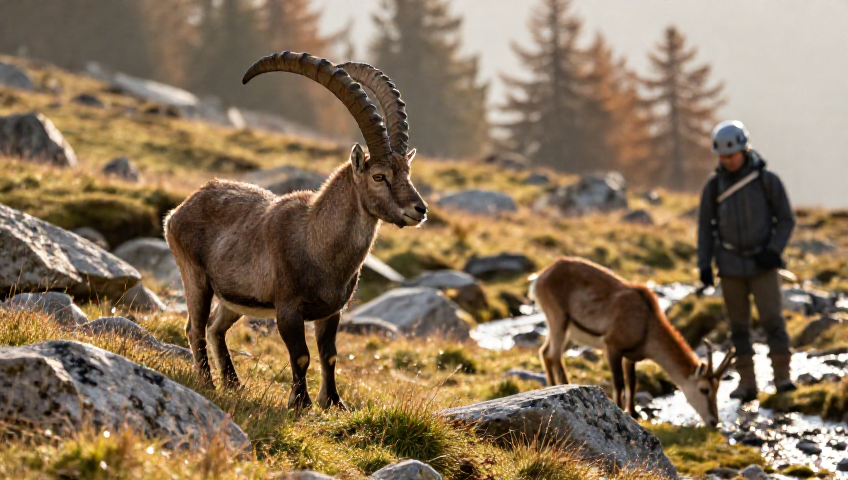
Families adore the array of activities that blend learning with fun. The guided tour includes a “predators display” where a naturalist explains the role of golden eagles and lynx in the ecosystem. Children can participate in an interactive “antlers and horns” workshop, carving small wooden models to take home. Nearby, a set of picnic tables invites families to enjoy a packed lunch while watching a herd of marmots scamper across the meadow.
- Snowshoe walk (winter): 2‑hour trek, suitable for all ages.
- Hiking trail (summer): 3‑hour loop, moderate elevation gain.
- Seasonal workshops: photography, wildlife tracking, alpine cooking.
Groups such as school classes, corporate teams, or scout troops benefit from the group rate and a dedicated mountain guide who can adapt the tour to the group’s age and interests. For larger parties, the park offers a private exhibition room** where a customized video projection can be presented, making it an ideal venue for environmental education events.
After a day of exploring, the bar restaurant serves warm croissants, hot chocolate, and the famous raclette, while the panoramic terrace** provides a sweeping backdrop for group photos. And for those who want to linger, the souvenir shop** offers locally crafted items—from hand‑knitted woolens to miniature wooden ibex figurines.
Sustainable tourism and the park’s conservation mission
Since its creation in 1973, Parc de Merlet has been a pioneer in sustainable tourism. The park’s management follows strict guidelines: visitor numbers are capped through the reservation required system, waste is sorted into recycling stations, and a portion of ticket sales funds local conservation projects. The mountain guide often shares insights about native Alpine flora and the importance of preserving sunny meadows for pollinators.
Visitors are encouraged to stay on the marked trails to protect fragile ground and to use the shuttle service rather than private cars when possible, reducing emissions. The park also collaborates with nearby farms to source cheese and honey for the restaurant, showcasing a model of local, low‑impact supply chains.
For those who wish to deepen their involvement, the park runs a volunteer program that includes meadow restoration days and wildlife monitoring workshops. Signing up is simple: ask at the information desk for the “volunteer leaflets”—a chance to turn a day trip into a lasting contribution to Alpine preservation.
Seasonal highlights: summer sunshine and winter wonder
During the summer opening, the park bursts with colour. The sunny meadows are carpeted with wildflowers such as edelweiss and gentian, while the mountain wildlife is most active at dawn and dusk. The best time for a photo break is early morning, when the light paints the peaks gold and the animals are just stirring. If you’re a photographer, bring a telephoto lens and be ready for the ibex’s impressive horns to catch the sunrise.
For winter enthusiasts, the park’s limited winter opening offers a magical snow‑covered landscape. The snowshoe walk winds through quiet white forests, and the crisp air makes every breath feel fresh. The snow conditions are usually excellent after a night of fresh snowfall, and the park provides free snowshoe rentals for visitors who booked in advance. A short video projection in the exhibition room explains how the animals adapt to the cold, making the experience both educational and awe‑inspiring.
Both seasons feature a special “mountain guide” session where a naturalist explains the differences in animal behaviour between the warm and cold months. Whether you’re planning a family day out in July or a snowy adventure in January, the park tailors its programmes to the season, ensuring that each visit feels unique.
Frequent Asked Questions
Do I need to book tickets in advance?
Yes. Reservation required is mandatory for the winter dates and highly recommended during the busy summer weeks. You can book online or at the information desk, and the system will confirm your spot instantly.
What are the opening hours for each season?
In summer the park opens from 9:00 am to 6:30 pm (June‑September). In winter the hours are shorter, generally 10:00 am to 4:00 pm (December‑March). Hours may shift slightly depending on weather conditions, so it’s wise to check the official schedule before you travel.
Is the park accessible for wheelchair users?
Yes. The main entrance and shuttle are wheelchair‑friendly, and there are designated pathways with gentle gradients. Some of the higher trail sections are not accessible, but the exhibition room, restaurant, and panoramic terrace are fully reachable.
Can I bring my dog?
Dogs are allowed on the shuttle and in the parking area, but they must stay on the designated path and are not permitted on the wildlife trails to protect the native animals.
Are there discounts for groups or families?
Groups of ten or more receive a 10 % discount on the standard adult price, and a family pack (2 adults + 2 children) is offered at a reduced combined rate. School groups and scout troops can also request a special group discount of up to 15 %.
What facilities are available for a picnic?
The park provides several sets of picnic tables near the bar restaurant, each equipped with waste bins and a view of the meadow. There are also sheltered areas in case of rain.
Is there a souvenir shop?
Yes, near the exit you’ll find a small souvenir shop selling local crafts, Alpine cheese, and wildlife‑themed items. With a digital loyalty card you can claim a 5 % discount on any purchase.
What to remember before you head to Parc de Merlet
In a nutshell, the park blends stunning Alpine scenery with a responsible visitor experience. Remember to book ahead, especially if you’re planning a winter snowshoe walk, and check the weather conditions the day before. Pack comfortable walking shoes, a light jacket, and if you’re traveling with kids, a small backpack for snacks—there are plenty of picnic tables and a restaurant for a proper meal. Use the shuttle service or the cable car to reduce traffic, and keep an eye on the park’s signage to stay on the marked trails.
Whether you’re a wildlife enthusiast, a family looking for a safe and educational outing, or a photographer chasing that perfect sunrise over the glaciers, Parc de Merlet offers an unforgettable Alpine adventure. Its commitment to sustainable tourism ensures that the landscape you love will remain pristine for generations to come. So grab your ticket, respect the wildlife, and let the mountains tell their story.