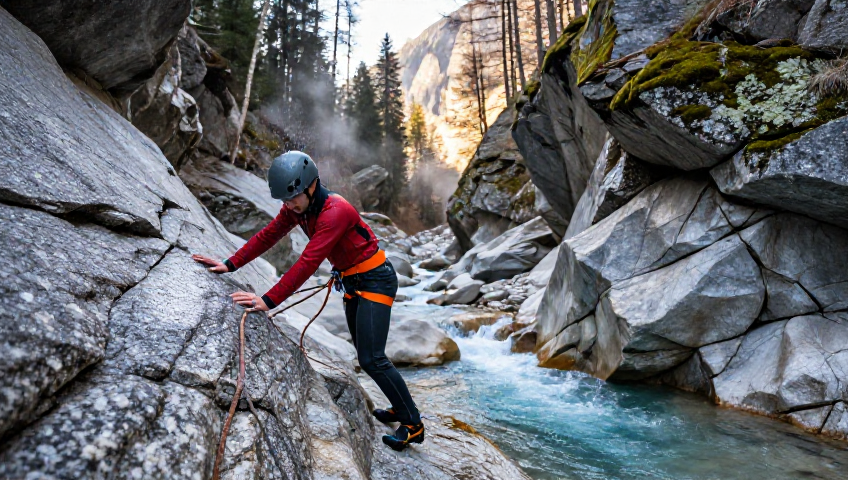
Imagine plunging into crystal‑clear mountain streams, scrambling over smooth granite slabs, and leaping from natural waterfalls framed by jagged peaks. That is the thrill that Canyoning Chamonix offers, a sport that blends hiking, climbing and swimming into a single heart‑pounding experience. Nestled in the shadow of Mont Blanc, the Chamonix valley hides dozens of gorges that cater to beginners and seasoned canyoners alike, each with its own character, difficulty level and story. Whether you are planning a single‑day adrenaline burst or a multi‑day immersion, the valleys around the town provide a playground that’s as diverse as the surrounding peaks.
In the following guide we’ll map out the most compelling routes, explain how local operators such as Barberine and OXO shape the experience, and show how you can stitch canyoning together with other iconic Chamonix activities like paragliding or white‑water rafting. By the end, you’ll know exactly when to go, what gear to bring, and how to stay safe while still chasing that rush of cold water against sun‑warmed skin. Let’s dive in.
Table of Contents
Best canyoning routes near Chamonix
Choosing the right canyon is the first step toward a fulfilling adventure. The valley offers a spectrum from gentle, family‑friendly slides to technical, vertical drops that demand rope work and solid experience. Below is a quick rundown of the most popular lines, each graded by difficulty, length, and the type of water flow you can expect.
| Route | Difficulty | Length (km) |
|---|---|---|
| Gorge d’Aiguille du Midi | Easy‑moderate | 2.5 |
| Canyon de la Vache | Moderate | 3.2 |
| Barberine Canyon | Hard | 4.1 |
| Flaine Glacière | Expert | 5.0 |
For newcomers the Aiguille du Midi gorge is a perfect starter: wind‑scoured slabs, shallow pools, and a single small waterfall that can be tackled without a rope. As you gain confidence, the Vache offers several vertical drops, natural zip‑lines and a few sections that require basic rappelling. The real test, however, lies in Barberine – a hidden gem that we’ll explore in depth later.
Safety tips for beginners
- Never canyon alone; a trained guide doubles as a safety net and a source of local knowledge.
- Check the water level early in the morning; sudden snowmelt can turn a mellow slide into a torrent.
- Wear a well‑fitted helmet and a harness with double‑locking carabiners – the Alpine rocks are unforgiving.
- Carry a waterproof dry‑bag for electronics, snacks and a small first‑aid kit.
Canyoning Chamonix Barberine – the hidden gem
The Barberine gorge, tucked away behind the Mont Blanc tunnel, feels like a secret only locals have whispered about for generations. Its name derives from the nearby village of Barberine, a tiny hamlet where mountain guides still greet you by name. The canyon itself snakes through a series of narrow chutes, each ending in a natural pool that reflects the towering limestone walls like a mirror.
What sets Barberine apart is the diversity of its challenges. The first half of the line features a gentle cascade that allows a quick soak, followed by a steep plunge of over 8 meters that demands a full harness rappel. Mid‑section, you’ll encounter a natural zip‑line – an ancient rock arch that has been rigged with a static rope, letting you glide across a 15‑meter gap with the valley below humming softly.
One anecdote that still circulates among the canyoning community involves a guide named Julien, who decided to surprise his group with a night‑time descent. Under a full moon, the water glistened like liquid silver, and the echo of splashes amplified the feeling of isolation. “It was eerie, but magical,” Julien recalled, “and we all walked away with a story we could still tell in the chalet over a hot chocolate.”
Because the route is technically demanding, most operators require a minimum of two years of canyoning experience. However, the payoff – a secluded pool nestled behind a waterfall that only the most intrepid can reach – is well worth the extra effort.
OXO canyoning – what the locals recommend
If you prefer a more structured experience, the OXO canyoning company has built a reputation for blending safety with adventure. Their flagship trips combine the Barberine line with a “soft‑core” introduction that eases less‑experienced participants into the rhythm of the gorge. The guide team is multilingual, and they provide all equipment on site, from wetsuits to ascenders.
One of the most praised aspects of OXO’s service is the “water‑dance” session at the end of each trek. After the main descent, the group gathers around a fire, shares a local cheese fondue, and then performs a brief, guided splash‑dance in the final pool – a ritual that celebrates the water element and reinforces group cohesion.
Clients often highlight the company’s commitment to environmental stewardship. All waste is packed out, and ropes are inspected for wear before each use, minimizing impact on the fragile alpine flora that sprout in the canyon’s shade.
Combining canyoning with other Chamonix activities
Chamonix is a playground for thrill‑seekers, and canyoning fits seamlessly into a broader itinerary that may include paragliding, mountaineering, or white‑water rafting on the Arve. Here’s how you can stitch together a multi‑sport adventure without feeling rushed.
- Morning canyoning: Start with a 3‑hour canyon trip to make the most of the cooler temperatures and lower water flow.
- Mid‑day lift to the Aiguille du Midi: Take the cable car for panoramic views and a quick lunch at the summit restaurant.
- Afternoon paragliding: Launch from the same plateau for a gentle glide over the valley – the experience is cheaper in the off‑peak season, with prices ranging from €70 to €90 per flight.
- Evening rafting: Join a Mont Blanc rafting excursion on the Arve River, where the current is still brisk enough for an exhilarating ride.
By arranging the day in this order, you avoid fatigue; canyoning demands muscular effort, whereas paragliding is mostly about enjoying the view and calming the heart rate.
When to go – seasons, weather, and pricing
The Alpine climate plays a pivotal role in determining the safety and enjoyment of a canyon. Generally, the best window stretches from late May to early October, when snowmelt has filled the gorges but the daytime temperatures remain comfortable.
| Season | Water level | Typical price (per person) |
|---|---|---|
| Late Spring (May‑June) | High – fast flow | €120‑€150 |
| Summer (July‑August) | Moderate – ideal | €100‑€130 |
| Early Autumn (September‑October) | Low – calm pools | €90‑€110 |
Do keep in mind that late summer can bring sudden thunderstorms. A quick weather check on Mont Blanc Meteo the night before is a habit that most guides recommend. If you’re travelling on a budget, early autumn offers the best balance between price and water conditions, albeit with shorter daylight hours.
Practical information – guides, equipment, permits
Here’s a compact checklist to ensure you’re ready for the canyon:
- Guides: Certified Alpine canyoning guides (AFGC or equivalent). Most reputable companies, like OXO and Barberine Guides, employ staff with at least 3 years of field experience.
- Equipment: Helmet, harness, waterproof boots, wetsuit (3‑mm for summer, 5‑mm for early spring), dry‑bag, carabiners, descender device.
- Permits: No special permit is required for the public gorges, but some private sections (e.g., parts of Barberine) ask for a small fee that guides usually include in the total price.
- Insurance: Verify that your travel insurance covers “Extreme sports – canyoning”. It’s a common oversight that can cost you dearly in case of injury.
Most operators also provide a brief safety briefing on the day of the trip, covering rescue signals, emergency procedures and the correct way to dispose of waste. As a rule of thumb, respect the “Leave No Trace” principles: pack out any trash, avoid stepping on fragile alpine lilies, and keep the water pristine for the next adventurer.
Frequent Asked Questions
What is the minimum age for canyoning in Chamonix?
Most companies set the minimum age at 12 years old, provided the child can comfortably fit into a harness and is confident in the water. Some operators allow younger participants (down to 8) if a parent or guardian joins the group.
Do I need prior canyoning experience to join a Barberine tour?
Barberine is considered a hard‑level canyon, so guides typically require at least two years of solo canyoning experience. However, many companies offer a “progressive” version that pairs beginners with an experienced guide for the more demanding sections.
How long does a typical canyoning session last?
A standard half‑day trip lasts about 3–4 hours, including the briefing, equipment fitting, the descent, and a post‑canyon debrief. Full‑day expeditions that combine multiple gorges can run up to 7 hours with a lunch break.
What should I wear under my wetsuit?
A quick‑dry base layer made of synthetic material works best. Avoid cotton as it retains water and can cause you to get cold quickly. Many guides suggest a lightweight fleece for early autumn when air temperatures drop after the descent.
Is canyoning safe in summer when the water is warmer?
Warmer water is generally more comfortable, but summer storms can suddenly increase flow speed. Always check the forecast, and be prepared to postpone if rain is expected. Guides will assess the water level on site and decide whether to proceed.
Can I combine canyoning with a ski trip?
Absolutely. Many visitors spend their mornings on the slopes and head to a canyon in the afternoon once the snow has melted enough to fill the streams. The key is to keep a flexible schedule and bring appropriate clothing for both activities.
Beyond the gorge – your next adventure awaits in the Alpine valleys
From the rush of leaping into icy pools to the serene moments perched on a rock ledge, Canyoning Chamonix offers a spectrum of experiences that cater to every level of adventure. By choosing the right season, partnering with trusted guides, and respecting the mountain’s fragile ecosystem, you set yourself up for memories that will echo long after you’ve left the valley.
So, whether you’re charting a solo escape, planning a family outing, or adding a splash of adrenaline to a larger Alpine itinerary, let the gorges of Chamonix be your next playground. Pack your harness, check the forecast, and let the mountains shape the story you’ll tell around the next chalet fire.