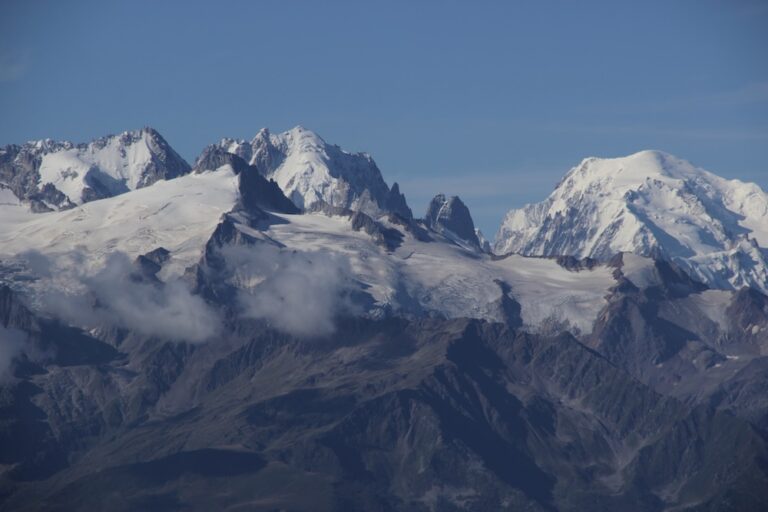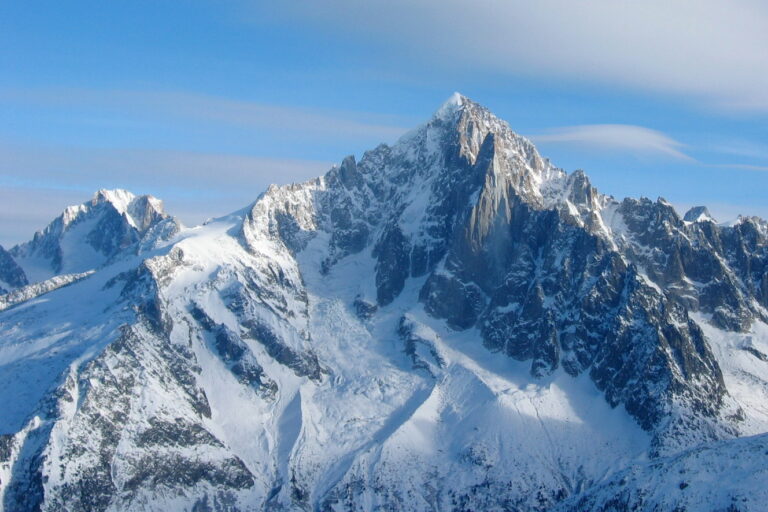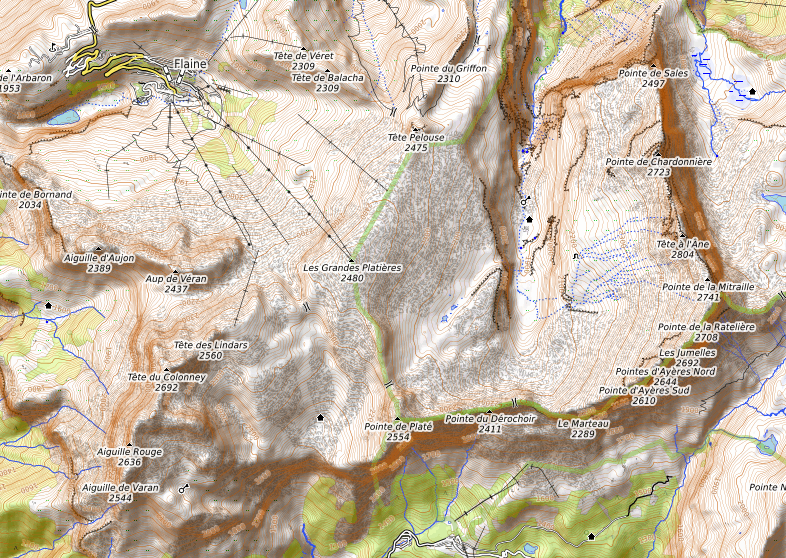
Imagine standing on a stark, luminous plateau where the rocks whisper stories of ancient seas, the sky stretches into an endless blue, and the silhouette of the massif du Mont Blanc dominates the horizon. That is the Desert de Platé, a high‑altitude wonder nestled in the Alpes françaises of Haute‑Savoie. Accessible via the téléphérique des Grandes Platières from Flaine, this plateau calcaire offers randonneurs a blend of sentiers balisés, dramatic lapiaz d’Europe and an unforgettable vue imprenable over the surrounding peaks.
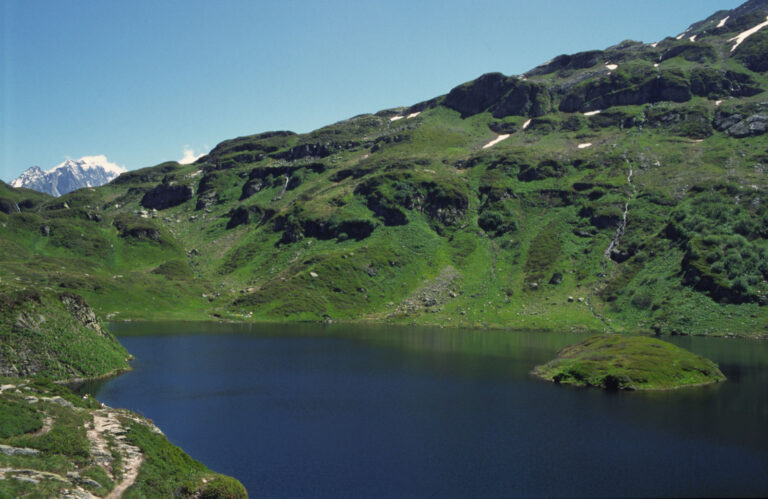
In the summer, the desert‑like landscape transforms into a bustling stage for activités estivales – from guided hikes across the GR 96 to family‑friendly picnics near the lac de Pormenaz. In winter, its snow‑capped cliffs become a quiet refuge for photographers seeking the perfect panorama. Whether you’re a lover of the faune alpine, an avid photographer, or simply chasing the feeling of walking on another planet, the Desert de Platé promises a unique adventure. Let’s dive into what makes this site a must‑see.
Table of Contents
The Desert de Platé at a Glance
Located in the vallée du Giffre, near the villages of Passy and Sixt‑Fer‑à‑Cheval, the area spans a surface de 1 980 hectares. It is officially classified as a site naturel protégé and recognised as the largest lapiaz karstique of Europe. The plateau sits at an altitude of roughly 2 500 m, offering a stark, moon‑like ambience that earned it the nickname “désert lunaire”.
According to recent visitor reviews, the Desert de Platé enjoys a solid rating of 4.8 on Google, praised for its well‑maintained trails, spectacular limestone cliffs, and the possibility to reach the summit via a télécabine when hiking isn’t an option. The most common comment? “A breathtaking landscape that feels out of this world.”
| Feature | Detail |
|---|---|
| Address | 74740 Sixt‑Fer‑à‑Cheval, France |
| Altitude | ≈ 2 500 m |
| Area | 1 980 ha |
| Protected status | Site naturel protégé |
| Nearby lift | Téléphérique des Grandes Platières |
A Paradise for Hikers and Nature Lovers
From seasoned trekkers to families looking for a gentle stroll, the Desert de Platé caters to all. The main sentier is a boucle de 1,7 km with a modest dénivelé positif that qualifies as difficulté facile for most randonneurs. For those craving a longer adventure, extensions lead to the refuge de Platé (2 700 m) and onward to the GR 96 that crosses the massif du Fiz.
Multiple Itineraries for Every Skill Level
- Loop “Lunette”: 1,7 km, difficulté facile, perfect for families.
- Plateau to Refuge: 5 km, moderate dénivelé positif, sentier modéré.
- Full Alpine Traverse: 12 km, difficulté difficile, suitable for experienced mountaineers.
All routes are clearly marked with panneaux orange and are included in the sentier géologique maps that highlight the numerous fossiles and gouffres along the way. If you’re interested in a more immersive experience, consider hiring an accompagnement guide – many local guides specialize in karstic terrain and can point out hidden canyons and the ancient marine fossils that lie scattered across the vista.
Spectacular Limestone Plateau and Lapiaz d’Europe
The Desert de Platé is essentially a gigantic plateau calcaire shaped by erosion over millennia. The result is a maze of fissures, “pleines galeries”, and towering rock formations that give the area its lunaire character. Walking across these stone corridors feels like stepping onto another planet – a sensation often described as “désert lunaire” by visitors.
Geologists explain that the lapiaz d’Europe is the product of water percolating through the porous limestone, creating a network of underground rivers that later collapse to form the spectacular surface pattern we see today. The most iconic spot is the “glacier pétrifié”, a frozen river of stone that glistens under the sun, providing a perfect backdrop for photographers.
Highlights of the Karstic Landscape
- Gouffres et canyons – natural pits up to 30 m deep.
- Plateau d’Assy – a quieter side‑track offering sunrise views.
- Roches lunaires – bright white limestone that reflects moonlight even in daylight.
Because the environment is fragile, the site classé authorities request visitors to stay on designated walkways and avoid touching the delicate rock formations. A few well‑placed passerelles help protect the most vulnerable zones while still offering spectacular viewpoints.
Wildlife: Marmots, Bouquetins and Alpine Flora
The Desert de Platé is not a barren desert in the ecological sense. Its high zone d’altitude nurtures a surprising faune et flore. Early mornings often reveal curious marmottes perched on rocks, while the occasional bouquetin silently surveys the landscape from a ridge.
Botanists note that despite the stark appearance, the plateau supports a rich flore alpine including Edelweiss, Gentiana and rare alpine grasses that turn golden in late summer. The surrounding woods host faune alpine such as chamois, red foxes, and a variety of bird species, making the area a paradise for wildlife photographers.
Conservation Efforts
Local conservation groups, supported by the conservateur du parc naturel, run regular clean‑up campaigns to tackle litter left by tourists. Visitor responsibility is crucial; leaving plastic or food waste can disturb the delicate balance and scare away the shy marmottes. The area’s designation as a site naturel protégé ensures that any development is carefully assessed to preserve the unique ecosystem.
Practical Information: How to Plan Your Visit
Getting to the Desert de Platé is straightforward. From Flaine, take the téléphérique des Grandes Platières which runs year‑round, with a slightly higher price in the summer. The lift drops you at the plateau’s edge, where a short walk leads to the main trailhead. If you prefer to hike, the GR 96 can be accessed from Passy or Sixt‑Fer‑à‑Cheval – both starting points are well‑signposted.
When to Go
- Saison d’été (June‑September): Ideal for hiking, wildlife spotting, and photography. Temperatures range from 5 °C to 15 °C.
- Saison d’hiver (December‑March): Snow‑covered trails become a quiet haven for winter walkers; the glacier pétrifié glistens under a blanket of white.
Whether you’re planning a day trip or a multi‑day trek, remember to planifiez votre visite around weather forecasts. The plateau’s altitude means weather can shift rapidly – sunshine one moment, a sudden snowstorm the next.
Services and Amenities
| Facility | Details |
|---|---|
| Refuge de Platé | Mountain hut with dormitory beds, meals, and a small shop |
| Service de restauration | Snack bar at the lift station (sandwiches, hot drinks) |
| Parking | Designated lots at the base of the téléphérique (seeie on voirie signs) |
| Guided tours | Available in French and English, focus on geology and wildlife |
For families, the refuge offers a service de restauration with child‑friendly menus and a play area. Accessibility is limited due to terrain, but certain sections of the trail are classified as tourisme adapté, featuring smoother paths and handrails for those with reduced mobility.
Activities, Services and Nearby Attractions
Beyond hiking, the Desert de Platé serves as a hub for a variety of activités et services. Summer visitors can try:
- Parc d’activités at the base of the téléphérique – zip‑lining, mountain biking, and a small climbing wall.
- Photography workshops focusing on the panorama and the “désert lunaire” effect.
- Guided geological walks highlighting the fossiles and karstic formations.
In winter, the plateau becomes a quiet spot for snowshoeing and cross‑country ski loops, while the nearby glacier offers a unique opportunity to marcher sur glacier under the watchful eye of an experienced guide.
Don’t miss the nearby natural gems: lac de Pormenaz and lac d’Anterne are perfect for a reflective pause, and the cascade du Rouget & cascade du Dard add a splash of turquoise to the alpine scenery. For a deeper dive into local culture, the refuge du lac de Gers offers a cozy dinner of Savoyard specialties.
Frequent Asked Questions
What is the best time of year to hike the Desert de Platé?
The plateau is pleasant from June to September when the trails are clear and the weather stable. However, avid winter walkers also enjoy the snowy landscape between December and March. Always check the forecast, as conditions can change quickly at altitude.
Can I reach the plateau without taking the téléphérique?
Yes, experienced hikers can ascend from Passy or Sixt‑Fer‑à‑Cheval via the GR 96. The trek is longer and involves a higher dénivelé positif, so it’s recommended for those with good stamina and proper gear.
Is the Desert de Platé suitable for families with young children?
Several short loops, such as the “Boucle de 1,7 km”, are marked as difficulté facile and have safe passerelles. The refuge provides family rooms and a simple menu, making it a comfortable base for younger explorers.
Are there any special permits needed to hike here?
No special permits are required for day hikes. If you wish to camp or organize a large group event, you must contact the local conservateur du parc naturel for authorization.
What wildlife might I encounter on the trail?
Typical sightings include marmots, bouquetins, chamois, and a variety of alpine birds. In the summer, colourful alpine flowers blanket the plateau, while winter offers sightings of ibex navigating the snowy slopes.
Why the Desert de Platé Should Be on Your Bucket List
The Desert de Platé blends stark, moon‑lit geology with vibrant alpine life, offering an experience that feels simultaneously otherworldly and intimately connected to nature. From the glacier pétrifié to the lively chatter of marmots, each step reveals a layer of history, ecology, and breathtaking beauty. Whether you’re planning a summer trek, a winter snowshoe adventure, or simply a day of photography, this site naturel protégé promises memories that linger long after you’ve left the plateau calcaire. Pack your boots, grab a map, and let the desert’s silent grandeur guide you to the heart of the French Alps.