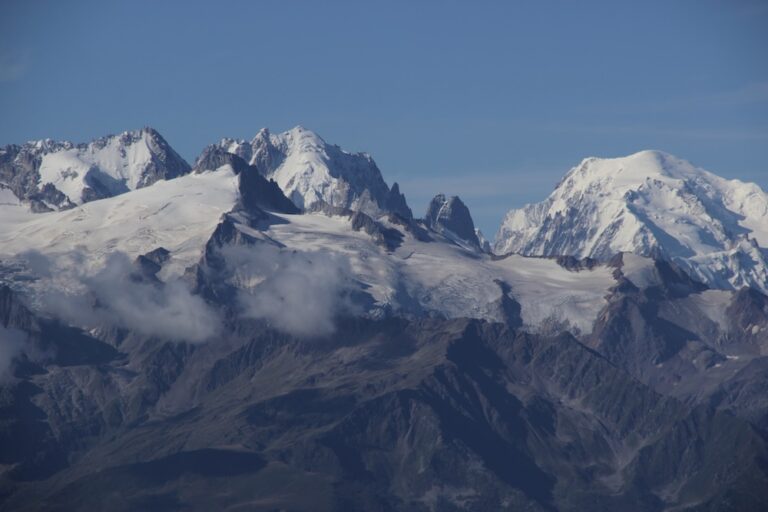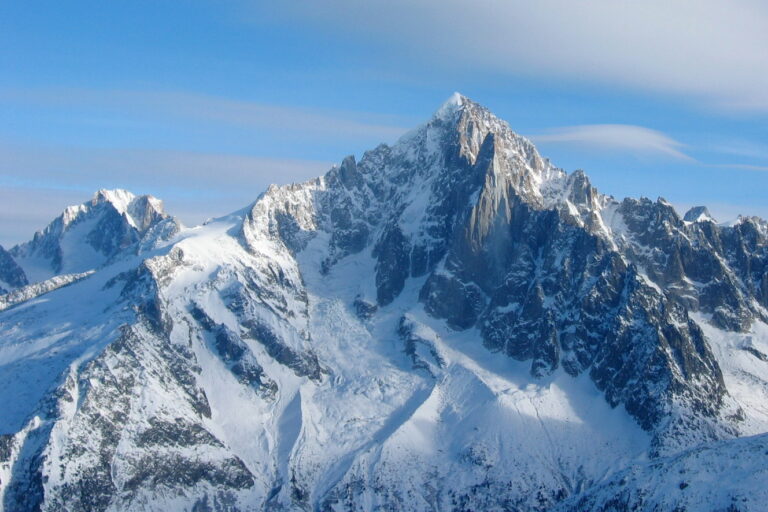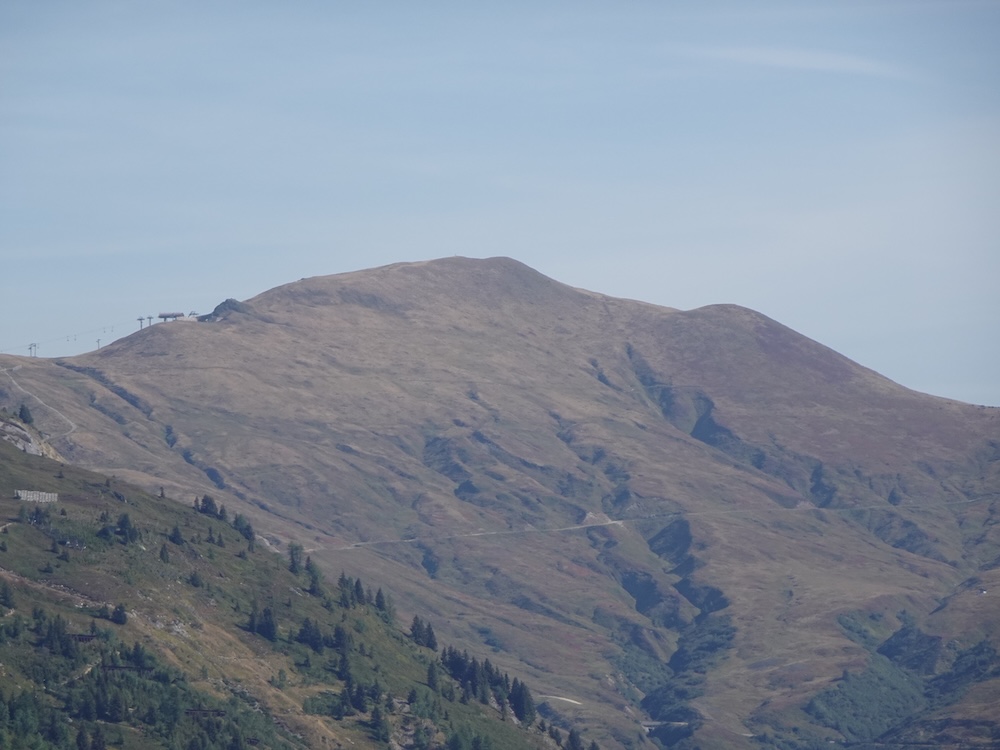
Nestled on the franco‑Swiss border, tête de balme commands a spectacular position above the bustling town of Chamonix. From the moment the trail lifts off the col de balme, hikers are treated to an ever‑changing tableau of snow‑capped peaks, lush forest interludes and the distant, ever‑present silhouette of mont blanc. Whether you are a seasoned alpinist seeking a hard hike with a solid elevation gain or a moderate‑trail enthusiast after a gentle stroll through wildflowers, the area offers a spectrum of experiences that make it the crown jewel of the savoy alps and the western alps.
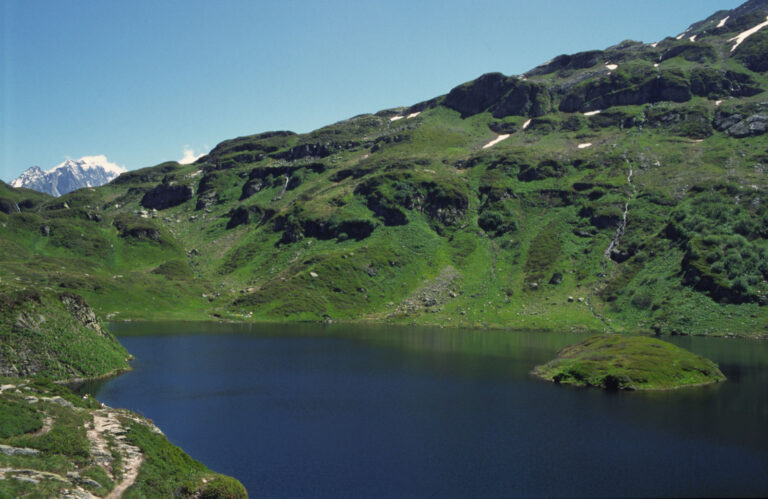
What makes this place truly special is its blend of natural drama and easy accessibility. A short ride on the balme chairlift or the aiguillette des posettes lift drops you at the border where the path snakes through rocky terrain, forest trail sections and, when conditions allow, a snowy area that feels like a secret playground. Below, the emosson dam reflects the sky, while above, the panoramic summit gifts a 360° view of the mont blanc massif and the valleys that stretch into switzerland and france. This guide will walk you through everything you need to know to make the most of your visit.
Table of Contents
Circuit le tour – tête de balme – col de balme overview
The full loop, often marketed as “circuit le tour – tête de balme – col de balme”, is a classic Alpine circuit that stitches together several historic paths. Starting from the Balme ski resort car park, the route ascends to the col du balme, skirts the alpine border, and drops back down via the same trail, completing a loop of roughly distance 6.8 miles (≈11 km). The loop is designed for hikers who appreciate a hard hike with distinct sections: a steep forest trail, a rocky ridge, and a gentle alpine valley finish.
Trail type and difficulty
The circuit is classified as difficulty hard in guidebooks, mainly because of the steep elevation gain – about 800 m (≈2 630 ft) – and occasional exposure on the ridge. Nevertheless, most hikers find the pattern of ascent and descent manageable when they break it into two parts: the first half (approximately 3.4 mi) is a moderate climb, while the return leg pushes the difficulty toward the hard end of the scale. The trail is well‑marked, and you’ll encounter a mix of forest trail, rocky terrain and open alpine meadow.
Loop vs out‑and‑back
Although the official loop trail”, an adventurous hiker can turn the circuit into an out‑and‑back by extending the descent toward the tour de mont blanc route, adding an extra distance 7.1 mi to the itinerary. This variation is popular among peakbaggers who aim to summit the nearby peak of l’arolette or simply want a longer day on the footpaths. For most visitors, however, the closed loop provides a satisfying finish with a panoramic summit view and a convenient return to the car park.
How to reach the trailhead and access routes
Getting to the trailhead is part of the adventure, and you have three main options: public transport, private car, or the mountain lifts that serve the Balme area. Each route offers a different taste of the local atmosphere.
Public transport and parking
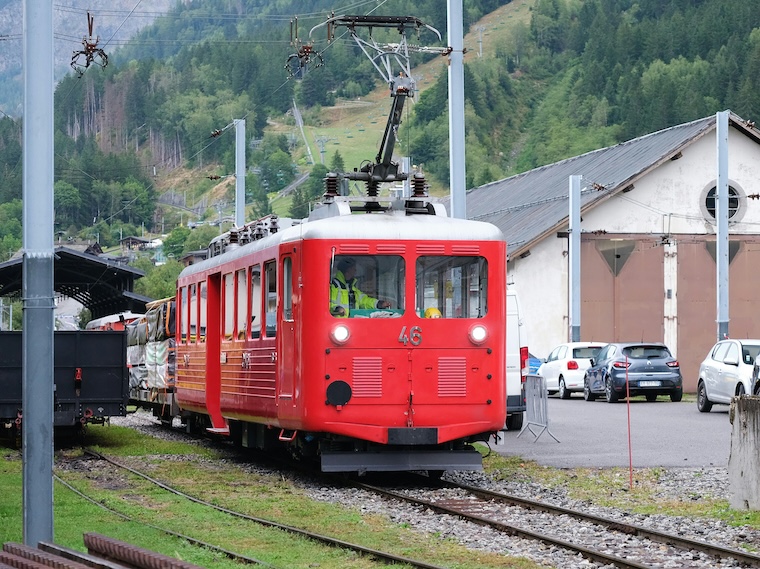
The nearest car park is located just outside the Balme ski resort. During the summer months the lot is free, while winter visitors may find a small fee for the ski area. If you prefer trains, the Mont-Blanc Express stops at Le Tour, a short shuttle ride from which a well‑signed path leads to the col de balme circuit signpost. For cyclists, the route up the valley is a pleasant forest trail that connects with the tour de mont blanc network.
Balme chairlift and aiguillette des posettes
The balme chairlift lifts you from the base of the resort to an altitude of 1 900 m, shaving 30 minutes off the ascent. From the top station, a short stroll brings you to the start of the “circuit le tour”. If you’re hunting for faster access, the aiguillette des posettes gondola climbs higher, placing you within sight of the franco-swiss border. Both lifts operate year‑round, with reduced schedules in the shoulder seasons (March to October). Remember to check the snow report before you go – a sudden snowstorm can close the chairlift for safety.
What to expect on the trail: terrain, elevation gain and scenery
The Alpine landscape around tête de balme is a study in contrasts. While the lower sections are covered in dense pine forests, the higher reaches open up into a stark, wind‑swept plateau where the only sound is the whistle of the wind over the ridge.
Elevation profile and distance
| Section | Elevation gain | Estimated time |
|---|---|---|
| Base to Col de Balme | ≈ 400 m (1 312 ft) | 1 h 30 min |
| Col to Summit (Tête de Balme) | ≈ 300 m (984 ft) | 1 h 15 min |
| Summit back to Base (loop) | ≈ 200 m (656 ft) descent | 1 h 45 min |
The total elevation gain for the full loop hovers around 800 m, giving you a solid cardio workout while keeping the altitude at a comfortable elevation 2321 m (7 617 ft) at the highest point. The overall estimated time 5–5.5 hr includes short rest stops for photographs and snacks.
Flora, fauna and panoramic views
Spring brings a carpet of alpine wildflowers – edelweiss, gentian and mountain asters – that dot the meadow sections. In summer, you may glimpse chamois grazing near the ridge, while the occasional marmot pops up from a rocky burrow. Autumn paints the surrounding forest in shades of gold and copper, and the cooler air often clears the sky for the best panoramic views. From the summit you can admire a view of mont blanc, the valley of Chamonix, and on a clear day even the far‑off emosson dam glimmering below.
Weather, snow conditions and safety
High‑altitude weather can change in a heartbeat, so staying informed is crucial. The region benefits from a relatively dry micro‑climate, but sudden storms are not uncommon, particularly from December through March.
Live weather forecast and snow report
The weather forecast for the area typically predicts temperatures around temperature 39 degrees F (≈4 °C) in early spring, with clear weather prevailing in late summer. Windy conditions can force the lifts to close, and the snow report frequently notes “packed powder” on the upper ridge during the ski season. A quick glance at the local tourist office board will give you the latest snow conditions, including avalanche warnings.
Avalanche risk and safety tips
While the main trail stays well‑above the most avalanche‑prone slopes, side gullies can become avalanche prone after fresh snowfall. The official avalanche risk level is listed as “moderate” most of the year, but it spikes to “high” after a heavy storm. Carrying a small avalanche beacon, a probe, and a shovel is advisable for any hard hike in the winter. Always check the latest avalanche risk high bulletin before setting out, and consider hiring a local guide if you are unfamiliar with backcountry terrain.
Year‑round activities around tête de balme
Beyond hiking, the Balme sector hosts a variety of outdoor pursuits that cater to all seasons and skill levels.
Winter sports and off‑piste
When the snow settles, the ski area transforms into a quiet sanctuary for off‑piste enthusiasts. The backcountry routes near the summit provide fresh tracks for ski‑tourers, though they require solid avalanche knowledge. For a more relaxed day, the snowshoe loops around the ridge give spectacular views without the need for technical gear. The ski lifts remain open until late April, providing easy access to the snowy area for both beginners and seasoned skiers.
Summer hiking and mountain biking
During the warmer months the trail becomes a bustling hiking trail for both moderate and hard hikers. Mountain bikers can take advantage of the gravel sections that run parallel to the main path, but they must yield to walkers on narrow sections. The alpine valley also hosts guided tours that combine history, geology and local folklore – a great way to learn about the Franco‑Swiss border history while enjoying the sunshine.
Topographic data and practical information
For the data‑geek in you, tête de balme boasts a set of intriguing statistics that help planners and peakbaggers alike.
- Geographic coordinate: 45°56’23″N, 6°50’16″E (latitude longitude)
- Summit elevation: 2 321 m (7 617 ft)
- Key col: 2 287 m, giving a topographic prominence of 34 m
- Isolation: 0.43 km – the nearest higher point lies on the mont blanc massif
- Distance of the full loop: 6.8 mi (≈11 km)
All these figures are confirmed by the peakbagger database and the official French topographic maps. Having them at hand helps you compare the hike with other Alpine challenges, such as the tour de mont blanc or the classic col de balme circuit.
Frequent Asked Questions
What is the best time of year to hike the circuit?
The trail is open year‑round, but most hikers prefer late June to early October. In summer the weather is stable, the wildflowers are in bloom, and the lifts run daily. Early autumn offers spectacular foliage and fewer crowds, while winter provides a quiet snow‑covered experience for ski‑tourers.
Are dogs allowed on the circuit?
Dogs are permitted on the trail but must be kept on a short leash, especially in the forest sections where wildlife may be present. During the ski season, dogs are not allowed on the lifts, so plan accordingly.
Can I reach the trailhead without a car?
Yes. Take the Mont‑Blanc Express to Le Tour, then a free shuttle that runs every 30 minutes during the high season. The shuttle stops at the Balme car park, placing you at the start of the marked path.
How long does the full loop take for a moderate hiker?
A moderate‑pace hiker can expect to finish in about 5 hours, including short rests. The average estimated time for the loop is 5–5.5 hr, but this varies with weather, fitness level and the number of photo stops.
Is there a mountain hut or refuge near the summit?
The nearest refuge is the mountain hut of Refuge de Balme, located just below the col. It offers basic accommodation, hot drinks and a small pantry. It’s a handy stop for early morning starts or late afternoon descents.
Why tête de balme should be on your Alpine bucket list
From the thrill of crossing an international boundary to the serenity of soaking up a panoramic summit view of mont blanc, the tête de balme experience checks every box for a memorable mountain adventure. You get a blend of challenging ascent, rewarding descent, rich flora, and reliable lift access – a rare combination that many Alpine routes lack.
Whether you’re planning a hard hike in winter, a moderate summer trek, or simply a day of photography, the trail offers enough variety to keep you coming back. So pack your boots, check the weather forecast, and let the Franco‑Swiss border be your playground this season.