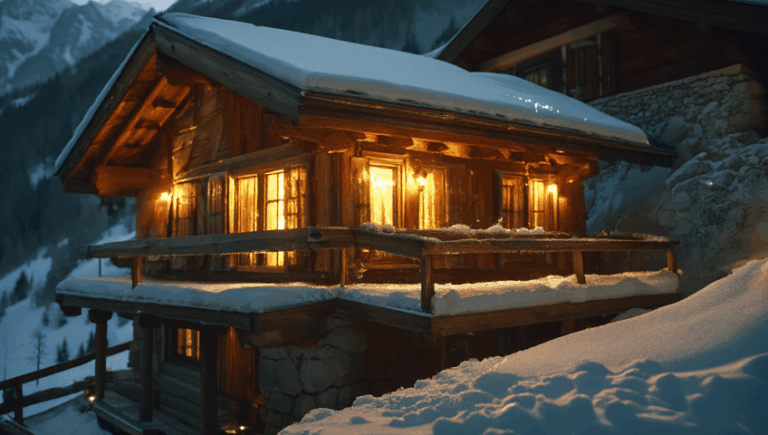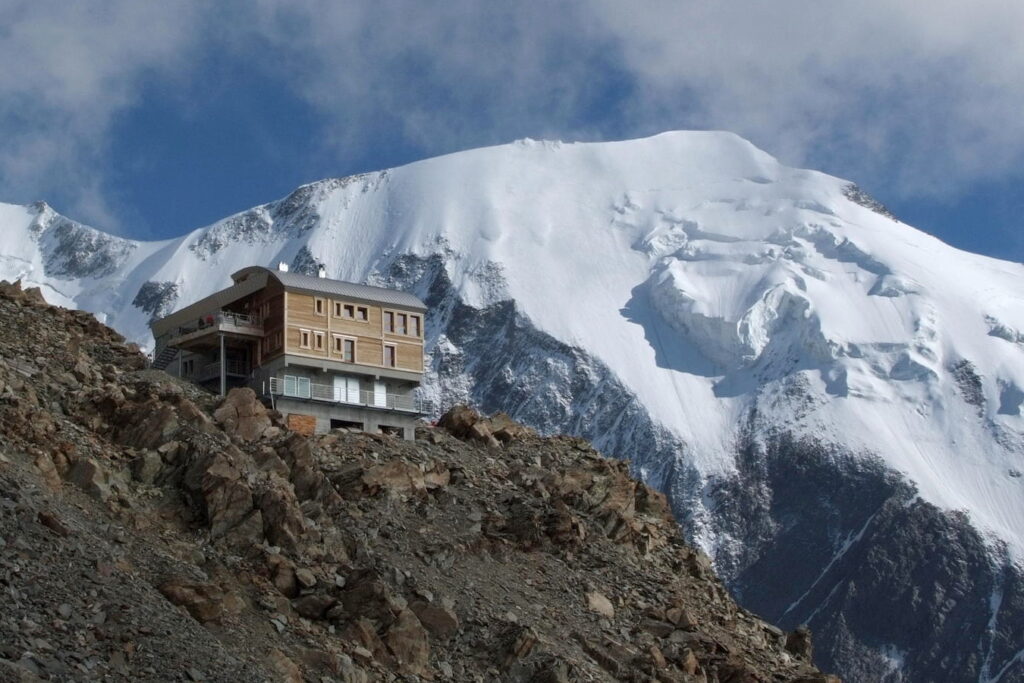
Perched at 3,167 m on the flank of the tête rousse glacier, the Tête Rousse hut is the first true mountain refuge most climbers encounter on the classic normal route to the summit of Mont Blanc. From the moment you step off the tramway at the Nid d’Aigle station and start the 900 m ascent, the landscape changes from gentle alpine pastures to the stark, glaciated world where the air feels thinner and every breath feels earned. The hut’s stone‑filled walls have witnessed countless attempts on the grand couloir, the sudden outburst flood that can carve the glacier, and the ever‑present rockfall and stonefall risk that makes each step a careful negotiation with nature. Whether you are a seasoned alpinist plotting the final push on the climb Mont Blanc or a first‑time adventurer eager to test the high altitude experience, the Tête Rousse stop offers shelter, a glimpse of mountaineering history and a practical base before the goûter route opens up toward the renowned goûter hut.
Beyond the iconic stone exterior, the refuge is a hub of logistics: a water pocket that feeds the kitchen, a modest restaurant with a menu that can warm chilled limbs, and a sleeping area that can accommodate 72 people during the bustling summer season while scaling down to a tighter accommodate 16 people layout in the quieter winter months. The “base camp” feel is amplified by the presence of six group tents that emulate a Himalayan camp, each equipped with duvets and pillows for those who prefer a night under canvas rather than behind the hut’s wooden doors. All this is underpinned by a strong commitment to safety – mandatory reservation in advance, 24/7 support from professional guides and a trustworthy company that monitors the glacier’s stability, especially after heavy meltwater that can trigger a sudden glacier collapse or an outburst flood.
Table of Contents
The Tête Rousse hut and its role on the normal route
The tête rousse hut sits directly on the popular normal route that leads to the goûter route, the most frequently chosen path to the mont blanc massif. Its strategic position means that climbers often spend the night here before tackling the infamous grand couloir and the lengthy ascent to the goûter hut. The hut offers a simple yet effective refuge: a communal dining room, a small shop stocked with energy bars and a basic medical kit, and a handful of bunk beds that, when fully booked, can accommodate 72 people during peak summer.
Historical background
Built in the early 1900s, the original stone structure was designed to shelter shepherds and early alpinists. Over the decades it has been enlarged, reinforced against the ever‑changing glacier dynamics, and now serves as a pivotal mountain refuge for both the summer season and the winter refuge period.
Facilities at a glance
- Two large dormitory rooms with wooden bunks.
- Separate sleeping area for the base camp tents (8‑person capacity each).
- Self‑service kitchen equipped with a water pocket for hot meals.
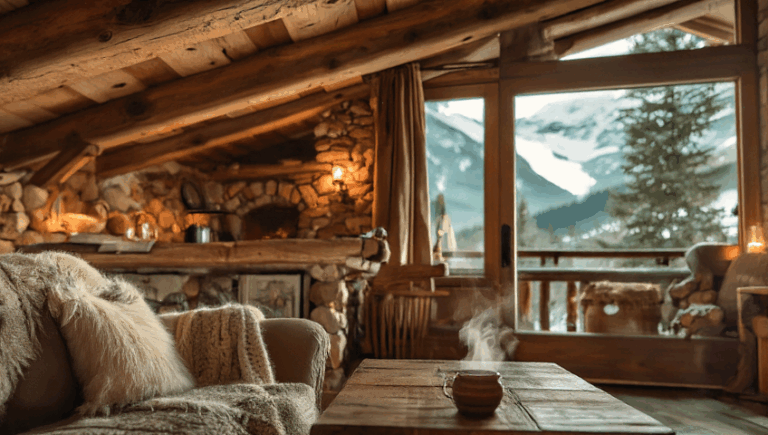
- Common room with a fireplace – perfect for sharing stories of the day’s climb.
Accessing the glacier: routes, base camp and water pocket
Reaching the tête rousse glacier is an adventure in itself. The most common approach begins at the Tramway du Mont‑Blanc’s highest station, the Nid d’Aigle. From there, a well‑marked trail climbs 900 m over approximately three hours, winding past the water pocket that supplies the hut’s kitchen. Along this stretch, trekkers encounter the remnants of old cairns, occasional rockfall debris, and, during wet seasons, the faint sound of meltwater rushing beneath the ice.
Base camp alternatives
For groups that prefer a more rugged experience, the Tête Rousse Base Camp offers six large canvas tents, each sleeping eight. These tents are set up on a slightly higher plateau, providing stunning sunrise views over the glacier while still being within a short walk to the hut’s main facilities.
Map and navigation
| Feature | Elevation (m) | Time from Nid d’Aigle |
|---|---|---|
| Start of trail | 2,372 | 0 min |
| Water pocket | 2,650 | 1 h 15 min |
| Tête Rousse hut | 3,167 | 3 h |
| Base camp tents | 3,200 | 3 h 10 min |
Safety considerations: rockfall, stonefall and outburst flood risks
The glacier environment is dynamic. Recent studies (2024) show an increase in meltwater flow which can trigger sudden outburst floods on the lower reaches of the glacier. In addition, the steep walls of the grand couloir are prone to rockfall and, in rare cases, stonefall that can endanger climbers on the approach to the hut.
Monitoring and alert systems
All major routes—including the one leading to Tête Rousse—are monitored by the local mountain rescue service. They use motion‑sensing cameras and temperature sensors to detect rapid ice movement. When a dangerous condition is forecasted, a warning is posted at the hut’s entrance and communicated via the 24/7 support line.
Practical tips for visitors
- Carry a lightweight avalanche probe and a small first‑aid kit.
- Check the daily forecast for any “dangerous grand couloir” alerts before setting out.
- Stay clear of the water pocket edges after heavy rain or rapid snow melt.
Practical information: reservations, capacity and rates
Because the tête rousse hut can accommodate 72 people during high traffic periods, a reservation in advance is strongly recommended, especially for groups larger than four. The hut operates on a first‑come‑first‑served basis for walk‑ins during the off‑peak season, but even then space can be limited.
Rates overview
| Season | Adult | Child (under 12) | Group discount |
|---|---|---|---|
| Summer (June‑September) | €30/night | €15/night | 10 % off for groups of 8+ |
| Winter (December‑March) | €45/night | €22/night | 15 % off for groups of 8+ |
Payment methods
Payments can be made via credit card, bank transfer, or the hut’s dedicated app that supports contactless transactions. Cash is accepted but only for small purchases in the communal kitchen.
Seasonal nuances: summer season versus winter refuge
During the summer season, the hut is buzzing with hikers, alpine guides and families aiming to experience the goûter route without committing to a full summit attempt. The weather is relatively stable, and the risk of a glacier collapse is lower, though rockfall remains a daily concern. In contrast, the winter refuge period offers a quieter, more introspective experience. Snow covers most of the approach, making navigation more challenging, but the silence of the high altitude landscape can be profoundly rewarding.
What to expect in summer
- Longer daylight hours – up to 16 h of sun.
- Increased likelihood of encountering other climbers on the goûter route.
- Higher demand for reservation in advance due to limited capacity.
What to expect in winter
- Snow‑covered paths – crampons and ice axes are mandatory.
- Fewer crowds, which means a chance to enjoy the high altitude solitude.
- Potential for avalanche activity in the surrounding valleys.
Why choose Tête Rousse? Pros, cons and who should stay
Choosing the right refuge can define the success of a climb Mont Blanc. Tête Rousse offers a blend of accessibility, facilities and strategic location that makes it a favorite for many. Yet, it isn’t without drawbacks.
The pros
- Direct access to the normal route and goûter hut.
- All‑year‑round operation – serves both summer trekkers and winter alpinists.
- On‑site water pocket and kitchen for hearty meals.
- Professional guides available for briefings and emergency support.
The cons
- Limited space during peak weeks; early booking is essential.
- Rockfall and stonefall risk on the approach require constant vigilance.
- Noise from large groups can affect the tranquility some seekers desire.
Who should stay?
Anyone planning a multi‑day ascent of Mont Blanc via the normal route will benefit from the hut’s location. It is also ideal for climbers who need a base camp to acclimatize before tackling the grand couloir or the final summit push.
Who might want to skip it?
If you prefer a more remote experience with fewer people, the Goûter Hut or the Refuge du Goûter might suit you better. Solo alpinists seeking solitude often head straight to the higher camps, accepting a higher risk for a quieter night.
Frequent Asked Questions
How do I get to Tete Rousse?
The hut is reached by a 3‑hour, 900 m elevation gain hike from Nid d’Aigle, the highest train station of the Tramway du Mont‑Blanc. The trail is well marked, passing a water pocket that supplies the refuge’s kitchen.
Can you camp at Tete Rousse?
Camping with a private tent is completely forbidden. Accommodation at the Tête Rousse base camp will include six group tents (of the “Himalayan Base Camp” type), each sleeping eight people, equipped with camp beds, pillows and duvets.
How high is Tete Rousse?
The glacier is frequently crossed by mountaineers on their way to the Tête Rousse mountaineering hut, which stands at the side of the glacier at an altitude of 3,167 metres (10,390 ft).
How hard is the Gouter Route to Mont Blanc?
About the goûter route: it’s the classic & shortest route to Mont Blanc. It’s also the least difficult route. Starting point: Les Houches or Saint‑Gervais. Duration of the ascent: 3 days.
Is there a risk of rockfall on the approach?
Yes. The approach passes through sections with known rockfall risk and occasional stonefall risk. Climbers should wear helmets, keep a safe distance from loose rocks, and heed any warnings posted at the hut.
Do I need a guide?
While a guide is not mandatory on the normal route, many climbers opt for a professional guide to receive a safety briefing, especially regarding the dangerous grand couloir and current glacier conditions.
Final thoughts on Tête Rousse and your next climb
In the grand tapestry of alpine adventures, the Tête Rousse hut stands as a reliable waypoint, blending history, practicality and the raw allure of high‑altitude mountaineering. Its location on the normal route offers a unique chance to rest, refuel and recalibrate before the final push toward the summit of Mont Blanc. By respecting the inherent risks—rockfall, outburst floods, and sudden weather changes—and by planning ahead with a reservation in advance, you can turn a potentially daunting trek into a memorable experience. Whether you’re drawn by the promise of the iconic grand couloir, the serenity of a winter night beneath the stars, or simply the camaraderie found around the hut’s communal fire, Tête Rousse invites you to be part of its living history. So lace up your crampons, check the forecast, and let this mountain refuge be the launching pad for your next great Alpine story.